
Does a Bride Plan Her Own Shower? Here’s What You Need to Know!
Planning a bridal shower is an exciting part of the wedding journey, but you may wonder about your role as the bride-to-be. You generally shouldn’t plan your own bridal shower. This event is meant to celebrate you without your involvement in the details. Instead, friends or family members, such as your maid of honor or a close relative, typically organize this special occasion.
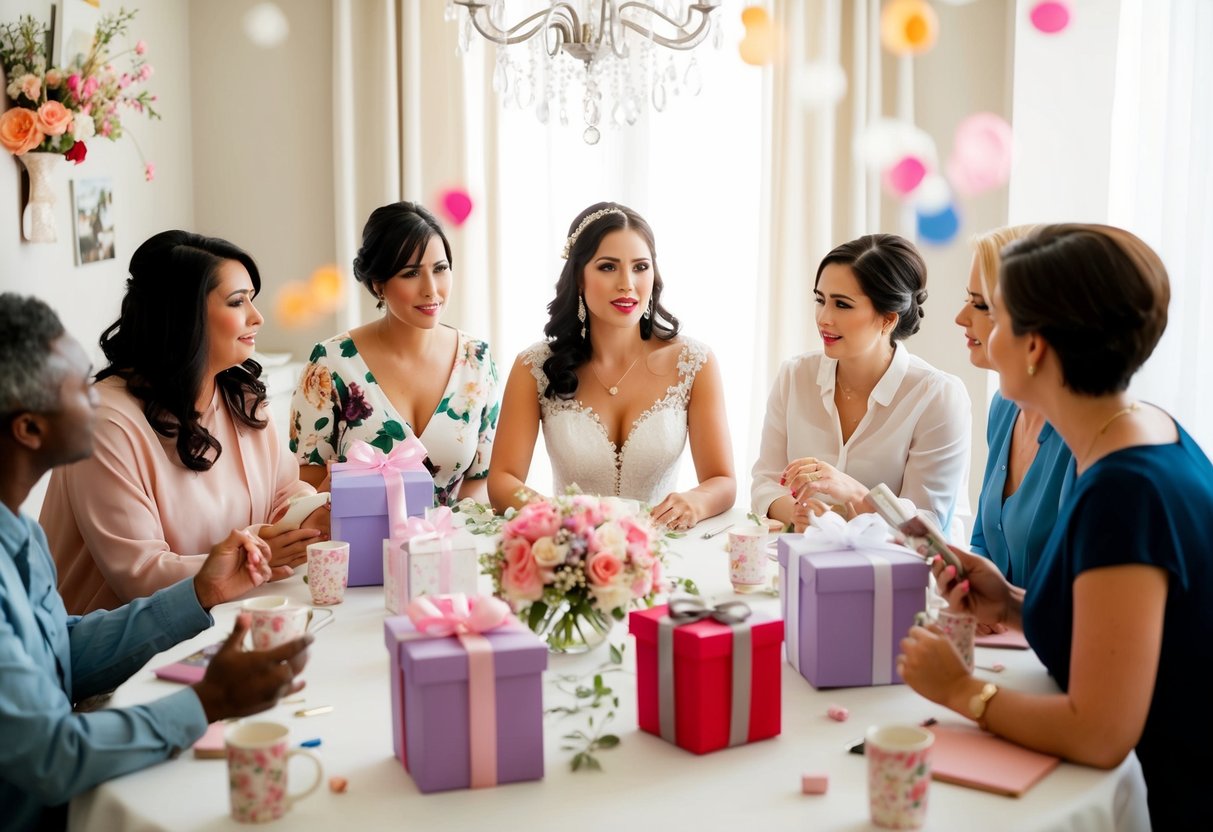
Understanding these traditional roles can help you focus on what really matters—enjoying the time spent with loved ones as they shower you with love and gifts. This time of celebration is about creating joyful memories leading up to your wedding day. Embrace the opportunity to relax and enjoy being the guest of honor!
Traditions and Etiquette
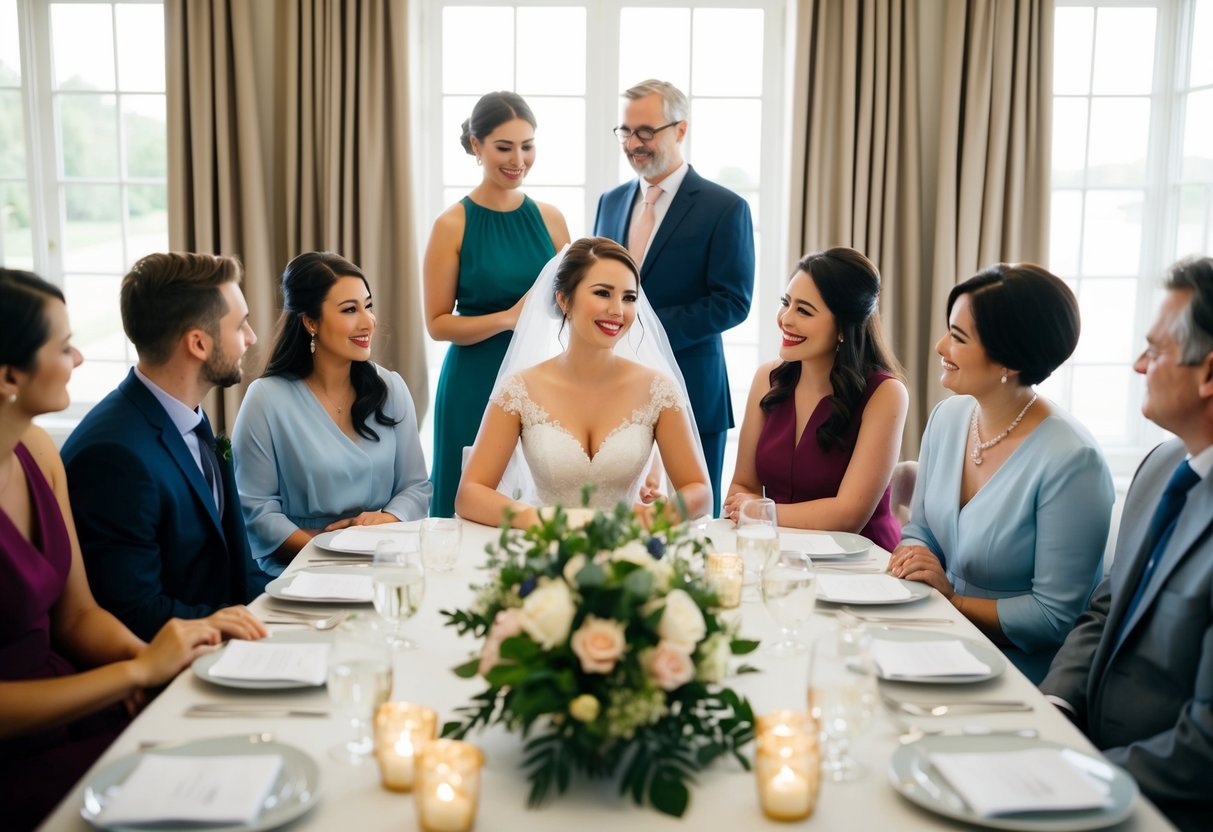
Bridal showers come with a set of customs and etiquette that you should know. Understanding these traditions will help you navigate the planning and participation process smoothly.
Understanding the Role of the Host
Typically, friends or family members, not the bride, host the bridal shower. This tradition ensures the bride can enjoy the event without the stress of planning.
The host’s job includes sending invitations, organizing games, and preparing food. It’s a time for guests to celebrate you and share in the excitement of your upcoming wedding.
If you’re a host, it’s important to consider the bride’s preferences. Think about her favorite colors, themes, and activities. Remember, this day is all about making her feel special and cherished.
Gift Etiquette and Expectations
Gifts play a significant role in bridal showers. Guests usually bring gifts for the bride, helping her start her new life. It’s a thoughtful way to shower her with love and support.
Guests should check if the bride has a gift registry. This helps them choose items she truly wants. It’s common for the bridal shower invite to include registry details.
After the shower, you should remember to send thank-you notes. This is a polite way to express gratitude for the gifts received. Handwritten notes are always appreciated and reinforce good bridal shower etiquette.
Planning the Bridal Shower
When planning a bridal shower, it’s essential to focus on details like the date, venue, and guest list. These elements set the tone for the celebration and ensure everyone has a wonderful time. Here’s how to get started.
Selecting a Date and Venue
Choosing the right date and venue is crucial for the bridal shower. Aim for a time that works for the bride and her closest friends and family. Usually, showers are held 2-6 months before the wedding.
Consider venues like someone’s home, a community center, or a restaurant. Look for a place that fits the shower’s theme and can accommodate your guest list. Make sure you confirm the venue’s availability and book it well in advance to avoid any last-minute issues.
Creating the Guest List
As you create the guest list, involve the bride to make it special. Start by listing immediate family and close friends. You might also want to include colleagues or family friends if the bride is comfortable.
Once you have a rough list, check for any space limitations at your venue. Balance the number of guests with the bridal party, like the maid of honor and bridesmaids, to ensure everyone feels included without overcrowding the event.
Invitation and RSVP Management
After finalizing the guest list, it’s time for the invitations. You can choose to go digital or send out beautiful printed cards. Make sure the invitations clearly state the date, time, venue, and any theme or gift preferences.
Include RSVP details to keep track of who will attend. This step is vital for planning food, seating, and activities. Follow up with guests who haven’t responded to confirm numbers. Keeping everything organized will help ensure your shower is a hit!
Budget and Responsibilities

When planning a bridal shower, understanding the budget and responsibilities is key. This will help ensure that everyone is on the same page regarding expenses and who will handle them.
Determining the Budget
Start by discussing the overall budget with those involved. Common contributors include the mother of the bride, bridal party members, and close friends. You can create a list of estimated costs for different aspects like venue rental, decorations, food, and drinks.
A rough budget might look like this:
| Item | Estimated Cost |
|---|---|
| Venue Rental | $100 – $1,000 |
| Decorations | $50 – $300 |
| Catering | $200 – $1,500 |
| Invitations | $30 – $100 |
| Total Estimated | Varies widely |
Make sure to adjust based on your guests and preferences. You can also decide together if you’ll be presenting gifts or cards. Knowing your budget helps in making choices that fit your financial plan.
Division of Financial Responsibilities
Deciding who pays for what can make planning smoother. Traditionally, the bridal party or family members volunteer to cover different costs. You can assign specific tasks to avoid confusion.
Consider these roles:
- Mother of the Bride: Often takes the lead on overall costs and venue.
- Maid of Honor: Could handle invitations and activities on the day.
- Bridesmaids: Can chip in for decor and food.
Communication is essential. Talk openly about how much each person is comfortable contributing. This ensures no one feels overwhelmed or left out.
By clearly dividing responsibilities, you create a more enjoyable experience for everyone involved.