
Does a Bride Sit on Right or Left? Understanding Wedding Seating Traditions
On your wedding day, one detail that often comes up is where the bride sits in relation to the groom. Traditionally, the bride sits on the groom’s left side. This seating arrangement not only reflects customs from the Middle Ages but also sets the stage for a balanced and harmonious celebration.
Understanding this tradition can make planning your special day even more meaningful.
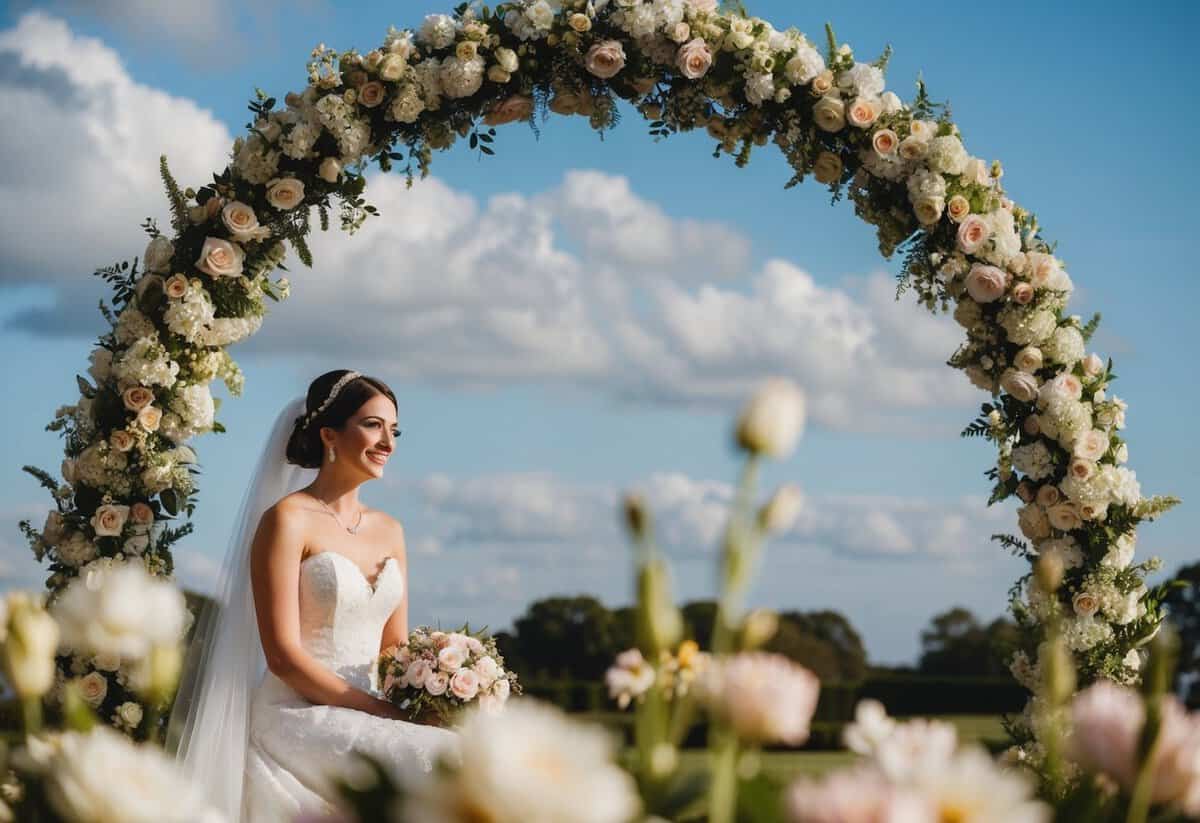
Seating arrangements can vary based on culture and personal preferences. In many traditional weddings, the bride’s parents sit on the left side of the aisle, while the groom’s parents sit on the right. This division can help create a sense of unity and family support as you both begin your new journey together.
As you prepare for your wedding, knowing these customs can make the process smoother. Whether you choose to stick to tradition or mix things up, every detail of your special day should reflect your unique love story.
Historical Significance of Seating Arrangements
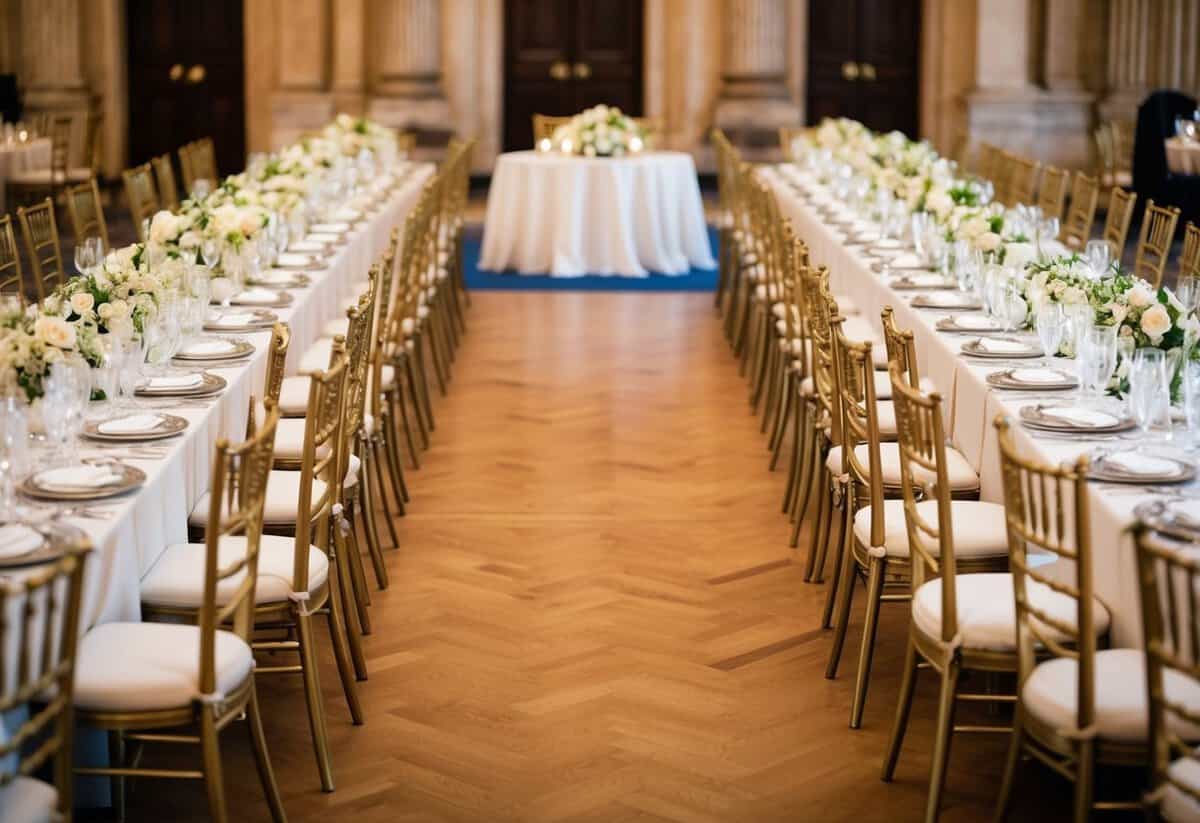
Seating arrangements at weddings have deep roots in tradition and culture. These practices often reflect historical needs and beliefs surrounding marriage. Understanding the origins and variations can help you appreciate the significance of where the bride and groom sit.
Traditional Seating Origins
Historically, the seating arrangement had a practical purpose. In times of “marriage by capture,” grooms stood to protect their brides from potential kidnap attempts. This is why the bride typically sits on the left side; it allows the groom to keep his sword hand free.
The term vena amoris, meaning “vein of love,” refers to the belief that a vein runs from the left hand to the heart, symbolizing love. This connection might also play a role in the traditional seating arrangement.
Cultural Variations in Seating
Cultural customs influence how seating arrangements are made. For instance, in Jewish weddings, it is common for men and women to sit separately. In Christian weddings, the bride usually sits on the groom’s left side.
Hindu weddings may have different norms, focusing on rituals more than seating position. In Orthodox Jewish weddings, specific seating placements can highlight community and familial ties.
Each of these practices brings unique meaning to the setting while emphasizing the unity of the couple and their families.
Wedding Ceremony Seating Explained
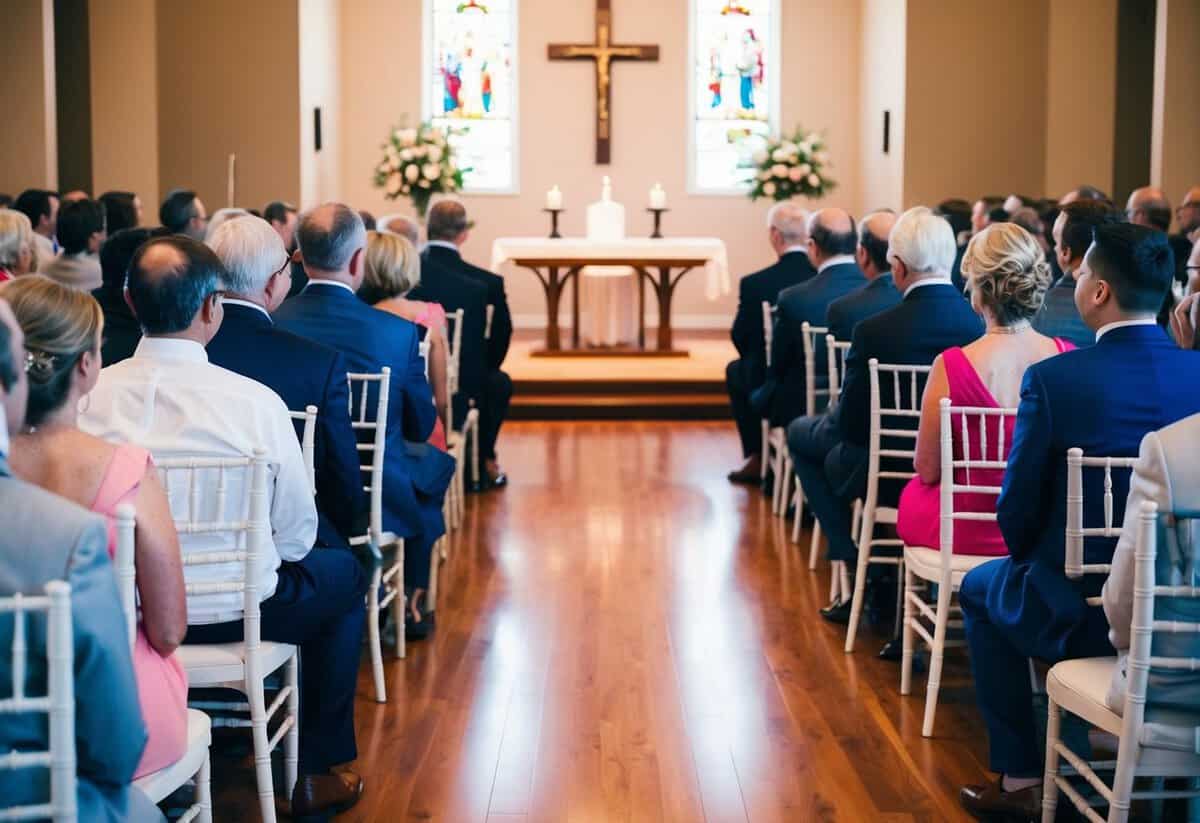
When planning your wedding ceremony, understanding seating arrangements is important. Knowing where the bride, groom, and their party sit can help create a balanced and meaningful setting for you and your guests.
Bride and Groom Positions
Traditionally, the bride sits on the left side of the groom during the ceremony. This arrangement often features the best man seated near the groom and the maid of honor beside the bride. This positioning symbolizes unity and connection.
At the altar, the bride and groom are usually oriented facing their guests. If you have a long aisle, this setup helps ensure everyone can see you exchange vows.
Creating a comfortable setting is key, as it allows you to focus on each other during the ceremony. You might consider personalizing the arrangement to better reflect your relationship.
Significance of the Left and Right Sides
The tradition of seating often aligns with family roles. In many cultures, the bride’s family sits on the left side of the aisle, while the groom’s family sits on the right. This setup shows the merging of families.
Some believe the bride sits on the left to signify that she is claimed, allowing the groom to protect her. This idea links to historical practices where the groom had to fend off unwanted attention.
Understanding these seating customs can help you make informed choices. Whether you follow traditional seating or create your own arrangements, what matters is the celebration of your love.
Reception and Table Arrangements
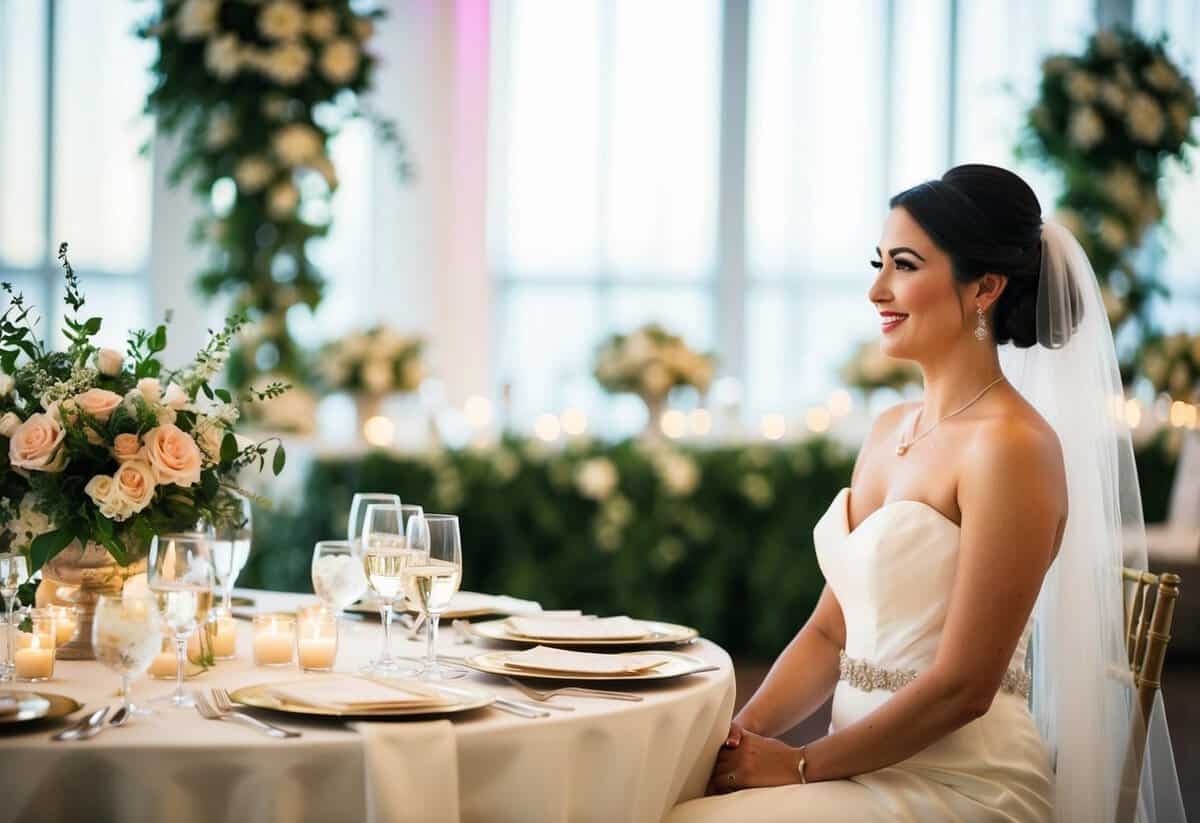
At your wedding reception, the seating plan plays a crucial role in setting the tone for the celebration. Knowing where you and your bridal party will sit helps create a warm atmosphere for you and your guests.
Head Table Dynamics
The head table is often where the bride and groom sit. Tradition usually places the bride on the groom’s left and the groom on the bride’s right. This arrangement puts the couple together and allows family members and the bridal party to be nearby.
The typical layout includes the best man sitting next to the bride and the maid of honor sitting next to the groom. This creates a balanced look. Your seating chart will also often include other close friends and family.
Keep in mind that the head table can face the guests or be positioned slightly to the side. This allows you to make eye contact with everyone during the reception.
Variations for Modern Couples
Modern couples often adapt traditional seating arrangements to fit their style. A popular choice is the sweetheart table. This table allows just the two of you to enjoy some private time.
If you opt for a sweetheart table, other attendants can sit together at a bridal party table. The wedding officiant might also sit nearby to keep the flow smooth.
You can choose to mix tables for family and friends, rather than keeping everything traditional. This can make for a fun, relaxed atmosphere.
Your seating choices ultimately reflect your personality and the vibe you want for your wedding reception.
Personalization and New Trends
Today’s weddings are becoming increasingly personal. Couples are adapting traditions to fit their unique love stories. You may choose to rethink the seating arrangements to make your day truly special, reflecting your style and preferences.
Adapting Traditions for Today
Many couples are now placing personal preference at the forefront. For instance, same-sex couples often decide whether they want to follow traditional roles or create their own seating arrangements. Outdoor weddings might also inspire more relaxed approaches.
In some cases, wedding planners can help guide you to tailor your ceremony. You might consider a wedding program that highlights your journey together. Customizing the seating can make your event feel more inclusive and personal.
Even police weddings are embracing unique seating plans, breaking away from strict traditions. This freedom encourages you to express your individuality on such a significant day.
Creating a Harmonious Atmosphere
A harmonious atmosphere is key to a successful wedding. You can create this by thoughtfully choosing how you and your wedding party sit.
For example, consider the bridal hairstyle and how it complements the overall look. Personal touches, like matching outfits for your bridal party or a unique backdrop, enhance the setting.
Think about shared elements that tie together your theme, which can even flow into your seating arrangement. Including small details, like a special song during the ceremony, contributes to this atmosphere.
You want guests to feel connected and comfortable. A well-planned seating chart helps facilitate conversations and creates joyful interactions throughout the event.