
Does a Female Wear Her Wedding Ring on the Left or Right? Understanding the Traditions and Choices
When it comes to wearing a wedding ring, many women often wonder which hand is the correct one. Traditionally, a female wears her wedding ring on the left hand, specifically on the ring finger. This practice has deep roots in various cultures, symbolizing love and commitment.
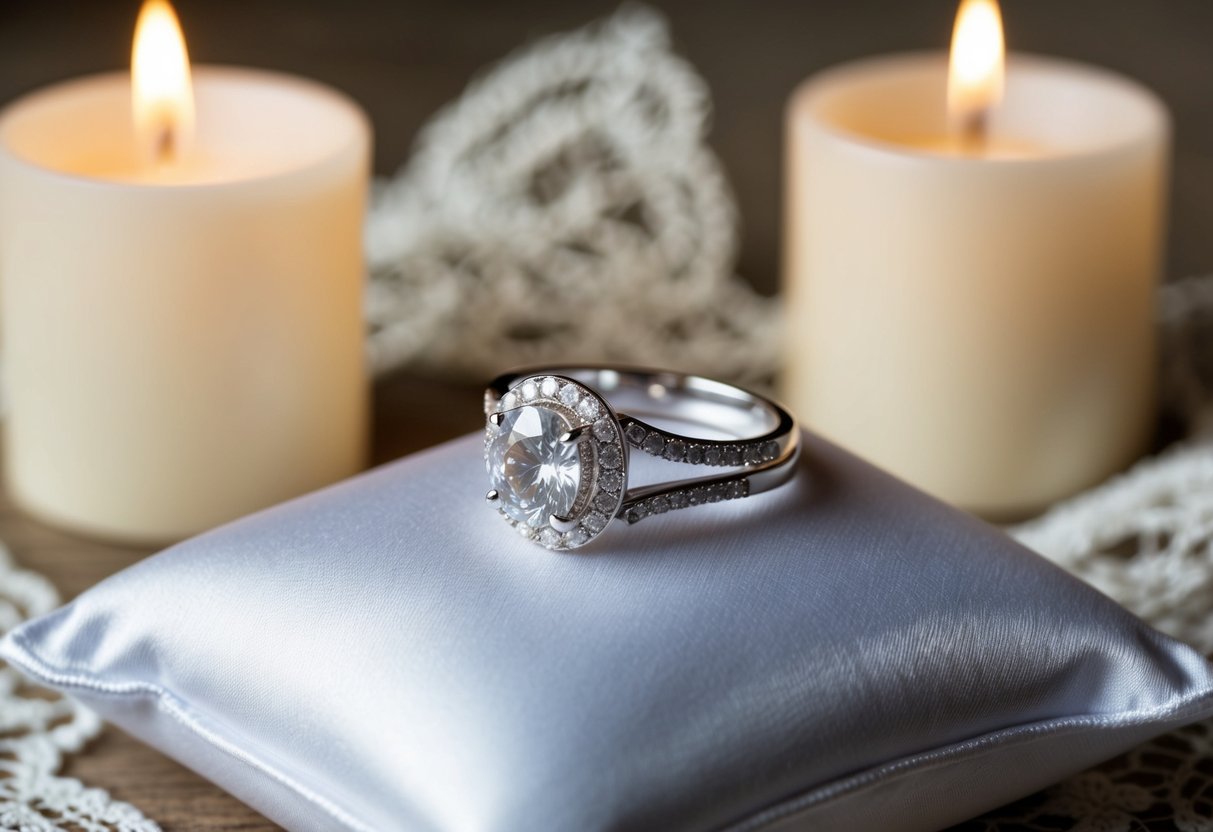
You might be curious about the reasons behind this tradition. In many cultures, wearing the ring on the left hand is believed to connect it to the heart, as this side is often seen as the “heart side.” However, in some countries, such as Germany and Russia, it is common to wear the wedding ring on the right hand instead.
As you explore the different customs and meanings associated with where to wear your wedding ring, you’ll find that personal choice also plays a big role. Understanding these traditions can help you decide what feels right for you and what fits best with your unique love story.
Understanding Ring Symbolism and Cultural Significance
Wedding rings carry deep meanings related to love, commitment, and connection. Their symbolism varies across different cultures, showcasing how traditions can shape the ways rings are worn and perceived.
The History and Symbolism of Wedding Rings
The tradition of wearing wedding rings dates back thousands of years. Ancient Egyptians believed that the circle of the ring symbolized eternity and the unending nature of love. Those early rings were often made of materials like reeds or leather.
As time passed, precious metals like gold became the standard. Gold rings represented not only love but also wealth and stability. The term “wedding band” emerged to signify a continuous circle, reflecting lifelong commitments. Many people wear engagement rings as a promise of future marriage, often adorned with diamonds, adding to their cultural significance.
Cultural Variations in Wedding Ring Traditions
Cultural traditions heavily influence how wedding rings are worn. In many Western countries, it is common to wear your wedding ring on the left hand, especially the ring finger. This practice suggests a direct connection to the heart.
In contrast, some cultures consider the right hand to be more suitable for wedding rings. For example, in Indian culture, women typically wear their wedding rings on the right hand, associating it with auspiciousness. Meanwhile, Jewish customs place the ring on the right hand to symbolize strength and protection.
These variations showcase the rich tapestry of beliefs surrounding wedding jewelry and highlight how cultural practices shape personal choices.
Which Hand and Finger? The Left Vs. Right Debate
When deciding where to wear a wedding ring, you might encounter different opinions. The choice often reflects personal beliefs, cultural norms, and traditions surrounding marriage.
Traditional Ring Placement and Vena Amoris Connection
Traditionally, in many Western cultures, a wedding ring is worn on the left hand, specifically on the fourth finger, also known as the ring finger. This choice is linked to the ancient belief in the vena amoris, which translates to “vein of love.”
People believed this vein runs directly to the heart, symbolizing a deep connection in marriage. Wearing your ring on the left ring finger emphasizes the bond between you and your partner. This tradition has remained strong, making the left hand the preferred choice for many brides.
Modern Interpretations and Personal Choices
In recent times, views on ring placement have expanded. Some individuals choose to wear their wedding rings on the right hand. This can signify different traditions or personal preferences.
For example, in some cultures, engagement rings are worn on the right hand, while others may choose to do so to express individuality. Others may opt for different fingers, like the right index finger or left hand, based on comfort or style. Ultimately, the decision is yours and can reflect your relationship status, style, and personal meaning.
Comfort, Lifestyle, and Practical Considerations
When choosing which hand to wear your wedding ring on, comfort and lifestyle play significant roles. You should think about your dominant hand, daily activities, and any practical concerns that might affect your choice.
Adapting to Physical and Professional Factors
Your dominant hand can impact your comfort when wearing a ring. If you are right-handed, you might prefer wearing your ring on your left hand. This allows for ease of movement, especially in jobs where dexterity is crucial. If you are left-handed, wearing it on the right hand may feel more natural.
Consider any physical factors, like arthritis or joint pain. These conditions can make wearing a tight ring uncomfortable, so it’s vital to choose a band that fits well. You can also consider stacking rings or using lighter styles, which can help in maintaining comfort throughout the day.
Convenience and Daily Activities
Think about your daily routine and how your ring fits into it. If you often use your hands for work or hobbies, wearing the ring on your non-dominant hand might reduce interference. Some people enjoy wearing fashion rings or thumb rings alongside their wedding band, which can also affect how you display your rings.
Also, consider how your ring interacts with other accessories. If you wear finger tattoos or often switch between rings, the space on your fingers can get crowded. Choosing the right hand to wear your wedding band can impact your overall style and convenience in daily activities.
Diverse Wedding Ring Customs Around the World
Around the globe, different cultures showcase unique practices regarding wedding rings. These customs can highlight the importance of rings in love and commitment, reflecting diverse beliefs and traditions.
Double Ring Customs and Single Ring Practices
In many cultures, both partners wear wedding rings. This is known as the double ring custom. For example, in Western marriages, a diamond engagement ring is given first, followed by a wedding band during the ceremony. Those rings are usually worn on the left hand.
However, some cultures prefer single ring practices. For instance, brides in Indian weddings often receive a nose ring as part of their cultural tradition. This symbolizes marital status and can represent beauty and prosperity. The left pinky finger is sometimes used for engagement rings in certain cultures, emphasizing personal preference and flexibility in choosing how to display commitment.
Unique Wedding Ring Alternatives
Some cultures have interesting alternatives to traditional wedding rings. In India, couples may wear flower garlands during the ceremony, symbolizing their love and connection. This differs from the diamond engagement ring, but it still signifies their commitment.
Moreover, some unmarried women and girls in various cultures wear decorative rings that signify their intention. These can be stackable rings that are worn for style, but they also represent love in a more casual form. The choice of avoiding traditional rings showcases personal taste while still honoring cultural background.