
Does a Man Have to Walk the Bride Down the Aisle? Exploring Modern Wedding Traditions
Many people wonder if a man needs to walk the bride down the aisle during a wedding ceremony. The truth is, there are no strict rules; it really depends on your preferences and traditions. Many brides choose to have their fathers accompany them, but it’s also perfectly acceptable for you to walk alone or with someone else who is special to you.
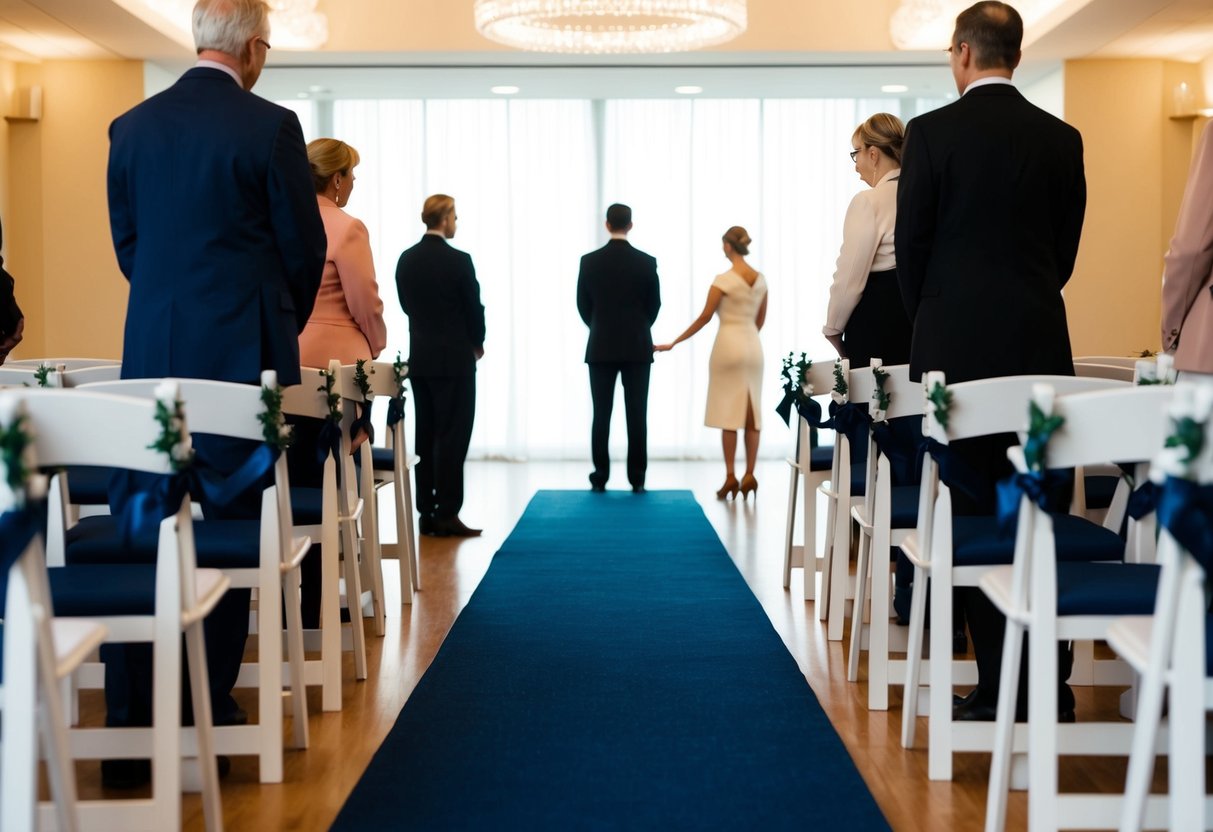
Cultural traditions can play a significant role in this decision. Some families have strong customs about who walks the bride down the aisle, but many modern couples are choosing to break from tradition to make their wedding more personal. This means you can have a unique processional that reflects your values and relationships.
If you’ve been thinking about how you want to approach your walk down the aisle, remember that the most important thing is to feel comfortable and happy. Whether you decide to take this moment solo or with a loved one, it’s about what makes your wedding day special to you and your partner.
The Role of Tradition in Wedding Ceremonies
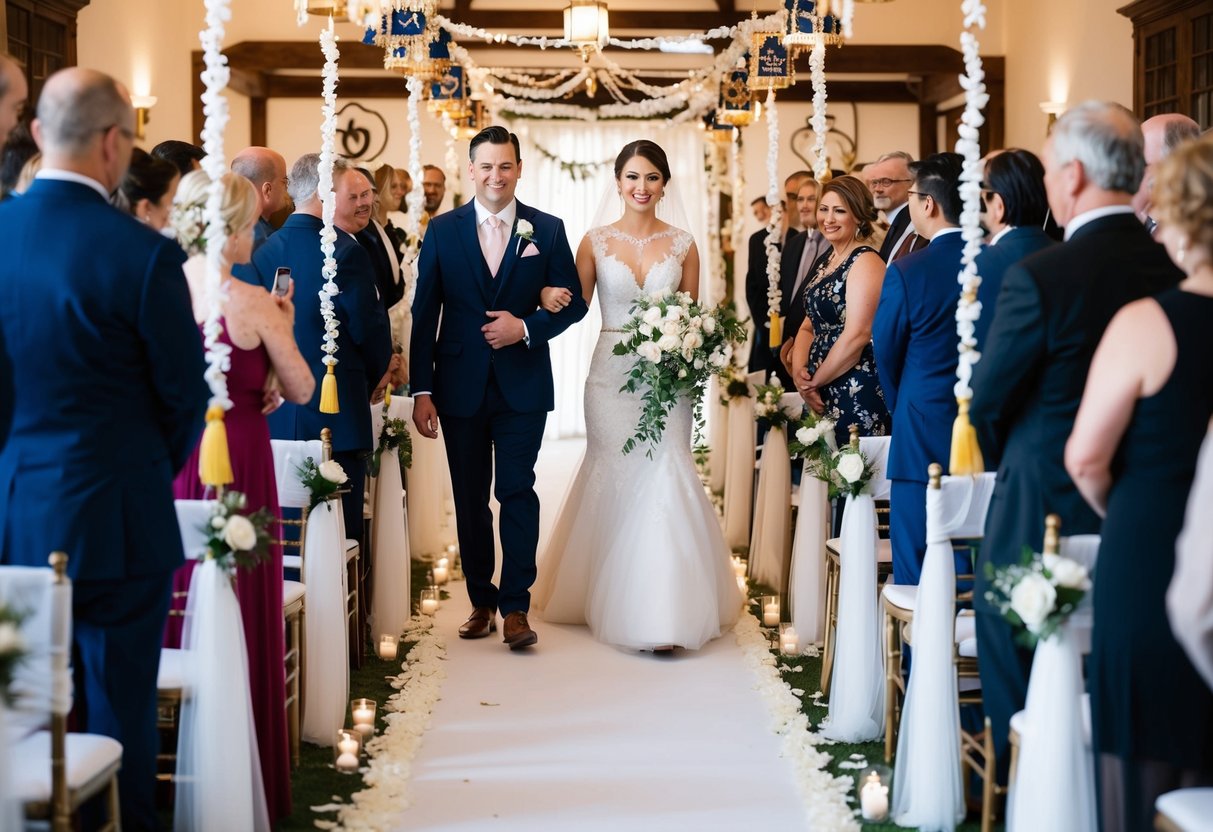
Wedding ceremonies often reflect deep-rooted traditions. These customs shape how the event unfolds, including the important walk down the aisle. Understanding this role helps you appreciate the significance behind each element of the ceremony.
The Importance of the Processional Order
The processional order sets the stage for a wedding. It organizes how participants enter and creates an emotional atmosphere. In many ceremonies, the father of the bride traditionally walks her down the aisle, symbolizing support and giving her away.
In a Christian wedding, this processional typically begins with the officiant, followed by the groom with his parents, then the bridesmaids, and finally, the bride. Meanwhile, the Jewish wedding processional order usually starts with the groom’s parents, followed by the bride’s parents, and ends with the bride. Each order holds specific meanings, showing respect and love within the ceremony.
Common Practices in Different Cultures
Cultural backgrounds significantly influence wedding traditions. For instance, in a Hindu wedding processional, the groom typically arrives first, often with a lively celebration, known as the Baraat. This joyful entrance contrasts with more solemn Western traditions.
While many Catholic weddings follow a similar order to Christian ceremonies, some may also have unique elements such as the lighting of a unity candle. Each culture has its distinct customs that enrich the experience and signify the couple’s heritage.
Evolution of Traditions
Wedding traditions are not static; they evolve over time. Many couples choose to blend or modify customs to fit their personal beliefs or lifestyles. For example, some brides now prefer to walk alone down the aisle, symbolizing independence.
Traditions like same-sex weddings have also emerged, resulting in new interpretations of the processional order. As society changes, so do the values reflected in these ceremonies. You may find that today’s weddings prioritize personal meaning alongside traditional practices.
Participants and Their Roles
Weddings are filled with important participants who each have special roles. Understanding these roles can help you plan your big day more smoothly.
Defining the Wedding Party
The wedding party includes the closest friends and family of the bride and groom. This group typically consists of bridesmaids, groomsmen, a maid of honor, and a best man.
- Bridesmaids: They support the bride throughout the planning process.
- Groomsmen: They assist the groom and often help in organizing the bachelor party.
Each member walks down the aisle before the bride and groom. Traditionally, the maid of honor walks just before the bride, while the best man stands beside the groom during the ceremony.
Special Roles for Family Members
Family members also play a vital part in the ceremony. The mother of the bride typically walks down the aisle first, often followed by other key family members.
- Groom’s parents: They also walk down the aisle, usually sitting on the right side of the venue.
- Grandparents: If they’re present, they often receive special acknowledgment, sometimes walking down before the parents.
You might also see a flower girl and a ring bearer, often children in the family. They make a memorable entrance, adding sweetness to the ceremony.
Variations in Modern Weddings
Modern weddings allow for flexibility in who participates and their roles. Some couples prefer non-traditional arrangements, which can include step-parents or close friends taking on significant roles.
- Page boys and young attendants might assist with the rings or flowers.
- Biological parents might not be the only ones walking the bride down the aisle.
You can choose who takes part based on your unique family dynamics. Remember, it’s about what feels right for you!
Modern Considerations for Aisle Walks
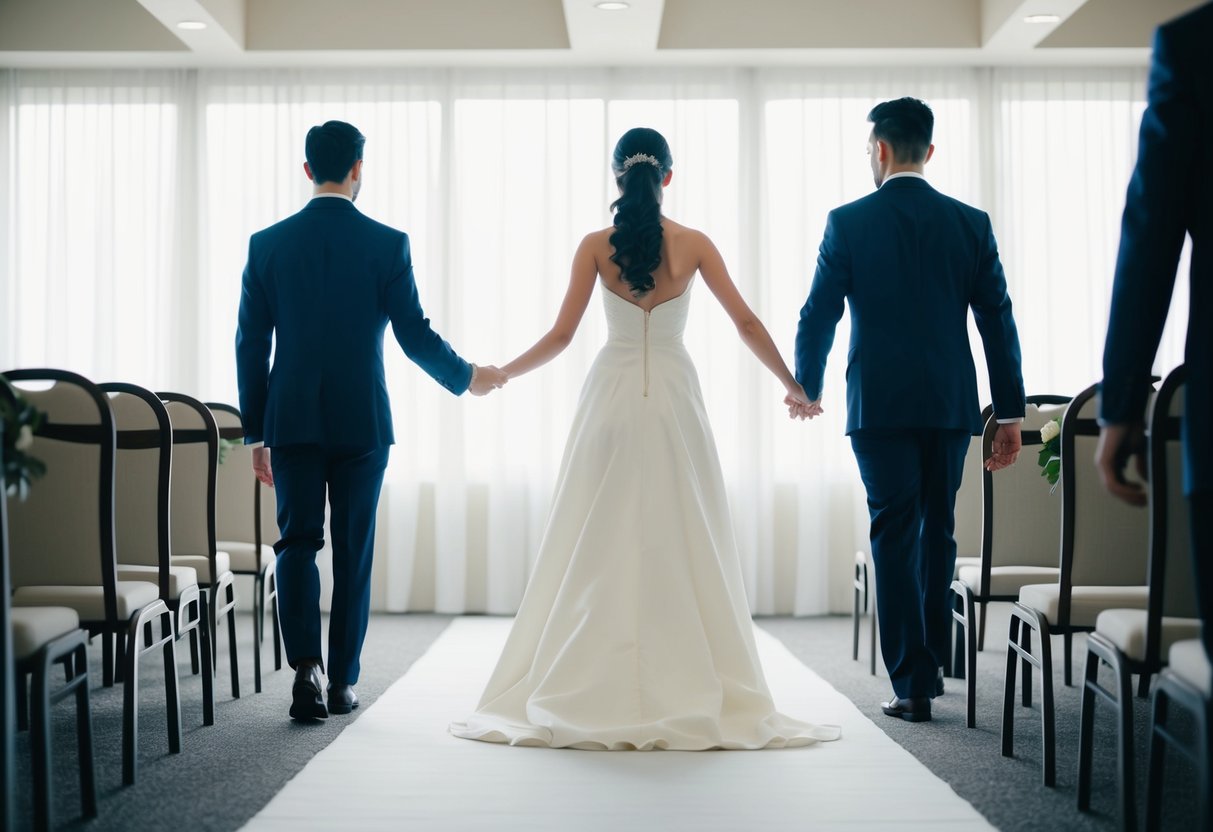
When it comes to who walks down the aisle, your choices have become broader and more personalized. Modern weddings allow for creative decisions that reflect your family dynamics and personal beliefs. You can choose who joins you for this special moment, making it a celebration of love and family.
Who Walks the Bride Down the Aisle?
Traditionally, the father of the bride walks her down the aisle. Yet, many brides choose different companions. You might want your mother, a sibling, or a close friend to join you.
In some cases, walking down the aisle solo is a meaningful choice. This option allows you to make a strong entrance on your own terms. Regardless of the choice, the key is to select someone who makes you feel supported and loved.
Inclusive Alternatives to Traditional Walks
Couples today are embracing inclusive options that break from tradition. For example, in some ceremonies, both parents might escort the bride. This reflects shared family support and unity.
You could also look into having multiple people walk with you. Perhaps a mix of parents and friends can highlight your unique journey. Remember, this moment is about honoring who matters most to you while being true to yourself.
Honoring Step-Parents and Non-Traditional Families
Many modern families include step-parents or other important figures. If a step-parent has played a significant role in your life, consider including them in the procession.
This acknowledgment can add depth to the ceremony. Each family is different, and your aisle walk can reflect that.
Think about the people who have shaped your life, and feel free to include them.
Arranged marriages and nondenominational ceremonies also bring their own set of customs. Adapting your aisle walk to reflect these values can make the day even more special.
Create a moment that feels right for you and your loved ones.