
Does a Mother Walk Her Son Down the Aisle? Exploring Tradition and Modern Choices
As you plan your wedding ceremony, you might wonder about the role of family members in the procession. The mother of the groom often walks her son down the aisle to symbolize support and love. This choice can make the moment even more special and meaningful.
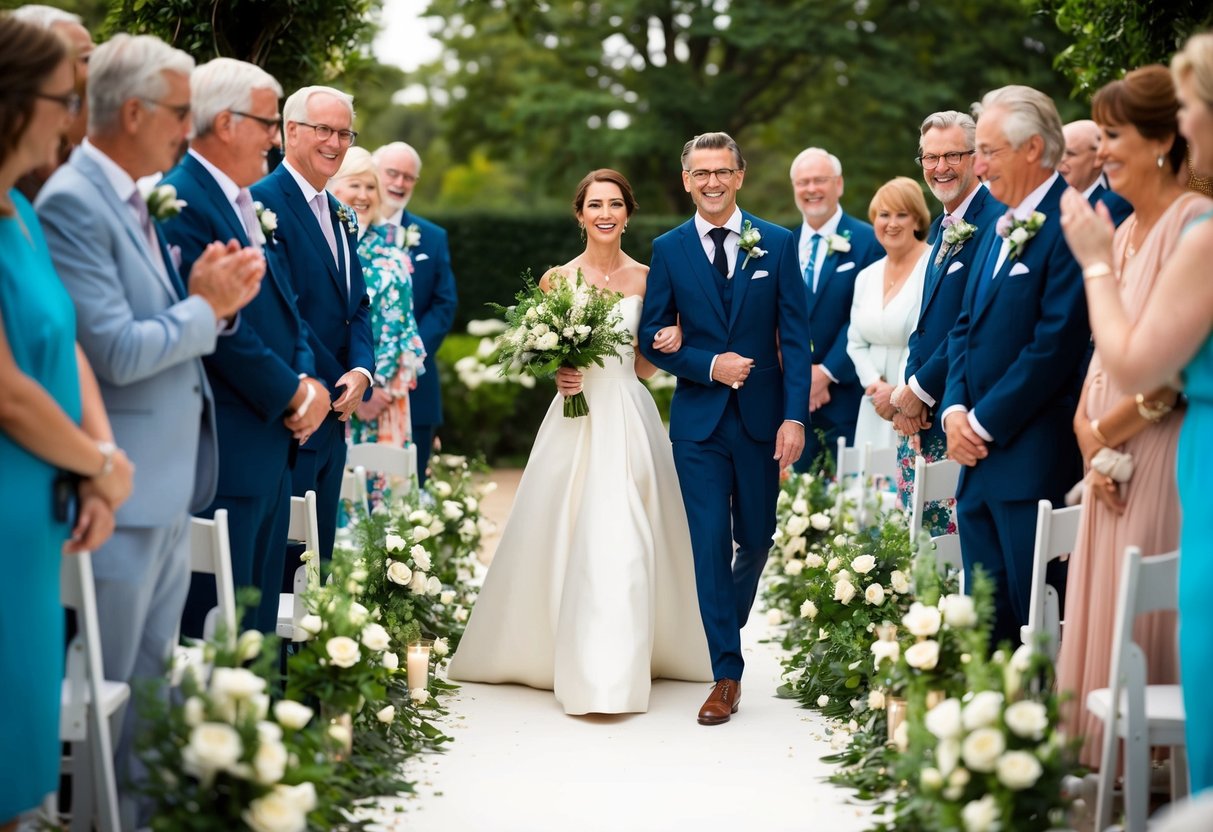
While traditional roles often see the father walking the bride and the mother of the groom walking her son, personal preferences play a significant role in how you design your ceremony. Some grooms choose to walk alone, while others prefer to involve both parents or even include their mother in the procession.
Thinking about these options can help you create a ceremony that reflects your family’s values and your personal wishes. Whether you decide to stick with tradition or add a personal twist, it’s all about what feels right for you and your loved ones.
Traditional and Modern Roles in Wedding Ceremonies
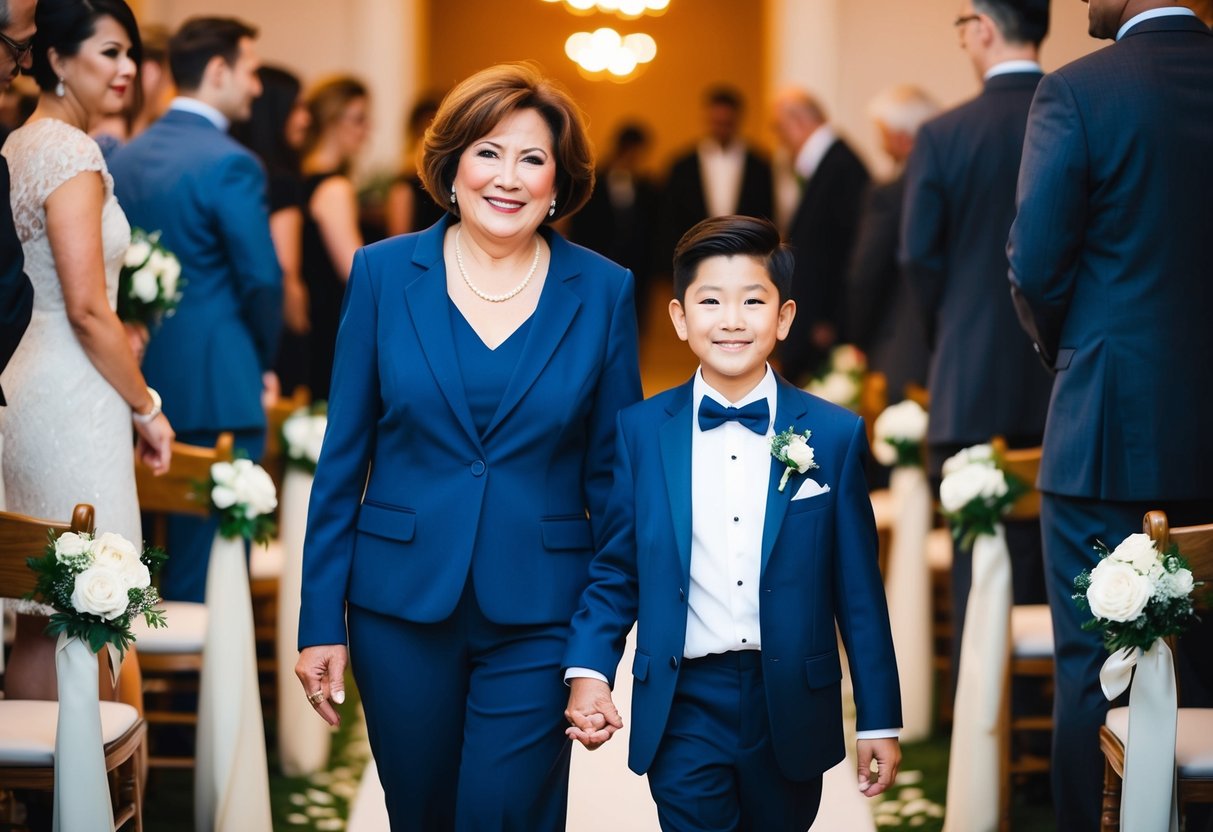
In weddings, the roles of family members can be shaped by cultural traditions and personal choices. Understanding how these roles have evolved helps you appreciate the significance behind them.
Historical Significance of Walking Down the Aisle
Traditionally, the father of the bride walks her down the aisle. This act symbolizes giving away the bride to her new husband. The groom’s parents often play a supportive role, standing alongside their son. In many cases, the bride’s mother may also participate, showing the unity of both families.
Modern weddings reflect more diverse family structures. Some couples choose to have both parents walk the bride, or even allow the bride to walk alone. The groom’s mother might also walk him down the aisle, particularly in more contemporary settings. This shift represents a move toward inclusivity and embracing personal connections over strict adherence to tradition.
Comparing Cultural Wedding Traditions
Wedding traditions vary greatly across cultures. In a Jewish wedding, the groom often waits at the chuppah while the bride walks down the aisle with both parents. This showcases the family’s support and shared responsibility.
In Hindu weddings, the groom typically leads a lively procession known as the baraat. He arrives at the venue with family and friends, signaling a joyous entry into marriage. The bride’s mother might join the groom at the mandap, the sacred altar.
Whether it’s a Christian ceremony or a modern wedding, each tradition adds unique meaning and depth to the celebration. Embracing these differences allows you to craft a ceremony that feels right for you and your loved ones.
The Role of Family Dynamics in Wedding Processions
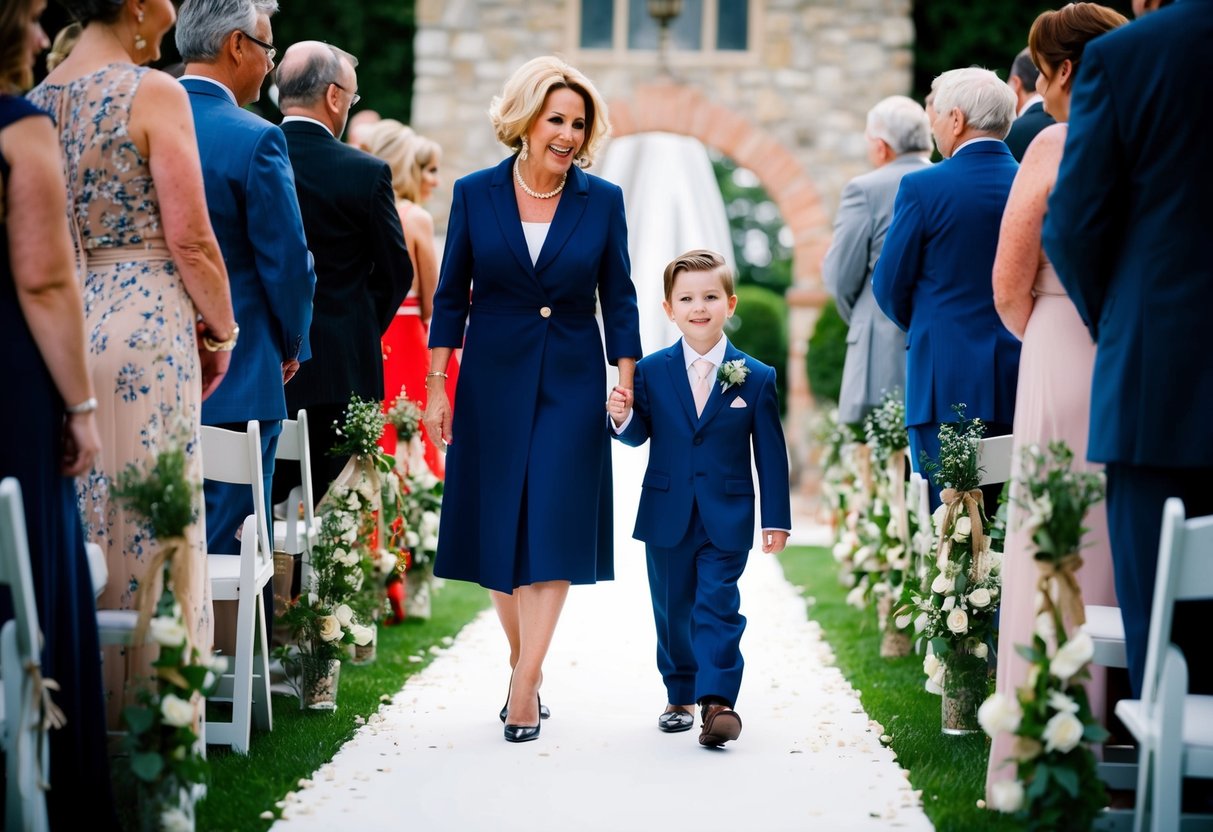
Family dynamics play an important role in how wedding processions are organized. Different family structures, such as remarriages and stepfamilies, can influence who walks where. It’s essential to consider these unique situations to ensure everyone feels included and valued during the ceremony.
Considering Remarried Parents and Stepfamilies
When parents remarry, family trees might look quite different than traditional ones. You might have a mother and a stepmother, or perhaps a father and a stepfather involved. It’s important to communicate openly with all family members about their wishes.
If the bride or groom wants both their mother and stepmother involved, consider having them walk together or in a staggered way. This can create a special moment for everyone. You may also choose to include biological parents in different ways, or even have a close relative step in if needed.
Equality and Inclusivity in Processional Choices
Making the wedding procession inclusive ensures everyone feels acknowledged. Think about letting more than one parent take part in the ceremony. For instance, if you are a groom whose mother is important to you, consider having her escort you down the aisle.
Another idea is to have parents of both sides included equally. This could mean both mothers walking together or alternating parents throughout the procession. These choices celebrate family bonds and respect each relationship’s significance. By tailoring the procession, you create a warm atmosphere that honors all family dynamics.
Planning the Processional: Who Walks When?
Planning the order of your wedding processional is crucial for a smooth ceremony. Each person has a special role, and knowing who walks when helps create a beautiful flow. This section will break down the key players in your processional.
Determining the Order for Your Ceremony
Start by deciding the overall order of your ceremony. A common approach is to have the groom’s parents walk down first, followed by the grandparents. After that, the bride’s mother typically walks down.
Next, it’s time for the wedding party. The bridesmaids usually follow the bride’s mother, paired with the groomsmen. The maid of honor walks last in the group, right before the bride.
Involving Grandparents and Extended Family
Including grandparents in your processional is a lovely way to honor family. Typically, grandparents enter before the parents. They can walk down together or alone with a family member.
Consider special roles for your extended family too. For example, you can invite an aunt or uncle to accompany a grandparent. That ensures everyone feels included and celebrated during this important moment.
The Entrance of the Bridal Party and Groom’s Party
After the family members are seated, it’s time for the bridal party. The bridesmaids walk down the aisle first. They often do this in pairs, leading to a more dynamic entrance.
Following them, the groomsmen accompany them, creating symmetry. The best man walks last on the groom’s side. Finally, the highlight of the processional, the bride enters, often with her father or another close family member.