
Does a Wedding Planner Do Everything for You? Understanding Their Role and Responsibilities
Planning a wedding can be both exciting and overwhelming. As you consider the role of a wedding planner, you might wonder if they really handle everything for you. A full-service wedding planner can take on a majority of tasks, but the level of involvement often depends on your specific needs and how hands-on you want to be in the planning process.
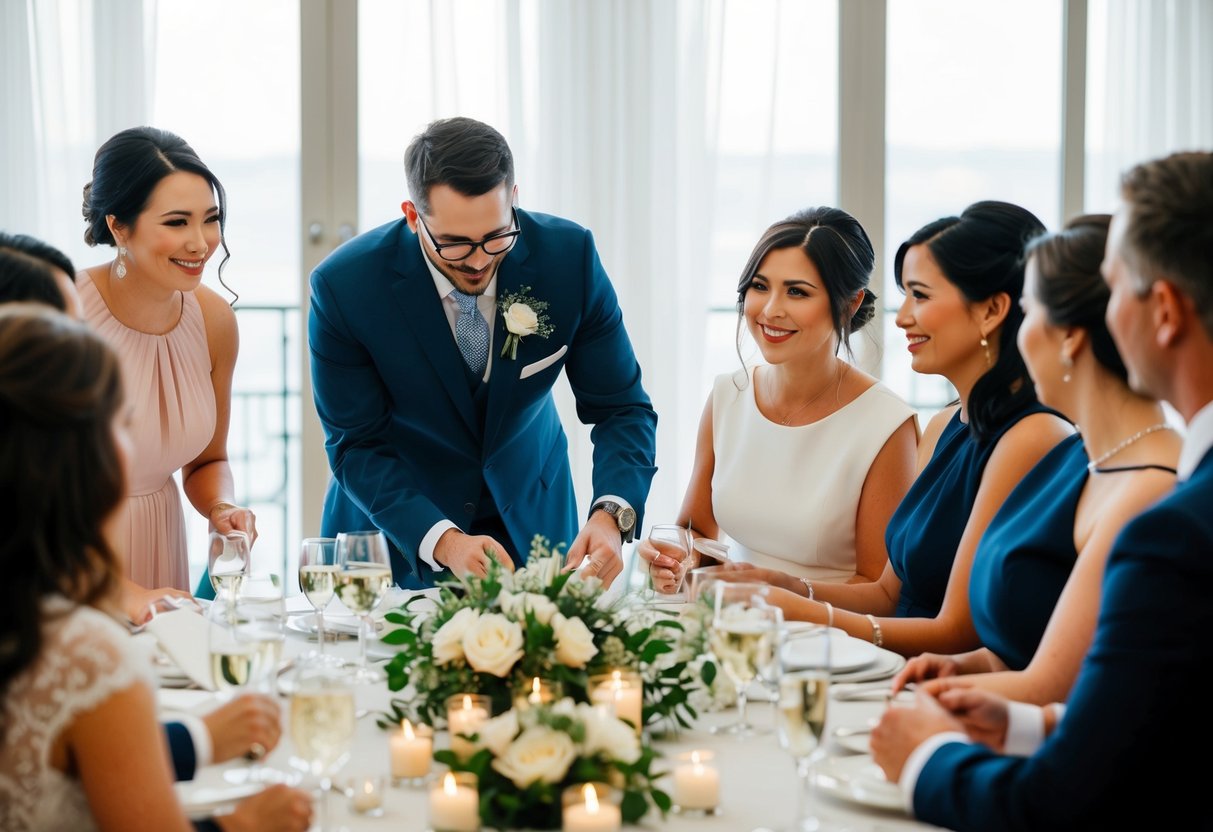
When you hire a wedding planner, think of them as your personal guide through the wedding journey. They can manage everything from venue selection to vendor coordination, helping you stay organized and within budget. You still have the option to take part in key decisions, so you can truly make your wedding unique and personal.
While a wedding planner can do much for you, it’s important to communicate your vision and preferences clearly. This partnership can help ensure that your special day reflects your style and personality, while easing the stress that often comes with planning a wedding.
Understanding the Role of a Wedding Planner
A wedding planner helps you navigate the busy world of wedding planning. They offer various services to make your big day special and stress-free, acting as both a project manager and a financial manager. Here’s what you need to know about their role.
Variety of Services Offered
Wedding planners offer a range of services that can be tailored to your needs. These can include full-service planning, where they handle everything from vendor selection to timeline creation. They can also provide day-of coordination, ensuring everything runs smoothly on your wedding day.
Many planners help with budgeting, negotiating with vendors, and finding the best locations. They can also assist in creating themes and styles that match your vision. Other services might include guest list management, RSVP follow-ups, and more. By hiring a planner, you can focus on enjoying your engagement while they take care of the details.
Project Manager or Financial Manager?
A wedding planner often acts as a project manager, keeping everything organized and on track. They create timelines and checklists to ensure you meet deadlines for tasks like sending invitations and booking vendors.
Additionally, they serve as a financial manager, helping you stick to your budget. They can recommend vendors who fit within your price range and negotiate costs on your behalf. This dual role helps prevent overspending and ensures you get the most value from your investment.
The Planning Process
The planning process with a wedding planner usually starts with a consultation. You discuss your vision, budget, and any specific needs. Afterward, they create a detailed plan outlining each step.
From choosing a venue to selecting flowers, you’ll work together through various stages. A professional wedding planner will guide you through tastings, fittings, and rehearsals. Their expertise ensures that you don’t miss important details, making your planning journey much easier. With their help, you can focus on celebrating your love rather than stressing about logistics.
Pre-Wedding Responsibilities
A wedding planner plays a vital role in the weeks leading up to your big day. They help you organize the many details that come with planning a wedding, including budget management and vendor coordination.
Initial Consultations and Budget Planning
Your wedding planner starts with initial consultations to understand your vision and preferences. This discussion includes everything from the wedding theme to guest count.
Once you share your ideas, they help create a comprehensive wedding budget. This budget will cover all aspects, like venue costs, catering, and decor. They also provide clear estimates so you can see where your money is going. Working together, you can set priorities and make choices that keep your budget in check.
Design and Decor
The design and decor process is where your wedding dreams come to life. Your planner will work closely with you to develop a cohesive theme. This may include color schemes, floral arrangements, and overall aesthetics.
You may also discuss your preferences for the wedding dress and bridal party attire. Your planner can provide recommendations based on your chosen style. They will ensure that all design elements match, creating a beautiful atmosphere for your celebration.
Vendor Selection and Coordination
Selecting the right vendors can feel overwhelming, but your planner simplifies this process. They have established relationships with reliable vendors in catering, photography, and music.
They will present options that fit your style and budget, helping you choose the best ones. Once the vendors are selected, your planner coordinates all communications and schedules. This ensures everyone is aligned and ready for the big day, giving you peace of mind.
The Big Day

On your wedding day, a planner takes charge to ensure everything runs smoothly. They handle last-minute details, oversee day-of management, and work to make your dream wedding a reality. Here’s how they make it all happen.
Finalizing Last-Minute Details
As the wedding day approaches, your planner checks in with all vendors to confirm arrangements. This includes the caterers, florists, and photographers. They ensure everyone arrives on time and knows their roles.
Your planner reviews the wedding day timeline, making adjustments as necessary. They keep track of important elements, like the ceremony start time and the reception activities. This coordination helps prevent any last-minute surprises, allowing you to focus on enjoying your special day.
Day-Of Management
During the wedding, your planner acts as the central point of contact. They manage the timeline and often serve as the day-of wedding coordinator. This means they ensure that everything runs according to the plan, from the ceremony to the reception.
If issues arise, your planner handles them discreetly without bothering you. This allows you to relax and enjoy every moment of your wedding. They make sure that all logistics, such as guest seating and the flow of events, are seamless.
Making Your Dream Wedding a Reality
A wedding planner works closely with you to bring your vision to life. They understand your desires for the ceremony and reception, incorporating key details. From floral arrangements to table settings, your planner ensures every aspect matches your style.
On your big day, their role is to turn your dreams into reality. They coordinate all elements, ensuring that everything reflects your unique preferences. This attention to detail helps create a memorable experience for you and your guests, leaving you with joyful memories.
Post-Wedding and Specialty Planning

Planning for your wedding doesn’t end once the big day is over. There are important steps to take afterward, and for some couples, unique events like destination weddings may need special attention. Here’s what to consider in these areas.
After the Celebration
After the celebration wraps up, there are still tasks to handle. You’ll want to organize details like thank-you notes for gifts received. It’s polite to send these notes within three months after your wedding.
Consider hosting a rehearsal dinner or an after-party for close friends and family. This can be a nice way to celebrate once more and share special moments from the big day. If you’re interested in expanding your skills, wedding planning courses can teach you more about these elements and assist with future events.
Destination Weddings and Unique Venues
Destination weddings let you celebrate in a beautiful, unique setting. If you’re planning a luxury destination wedding, a planner who specializes in these events can be very beneficial. They can handle logistics like travel arrangements and venue selection, so you can focus on enjoying your day.
Unique venues, such as a historic estate or a beach resort, can enhance the wedding experience. Your wedding planner can help find the perfect spot and navigate any venue-specific requirements, making the process smoother. This way, you can create memorable experiences for you and your guests.