
Does a Woman Buy a Man a Wedding Ring? Exploring Modern Engagement Traditions
When it comes to who buys a man’s wedding ring, the answer has evolved over time. Traditionally, women bought their partner’s wedding band. This reflected changing values and shared responsibilities in relationships. This shift is significant as it shows how modern couples are redefining traditional roles to emphasize unity and partnership.

Many couples today appreciate the idea of both partners contributing to their wedding jewelry. This decision adds personal meaning to their rings and strengthens their bond. As you explore the question, you’ll discover various viewpoints on this topic, from traditional practices to contemporary choices that align with your values.
Understanding who buys the man’s wedding ring can help you navigate this important part of wedding planning. Whether you choose to follow tradition or create your own custom, knowing your options can lead to a more meaningful exchange as you prepare for your special day.
Historical Context of Wedding Band Traditions
Understanding the history of wedding band traditions helps illuminate how customs have changed over time. These traditions have been shaped by cultural backgrounds and gender roles, influencing who buys the rings.
Evolution of the Tradition
Wedding rings have a rich history that dates back thousands of years. Initially, these rings were simple bands that symbolized commitment. Ancient Egyptians used braided reeds for this purpose. As cultures evolved, so did the materials and designs.
In medieval Europe, wedding bands became more common among the wealthy. They often featured intricate designs and gemstones. By the 12th century, the church began recognizing the significance of wedding rings, adding religious meaning to this tradition.
As time progressed, the tradition of giving engagement rings also emerged. This shift demonstrated a move towards more visible symbols of love and commitment, celebrating both partners’ roles in marriage.
Gender Roles and Wedding Rings
Traditionally, gender roles have influenced who buys wedding rings. In many cultures, it has been expected that women purchase men’s wedding bands, while men buy engagement rings for their partners. This division reflects historical views of courtship and partnership.
Cultural backgrounds play a significant role in these traditions. In some societies, the groom’s family is responsible for providing a wedding ring. This practice can show familial support and responsibility towards the marriage.
Today, these roles are evolving. More couples are discussing responsibilities openly and making joint decisions about purchasing rings. This change highlights a shift towards equality in relationships, where both partners can express their love through shared choices.
Modern Attitudes Toward Wedding Band Purchase
Today’s couples are redefining wedding band purchases. Shifting gender roles and a focus on shared responsibilities reflect modern values in relationships. You might find that personal preferences and equality in partnerships play crucial roles in this decision-making process.
Revisiting Gender Norms
As traditional norms evolve, many people are questioning who should buy wedding bands. In the past, the groom or his family often paid for the bride’s ring, while the bride’s family took care of the groom’s. Now, this expectation is changing.
You may choose to break from these norms. Many women feel empowered to buy their partners’ rings, representing a shift toward equality in modern weddings. This choice often stems from personal values that prioritize the couple’s mutual commitment rather than sticking to outdated societal expectations.
Egalitarian Approaches in Relationships
An increasing number of couples today adopt an egalitarian approach to purchasing wedding bands. This means that both partners may share the financial responsibility for buying the rings. You might decide to split the cost or even shop for rings together.
This shared responsibility strengthens your partnership and fosters open communication. By doing this, you acknowledge that both individuals play important roles in the relationship. It also reflects a balance in financial contributions that many modern couples find appealing, aligning with their values of equality and collaboration.
Practical Considerations When Buying a Man’s Wedding Ring
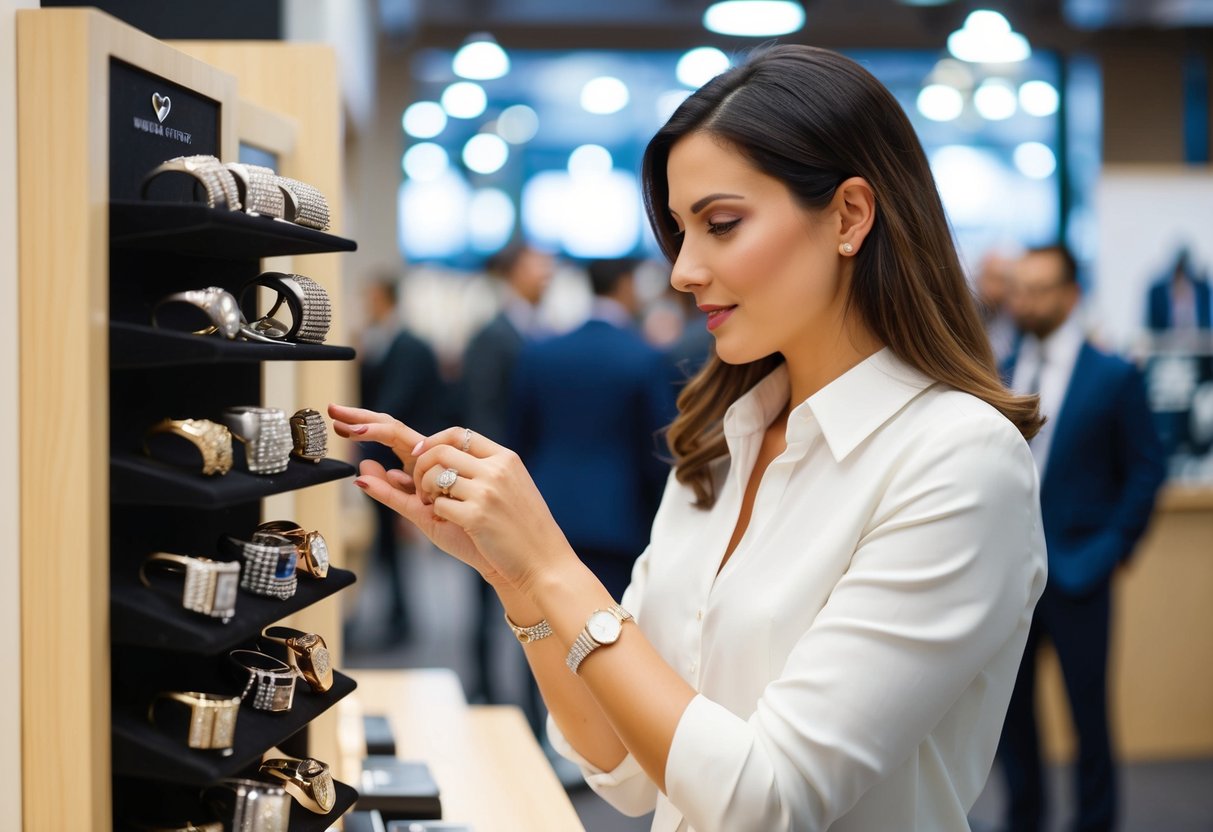
When you decide to buy a man’s wedding ring, there are important factors to think about. This includes finding the right ring size and understanding his preferences. It’s also essential to consider the financial aspects, such as budgeting and who will cover the costs.
Determining Ring Size and Preferences
Getting the right ring size is crucial. A ring that’s too tight can be uncomfortable, while one that is too loose might fall off.
To determine his size, you can discreetly borrow one of his rings. If that’s not possible, ask friends or family for help. Many jewelry stores also offer free sizing.
Next, consider his style. Does he prefer classic, modern, or unique designs? Look at his other accessories for clues. Think about materials, too, such as gold, silver, or platinum. Some men like rings with gemstones or engravings. Whatever his preferences, make sure the ring feels personal to him.
Navigating Financial Responsibilities
Discussing financial responsibilities can feel tricky, but it’s important. Today, many couples choose to share wedding expenses, including the man’s ring.
You might split the cost or take turns buying each other’s rings. Setting a clear budget can help. Make a list of what you both can spend. This way, you can narrow down options that fit within your financial plan.
Don’t forget to factor in other wedding expenses. Rings can vary widely in price. Be sure to discuss this openly so both of you feel comfortable with the investment. This approach fosters a sense of teamwork and understanding in your relationship.
Cultivating Open Communication and Decision-Making

Open communication is key when discussing important decisions like wedding rings. Engaging in honest conversations can help you and your partner feel understood and connected. By sharing your thoughts and values, you strengthen your commitment to each other while navigating choices together.
Importance of Dialogue Between Partners
Having open dialogue helps you both express your feelings about the wedding process. It allows you to discuss your ideas on what wedding rings represent for you. For some, it’s a symbol of love, while others may focus on cost or style.
Establishing trust is vital. When you feel safe sharing your opinions, it encourages more meaningful discussions. You can talk about wedding ring etiquette, including who traditionally buys the rings and if those traditions fit your relationship. This conversation can lead to mutual understanding and decisions that honor both of your perspectives.
Deciding Who Buys the Wedding Bands
The decision about who buys the wedding bands often varies based on the couple’s values and financial situation.
It’s essential to discuss your preferences openly. Some couples choose to split the costs or buy the rings together, making it a shared experience.
Discussing expectations early on can prevent misunderstandings.
Ask each other questions like, “How do you feel about buying the rings together?” or “What are your thoughts on traditional settings?”
By talking through these decisions, you create a plan that respects both partners’ wishes, making the purchase more meaningful.