
What Is the Groom’s Family Responsible For? Key Roles and Traditions Explained
When planning a wedding, you might wonder about the role of the groom’s family. Traditionally, the groom’s parents are responsible for several key expenses. These include the groom’s attire, the rehearsal dinner, and even gifts for the groomsmen. Understanding these responsibilities can help you navigate conversations with your family and your fiancé’s family.
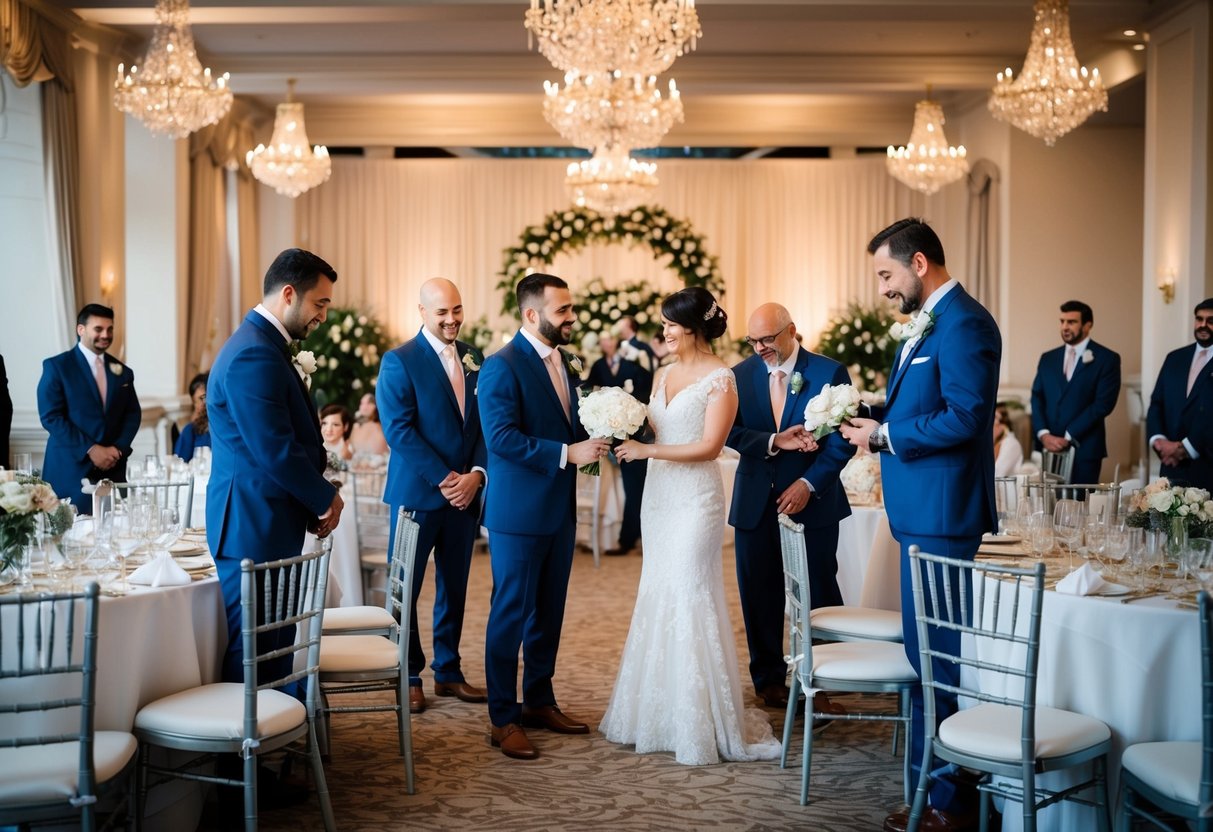
Getting on the same page early can make wedding planning much smoother. Talk to the groom’s parents about what they are willing to contribute and what family traditions they may want to uphold. This open dialogue can ease any financial stress and ensure that everyone feels included in the planning process.
As you dive deeper into the details of your wedding, keep in mind how important these traditions can be. Each family has its own way of doing things, and knowing the groom’s family’s responsibilities can help you blend those traditions nicely with your own.
Pre-Wedding Contributions
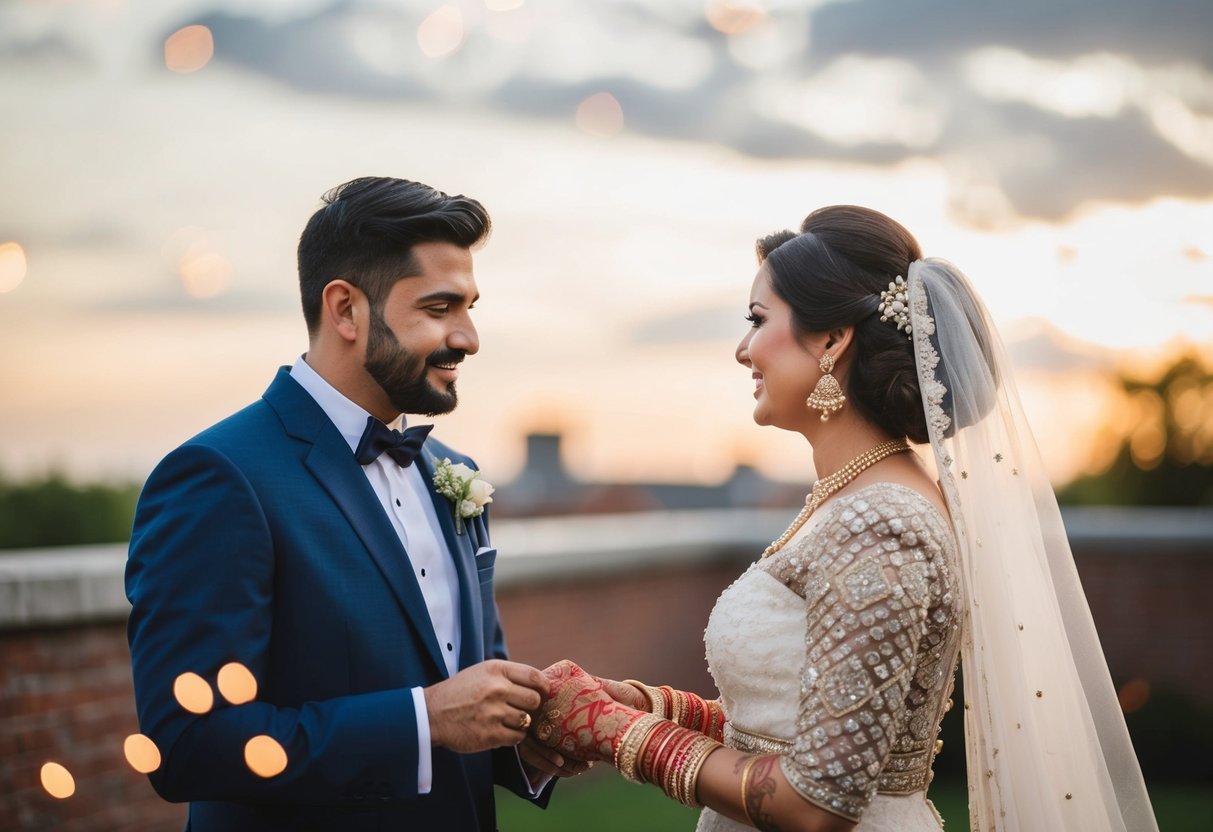
The groom’s family plays an important role in several pre-wedding activities. This includes hosting the engagement party, planning the rehearsal dinner, and participating in the bridal shower. Each event helps set the tone for the upcoming wedding and shows support for the couple.
Hosting the Engagement Party
As the groom’s family, you might host the engagement party. This event celebrates the couple’s decision to marry and allows friends and family to come together. It’s usually a more informal gathering.
When planning this party, consider choosing a location that suits your budget and the couple’s style. You can opt for a home setting or a rented space. Prepare simple refreshments or coordinate with a caterer.
Inviting guests can involve sending invitations or organizing a casual announcement. Encourage the couple to help with the guest list. This way, everyone important to them will feel included.
Planning the Rehearsal Dinner
The rehearsal dinner often falls to the groom’s family as well. This event occurs after the rehearsal and is a great way to thank the wedding party. It gives everyone a chance to relax before the big day.
You should decide on a budget first. This will guide your choices. Whether it’s a fancy dinner at a restaurant or a cozy gathering at home, make sure it reflects the couple’s preferences.
The dinner can include speeches and toasts to honor the couple. This is a nice touch and can create lasting memories. Be sure to communicate with the bride’s family about any shared contributions.
Participation in the Bridal Shower
While the bridal shower is often hosted by the bride’s friends, the groom’s family can play a role too. You can help plan or contribute to the shower by coordinating with the bride’s family and friends.
Offering assistance with decorations, purchases, or food is a great way to support the event. If you’re close to the bride, you might even host a small gathering to celebrate her.
Encourage your family to join in and support the bride. This will strengthen ties between both families and show everyone’s excitement for the couple’s future together.
Financial and Planning Responsibilities
When planning a wedding, the groom’s family has specific financial and planning roles to support the couple. These responsibilities help ensure that everything runs smoothly and fits within the desired budget.
Contributing to the Wedding Budget
The groom’s family typically contributes to the wedding budget in various ways. Tradition often sees them covering specific expenses, such as the rehearsal dinner and engagement party. These costs can add up, so it’s important to discuss early on how much you can contribute.
Create a list of expected expenses that your family can help cover. This may include flowers, transportation, or even parts of the reception. Open communication can help manage expectations and prevent any surprises later in the planning process.
Assisting with the Guest List and Invitations
Your family’s involvement in the guest list is another key responsibility. The groom’s parents usually help identify and invite relatives or family friends who should attend. This sometimes means providing names and addresses for invitations.
When determining the guest list, balance is essential. You want to include everyone important but also keep the numbers manageable. Discuss with both families to combine lists and settle on a final count that aligns with the venue’s capacity.
Sharing in Wedding Costs
Sharing costs is a significant part of the groom’s family’s role. Traditionally, they might cover particular items, like the groom’s attire and personal flowers, including the bride’s bouquet and boutonnieres.
Make a detailed list of all wedding expenses and assign who will pay for what. Decide together what is comfortable for everyone, ensuring that contributions feel fair. This method eases the financial burden and enhances teamwork in planning the wedding.
Wedding Day Roles
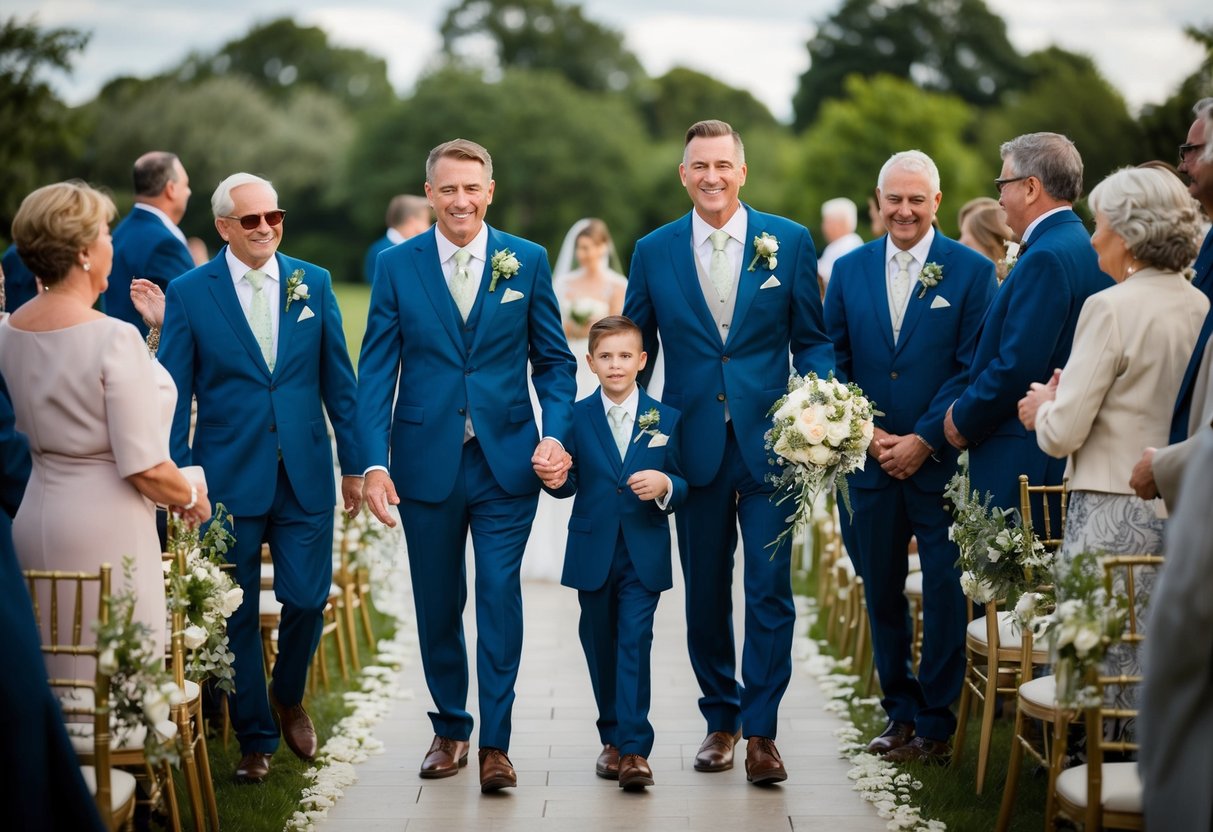
On the wedding day, the groom’s family plays important roles that help everything run smoothly. These responsibilities include providing the groom’s attire, offering personal flowers, and facilitating transportation.
Providing the Groom’s Attire
It’s essential for the groom to look his best on the big day. As part of your role, you should help select and arrange the groom’s attire, which typically includes a suit or tuxedo. You can work with the groom to choose an outfit that matches the wedding’s theme.
Make sure that the groom has everything ready. This includes the jacket, pants, shirt, shoes, and tie. Also, ensure that all items are fitted and pressed beforehand. Checking accessories like cufflinks and pocket squares can add a personal touch. It’s important to coordinate with the bridesmaids to complement their attire while ensuring the groom stands out.
Offering Personal Flowers
Flowers are a big part of the wedding day and help add charm to the event. One of your responsibilities is to select and provide the groom’s personal flowers, such as his boutonniere. The boutonniere typically matches the bride’s bouquet.
You should also consider offering corsages for mothers or other key female family members. This thoughtful gesture can make them feel special and included. Be sure to discuss flower options with the couple. Choosing flowers that hold personal meaning for them can make their day even more memorable.
Facilitating Transportation
Transportation on the wedding day is crucial. You’ll need to ensure that the groom and the wedding party have reliable transportation to the ceremony and reception. Organizing this can reduce stress and keep everyone on schedule.
Consider hiring a limousine, classic car, or other vehicles that fit the couple’s style. Make sure to confirm the arrival times and routes ahead of time. Additionally, it can be helpful to arrange travel for guests who may need assistance. This ensures everyone arrives comfortably and on time, allowing the celebration to go off without a hitch.
Post-Wedding Responsibilities
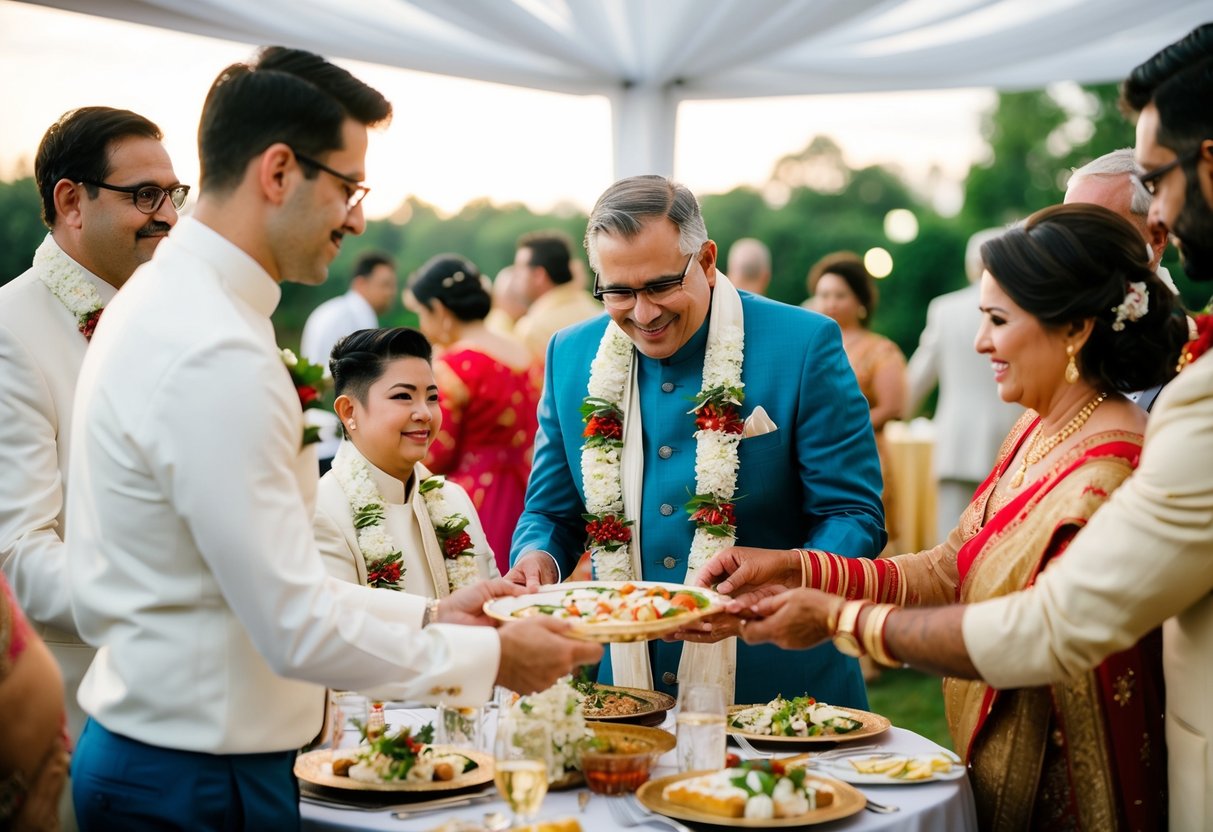
After the wedding, the groom’s family plays an important role in supporting the couple as they transition into married life. This includes helping with the honeymoon and possibly hosting a welcome party or reception. Here’s what you need to know.
Assisting with the Honeymoon
The groom’s family can offer financial support for the honeymoon. This may include covering specific costs like travel expenses, lodging, or meals. Discuss with the couple how much assistance you can provide, as honeymoon costs can add up quickly.
Consider gifting experiences, like a romantic dinner or an adventure activity. Personal touches enhance the trip and show your support. Make sure to keep communication open. Talking about expectations can prevent any misunderstandings.
Hosting the Welcome Party or Reception
Many couples choose to have a welcome party or reception after the wedding, especially for guests who traveled long distances. If you decide to host, it’s a great opportunity to celebrate together.
Coordinate details such as venue, food, and drinks. Creating a fun atmosphere is key. If there’s a budget, prioritize items like reception alcohol and catering. You could also ask the mother of the bride for input or help with arrangements.
Keep your guest list in mind. Making everyone feel included can make the event memorable. Being involved in this way strengthens family ties and shows love for the newlyweds.