
Does a Woman Buy the Man a Wedding Band? Exploring Modern Marriage Traditions
When it comes to wedding traditions, questions often arise about who buys the wedding bands. Traditionally, the woman may buy the man’s wedding band, but this can vary based on personal choices and modern customs. As couples navigate their commitments, they may decide to share the responsibility of purchasing rings or even choose their own.

Societal norms and gender roles have evolved over time, leading many couples to rethink who pays for wedding rings. You might find that some women prefer to buy their partner’s band, while others stick to more traditional arrangements. Ultimately, the decision comes down to what feels right for you and your partner.
Understanding these choices can help you both feel more connected to your commitment. Whether you follow tradition or create your own path, it’s all about reflecting your unique relationship. Your wedding band will symbolize your love and commitment, regardless of who makes the purchase.
Exploring Wedding Band Traditions
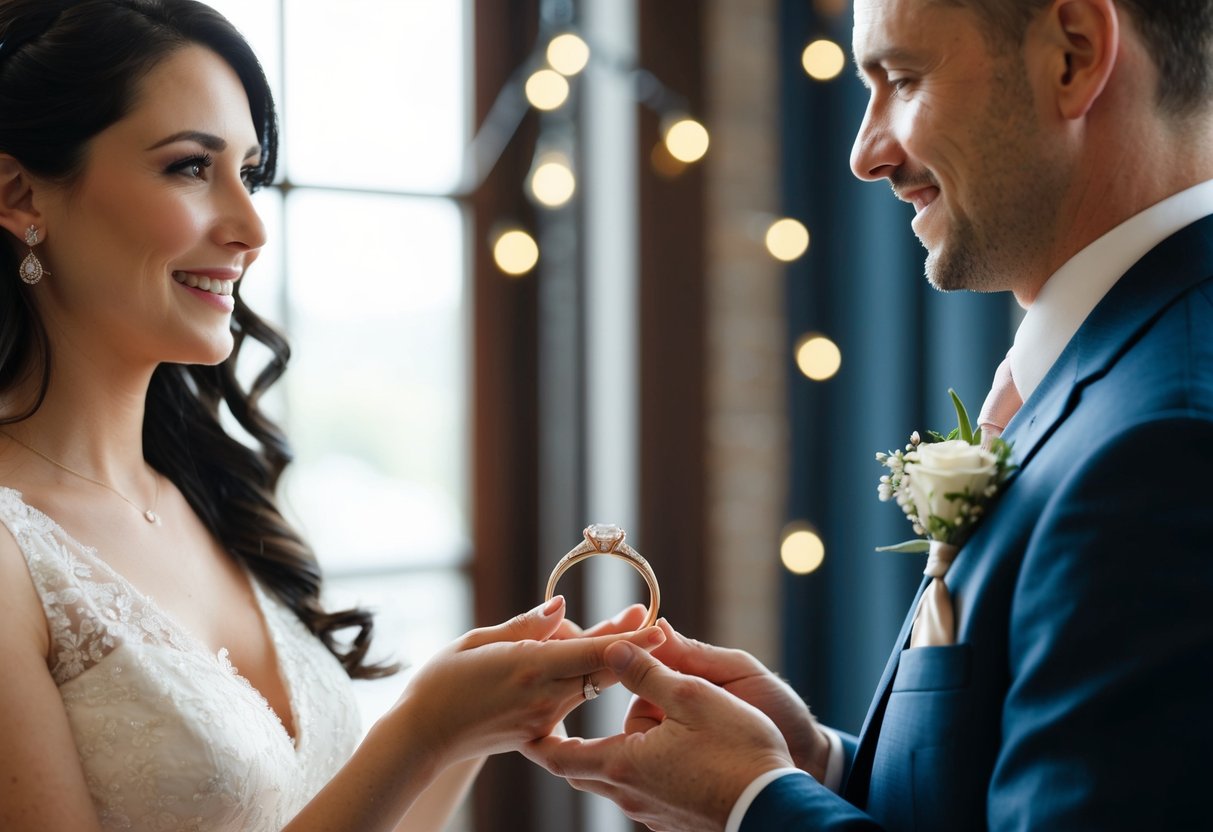
Wedding band traditions reflect changing values and societal norms over time. Understanding these traditions helps you navigate choices surrounding wedding rings today.
Historical Context of Wedding Bands
Historically, wedding bands have symbolized commitment and love. In many cultures, traditional norms suggested that the groom would buy the bride’s wedding ring. This reflected the idea that men were the providers and women were the caretakers.
The groom’s wedding ring was often simpler, focusing on practicality. It showed his readiness for marriage and family life. The use of metal bands became popular due to their durability.
In some cultures, wedding bands were exchanged during the ceremony, signifying the union of two people. This practice continues today, adding deeper meaning to the rings you choose.
Modern Interpretations and Gender Roles
Today, wedding ring traditions have evolved. Many couples now approach purchases as a shared responsibility. This change reflects modern values around gender equality and teamwork in relationships.
You might choose to buy your partner’s ring as a personal gesture. Alternatively, some couples prefer to select their own rings. Communication is essential in deciding who buys what.
With societal norms shifting, independent women often feel empowered to purchase their partner’s band. This choice highlights a partnership built on mutual respect and support. Couples are encouraged to discuss their preferences and values openly.
Financial Aspects and Buying Decisions
When planning for wedding bands, understanding who covers the costs and considering financial factors can help you and your partner make informed decisions. These aspects can vary based on personal preferences and individual situations.
Who Covers the Cost?
Traditionally, the bride typically buys the groom’s wedding ring. However, this custom is changing. Many couples prefer to share costs equally. This helps promote fairness in their partnership.
It’s normal for couples to discuss how to split expenses for wedding bands. Each partner can contribute a certain amount, which makes the decision-making process smooth. Some couples may even decide to buy each other’s rings as mutual gifts, focusing on what feels right for their relationship.
Financial Considerations for Couples
Budgeting for wedding rings is essential. You should start by determining how much you can spend on each band without stretching your finances.
Consider these points:
- Total wedding expenses: Factor in all costs, including the venue, catering, and rings.
- Personal preferences: Decide if you want simple bands or more elaborate designs.
- Emergency fund: Ensure you both still have savings for unforeseen costs after buying the rings.
By openly discussing money and priorities, you can find a comfortable solution that reflects both your styles and values.
Choosing the Perfect Rings
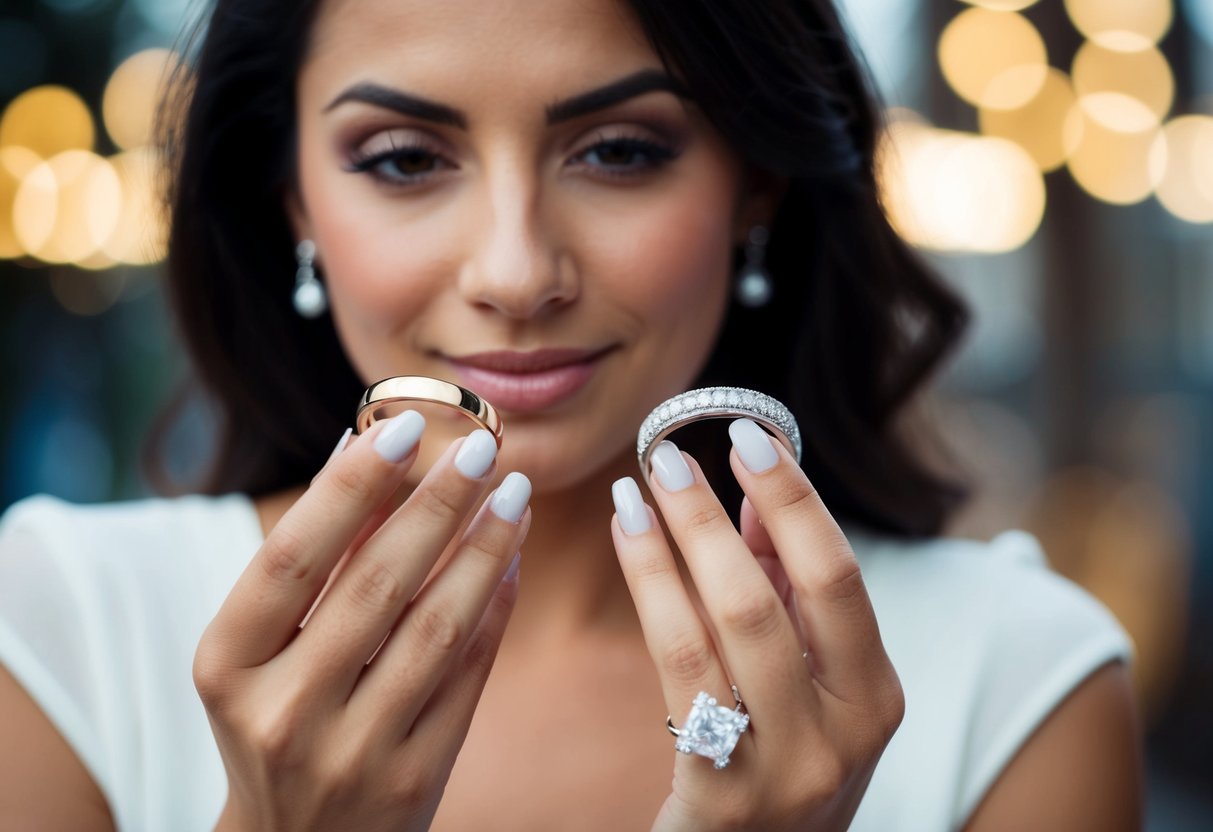
Selecting the right wedding rings is a significant part of your journey together. This choice reflects your love and commitment while ensuring that both of you feel special. It’s essential to consider preferences, communication, and individuality during this process.
Understanding Ring Preferences
Before shopping, take time to discuss your ring preferences. Each of you may have different tastes when it comes to style, metal, and design.
Many couples prefer traditional options like gold or platinum. Others choose unique designs that reflect their personalities. Understanding your style can help you find rings that represent your partnership.
Don’t forget about ring size. Make sure to measure accurately to avoid resizing later. Checking with a jeweler can provide guidance. This process can build excitement and ensure that both of you get what you truly want.
The Importance of Open Communication
Open communication is key when choosing wedding bands. Each of you might have specific ideas about what your ring should symbolize.
Sit down and share your thoughts. Discuss what materials and designs you love. This can help you find common ground and make the shopping experience smooth and enjoyable.
Listening to each other’s opinions fosters a deeper connection. This collaborative effort shows respect for each other’s preferences, reinforcing your partnership. It’s not just about the rings but also about the journey you take together.
Matching Bands and Individuality
When selecting wedding rings, many couples consider matching bands. This can express unity and shared commitment. However, it’s equally important to honor individual styles.
You might want to choose rings that complement each other while reflecting your unique personalities. Think about factors like design, metal choice, and engravings.
Visiting a jewelry store together can provide inspiration. Many stores offer custom options to create matching bands that still feel personal. Balancing the look of your rings with your personal preferences is important to ensure you both feel connected and proud to wear them.
Ceremonial Significance of Wedding Bands
Wedding bands are more than just beautiful pieces of jewelry. They carry deep meanings during the wedding ceremony and symbolize unity and love between partners. Understanding their significance can enhance your appreciation of this cherished tradition.
Exchange of Rings During the Ceremony
The exchange of rings is a pivotal moment in the wedding ceremony. It marks the official commitment of both partners to each other. During this ritual, you place the ring on your partner’s finger, often accompanied by heartfelt vows.
This moment is not just about the ring; it’s about the promise symbolized by the exchange. Each ring represents the unique bond you share. As you exchange these bands, you embody love, trust, and loyalty, which are vital in a marriage.
This simple act has been part of wedding traditions across cultures for centuries. It serves as a lasting reminder of the vows made on your special day.
Unity and Sentiment Embodied in Wedding Bands
Wedding bands are powerful symbols of unity, representing the connection between you and your partner. When you wear them, they remind you of your commitment to one another, even through life’s challenges.
The design of the rings often holds sentimental value, reflecting your personalities and shared experiences. Whether it’s a simple band or one adorned with stones, each choice carries a story.
Moreover, the circular shape of the rings symbolizes eternity. There is no beginning or end, which beautifully represents your ongoing love. This sentiment adds depth to the significance of wearing wedding bands, making them treasured pieces for years to come.