
Does Bride or Groom Go First in Ceremony? A Guide to Wedding Traditions
Choosing who walks down the aisle first during your wedding ceremony is a question many couples ponder. In traditional weddings, the bride typically walks first, signifying her important role in the ceremony. However, this can vary based on personal preferences, cultural traditions, or the type of ceremony you are planning.
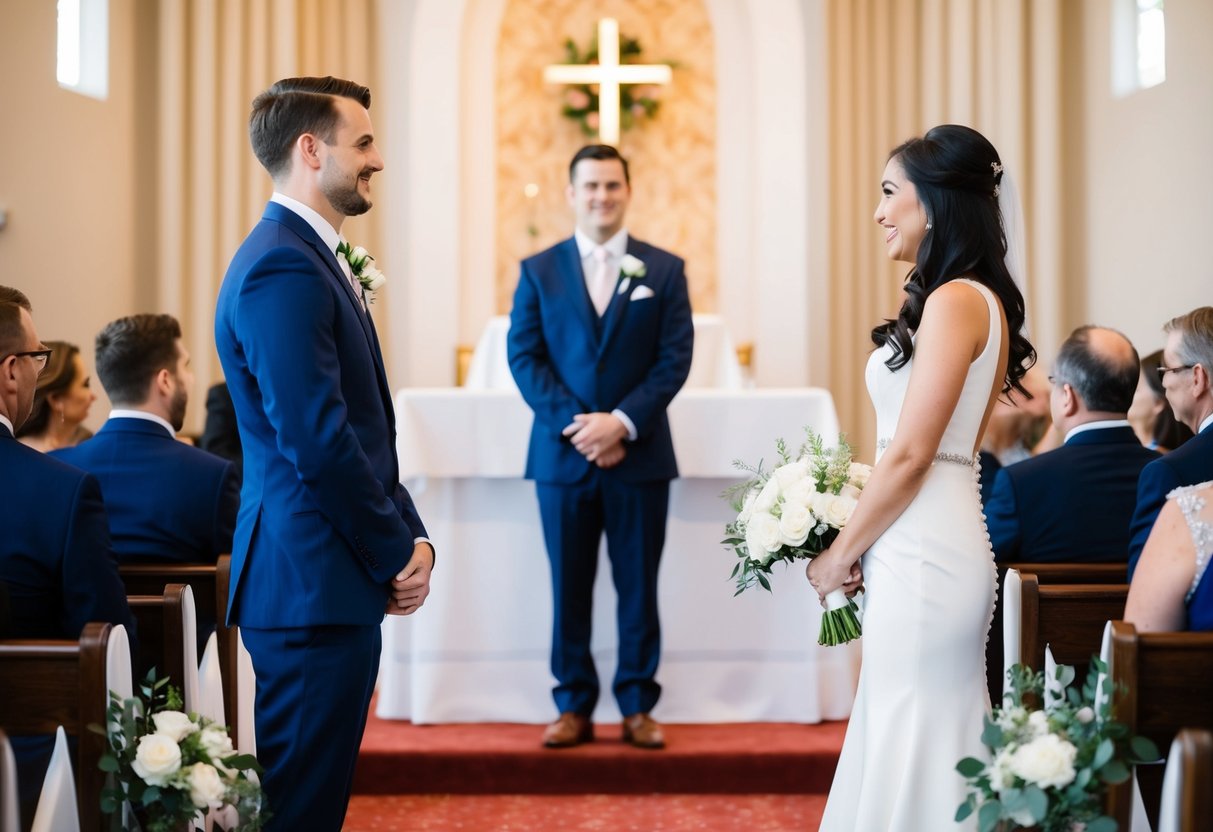
For some couples, especially in non-religious settings, the order may be adapted to fit their unique style. You might decide to walk together or even have the groom enter first, showcasing your individual approach to wedding planning. Remember, there are no strict rules, so feel free to make the choice that feels right for you both.
Order of the Wedding Processional
The order of a wedding processional can vary based on tradition, culture, and personal preference. Knowing the typical processional order helps you plan your special ceremony effectively.
Understanding the Processional
The wedding processional sets the stage for your ceremony. It marks the entrance of key people, leading to the moment when you and your partner exchange vows. This moment is filled with emotion and significance.
Typically, the processional begins with the officiant and the groom. Next, family members like parents, grandparents, and the wedding party follow. The bride usually makes her entrance last, showcasing her importance on the big day.
Traditional Wedding Processional Order
In traditional ceremonies, the order usually follows certain patterns. In a Christian wedding processional, the officiant, groom, and best man often enter first. After them, family members take their places, often with the bride’s family seated on the left and the groom’s family on the right.
In Jewish weddings, the processional may include both sets of parents walking together, followed by the bridesmaids and the bride. Meanwhile, a Hindu wedding processional often features a lively display, where the groom might arrive on a horse, followed by the bridal party.
Modern Variations in Processional Orders
Contemporary weddings often allow you to personalize the processional order. Many couples choose to have a nondenominational wedding processional that reflects their unique style. You might opt for fun twists, like having close friends walk together or include pets in the processional.
Depending on your cultural traditions, you can mix and match elements from different backgrounds. The key is to create a processional that feels meaningful to you and your partner, ensuring a memorable start to your ceremony.
Roles and Responsibilities
In a wedding ceremony, each participant has a specific role that contributes to the flow and meaning of the event. Knowing these responsibilities will help ensure that everything goes smoothly on your special day.
The Role of the Officiant
The officiant is a key figure in your wedding. This person is responsible for leading the ceremony and making it official. They will guide you through the vows and ensure that all legal requirements are met.
You’ll want to choose someone who reflects your values and style. The officiant may also include personal touches, like sharing stories about you as a couple. This adds warmth and emotion to the ceremony.
During the ceremony, the officiant will speak to all guests, setting the tone for the event. Their presence and words create an atmosphere of love and celebration.
Duties of the Wedding Party
Your wedding party consists of important friends and family who support you on your big day. The maid of honor assists the bride, helping with details like dress and bouquet. The best man is there for the groom, taking care of tasks such as holding the rings.
Bridesmaids and groomsmen also play roles in the ceremony. They walk down the aisle, stand with you, and may give speeches at the reception. Communication is key, so make sure everyone knows their responsibilities ahead of time.
This support not only takes some load off your shoulders but also enhances the joy of the day. With their help, you can focus on celebrating your love.
Family Members’ Participation
Family plays an essential role in your wedding ceremony. Traditionally, the father of the bride walks her down the aisle. This moment signifies the giving away of the bride, a cherished tradition.
The mother of the bride often helps with planning and may participate in the ceremony, showing her support. Groom’s parents also have roles, sometimes lighting unity candles or giving blessings. Grandparents may be honored by being seated in special places.
Each family member’s presence adds significance and warmth. Their involvement helps you create lasting memories and emphasizes the bonds that make your day special.
Key Ceremony Elements
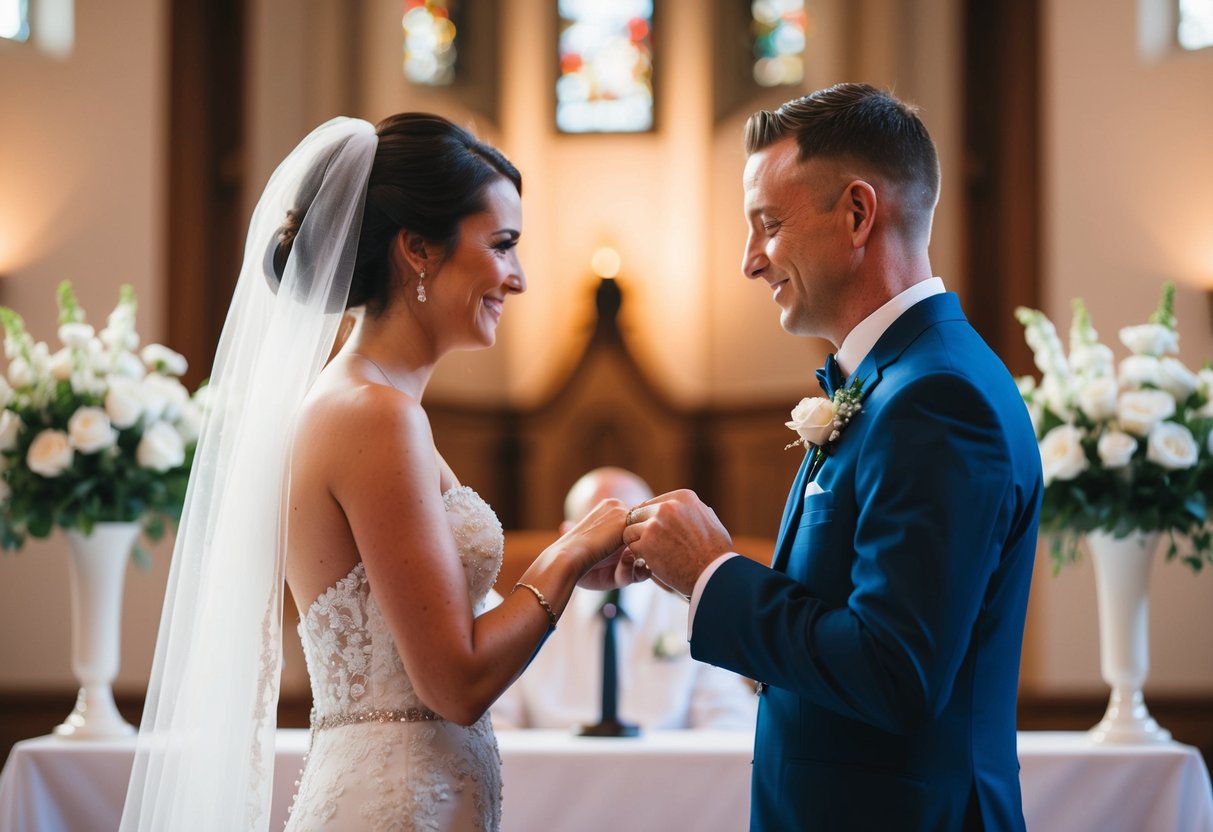
When planning a wedding, understanding the key elements of the ceremony is essential. Each part plays a role in creating a memorable experience for you and your guests. Here are some important elements to consider.
Exchange of Vows and Rings
The exchange of vows and rings is a central part of any wedding ceremony. This is the moment when you and your partner express your love and commitment. You can choose traditional vows or write your own to make it more personal.
When you exchange wedding rings, it symbolizes your everlasting bond. A ring bearer often carries the rings, adding a sweet touch to the moment. Make sure to remind your ring bearer about this important task.
Special Religious or Cultural Rituals
Many couples incorporate religious or cultural rituals into their ceremonies. If you choose a chuppah, for example, it represents your shared home and family. In Hindu weddings, the mandap serves as a sacred space for the couple.
Other rituals, like the baraat or unity ceremony, emphasize the joining of two families. The seven promises of marriage or Saptapadi can also add depth to your ceremony. Be sure to discuss these traditions with your partner to honor your backgrounds.
The Significance of the First Kiss and Recessional
Your first kiss as a married couple is a significant moment. It marks the transition from the ceremony to your new life together.
This is a time for celebration, so make it special!
After the kiss, you’ll enjoy the recessional. This is when you and your partner walk back down the aisle, often accompanied by the flower girl and ring bearer.
Make sure to take a moment to soak in the joy and excitement from your guests.
These elements combine to create a meaningful experience that reflects your love and commitment. Each part is an opportunity to celebrate your unique relationship.