
Does Everyone Do a Wedding Rehearsal? Understanding the Importance and Tradition
Planning a wedding can be both exciting and overwhelming. One common question that comes up is whether everyone needs to attend the wedding rehearsal. The answer is no. Not every couple feels a rehearsal is necessary, especially for smaller weddings.
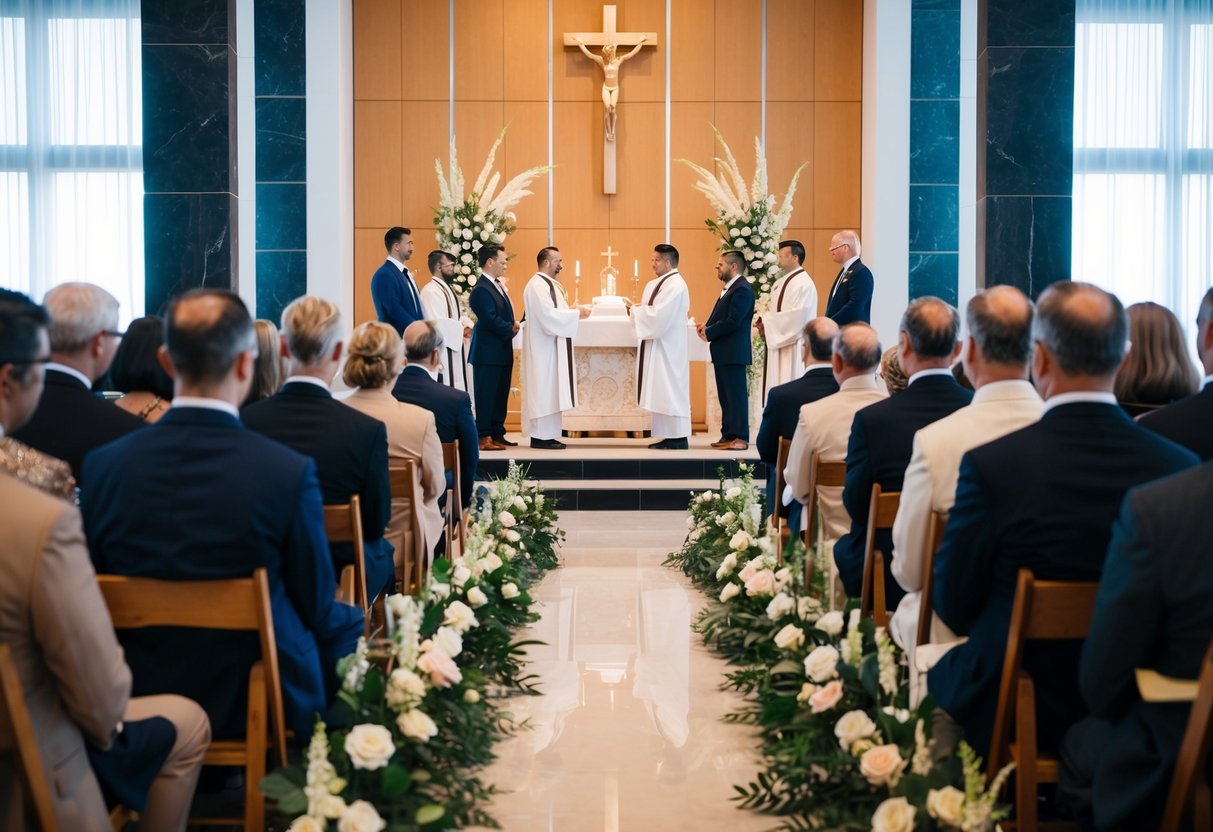
You might wonder what happens if you skip the rehearsal. In many cases, if your ceremony is simple or if there are few participants, you can get by without one. However, if you have a larger wedding party or more complex traditions, having a rehearsal can help everyone know their roles and ease any pre-wedding jitters.
Whether or not you choose to have a rehearsal, it’s essential to think about what is best for you and your wedding party. There are many ways to ensure everyone feels prepared and connected for the big day ahead.
The Importance of a Wedding Rehearsal
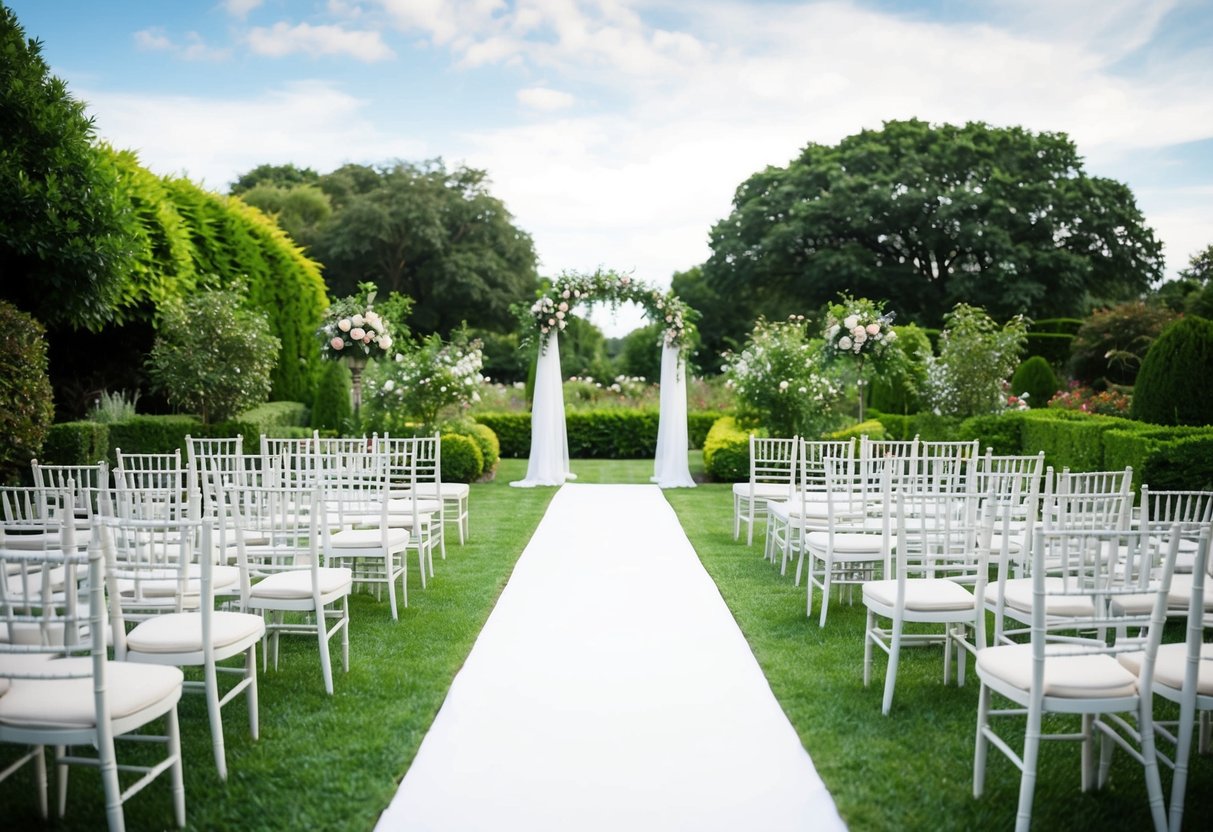
A wedding rehearsal is a key step in preparing for your big day. It helps everyone involved feel comfortable and confident. With clear roles and practice, you can reduce stress and ensure your ceremony runs smoothly.
Understanding the Ceremony Rehearsal
During the wedding rehearsal, you and your wedding party will walk through the entire ceremony. This includes both the processional and recessional.
Practicing these steps helps everyone know when to enter and exit. Your officiant plays a big role during this time. They will explain the order of events and ensure that everyone understands what to expect. If there are special moments, like readings or musical cues, these can be practiced too.
This practice also allows you to work out any issues that may arise. Knowing where to stand and what to do can make a big difference. A rehearsal builds confidence, making your wedding day feel more relaxed.
Roles of Family Members and Wedding Party
In your wedding, each member of the wedding party has a specific role. This includes bridesmaids, groomsmen, flower girls, and ring bearers. Everyone should know what they need to do during the ceremony.
Family members often have important roles, too. Parents may walk you down the aisle or take part in special traditions. At the rehearsal, it’s a great time to clarify who does what. You want them to know their cues and where they fit in the ceremony.
By organizing these roles ahead of time, you can avoid confusion on the wedding day. It creates a sense of teamwork, allowing everyone to support you. Ultimately, this helps everyone feel more included and prepared for your special day.
Planning Your Rehearsal: Step by Step
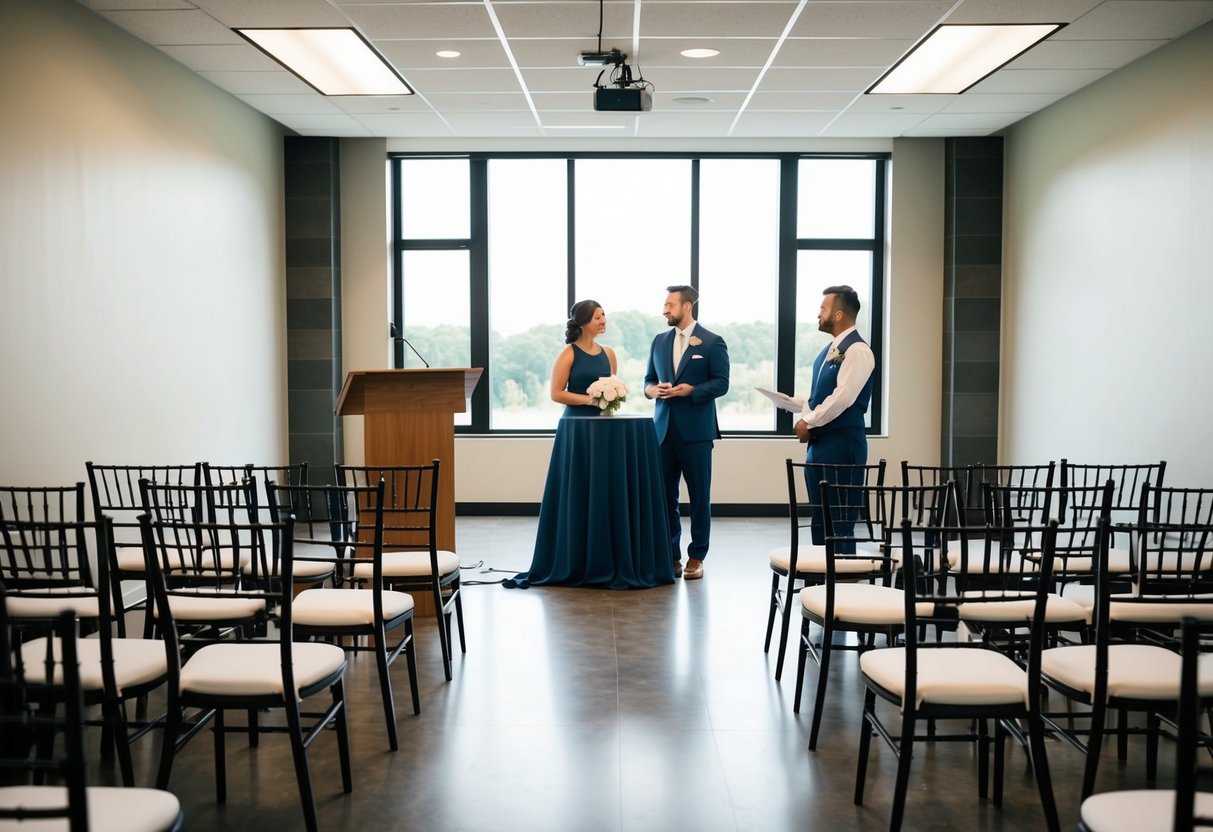
Planning your wedding rehearsal is essential for a smooth ceremony day. You will set the stage for everyone involved, making sure they know their roles and feel comfortable. Here are some important steps to guide you through the process.
Scheduling and Invitations
First, choose a date and time for your rehearsal. Ideally, this should happen a couple of days before your wedding.
Booking your rehearsal at the same ceremony venue helps everyone visualize the space.
Next, send out invitations to your wedding party and anyone else participating, like ceremony readers and close family members. Make sure you specify the time and place clearly. This helps everyone know when and where to show up.
A wedding planner can assist in this planning phase, ensuring you don’t miss any important details. It’s a good idea to confirm attendance closer to the date to avoid any last-minute surprises.
Ceremony Walk-Through
During the rehearsal, you will walk through the ceremony step by step. Start with the processional, where each person takes their place.
Assign a wedding coordinator to help keep everything organized. This person can direct traffic and make sure everyone knows when to move.
Focus on key parts like where the bride and groom will stand, and how to arrange the bridal party. Discuss any special moments that might need attention, such as handing off flowers or lighting candles.
Practicing these elements makes the actual ceremony feel more comfortable for everyone involved.
Special Readings and Musical Cues
If you have special readings or musical cues, make sure to address them during the rehearsal.
Discuss with your ceremony readers how and when they will speak. Ensure they know where to stand and how to project their voices.
For musical cues, coordinate with your musicians or DJ. Practice the timing of songs and ensure everyone knows when to start or stop.
This helps avoid awkward pauses in your ceremony.
Keep things light and friendly throughout the rehearsal. This is a chance for everyone to bond before the big day. With careful planning, your rehearsal can be both productive and enjoyable!
Rehearsal Dinner Etiquette and Planning
Planning a rehearsal dinner is a wonderful opportunity to gather loved ones before the big day. It’s a time to relax and enjoy the company of close friends and family while setting the stage for the wedding.
Guest List Considerations
When creating your guest list, think about who should be there. Typically, this includes immediate family members, the wedding party, and possibly close friends.
You may want to include out-of-town guests who have traveled for the wedding. Consider inviting plus-ones for members of your wedding party.
Make sure to keep the dinner intimate, as it’s a pre-wedding celebration. You don’t need to invite everyone from the wedding reception, but those who play a key role in your special day should feel included.
The Pre-Wedding Celebration
The rehearsal dinner serves as a relaxed pre-wedding celebration. It usually takes place right after the rehearsal.
You might want to choose a cozy restaurant or host it at home. This sets a casual atmosphere for everyone to unwind before the wedding day.
Send out rehearsal dinner invitations well in advance. Make sure they match the theme or style of your wedding. Be clear about the date, time, and location.
According to etiquette experts, this event is mainly for fun, not formal speeches or toasts. Aim for a joyful gathering where everyone can mingle and share the excitement as the wedding approaches.
Special Considerations for Unique Wedding Scenarios
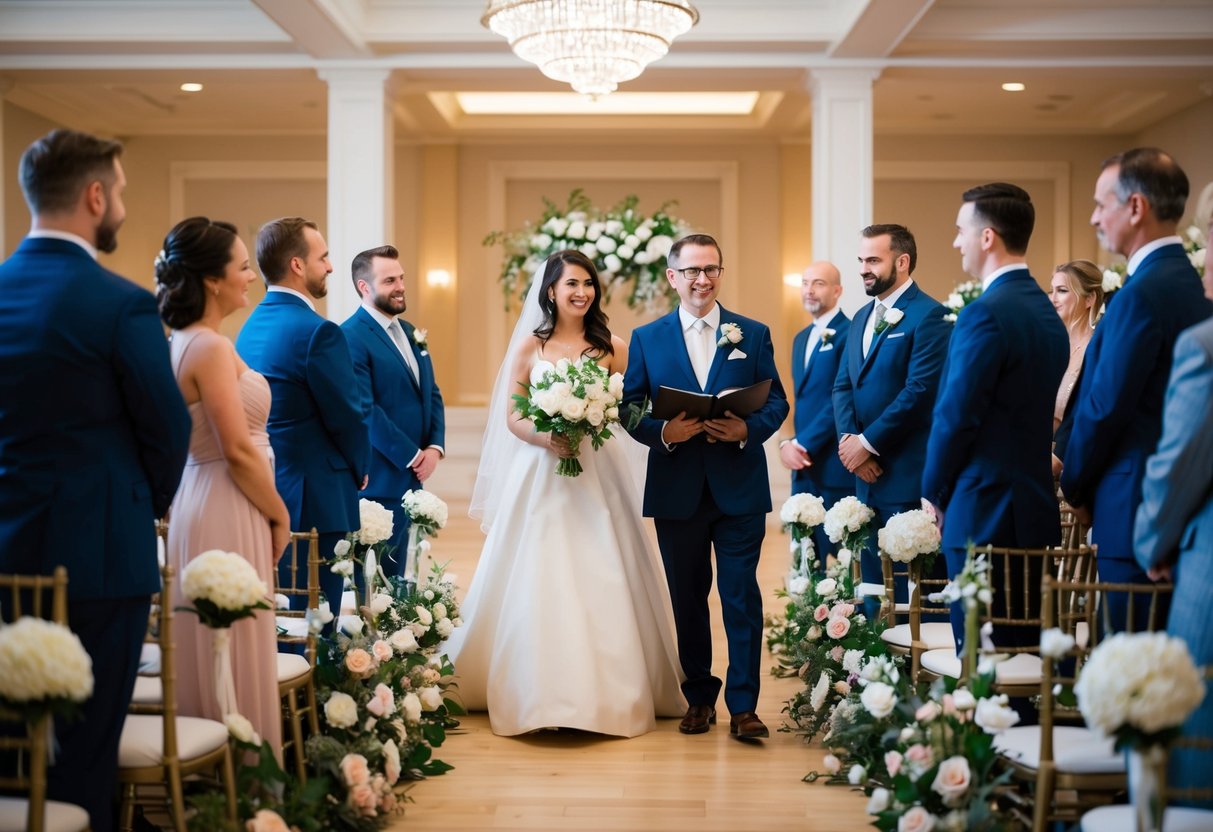
When planning your wedding rehearsal, certain unique scenarios require special attention. Destination weddings and involving children in the ceremony are two situations that can impact how you approach the rehearsal.
Destination Weddings and Logistics
For a destination wedding, logistics play a crucial role. Since many guests may be traveling from afar, it’s essential to communicate details well in advance.
Make sure to consider your venue. Work closely with the venue manager to create a detailed timeline. Send this timeline to your bridal party and any other attendees. This will help ensure everyone knows where to be and when.
Also, think about the rehearsal dinner. Some couples choose to host it a day before or even the night of the rehearsal. This helps everyone bond and feel comfortable before the big day.
Involving Children in the Ceremony
Involving children, such as a ring bearer or flower girl, adds a cute touch to your wedding. But it also requires planning. You’ll want to ensure they understand their roles.
Consider holding a mini-rehearsal just for them. This can help ease any anxiety they may feel. Give them simple instructions, and practice their walk down the aisle.
Talk with the parents of the child attendants too. They can help you set boundaries and ensure their little ones feel supported. Keeping the atmosphere relaxed will help make the ceremony enjoyable for everyone, especially the children.