
Does It Cost to Block Hotel Rooms for a Wedding?
Most wedding hotel blocks do not cost you an upfront fee. Your guests reserve and pay for their own rooms, while you receive a negotiated group rate.
Costs enter your wedding budget when you choose a contract that requires a booking commitment, miss the required room pickup, or accept added fees in the hotel agreement.

The hotel room rate still comes from each guest’s travel budget, so share the booking terms early and choose a property that fits your guests’ price range. If you are building your full wedding plan, a wedding budget allocation guide can help you place any host-paid lodging costs in the right category.
The Short Answer: What You May Pay and What Guests Pay
A wedding hotel block is free to arrange when guests book their rooms themselves and your agreement has no guaranteed minimum. You may pay for rooms you reserve for yourself, a wedding party, or family members, plus any fees tied to a signed contract.
A hotel room block gives wedding guests access to a set number of rooms at a group rate. Guests normally enter the reservation code, pay the hotel directly, and handle their own room charges, taxes, and extras.
You carry financial responsibility only for terms that assign payment to you.
When a Wedding Hotel Block Is Free
A courtesy block lets the hotel hold rooms at an agreed hotel room rate until a cutoff date. Guests book individually, and the hotel releases unbooked rooms when that date arrives.
Ask the sales manager to confirm in writing that you owe nothing for rooms guests do not reserve.
A free block can still support your wedding budget by giving guests a clear place to stay and a possible discount. For more detail about guest costs, see do guests pay for a hotel wedding.
Costs That Can Fall Outside the Nightly Group Rate
Review charges beyond the room price before you share the block:
- Taxes and local assessments
- Resort fees
- Parking fees
- Wi-Fi charges
- Deposits for a contracted block
- Cancellation fees
- Attrition penalties
- Rooms you agree to pay for personally
- Hospitality spaces or special event services
A $200 room can cost more after taxes and hotel fees, so ask for the estimated total guests will see at checkout. Request a complete fee sheet before signing or publishing the booking link.
Courtesy Blocks vs. Contracted Blocks
Courtesy blocks carry little financial risk, while contracted blocks trade a booking commitment for stronger rate and perk negotiations. Your expected guest demand should guide the choice.

The room block agreement should state the room count, group discount, booking deadline, payment responsibility, and release terms. Read the hotel contract before treating a quoted rate as a final deal.
How a Courtesy Block Works
With a courtesy block, the hotel sets aside rooms under your wedding name or booking code. Guests reserve their own rooms, and the hotel releases remaining inventory at the cutoff date.
You do not promise to fill a specific number of room nights.
The hotel controls the available inventory, so ask whether it can reduce the block before the cutoff date. Confirm the rate, room types, booking link, and extension process in writing.
When a Contracted Block Makes Sense
A contracted room block suits a wedding with strong demand and a reliable guest list. You commit to a stated number of rooms or room nights, and the hotel may offer a lower rate, added concessions, or more control over inventory.
The agreement may include deposits, cancellation terms, and an attrition clause. Compare the value of the group discount with the cost of any unfilled rooms before you accept the commitment.
How a Soft Block Differs From a Held Block
A soft block gives you a planning estimate that the hotel can adjust as bookings develop. A held block reserves specific inventory for a defined period, subject to the hotel’s release terms.
Ask the sales representative to explain whether “soft,” “held,” and “courtesy” have different meanings at that property. Put the answer in the room block agreement so both sides use the same terms.
How Attrition Can Create a Bill for Empty Rooms
An attrition clause creates a bill when your contracted room pickup falls below the minimum required after allowed reductions and hotel resale credits.
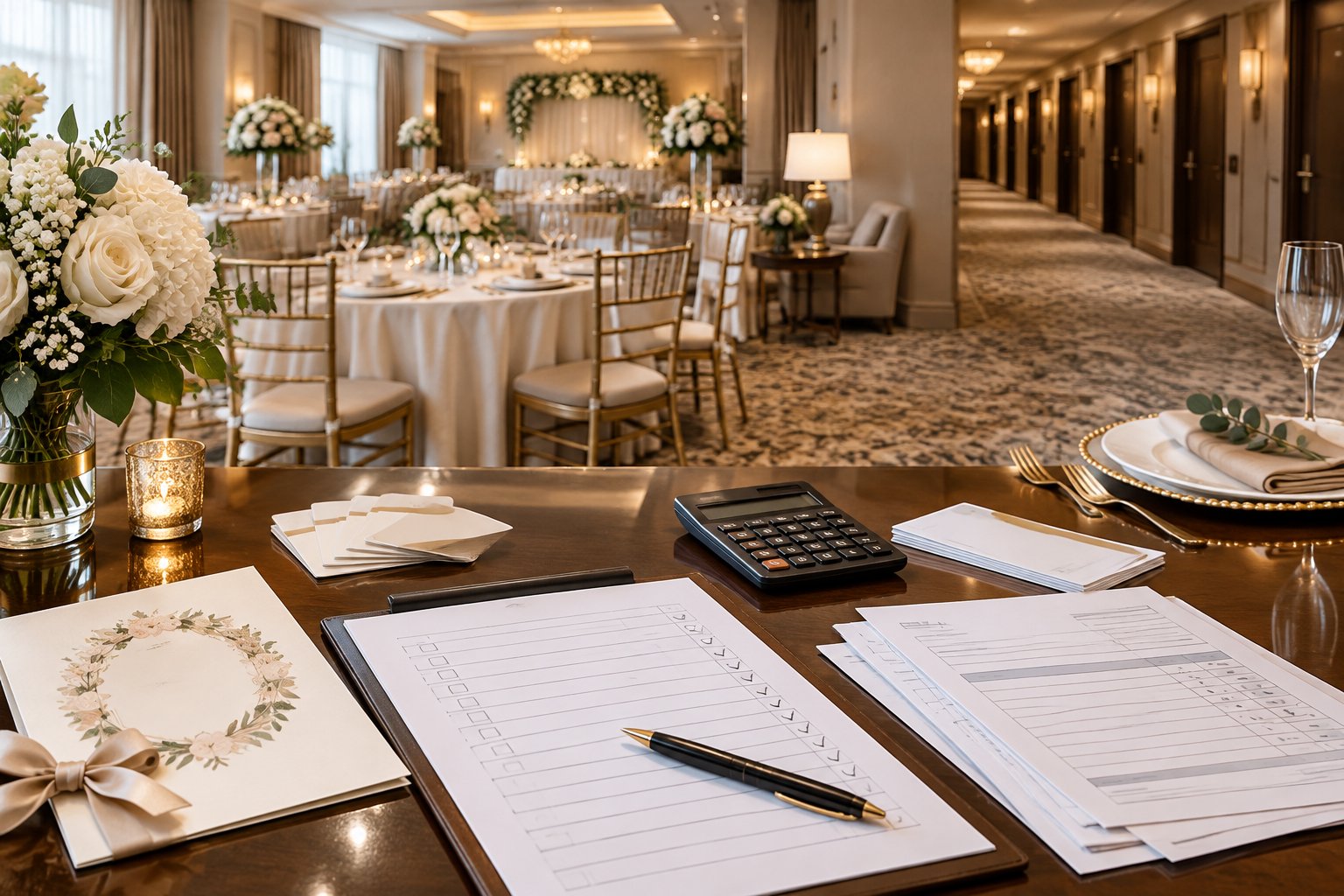
The risk grows with the size of the block, the number of nights, and the hotel room rate. You can reduce it by setting a realistic commitment and negotiating the calculation before signing.
What an Attrition Clause Means
An attrition clause sets a minimum number of room nights your group must book. Room nights, also written as room-nights, equal one room booked for one night.
For example, 20 rooms for two nights creates 40 room nights. If the contract requires 80 percent pickup, you must account for at least 32 room nights after the agreement’s permitted adjustments.
How Attrition Penalties Are Calculated
The contract may charge an attrition penalty on the shortfall. A simple example uses:
Missed room nights × contracted group rate = potential room-revenue charge
If five room nights fall below the required pickup and the group rate is $180, the starting calculation is $900. The actual amount depends on the contract, taxes, hotel resale, allowable shrinkage, and any mitigation clause.
Allowable Shrinkage and Attrition Percentage
Allowable shrinkage lets your group fall below the original block by a stated percentage without a fee. A 20 percent allowance on 100 room nights creates a 80-room-night minimum before attrition applies.
Check whether the percentage applies per night, across the full stay, or to each room type. Those details can change the result when guests book unevenly across the wedding weekend.
Reducing Attrition Risk Before You Sign
Use these requests to lower attrition risk:
- Start with the number of out-of-town guests who have confirmed interest.
- Request a smaller initial block with an expansion option.
- Ask for a higher allowable shrinkage percentage.
- Require the hotel to credit rooms it resells.
- Add a mitigation clause covering outside bookings the hotel can verify.
- Set a review date before the cutoff.
Ask the hotel to show a sample calculation using your proposed room count and rate. Keep that example with the signed agreement.
Which Contract Costs and Terms Should You Check?
Your room block contract should make every payment trigger clear, including cutoff dates, cancellation fees, taxes, parking, and promised perks.

Read the agreement line by line and ask for edits before signing. A wedding planner can help flag terms that affect your wedding budget, though the hotel’s written contract controls the deal.
Cutoff Dates, Deposits, and Cancellation Fees
The cutoff date is when the hotel releases unbooked rooms or ends the group rate. Share it with guests and set your own reminder several days earlier.
Check when deposits are due, whether they are refundable, and who pays them. Review cancellation policies for the full block, individual rooms, and special spaces. Cancellation fees can apply on different schedules.
Resale Credit and Force Majeure Protections
Ask for a resale credit when the hotel sells rooms that were part of your block. The credit should reduce any attrition penalty for those room nights.
A force majeure clause addresses serious events outside the parties’ control. Confirm which events qualify, what notice you must provide, and whether deposits are refunded or moved to a new date.
Taxes, Resort Fees, Parking, and Wi-Fi
Request the full guest-facing price, including taxes, resort fees, parking, and Wi-Fi. A low advertised rate can feel less affordable when a destination hotel adds daily charges.
Ask whether parking rates apply to every vehicle and whether guests receive a reduced rate. Include these details in your wedding website so travelers can compare the true cost.
Perks Worth Negotiating
Depending on the hotel and block size, you can ask about:
- A complimentary room for the couple
- Comp rooms tied to booked room nights
- Complimentary breakfast
- A hospitality suite
- Early check-in
- Late checkout
- Welcome-bag delivery
- Waived meeting-room fees
Get each promised perk in the signed agreement, including the number of rooms, eligible nights, and service charges.
How to Get the Right Rate Without Overcommitting
You get a safer deal by matching your room count to likely out-of-town guests and comparing the group rate with current public prices.
Start with the number of travelers who need lodging, then request proposals from several hotels. Rates vary by city, date, room type, demand, and hotel brand.
Estimate Demand From Out-of-Town Guests
Count households that live far enough away to need a room. Ask close family and wedding-party members about their likely plans, then leave room for guests who choose vacation rentals or stay with friends.
A destination wedding needs a wider price range because guests pay for travel and lodging. A second hotel can serve guests who prefer a lower rate or a different location. For related planning help, see what do guests pay for at destination weddings.
Compare the Group Rate With the Best Available Rate
Compare the group rate with the hotel’s rack rate and best available rate for the same dates, room type, cancellation terms, and included fees. A group rate has value when it stays competitive and protects guests from price changes under the agreement.
Check rates at properties in the same area. A Marriott hotel, an independent property, and a vacation rental may serve different budgets, so compare the complete stay cost.
Ask Hotels for Competing Proposals
Send each hotel the same information:
- Wedding dates
- Estimated room nights
- Preferred room types
- Expected peak night
- Guest price range
- Need for parking or breakfast
- Interest in a courtesy or contracted block
Ask each sales contact to state the rate, cutoff date, attrition terms, cancellation fees, and included perks. You can compare proposals in a spreadsheet or use a service such as Cvent or RoomBlocks.com to organize lodging details.
When Off-Peak Dates and a Second Hotel Help
An off-peak season date can produce better room rates and more flexible terms. Demand is also shaped by local events, so check the calendar in places such as New York City, Nashville, or Hawaii before choosing dates.
A second hotel gives guests another price point and reduces pressure on one property. For a destination wedding, place both options near the venue or along the same transportation route.
How to Manage the Block Through the Wedding Weekend
Strong wedding planning keeps the hotel room block visible, tracks reservations, and gives guests clear deadlines.
Your wedding planner can coordinate with the hotel, while your wedding website and save-the-dates handle guest communication. Keep one current rooming list for names, arrival dates, departure dates, and special needs.
When to Start and When to Share Booking Details
Start contacting hotels after you know the wedding date, venue area, and likely guest count. A popular weekend or destination wedding calls for earlier outreach because nearby rooms can sell quickly.
Share booking details when save-the-dates go out or when guests begin arranging travel. Include the hotel name, address, booking link or code, group rate, cutoff date, parking information, and cancellation terms.
Using Your Wedding Website and Save-the-Dates
Put the hotel room block on a clearly labeled travel page. Repeat the booking deadline in the formal invitation details and in a later email.
Explain that guests reserve and pay for their own rooms unless you have offered to cover specific lodging. Provide a second hotel or nearby lodging option when the main property exceeds some guests’ budgets.
Monitoring the Rooming List and Sending Reminders
Ask the hotel for pickup updates at agreed intervals. Track booked rooms by night so you can spot a slow date before the cutoff.
Send a friendly reminder several weeks before rooms return to general inventory. Tell guests to contact the hotel directly for changes, cancellations, accessibility needs, and arrival questions.
Welcome Bags and Event Logistics
Confirm whether the hotel accepts welcome bags, charges a delivery fee, and requires names or room numbers. Give the front desk a final rooming list only through the approved hotel contact.
Share rehearsal dinner times, shuttle pickup points, parking instructions, and late checkout details with guests. Confirm the plan with the hotel and transportation team before the wedding weekend begins.