
Does It Matter What Side You Sit On at a Wedding? Exploring Seating Etiquette and Traditions
When attending a wedding, you might wonder about the importance of where you sit. In many cases, it does not matter which side you choose, as personal preference can guide your decision.
While traditional roles may place the bride’s family on one side and the groom’s on the other, modern weddings often embrace more flexibility in seating arrangements.
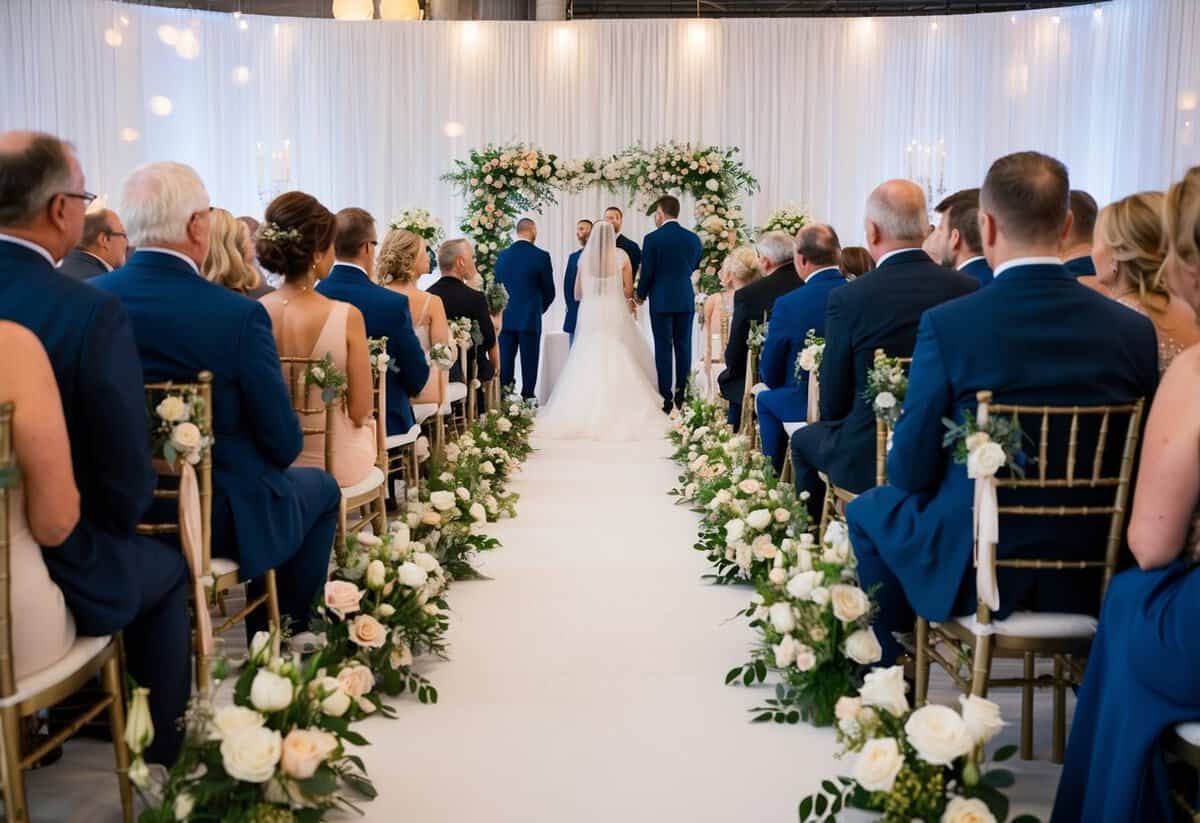
If the couple has specified a seating plan, it’s a good idea to follow those instructions. Some guests may prefer to sit with family or close friends, while others enjoy mingling with different groups.
Ultimately, the goal is to celebrate the couple’s special day, and being comfortable with your seating choice can make the event more enjoyable for you.
Tradition and Symbolism in Seating Arrangements
Seating arrangements at weddings carry deep meaning and history. They reflect traditions from various cultures and symbolize the bonds between families. Understanding these customs can help you appreciate the ceremony even more.
Historical Origins of Wedding Seating
In many cultures, seating placement has historic roots. For instance, in Christian weddings, guests typically sit with the bride’s family on one side and the groom’s on the other. This arrangement represents the joining of two families.
In Jewish weddings, the seating order often reverses, placing the groom’s family on the left and the bride’s on the right.
Another interesting aspect is the concept of marriage by capture, where the bride was seated with her captors, symbolizing ownership. Over time, customs evolved to recognize partnership and love, as seen through the symbolism of the vena amoris, or the “vein of love,” believed to connect the heart and the ring finger.
Cultural Variations in Seating
Different cultures have unique practices for wedding seating. In some traditions, guests may also choose where to sit based on individual comfort rather than strict guidelines.
For example, while traditional seating favors the bride’s family on the left and the groom’s on the right, this can vary in modern ceremonies. Couples may opt for mixed seating to reflect their unique backgrounds and friendships.
In many same-sex weddings, couples might inform guests of their seating preferences through programs or signs, maintaining tradition while embracing inclusivity. Understanding these variations can help you navigate any wedding with cultural respect and appreciation.
Roles and Responsibilities
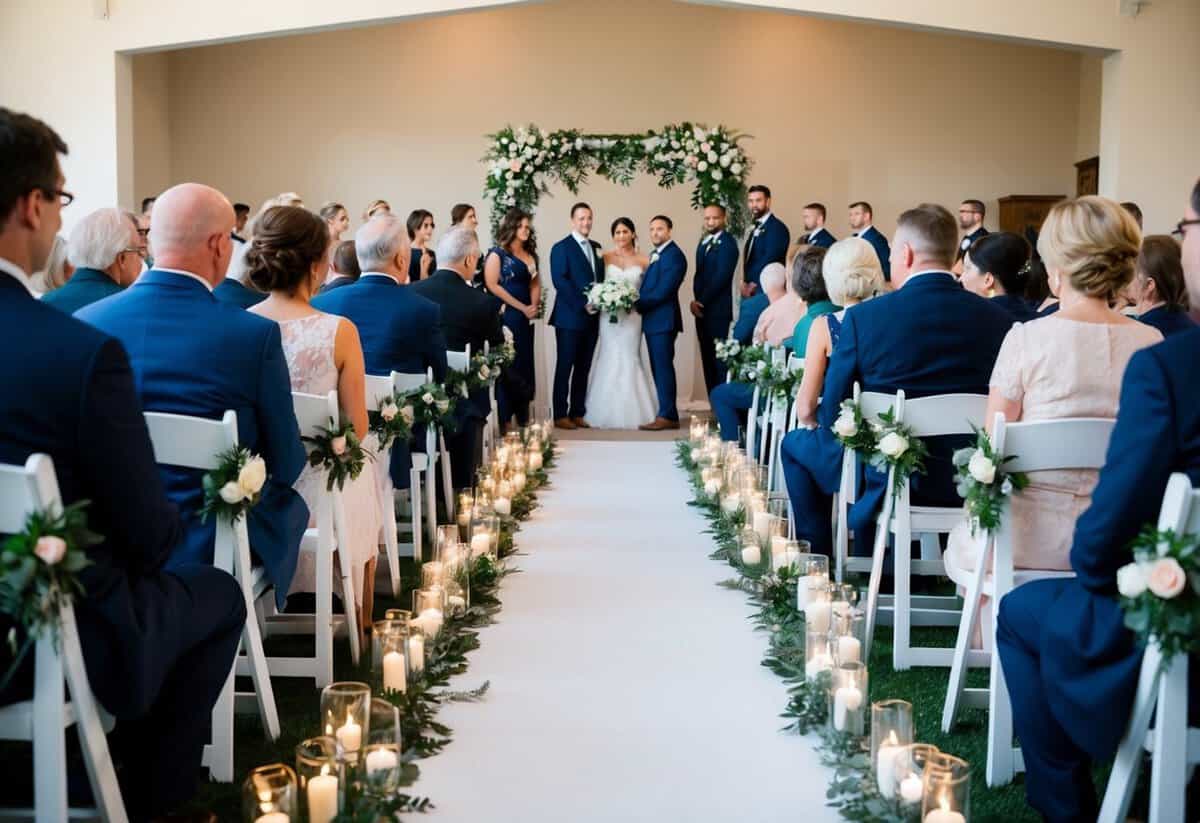
Weddings have specific roles for those involved, ensuring everything runs smoothly. Understanding these roles helps you know where everyone fits in during the ceremony.
The Wedding Party’s Place
In a wedding ceremony, the wedding party has designated places. Typically, the bride stands on the left side of the altar, while the groom stands on the right. This traditional setup allows the guests to easily identify the couple.
The best man stands next to the groom, ready to support him. Close friends or family members serve as groomsmen. They often assist in ushering guests and helping the groom.
On the bride’s side, the maid of honor stands near her. She is a key support person, often responsible for holding the bride’s bouquet during the vows. Bridesmaids accompany her, standing closely to show unity and friendship.
Ushers and Their Role in Seating
Ushers play a vital role in wedding ceremonies. Their main task is to greet guests as they arrive and help them find their seats.
Typically, ushers escort guests to their corresponding sides. If a wedding follows traditional customs, they direct the bride’s family and friends to the left and the groom’s to the right.
Ushers can be family members or friends, ensuring a friendly environment. It’s common for them to help guests with special needs or answer questions.
Including younger members, such as a ring bearer or flower girl, adds charm. Though they have lighter responsibilities, they contribute to the overall atmosphere, making the day feel special for everyone.
Modern Considerations and Etiquette
Weddings today reflect diverse traditions and identities. As you think about seating, it’s important to be mindful of these changes.
Modern weddings often embrace inclusivity and personalization, ensuring everyone feels welcomed.
Accommodating Same-Sex Couples
When planning seating for same-sex couples, consider how to honor both families appropriately. Unlike traditional setups, where the bride’s family sits on one side and the groom’s on the other, same-sex weddings often allow more flexibility.
You could designate sides by last name or simply let guests choose where to sit.
Ensure your wedding program clearly outlines seating arrangements. This not only helps guests know where to sit but also signals the couples’ support for inclusivity. This can create a comfortable atmosphere for everyone involved, making the ceremony more enjoyable.
Personal Touches in Seating Choices
You may wish to personalize seating to reflect your style and interests. For example, if your wedding is outdoors, unique seating like hay bales or picnic blankets can give a relaxed vibe. This approach helps create a warm and inviting setting.
Incorporating elements like special family photos or personalized names at tables can make guests feel more connected. Think about how your ceremony seating can enhance your theme, from elegant to rustic. It’s an easy way to sprinkle in your personality, making the day memorable for you and your guests.