
Does Mother of Bride Walk Down the Aisle? Exploring Her Special Role in the Wedding Ceremony
The role of the Mother of the Bride in the wedding ceremony holds special significance. Yes, the Mother of the Bride usually walks down the aisle, and this moment is often one of the highlights of the wedding processional.
She may choose to walk alone, with a family member, or even with her daughter and partner, depending on personal preferences and family dynamics.
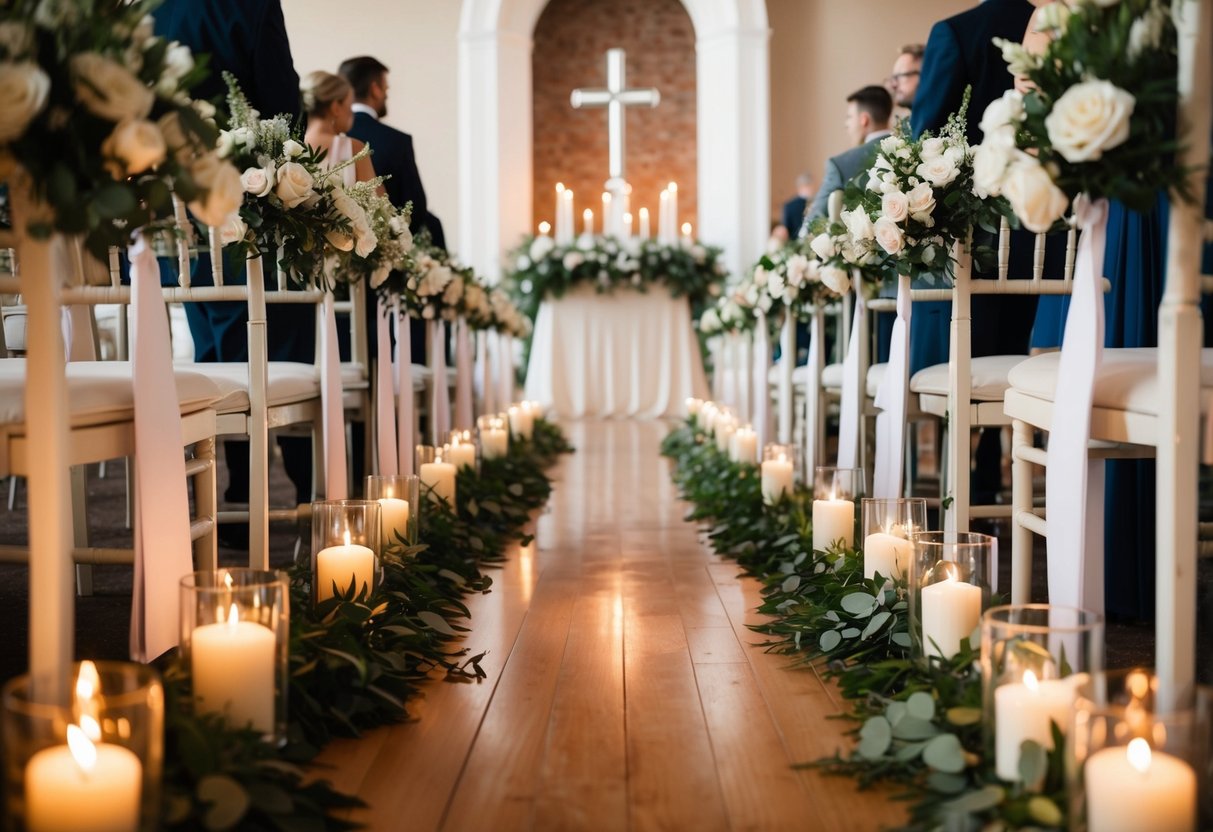
This tradition helps to set the tone for the ceremony and reflects the close relationship between you and your mother. Walking down the aisle is not just a formality; it symbolizes support and love as you prepare to start a new chapter in your life.
Many brides and their mothers cherish this moment, making it a memory they will treasure forever. The options for how this walk happens allow for personalization, ensuring the experience feels right for you and your family.
The Role of the Mother of the Bride
The mother of the bride has an important part to play in a wedding. This role can vary between traditional and modern weddings, influencing the feelings of the day.
Significance in the Processional
During the processional, the mother of the bride typically walks down the aisle before the bride. This moment is special, marking a transition for both the mother and daughter. It often symbolizes the bride’s connection to her family.
You may choose to have the mother of the bride escorted by a relative, like a son or brother. This adds a touch of support and affection.
In some cases, she might walk alone, making a strong statement of independence. This choice reflects your values and preferences, ensuring that the experience feels right for everyone involved.
Traditional Versus Modern Perspectives
Traditionally, the mother of the bride plays a key role alongside a father figure, often participating in planning and preparations. The traditional processional follows a specific order, showing respect for family ties.
In modern weddings, however, the approach is more flexible. You have options that can include walking with your mother or even having her escort you as the bride.
Many couples are embracing personal touches that reflect their unique relationships.
Understanding your options helps you create a wedding day that honors the mother of the bride’s role while also fitting your style and preferences. This balance can lead to a more meaningful ceremony for everyone.
Wedding Processional Explained
The wedding processional is a significant part of your ceremony. It sets the stage for the arrival of the bride. Each participant has a specific role that adds meaning to the event.
Order of Participants
The order of participants in the wedding processional can vary. Typically, it begins with grandparents walking down the aisle. After that, the groom’s parents follow, generally taking their seats on one side.
Next, the groomsmen and bridesmaids walk, often in pairs. A flower girl and ring bearer may bring up the rear.
Finally, the mother of the bride might escort the bride, symbolizing her support.
Here’s a quick look at the common order:
- Grandparents
- Groom’s parents
- Mother of the bride
- Groomsmen and Bridesmaids
- Flower Girl and Ring Bearer
- Bride
Customs Across Different Cultures
Different cultures have unique customs for the wedding processional.
In a Christian wedding, the mother of the bride often walks down the aisle before the bride. This highlights her role in the event.
In a Jewish wedding, the processional may include both sets of parents walking together, which emphasizes the unity of families.
Meanwhile, in a Hindu wedding, the bride’s arrival can be accompanied by traditional music and dance, often creating a festive atmosphere.
Each culture enriches the processional with its own traditions, making it a vibrant part of the ceremony.
Personalizing the Processional
You can personalize your wedding processional to reflect your style. Consider including special family members in the event.
For example, you might have a sibling or close friend escort the mother of the bride.
Feel free to include unique elements such as different songs or readings that hold meaning for you and your partner.
Customizing the processional allows you to infuse your personality into the ceremony, creating lasting memories for you and your guests.
Unique Processional Considerations
When planning the processional, there are several unique considerations to take into account. Understanding the roles of family members and your personal preferences can shape a meaningful ceremony.
Both Parents and Independence
In many weddings, the mother of the bride plays a significant role. Traditionally, she might walk down the aisle escorted by her husband or another family member.
However, if you prefer a different approach, the mother may choose to walk alone, demonstrating her independence and strength.
This choice can symbolize a new chapter in life. You should feel free to decide what feels right for your family. Including both parents can foster a sense of unity, especially in cultures where such traditions are valued. In Christian weddings, both parents are often involved, reinforcing family bonds.
Family Dynamics and Inclusion
Family dynamics greatly influence who walks down the aisle with the mother of the bride. For example, in cases of divorce, the mother may wish to be escorted by a partner or a supportive friend. This ensures she feels comfortable and included in the ceremony.
Jewish ceremonies often highlight the mother’s role, allowing for heartfelt participation. In Hindu weddings, family involvement is also essential, as traditions emphasize the importance of both sides.
Regardless of the cultural context, consider the feelings and preferences of all involved. Keeping an open dialogue with family can lead to a more enjoyable and harmonious wedding experience.