
Does the Best Man Sit Next to the Groom? Understanding Wedding Seating Arrangements
Choosing who sits where at a wedding can be tricky, especially when it comes to the best man’s spot.
Typically, the best man does sit next to the groom during the wedding ceremony. This traditional seating arrangement highlights the close bond they share and places him in a position to support the groom on this special day.
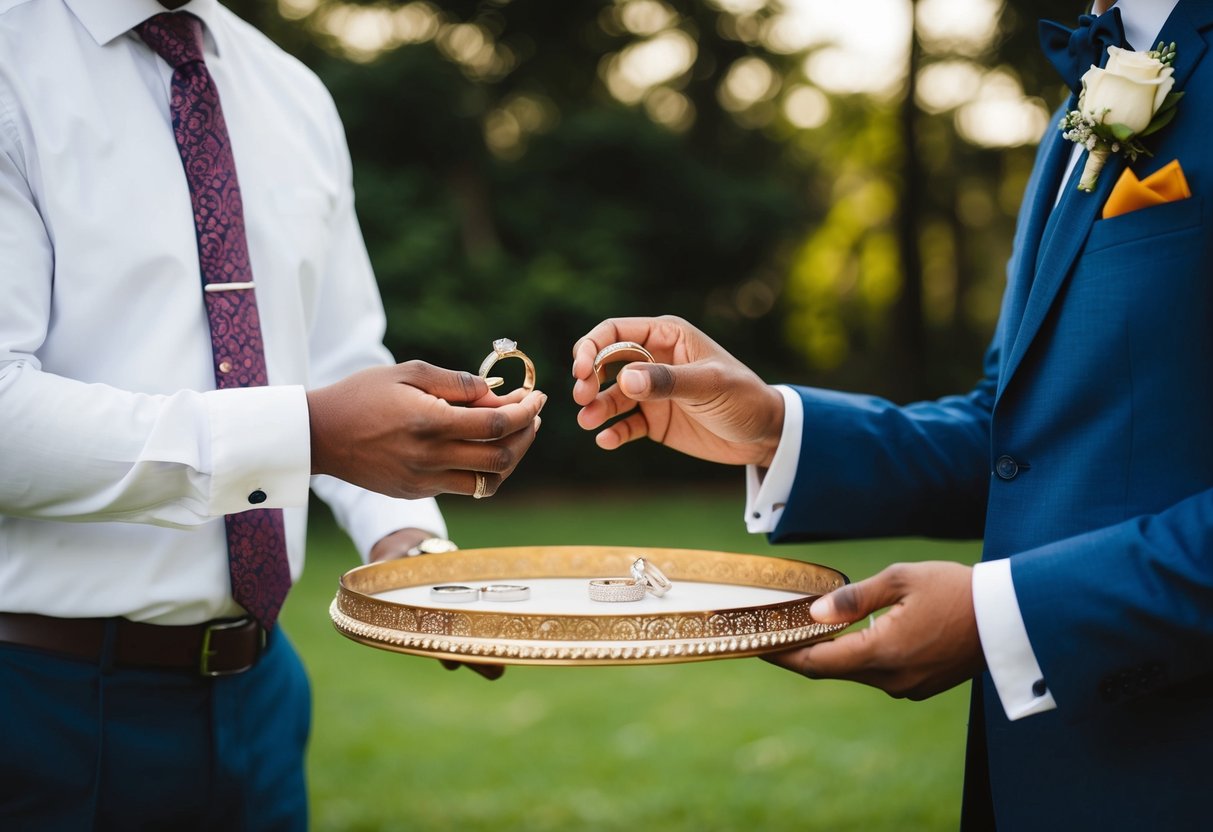
As you plan your wedding seating, consider how this placement can affect the overall feel of the ceremony.
Having your best man by your side allows for a moment of shared joy and camaraderie as you navigate through the day. Some couples might choose to adjust this seating to better fit their circumstances and personal style.
In the end, whether you follow tradition or create your own unique arrangement, the seating decisions are all about what feels right for you. With the right planning, you can ensure that your wedding ceremony reflects your personality and relationships, making it even more memorable.
The Role of the Best Man
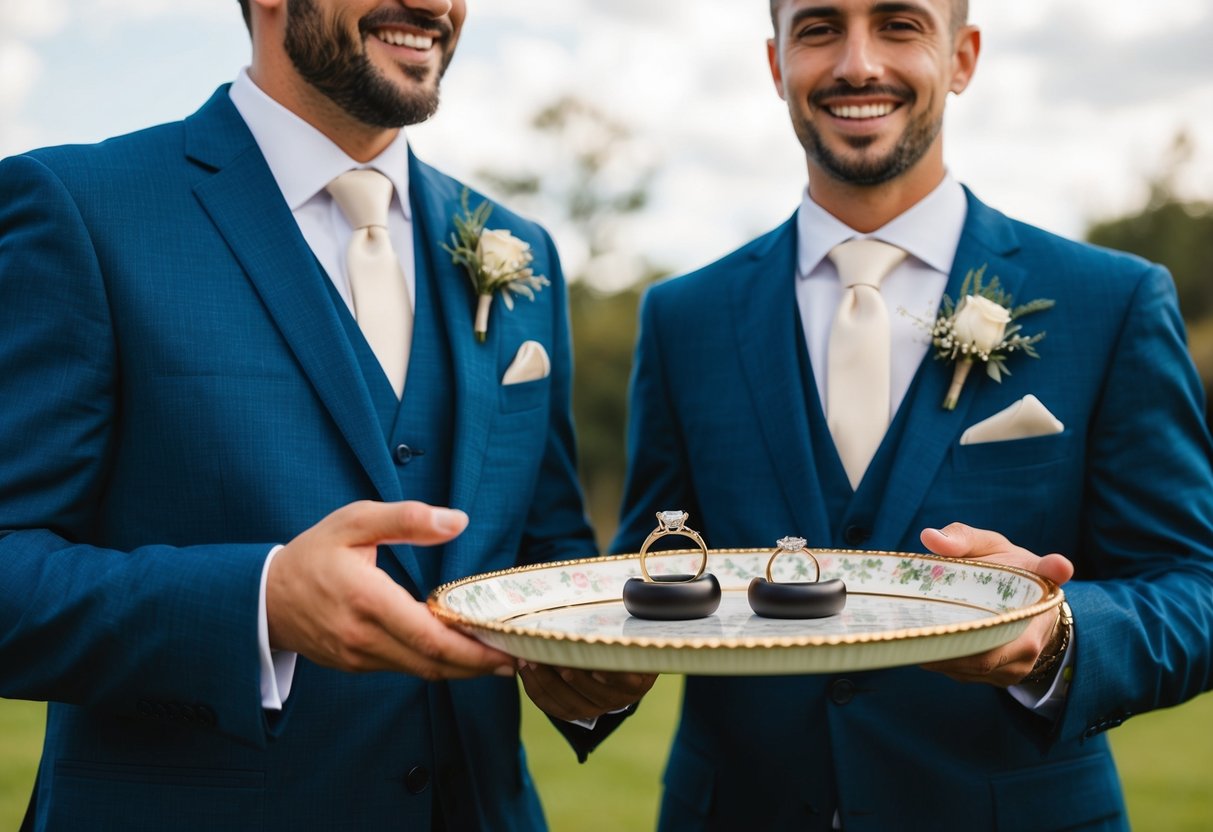
As the best man, you have important duties before, during, and after the wedding. Your role is to support the groom and ensure everything runs smoothly. Here’s a closer look at your responsibilities.
Pre-Wedding Responsibilities
Before the big day, your main task is planning the bachelor party. This means coordinating with friends to pick fun activities.
Make sure to get the groom’s input on locations and budgets.
Shopping for suits is another key duty. Assist the groom in choosing styles for himself and the groomsmen. This might involve arranging fittings and discussing whether to buy or rent the outfits.
Additionally, you should help with wedding planning. Communicate with the couple to stay updated on their needs. This could include discussing plans for the wedding rings and ensuring everyone knows their roles.
Ceremony Duties
During the ceremony, your presence is crucial. You will typically stand next to the groom, showing your support.
Stand straight, look engaged, and smile to help create a confident atmosphere.
You’ll also hold onto the wedding rings until the exchange. Be sure to keep them safe and ready when it’s time. After the ceremony, escort the maid of honor down the aisle.
Your role sets the tone for the day, ensuring that the groom feels supported. This is a time of joy, so aim to keep things light and positive.
Reception and Speeches
At the reception, your duties expand. Be present to support the groom and help facilitate the flow of events.
You might also assist with tasks like gathering guests for photos.
One of your key moments is delivering the best man speech. This speech usually includes heartfelt stories and anecdotes.
Aim for a balance of humor and sentiment, making it memorable for everyone.
You can also help coordinate traditional activities like the first dance. Be ready to toast the couple and encourage their happiness. Your friendly presence will help create a warm and celebratory atmosphere throughout the reception.
Wedding Party Dynamics
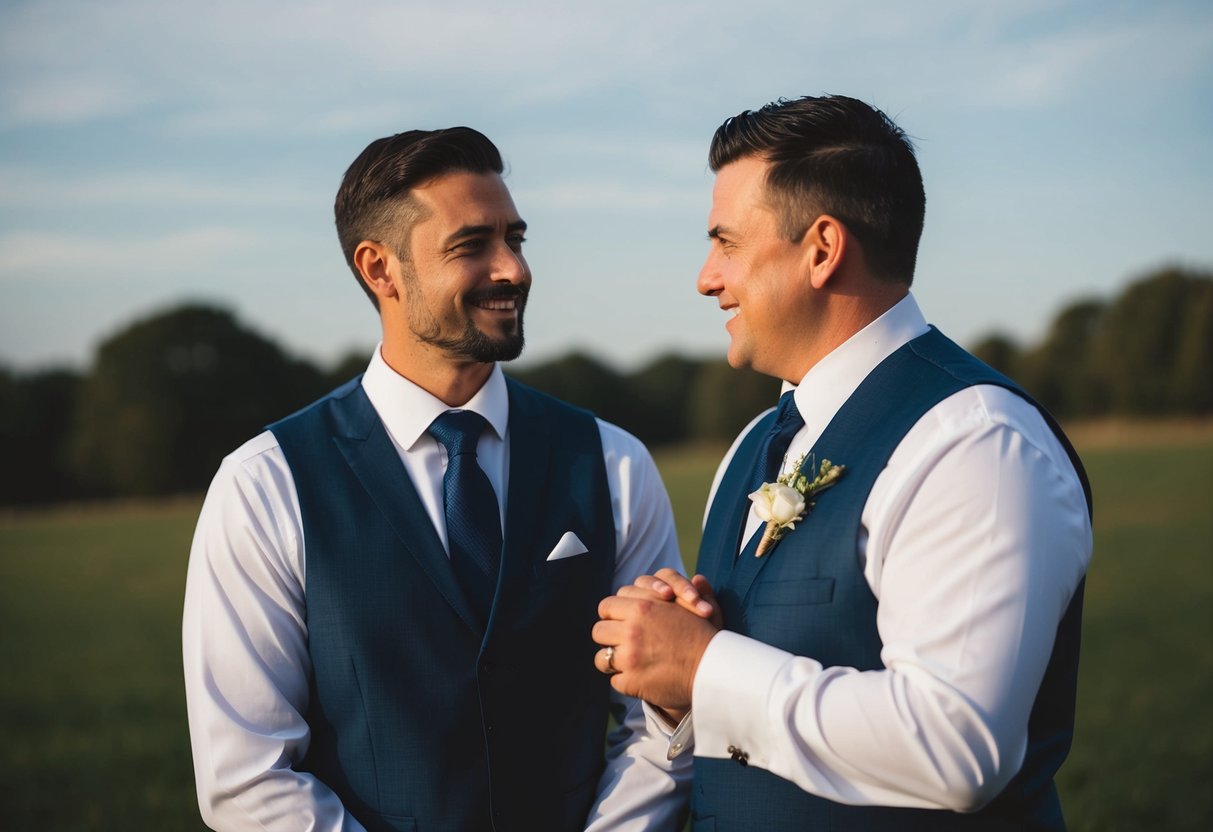
Understanding the roles within the wedding party is essential for creating a smooth and enjoyable experience. Each person has a unique position and responsibility, contributing to the celebration’s overall vibe.
Groomsman and Bridesmaids
Groomsmen play a vital role in supporting the groom throughout the wedding journey. Traditionally, they sit next to the groom, creating a strong support system.
Groomsmen often include close friends or family members, emphasizing the bond they share.
Bridesmaids, typically close friends or relatives of the bride, mirror this supportive role. They sit across from the groomsmen during the ceremony, balancing the sides of the aisle.
Having a mix of personalities can help ease any tension and keep things joyful.
When planning your seating arrangement, consider the relationships between groomsmen and bridesmaids. Seating them in a way that fosters fun interactions can enhance everyone’s experience.
Maid of Honor and Flower Girl
The maid of honor holds a special place in the wedding party. Usually a sister or best friend, she sits closest to the bride during the ceremony, often to her right. This position highlights her role as the bride’s primary support and confidant.
The flower girl, usually a younger family member or friend, adds charm to the ceremony. Though she may not sit directly with the wedding party, her walk down the aisle is significant.
She symbolizes innocence and joy, often scattering petals before the bride.
These roles encourage a sense of unity and love in the celebration. Their placement and interactions help create lasting memories for everyone involved.
Ring Bearer and Family Members
The ring bearer is another essential element of the wedding party. Typically a young boy, he carries the rings down the aisle, symbolizing the couple’s commitment.
His placement often involves walking in front of the bride, drawing attention and smiles from guests.
Family members, such as the mother of the bride, also play a vital role. They can be seated prominently, either at the front or near the wedding party.
Their presence adds emotional support and can help ease any pre-wedding jitters.
Understanding these dynamics makes the event more meaningful. Each role, from the groomsman to family members, contributes to the atmosphere of love and celebration.
Seating Arrangements 101

When planning your wedding seating, it’s important to know how to arrange your guests effectively. Understanding the traditional seating styles can help enhance your special day.
Understanding the Top Table
The top table is where the bride and groom sit, usually in the center. Traditionally, the groom sits to the bride’s right, while the best man sits next to her on the left. This layout is often called the traditional top table arrangement.
Family members like the bride’s and groom’s parents sit next to them, creating an inclusive atmosphere.
In larger weddings, the bridal party might also join at this table. Alternatively, you can choose a sweetheart table for just the couple, creating a more intimate setting.
Crafting the Perfect Seating Chart
Creating a seating chart involves thoughtful planning.
Start by considering your wedding floor plan. Will you have a head table or multiple round tables? Knowing this helps you plan where each guest will sit.
List your guests and group them based on relationships. You can create a singles table for guests who may not have a plus one.
This fosters a friendly environment and encourages mingling. Remember to communicate your table arrangements clearly on your wedding invitations or place cards to ensure a smooth seating experience.
Special Traditions and Considerations
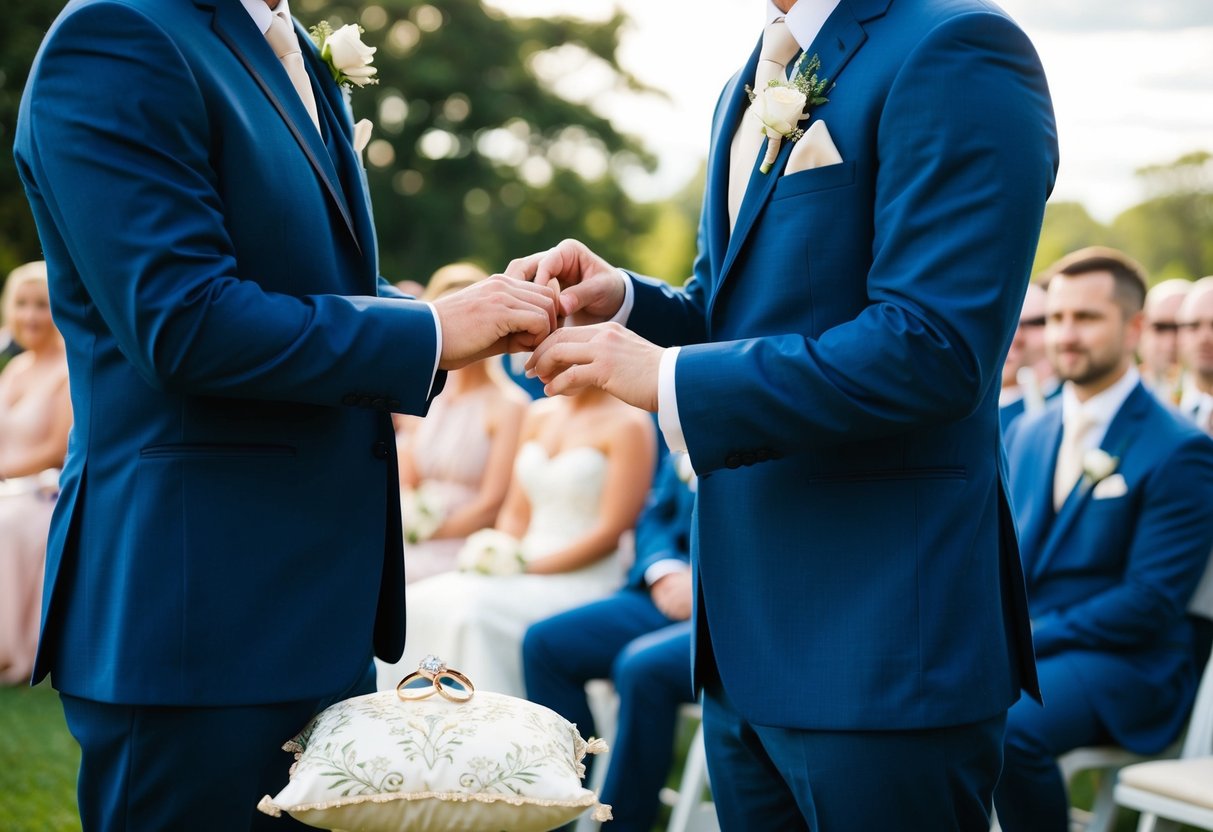
When planning for the best man’s role, it’s essential to recognize special traditions and cultural variations. These considerations can impact both seating arrangements and the responsibilities of the best man during the ceremony and reception.
Cultural Wedding Variations
Different cultures have unique wedding traditions that can influence where the best man sits.
In traditional weddings, it is common for the best man to sit close to the groom. However, in Jewish weddings, he may stand next to the groom during the ceremony.
In Hindu weddings, the best man might also play a significant role, often standing beside the groom at the altar.
The seating during the wedding reception may also differ, with the best man sometimes seated at the head table, alongside the groom and bride.
Understanding these cultural practices can help you choose the most meaningful arrangement for your ceremony.
The Significance of Traditional Roles
The best man has important duties that reflect traditional roles in weddings. Standing next to the groom during the wedding processional, he shows unity and support. His presence emphasizes the significance of friendship and commitment on this special day.
One of the best man’s key responsibilities is delivering the best man toast at the reception. This gesture highlights his support and affection for the couple. Additionally, he may assist with the emergency kit for any unexpected issues that arise.
Recognizing these roles not only honors tradition but also ensures that the wedding celebration runs smoothly and joyfully.