
Does the Best Man Walk Down First or Last? Understanding the Order of Wedding Processionals
The best man’s entrance is a topic of interest for many people. Typically, the best man walks down the aisle just before the groom, not first, but last in the lineup of the wedding party. This order reflects traditional wedding customs, creating a memorable moment as he supports his friend on such an important day.
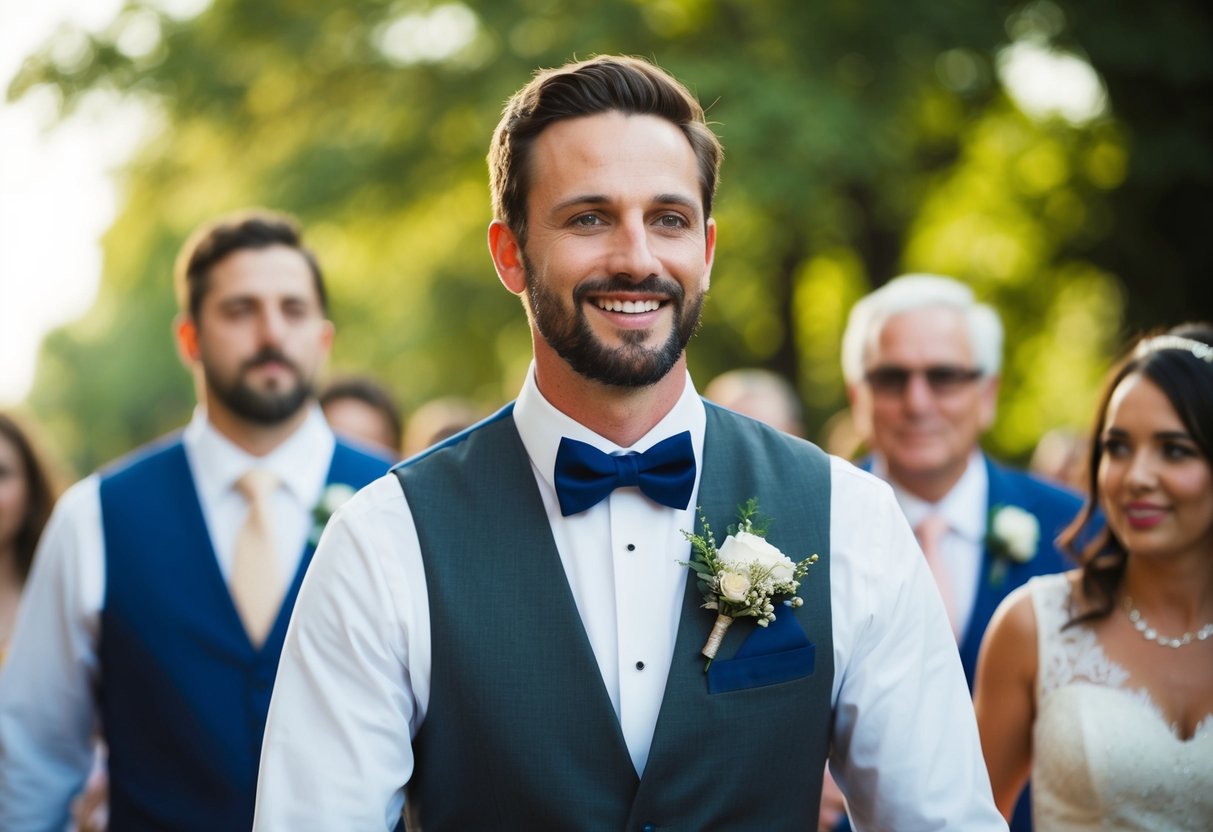
As you plan your ceremony venue, keep in mind how this order fits into the flow of your event. The best man’s position symbolizes his support for the groom while marking a transition to the main event. Understanding this tradition can help you make informed decisions about your wedding arrangements.
The Wedding Processional Order
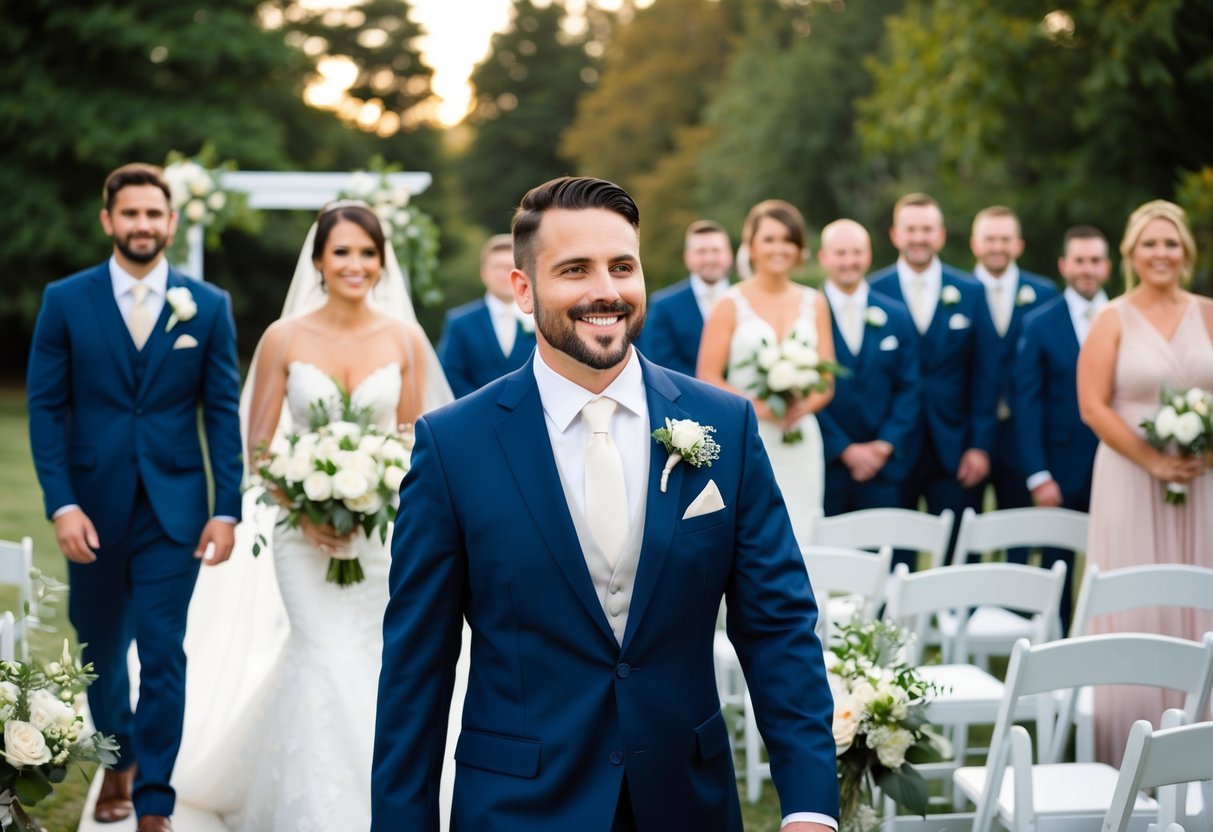
The wedding processional order is key to creating a memorable ceremony. Understanding who walks when and in what order helps everyone feel included and makes the event flow smoothly.
Understanding Traditional Orders
In a traditional wedding processional, the order usually follows a set pattern. Typically, the processional starts with the officiant, followed by the groom and best man. Next, the wedding party walks down the aisle, which includes bridesmaids and groomsmen. The last to walk down is often the bride, escorted by her father or a significant figure.
For example:
- Officiant
- Groom and Best Man
- Bridesmaids and Groomsmen
- Flower Girl and Ring Bearer
- Bride and Father
This traditional order helps create anticipation and excitement for the arrival of the bride.
Variations in Different Cultures
Many cultures have their own unique wedding processional orders. In a Jewish wedding processional, the groom walks down the aisle with both parents. He stands under the chuppah first, while the bride may walk in with both parents.
In Hindu ceremonies, the bride often walks in last, accompanied by her family, showcasing a significant cultural charge.
Catholic and Christian weddings often stick to similar structures, but personal touches are always welcome. For a nondenominational wedding, the processional can be customized creatively to reflect you and your partner’s wishes.
Understanding these variations can enrich your planning and ensure your ceremony is meaningful.
Roles and Responsibilities
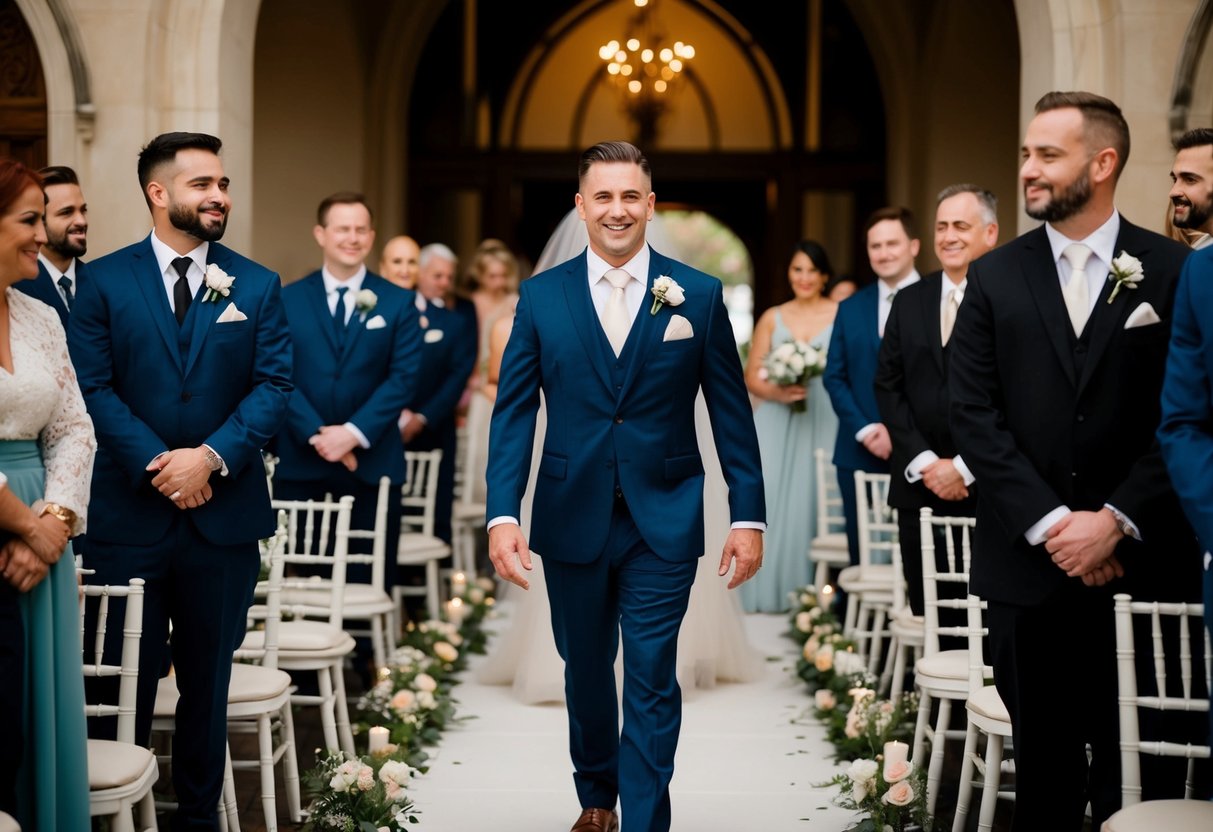
Every member of the wedding party plays a special part in the big day, from the couple to the attendants. Understanding these roles helps everything run smoothly and enhances the joy of the celebration.
Notable Members of the Wedding Party
The wedding party includes important figures like the bride, groom, best man, maid of honor, bridesmaids, and groomsmen. Each person has specific responsibilities to support the couple.
- Bride and Groom: They lead the ceremony and share their vows.
- Best Man: This person helps the groom with various tasks and delivers a speech at the reception.
- Maid of Honor: The bride’s right-hand person who assists with planning and emotional support.
- Bridesmaids and Groomsmen: They stand with the couple during the ceremony and help with any preparations.
This team makes the day memorable by ensuring everything flows well.
Special Roles for Family Members
Family members also play vital roles, adding meaning to the ceremony. Their involvement showcases love and support for the couple.
- Parents of the Bride and Groom: They often walk their child down the aisle. They may also participate in traditions and help with planning.
- Flower Girl and Ring Bearer: These young participants add charm and innocence to the event. They carry the rings and scattered petals, adding to the ceremony’s visual appeal.
- Grandparents: Their presence is significant, celebrating the family’s history and bonding.
Understanding these roles ensures everyone has a part to play, making the day even more special.
Ceremonial Walk Details
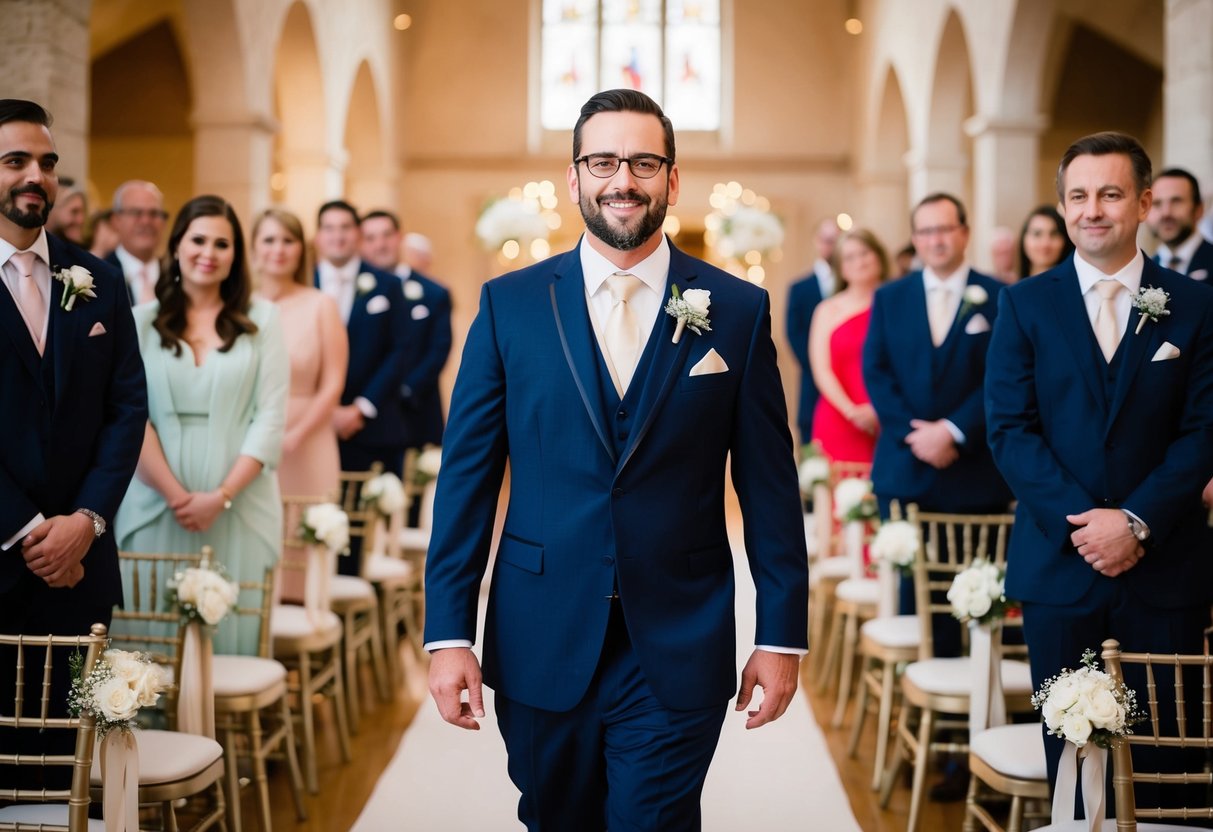
The order of the ceremonial walk is important for setting the tone of your wedding. Each member of the wedding party has a specific role during this special moment. Understanding how everyone enters will help you plan a smooth processional.
Order of Entrance
The best man typically walks in last among the wedding party, creating a strong finish as the groom awaits at the altar. The entrance usually starts with the groomsmen. They walk down the aisle first, followed by the bridesmaids.
Next, the flower girl and ring bearer follow. If included, they add a touch of charm as they walk down the aisle. The next key moment is when the father of the bride escorts her. Traditionally, he walks his daughter down the aisle to give her away, creating an emotional moment.
The groom, standing by the altar, waits for his bride, creating a beautiful focus for the ceremony.
Special Moments to Consider
When planning the order of entrance, think about special moments that can enhance the experience. For example, having the bride’s grandparents enter before the wedding party can honor family traditions.
You might also want to consider having live music or special songs for each part of the processional. Selecting meaningful songs enhances the ambiance and creates lasting memories.
Finally, coordinate with your officiant, as they play a critical role in guiding the ceremony. Clear communication ensures everyone knows when to walk.