
Does the Bride Buy the Bridesmaid Bouquet? Exploring Bouquet Traditions and Responsibilities
Planning a wedding comes with many decisions, including how to handle flowers. You might wonder about the role of bridesmaids when it comes to bouquets. Typically, the bride buys the bridesmaid bouquets, making them a part of her overall wedding design. This choice adds to the visual appeal and ensures that all the floral elements complement each other.
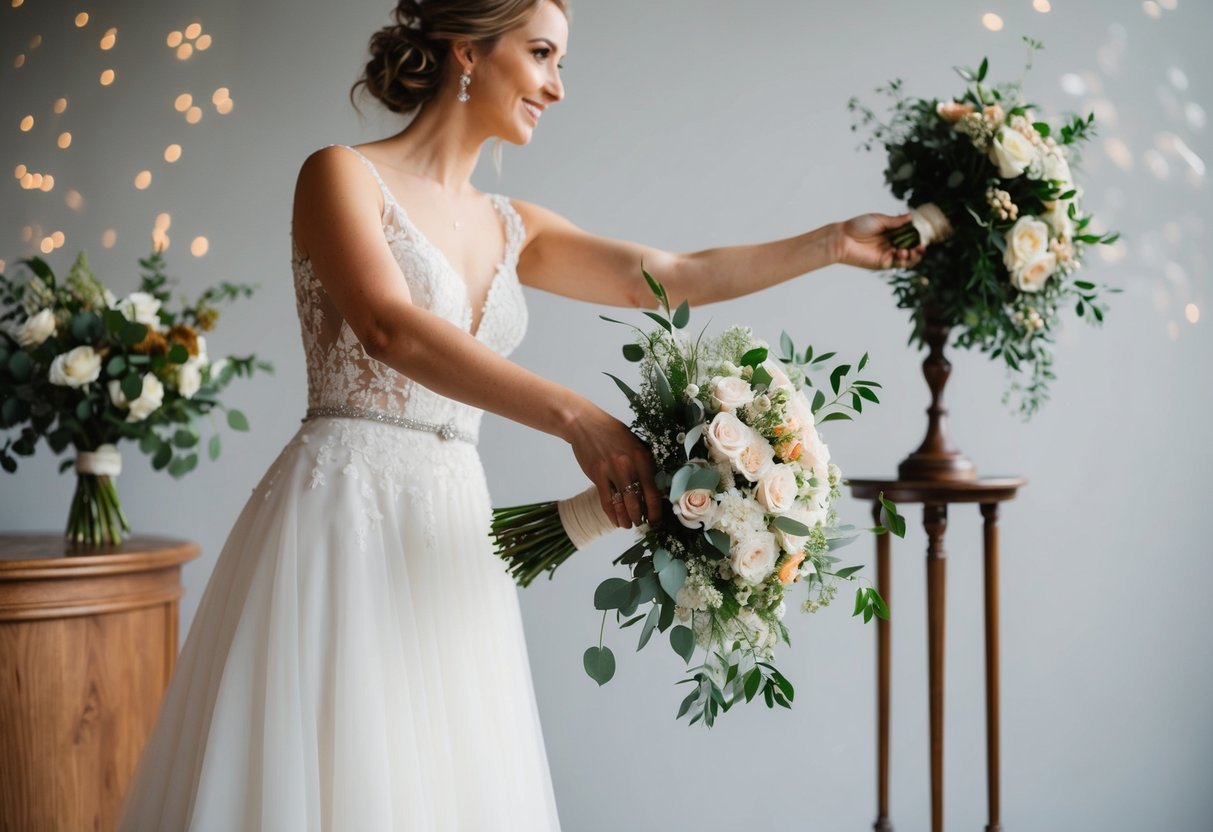
As you navigate through your wedding plans, understanding who pays for what can make the process smoother. From choosing arrangements to budgeting, knowing that the bride generally covers the cost of the bridesmaid bouquets can help you better manage your bridal party’s needs.
It’s a lovely way to show appreciation for your friends while ensuring they look great standing by your side.
Whether you’re leaning toward classic roses or vibrant wildflowers, the flowers you pick can showcase your unique style. Wrapping up those bouquets in beautiful designs creates a harmonious look with your own bouquet, enhancing the special feel of your wedding day.
Understanding Wedding Floral Arrangements
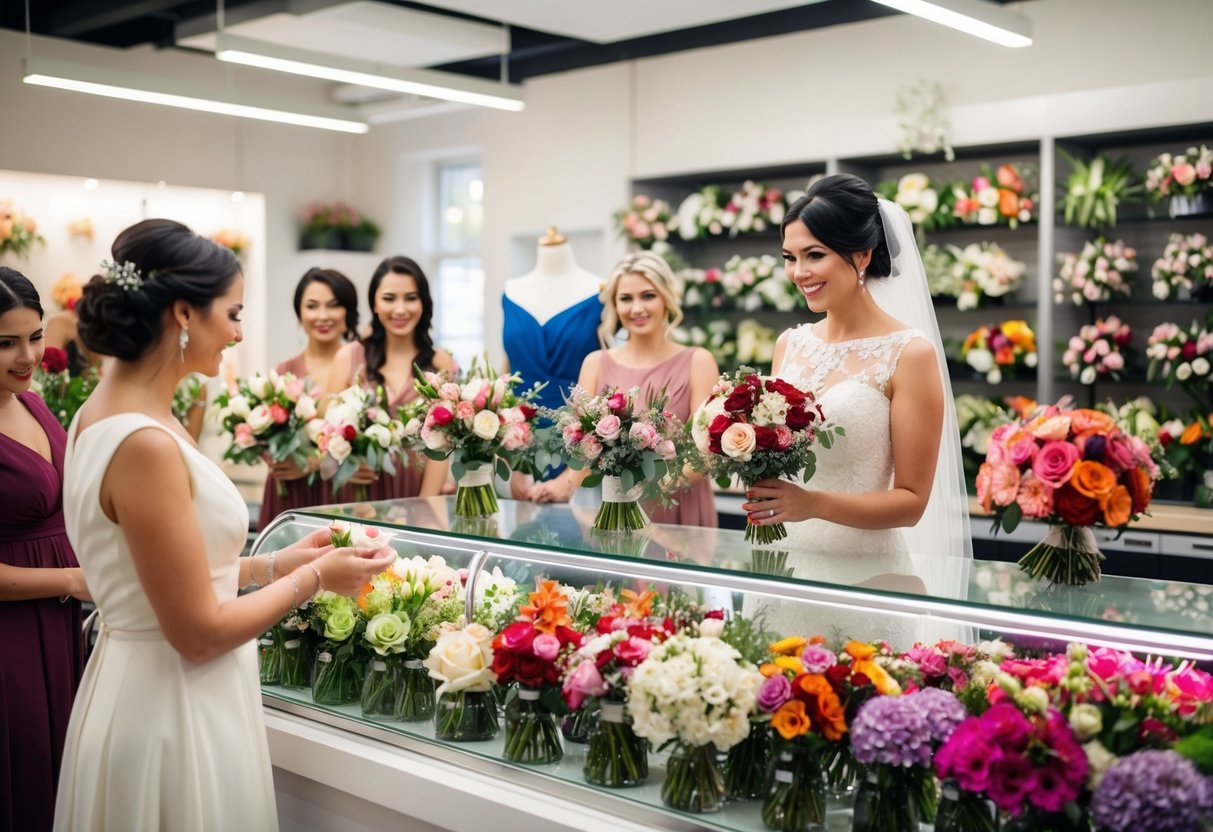
Floral arrangements play a vital role in weddings, reflecting the couple’s style and enhancing the atmosphere. It involves choosing the right colors, flowers, and designs to create a cohesive look throughout the ceremony.
Significance of Bouquets in Wedding Themes
Bouquets are more than just pretty decorations; they symbolize the wedding theme. The bridal bouquet often stands out with unique flowers and designs, emphasizing the bride’s elegance and style.
Bridesmaid bouquets usually complement the bridal bouquet but can be simpler. This adds to the visual harmony of the event.
Choosing flowers that match the wedding theme and color palette helps unify decorations and outfits.
Personalization can also shine through. You might select flowers with special meanings or colors that represent personal stories, enhancing the emotional connection.
Components of the Bridal Party Floral Look
Creating a beautiful bridal party look involves several key components. Start with the bridal bouquet, which should reflect your style. It often features a vibrant mix of flowers, adding elegance to your appearance.
Next, consider the bridesmaid bouquets. These arrangements should harmonize with your bouquet without overshadowing it. Using similar flowers or colors ties everything together.
Don’t forget about the overall color palette. Consistency in colors across all arrangements will create a more cohesive and polished look.
Your choice of flowers should also align with your wedding theme, whether it’s romantic, rustic, or modern. Each element should work together to create a beautiful and memorable day.
Financial Etiquette for Weddings
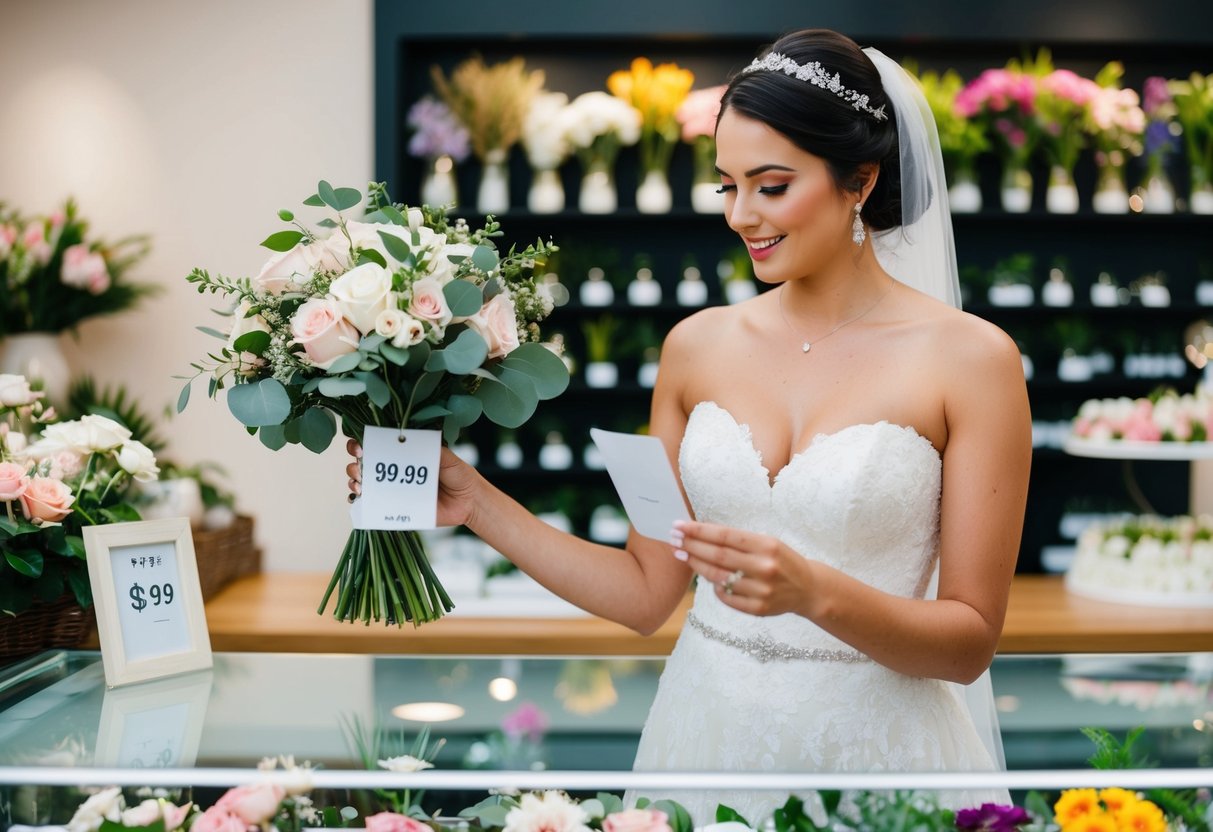
Managing finances for a wedding can be tricky. Understanding who pays for what helps prevent misunderstandings and keeps the focus on celebrating. It’s essential to consider costs like the bridal and bridesmaid bouquets and how to allocate your wedding flower budget effectively.
Deciphering ‘Who Pays for What’
Traditionally, the bride’s family covers most wedding expenses. This often includes the ceremony venue, bridal attire, and the reception venue. The groom’s family typically pays for the rehearsal dinner and guest transportation.
However, these roles can shift based on personal preferences and financial situations. Many couples choose to split costs or handle specific expenses together.
Knowing the primary responsibilities helps you plan a comprehensive budget and set clear expectations for everyone involved.
Bridal Bouquet and Bridesmaid Bouquets Costs
You might wonder if the bride buys the bridesmaid bouquets. Traditionally, the bride handles these expenses, too. This includes selecting the flowers and paying for the arrangement.
Brides sometimes buy their bridal bouquet and the bouquets for their bridesmaids as a way to show appreciation for their support.
You can consider this when planning your wedding flower budget. Set aside funds specifically for these expenses to avoid surprises later.
Allocating the Wedding Flower Budget
Creating a wedding flower budget involves breaking down costs to see where your money will go.
First, list all floral items you’ll need, like the bridal bouquet, bridesmaid bouquets, boutonnieres, and centerpieces.
Then, prioritize what’s most important to you. You might want to allocate a larger portion of your budget to the bridal bouquet if it’s a key element in your wedding.
By tracking these expenses carefully, you can better manage your overall wedding budget and ensure you get all the flowers you desire without overspending.
Designing a Cohesive Bridal Party Look
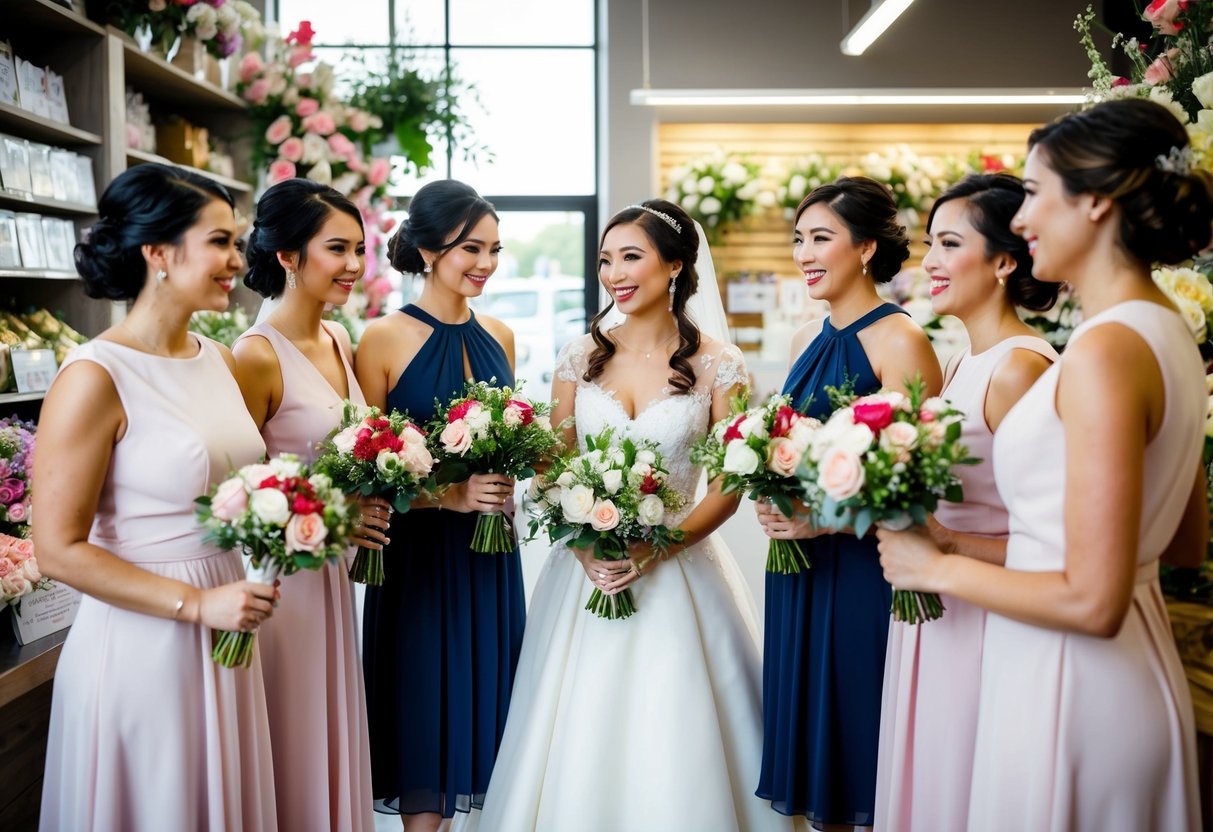
Creating a cohesive bridal party look is important for the overall aesthetic of your wedding. You can achieve this by focusing on how the bouquets interact with bridesmaid dresses and incorporating individual styles while maintaining unity.
Matching Bouquets to Bridesmaid Dresses
When choosing bouquets, consider the colors and styles of your bridesmaid dresses. You want the bouquets to complement the dresses without clashing.
- Color Harmony: Use flowers that reflect the color palette of the dresses. For example, if the dresses are navy, opt for soft white or light pink bouquets for a striking contrast.
- Size Matters: Match the size of the bouquets with the dresses. If your bridesmaids are wearing long flowy dresses, cascading bouquets can add elegance. For shorter dresses, a more compact bouquet may work better.
Keep in mind the overall design of the wedding to ensure everything looks coordinated.
Selecting Bouquets That Reflect Individuality
While a cohesive look is essential, you can also celebrate individuality among your bridesmaids.
- Personal Preferences: Let each bridesmaid choose flowers that resonate with them, while keeping within the overall theme.
- Different Styles: You can have different bouquet shapes, like rounded or cascading, to reflect each bridesmaid’s personality. This adds character to your bridal party.
Encourage your bridesmaids to collaborate on their bouquet designs. This way, they can feel a connection to their flowers while still looking unified with the group.
Practical Tips for Wedding Planning
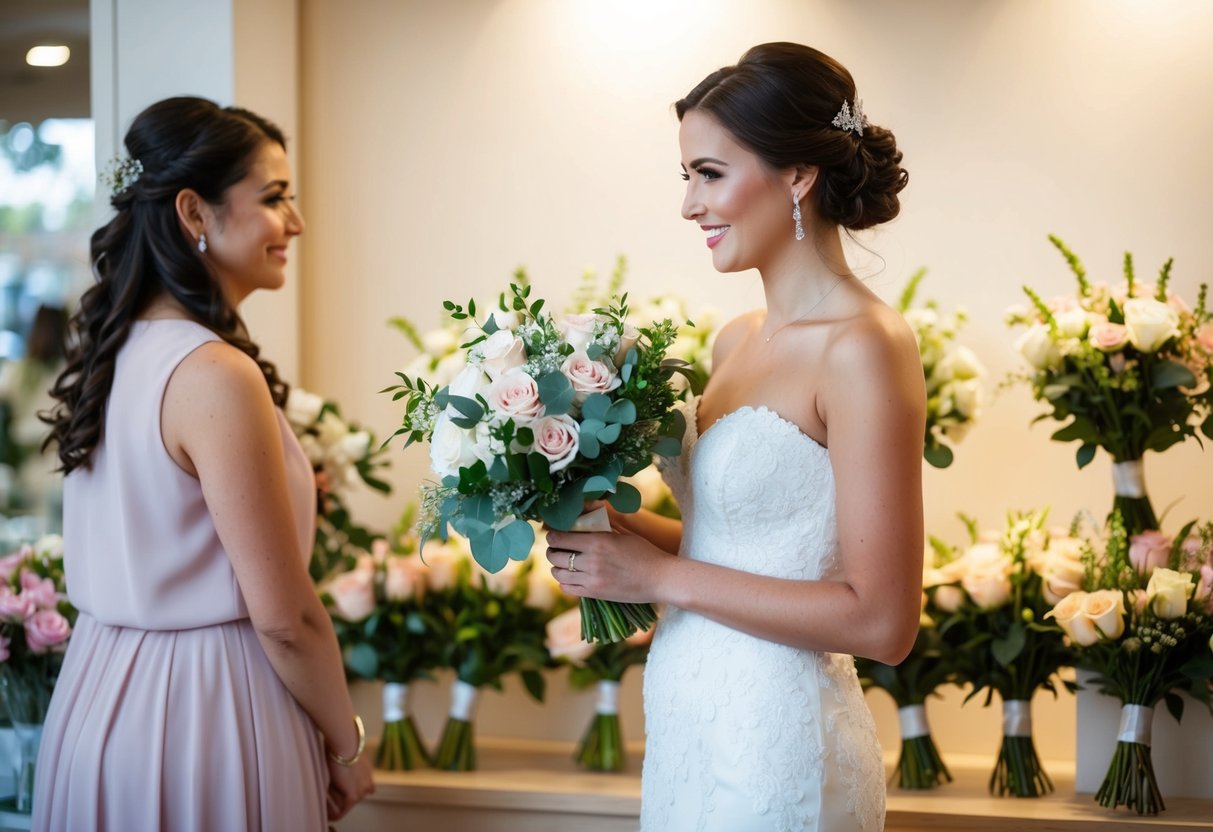
When planning your wedding, focusing on details like flowers can help keep the costs and aesthetics in check. Here are some practical tips regarding selecting flowers and managing expenses for your bridal party.
Choosing In-Season Flowers
Selecting in-season flowers can save you money and ensure freshness. Flowers that are in-season are generally more readily available and cost-effective.
Examples of In-Season Flowers:
- Spring: Tulips, daffodils, and peonies.
- Summer: Sunflowers, dahlias, and roses.
- Fall: Mums, zinnias, and asters.
- Winter: Poinsettias, evergreens, and amaryllis.
By choosing these blooms, you can create beautiful bouquets without breaking your budget. Plus, in-season flowers fit better with the seasonal theme of your wedding.
Managing Wedding Reception Flowers
Your wedding reception is a key area where flowers can enhance the atmosphere. It’s essential to plan strategically.
Here are some tips:
- Create a Flower Budget: Determine how much you want to spend on reception flowers.
- Prioritize Key Areas: Focus on high-impact areas like centerpieces and entryways.
- Mix Fresh and Faux: Using a combination of real and artificial flowers can cut costs.
Consider repurposing bouquets from your ceremony for the reception to maximize your budget.
Considering Additional Bridal Party Expenses
When planning, keep in mind all costs associated with your bridal party. This includes not just bouquets but also travel, accommodation, and any professional services required.
Key Expenses Might Include:
- Professional Hair and Makeup: Budget for beauty services to ensure your party looks their best.
- Travel and Accommodation: If your wedding is at a destination, account for these costs as well.
- Corsages: Don’t forget the extra cost for corsages, which may be a lovely addition for mothers or special guests.
Planning ahead and discussing costs with your bridal party can help ensure everyone feels comfortable with their roles and expenses.