
Does the Bride Dance with Her Father at the Wedding? Exploring this Heartwarming Tradition
A wedding is filled with special moments, and one of the most touching is the father-daughter dance.
Traditionally, the bride dances with her father during the wedding. This creates a moment that honors their relationship and the journey they’ve shared. This dance is not just a celebration but also a heartfelt way to show gratitude and love.
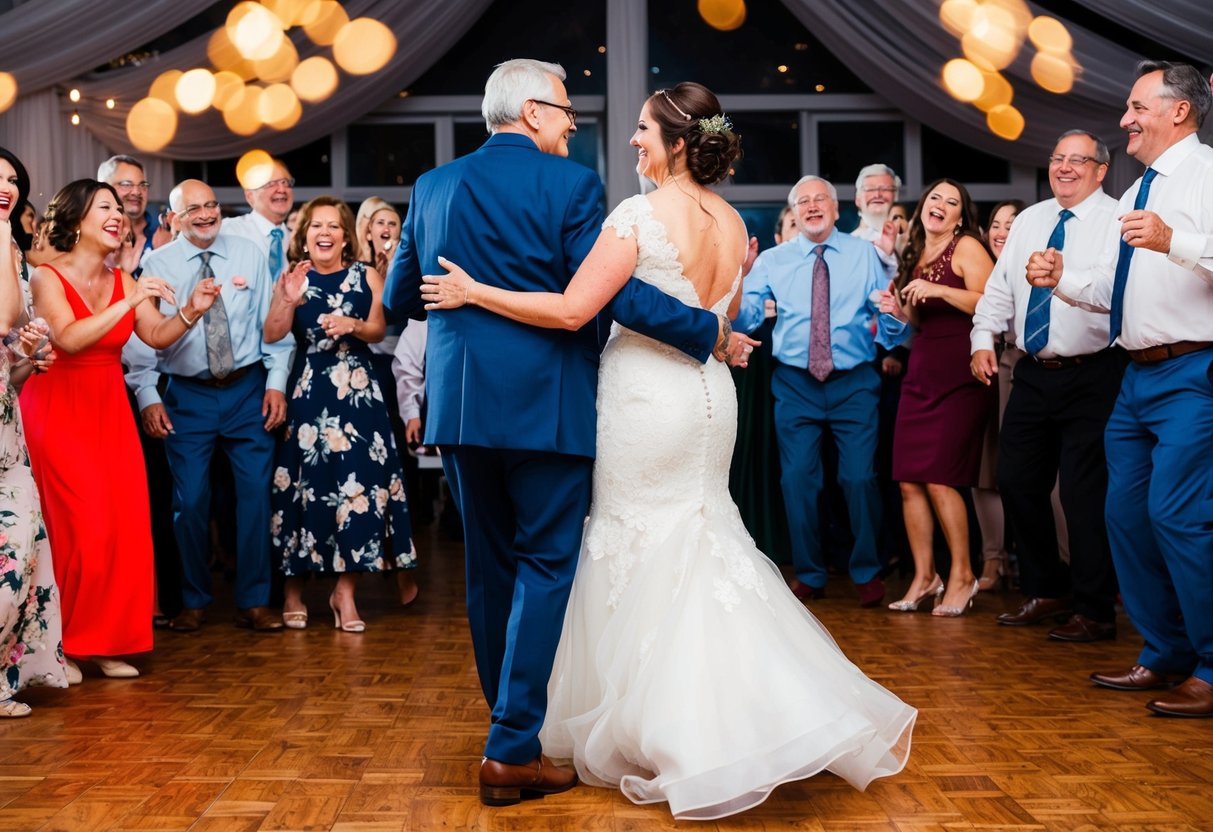
While the father-daughter dance is a common tradition, it’s important to know that you have options. Some brides may choose not to have this dance due to personal reasons or may want to include other significant family members. Customizing this moment can make it even more special for you and your loved ones.
Whether you decide to follow this tradition or create your own version of it, the focus should be on what makes you feel comfortable and happy. The wedding day is about celebrating your love, and every choice, including the dance, should reflect that joy.
The Significance of Father-Daughter Dance at Weddings
The father-daughter dance is a cherished moment at weddings. It represents love, support, and transition in a woman’s life. This dance is steeped in tradition and offers emotional highlights that make it memorable for everyone involved.
Historical Context of the Father-Daughter Dance
The father-daughter dance has deep roots in wedding traditions. Historically, it symbolized the transfer of the bride from her father to her husband. In many cultures, this dance marked the father’s last opportunity to publicly express approval before the marriage.
In the past, marriages were often arranged. The dance was a way to honor the father’s role in raising his daughter. It acknowledged his support as she steps into a new life phase.
Today, this dance continues to reflect a special bond. It allows the father of the bride to celebrate his daughter’s new journey while reminiscing on shared memories.
Emotional Highlights and Tender Moments
The father-daughter dance is often filled with emotional moments. As you share this dance, it becomes a time to express gratitude for the father’s love and guidance.
Many brides choose a song that resonates with their relationship. This creates an atmosphere of warmth and connection. The dance can evoke cherished memories, strengthening the bond between you and your father.
During this time, you might share a few laughs, tears, or even quiet reflections. It’s a unique chance to honor your relationship before making a new one with your spouse. These tender moments make the wedding unforgettable for both you and your guests.
Planning the Father-Daughter Dance
Your father-daughter dance is a special moment at your wedding. It allows you to celebrate your bond and kick off the evening’s festivities. Careful planning will make this moment memorable for both of you.
Selecting the Perfect Father-Daughter Dance Song
Choosing the right song is essential for this dance. It should reflect your relationship and evoke emotions.
Listen to a few options together with your dad. Discuss the meaning behind each song and how it makes you feel. This can help you both find a song that resonates with your shared memories.
Coordinating with the DJ or Band
Communicating your song choice with your DJ or band is crucial. Make sure they know the specifics of when the father-daughter dance will occur. Share details, like how you want the introduction to be.
Provide them with a backup song in case of any technical issues. Discuss the tempo and any special lighting effects you might want. This will enhance the atmosphere and make the moment even more special.
By coordinating closely, you’ll ensure everything runs smoothly on your big day.
Order and Etiquette of Wedding Dances
Your wedding is a significant event, and the order of dances adds to its emotional touch. Knowing how to navigate this will help create memorable moments for you and your guests.
Sequence of Dances at the Reception
The sequence of dances typically starts with the Grand Entrance, where you and your wedding party are introduced. This sets the tone for the evening.
Next, you share your First Dance as a couple, symbolizing your new life together.
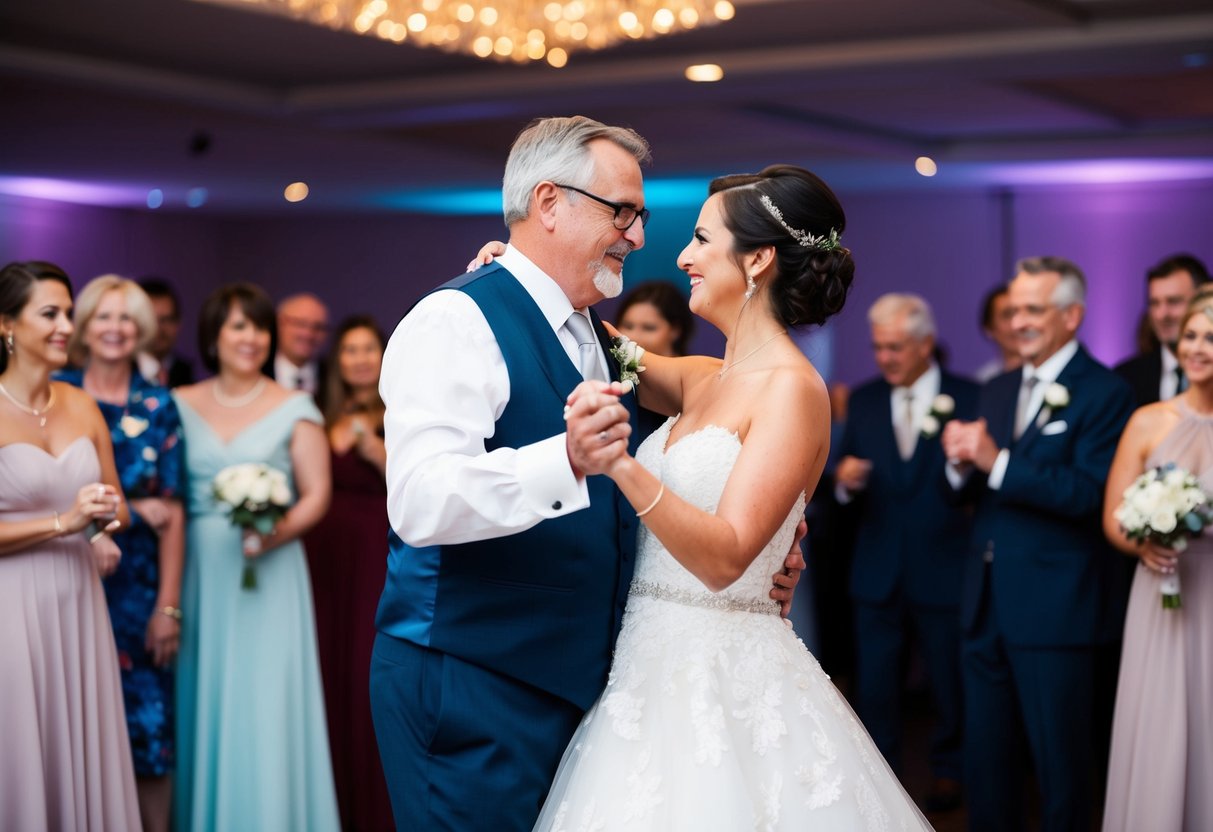
Following your dance, the Father-Daughter Dance takes place, highlighting the special bond between you and your dad. Afterward, the Mother-Son Dance honors your groom’s relationship with his mother.
Other dances may include wedding party dances and group dances that get guests involved. All these moments make the evening special.
Involving Step-Parents and Non-Traditional Families
When it comes to dance time, it’s important to consider all family dynamics. If you have a step-parent, you might want to include them in the Parent Dances.
For instance, you could have a dance with your father and then invite your step-father to join in. This shows respect for everyone’s role in your life.
Non-traditional families can also create their own customs. Feel free to include any significant people in your life during the dances. It’s your day, and honoring those relationships makes it meaningful.
Participation and Variations in Dance Traditions
In weddings, dance traditions can vary widely based on culture, personal choices, and modern trends. You will find alternatives to the father-daughter dance, along with ways to engage guests beyond the principal dances, creating memorable experiences for everyone involved.
Alternative Traditions and Modern Adaptations
Many couples choose to adapt or change traditional dance customs to fit their personal style.
For instance, some brides might opt for a special moment with both parents instead of a father-daughter dance. Others may even incorporate a joint dance with the groom and both sets of parents.
Debutante balls also showcase unique dance practices where young women are presented to society. Couples may also include various cultural dances that reflect their heritage, allowing everyone to share in the celebration.
Modern weddings can feature a mix of music and dance styles, enabling couples to break from tradition comfortably. You might see dance-offs or group dances that include your wedding party and guests, making memories that last a lifetime.
Engaging Guests Beyond the Principal Dances
Once the main dances like the father-daughter and mother-son dances are complete, excitement doesn’t have to end. Engaging your guests is essential for a fun atmosphere.
Consider incorporating a bouquet toss or garter toss. These activities help keep spirits high and encourage participation.
During the cocktail hour, creating a lively atmosphere with music encourages spontaneous dancing. Guests will feel invited to join in, strengthening connections and adding fun to your special day.
You can also invite guests to share the dance floor later in the evening, allowing them to mingle and enjoy each other’s company.
Simple prompts, like group dance challenges or line dances, can get everyone involved and create lasting memories.