
Does the Bride Dance with the Groom’s Father? Understanding Wedding Traditions
When it comes to wedding traditions, you might wonder if the bride dances with the groom’s father. In many weddings, this dance is a special moment that symbolizes the connection between families and celebrates the new union. It is not a strict rule, so couples can decide based on personal preferences and family dynamics.
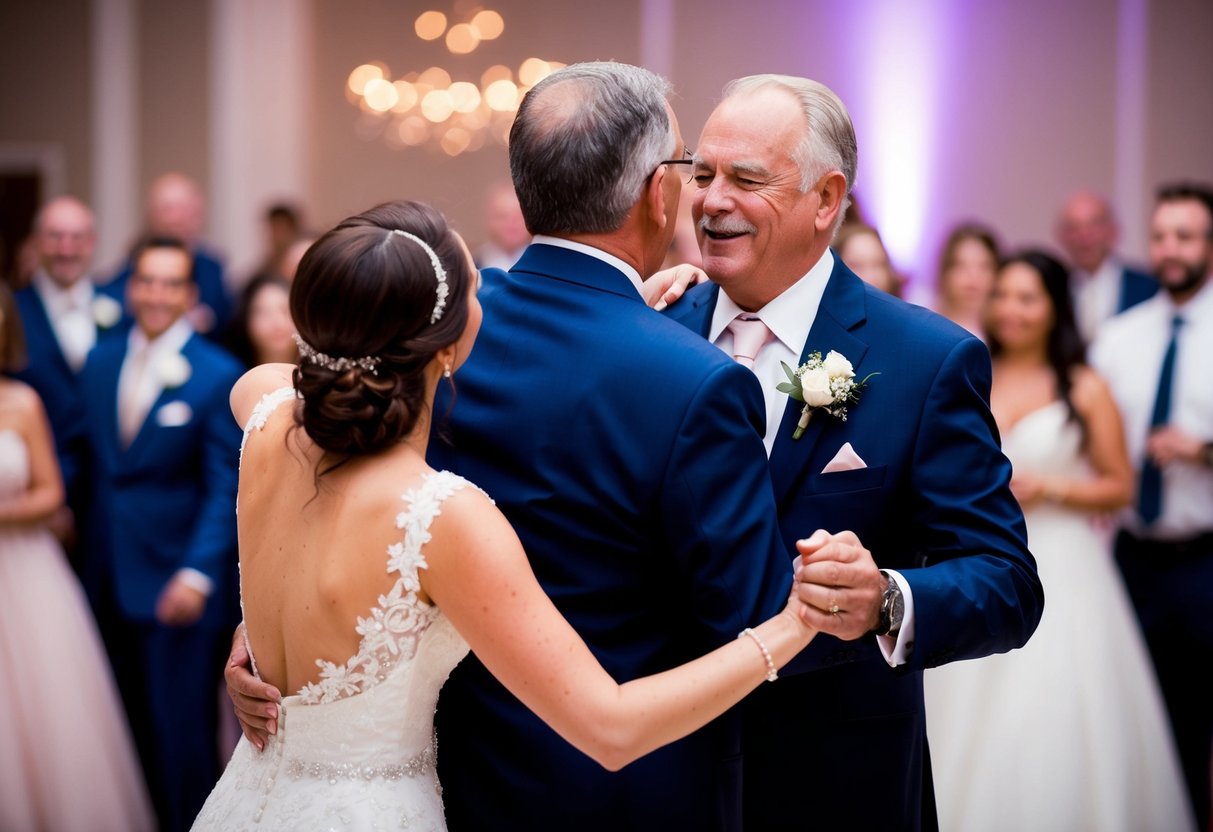
Some brides choose to honor this tradition, while others may skip it or replace it with a dance for another family member. If you’re planning your wedding, understanding these traditions can help you decide what feels right for you.
As you think about your own wedding dance order, knowing the significance of the bride’s dance with the groom’s father can add a meaningful touch to your celebration. Whether you decide to include this dance or not, it’s all about what resonates with you and your loved ones.
Wedding Dance Traditions
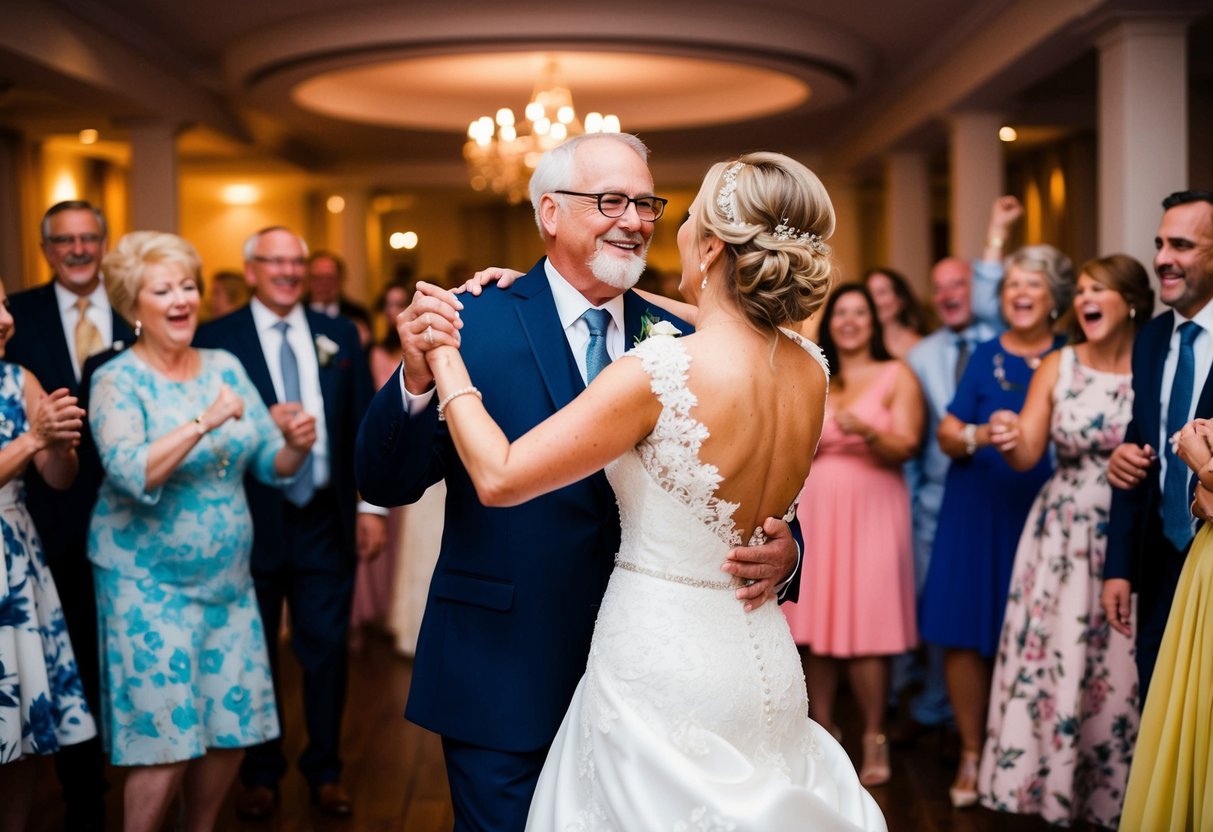
Wedding dances hold a special place in ceremonies, symbolizing love and unity. These traditions can vary widely, reflecting cultural backgrounds and personal preferences.
The Role of Dance in Weddings
Dance is a key element of many weddings, especially during the reception. It often begins with a first dance for the couple, setting the tone for the festivities. This moment showcases their bond and love.
Following the couple, parent dances typically follow. Traditionally, the father-daughter dance takes place, which celebrates their relationship. Then, the groom may dance with his mother. These moments highlight family connections and honor parental roles.
In some cases, additional dances, like the bride dancing with the groom’s father, may occur. This dance symbolizes the joining of families and adds depth to the celebration.
Variations Across Cultures
Wedding dance traditions vary greatly around the world. In many cultures, specific dances represent important rituals. For instance, in some African cultures, group dances are popular, involving friends and family members actively participating.
In contrast, Asian weddings often feature traditional dances that showcase cultural heritage. For example, the Baraat in Indian weddings includes a lively procession with dancing to celebrate the groom’s arrival.
These cultural dances create a unique atmosphere at the reception, allowing everyone to engage and share in the joy. Understanding these traditions can enhance your wedding experience and honor your roots.
The Wedding Reception Timeline
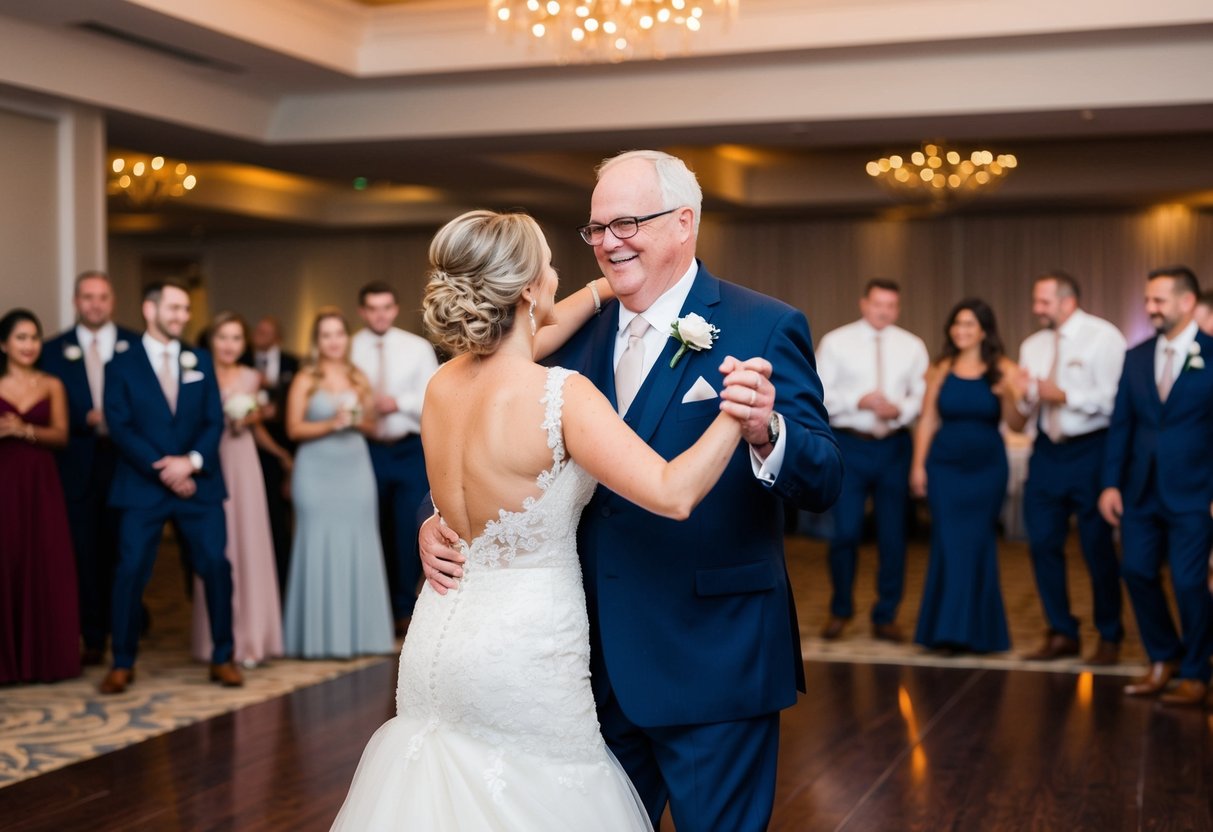
Understanding the wedding reception timeline helps you plan the events of your big day. Each moment adds to the joy and celebration, from entrances to dances and cake cutting.
Grand Entrance
The reception kicks off with the grand entrance. This is when you and your partner are introduced to your guests. It sets the tone for the evening, so it’s important to choose a lively song that reflects your style.
Your wedding party follows you in, which may include your parents, bridesmaids, and groomsmen. They help create a festive atmosphere. Encourage everyone to bring their energy, as this moment is all about celebration.
Once everyone is announced, it’s common to share a few words of welcome. This is where you can express gratitude for your guests’ presence and excitement for the night ahead.
Parent Dances
The parent dances hold a special place in the reception. You start with the father-daughter dance, which often brings heartfelt emotions. It’s a moment to cherish as you share the spotlight with your dad.
Next comes the mother-son dance. This moment also carries a lot of emotion, showcasing your bond with your mom. These dances not only honor your parents but also set a loving tone for the evening.
After these dances, it can be nice to invite other family members to join in, creating a warm atmosphere. You may choose to dance with the groom’s father or the bride’s mother to include them and make everyone feel appreciated.
Cake Cutting and Beyond
Following the dances, you’ll move on to the cake cutting ceremony. This is a fun event where you both take part in cutting the cake together. It often symbolizes your first task as a married couple.
After cutting the cake, it’s time to celebrate! You may choose to have a small piece fed to each other, adding laughter to the moment. Guests will enjoy capturing this lighthearted activity on camera.
Once the cake is cut, it’s time for the post-cake cutting dancing. This is when the dance floor really comes alive. Encourage your guests to join in and celebrate with you. This energetic part of the evening is vital for creating fun memories.
Special Dances and Moments
Special dances at weddings create unforgettable moments that highlight the importance of family and love. These dances often bring emotions to the surface, making the occasion more meaningful for everyone involved.
Father of the Bride Dance
The father of the bride dance is one of the most touching moments at a wedding. This dance symbolizes the bond between a father and his daughter. It’s a chance for you to share a heartfelt moment, often filled with joy and a few tears.
Typically, this dance occurs shortly after the couple’s first dance. The song choice can be sentimental or fun, reflecting your unique relationship. Many brides choose a classic tune that resonates with special memories.
This moment is not only special for you but also for your father. It allows him to showcase his pride in you as you begin this new chapter of your life. It often sets a warm tone for the rest of the evening.
Anniversary Dance
The anniversary dance celebrates love and commitment in all its forms. During this moment, all married couples are invited to the dance floor. The DJ usually announces the years of marriage, inviting couples to stay on the dance floor as the years are counted down.
You might find it charming to see grandparents or long-time friends share their love stories. This is a beautiful way to acknowledge enduring relationships and inspire everyone in attendance. The last couple standing is often the one married the longest, which adds a fun competition element.
This dance creates a wonderful atmosphere and encourages guests to reflect on their own journeys. It strengthens the sense of community and love present at your wedding.
Last Dance
The last dance is a perfect way to end your reception on a high note. This dance is often emotional and a bit bittersweet, as it wraps up a day filled with joy and celebration.
Typically, the bride and groom share this moment together, surrounded by loved ones. You might choose a slow song that holds meaning for both of you. This allows everyone to savor those final moments together.
As the celebration winds down, it’s common for guests to join in for a group dance. This creates a warm and collective experience, ensuring you leave with cherished memories. The last dance is a beautiful conclusion to a day you will always remember.
Determining the Dance Partners
Choosing dance partners for your wedding involves considering tradition and personal style. The dances can create memorable moments, so it’s important to decide who will participate and how.
Order of Dances
Typically, the order of dances starts with the bride and groom. This special moment sets the tone for the evening. After this, it’s common for the bride to dance with her father and the groom with his mother.
Following those dances, the bride may dance with the groom’s father. This symbolizes the joining of families. The groom then often dances with the bride’s mother. This flow creates a warm atmosphere among the wedding party.
Make sure everyone understands their role ahead of time. You can share a simple list or table of dance partners to keep things organized.
Customizing the Dance Experience
You can personalize the dance experience to fit your wedding style. Think about your preferences and those of your partners.
Some couples choose to add special dances, like a group dance with the entire wedding party. Others might prefer a fun twist, such as a choreographed routine.
Consider the mood you want to create. Do you want it to be formal or laid-back? Selecting unique songs that resonate with you can enhance the moment.
Talk with your dance partners to make sure they feel comfortable. Customizing the experience will make the dances even more memorable for everyone involved.