
Does the Bride Participate in the Rehearsal? Understanding Her Role in Wedding Preparations
When planning your wedding, you might wonder about the role of the bride in the rehearsal. The bride does participate in the rehearsal along with the groom, wedding party, and other key people. This practice is essential for making sure everyone knows their part in the ceremony.
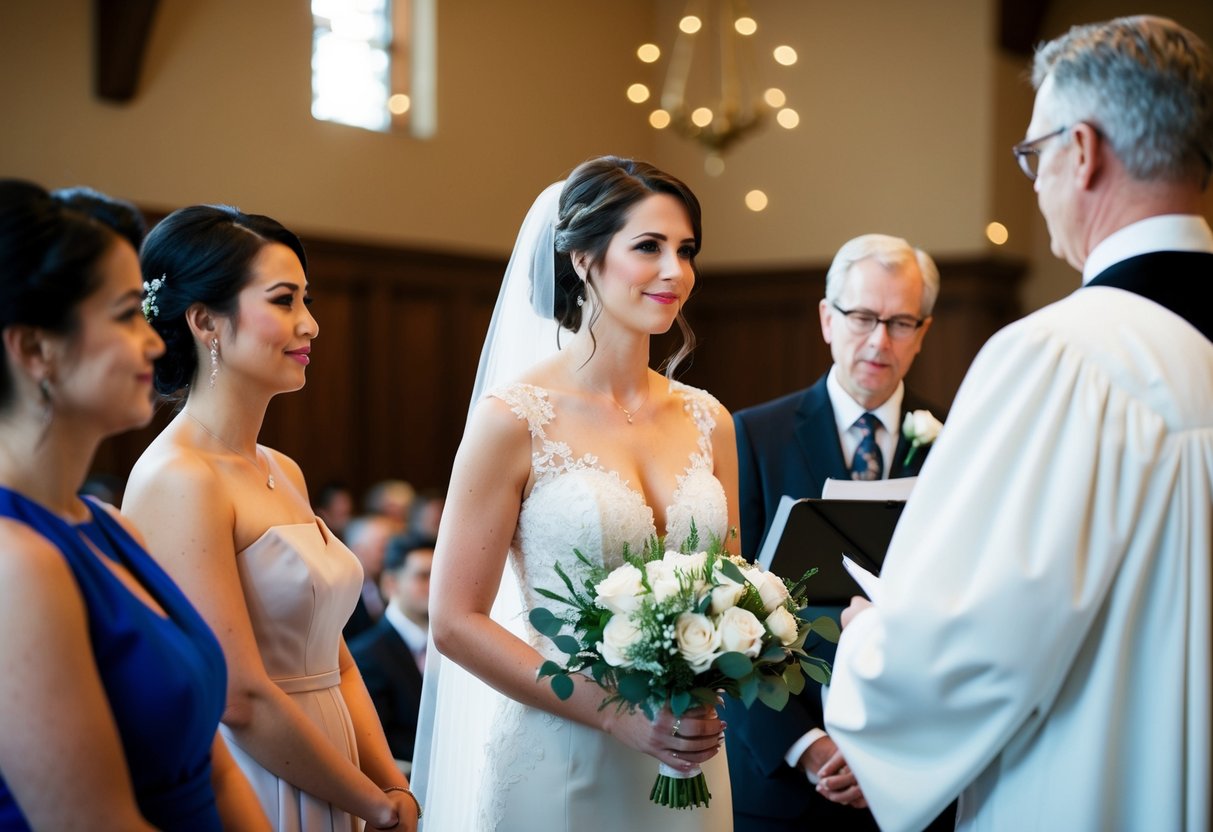
You’ll find that taking part in the rehearsal helps ease any nerves you might have about the big day. It’s not just about walking down the aisle; it’s a chance to run through the flow of the ceremony and ensure everyone is on the same page.
Whether you are a hands-on planner or prefer to take a step back, being present at the rehearsal allows you to feel prepared and confident for your wedding day. So, don’t skip this important moment; it will make a difference!
Importance of the Wedding Rehearsal
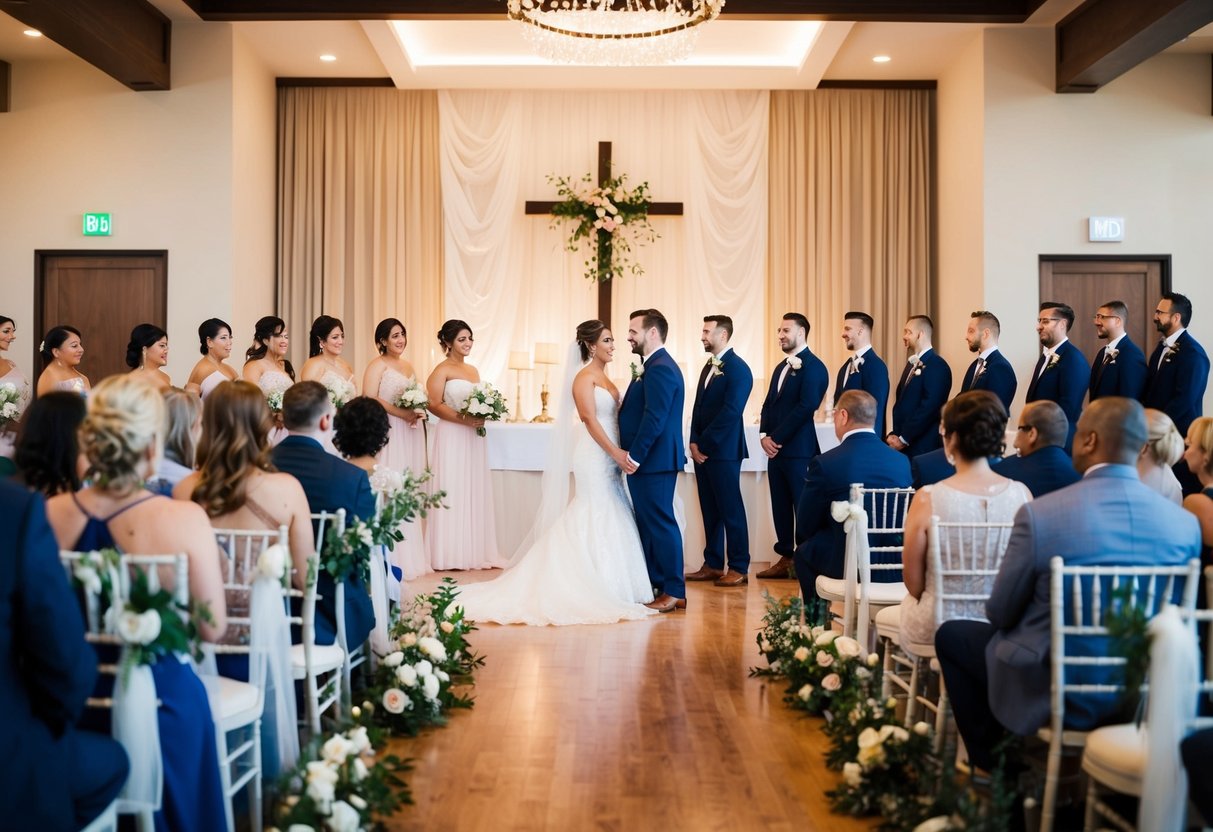
A wedding rehearsal is crucial for making sure everything flows smoothly on your big day. It helps you and your wedding party understand their roles, practice important moments, and iron out any details. This preparation reduces stress and builds confidence for everyone involved.
Role of the Bride in Rehearsal
As the bride, your presence at the rehearsal is vital. You’ll practice walking down the aisle, which helps you feel more at ease on the wedding day. This is your chance to connect with your groom, bridal party, and family.
Involving others in the rehearsal adds to the experience. You can share important moments with your bridesmaids and get their support. This helps build excitement as you all prepare together for the wedding.
Processional and Recessional Practice
During the rehearsal, you’ll work on the processional and recessional. The processional is when you walk down the aisle. It’s important to know when to start walking and where to stand at the altar.
The recessional happens right after the ceremony. You will practice walking out with your groom and wedding party. Having this practice helps keep everyone coordinated, ensuring that the transitions are smooth.
Knowing the order of procession can eliminate confusion. This way, everyone knows when and where to walk, making your entrance and exit memorable.
Ceremony Run-Through
The ceremony run-through is where you’ll cover all the important parts of the wedding. This includes readings, vows, and musical cues. Familiarizing yourself with each section helps everyone stay on the same page.
During this time, you can also identify potential issues. If something doesn’t feel right, you have time to adjust. By the end of the rehearsal, you’ll have a clear understanding of the flow.
Practice makes perfect. The more you and your bridal party rehearse, the more confident you will feel on your wedding day.
Participants and Their Responsibilities
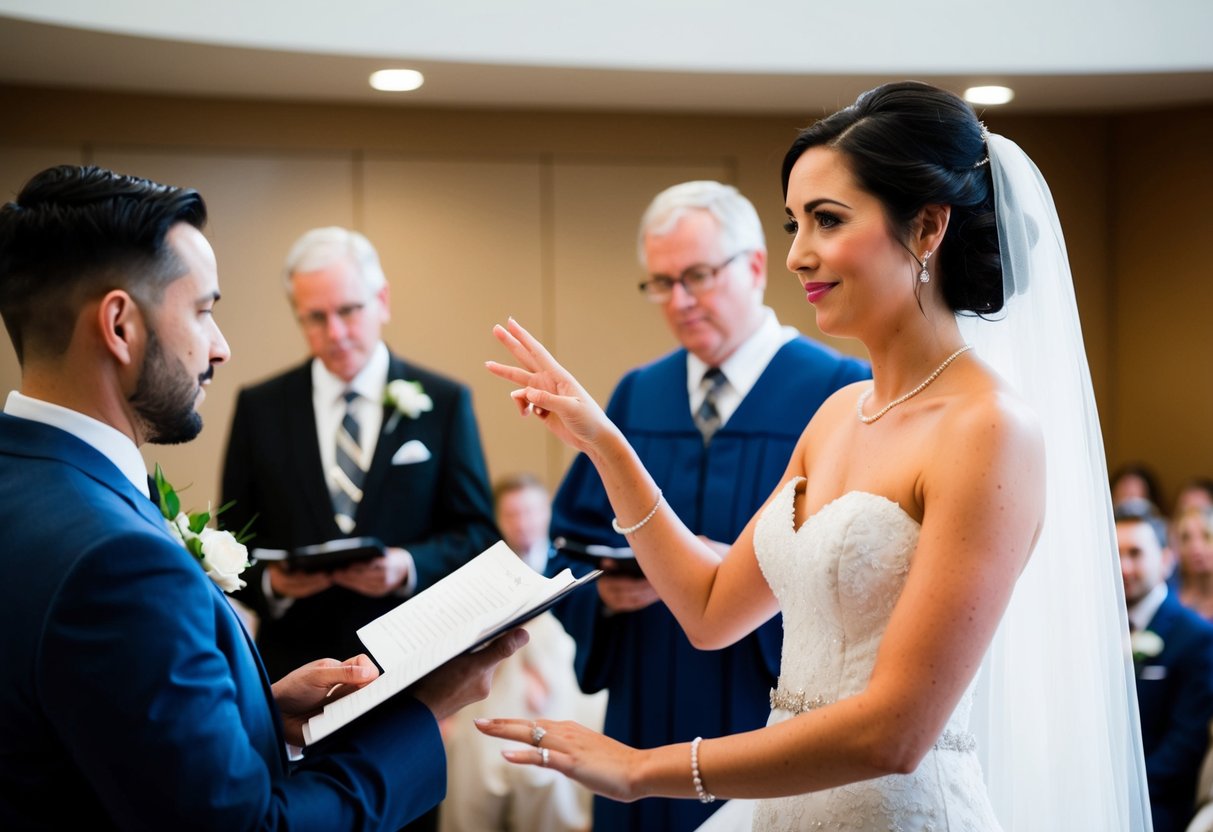
In a wedding rehearsal, each participant has specific roles that help everything go smoothly on the big day. Knowing these responsibilities can make the ceremony flow effortlessly. Here are the key participants and what they need to do.
Duties of the Wedding Party
Your wedding party plays a vital role in the rehearsal. Each member, including bridesmaids, groomsmen, the maid of honor, and the best man, should know their positions and tasks during the ceremony.
Bridesmaids and groomsmen should practice walking down the aisle, standing in the right spots, and supporting you as needed. The maid of honor helps the bride with her dress and bouquet, while the best man supports the groom and may have a speech to prepare.
Everyone should be aware of their timings to ensure a unified look and feel. Utilizing this time to practice will help build confidence for when the actual event occurs.
Roles of Family Members
Family members have important duties during the rehearsal. The parents of the bride and groom are typically involved in leading their children down the aisle. They should know where to stand and what to do at various points in the ceremony.
Ushers have a responsibility to guide guests to their seats. This ensures that the guests arrive on time and that the ceremony can begin without delays.
Additionally, flower girls and ring bearers should rehearse their parts as well. They need to understand how to walk down the aisle and when to present the rings, helping create a delightful experience for everyone.
Expectations for Officiants and Performers
The officiant is crucial to the ceremony, so their role during the rehearsal is significant. They guide everyone through the ritual steps, ensuring that the right elements are in place. This includes understanding where everyone stands and outlining the sequence of events.
Performers, such as musicians or singers, should participate to know when to start and stop. They also need to coordinate with the timing of the ceremony. Clear communication with the officiant about any special rituals or songs can make the ceremony even more memorable.
Rehearsal Dinner and Pre-Wedding Celebrations
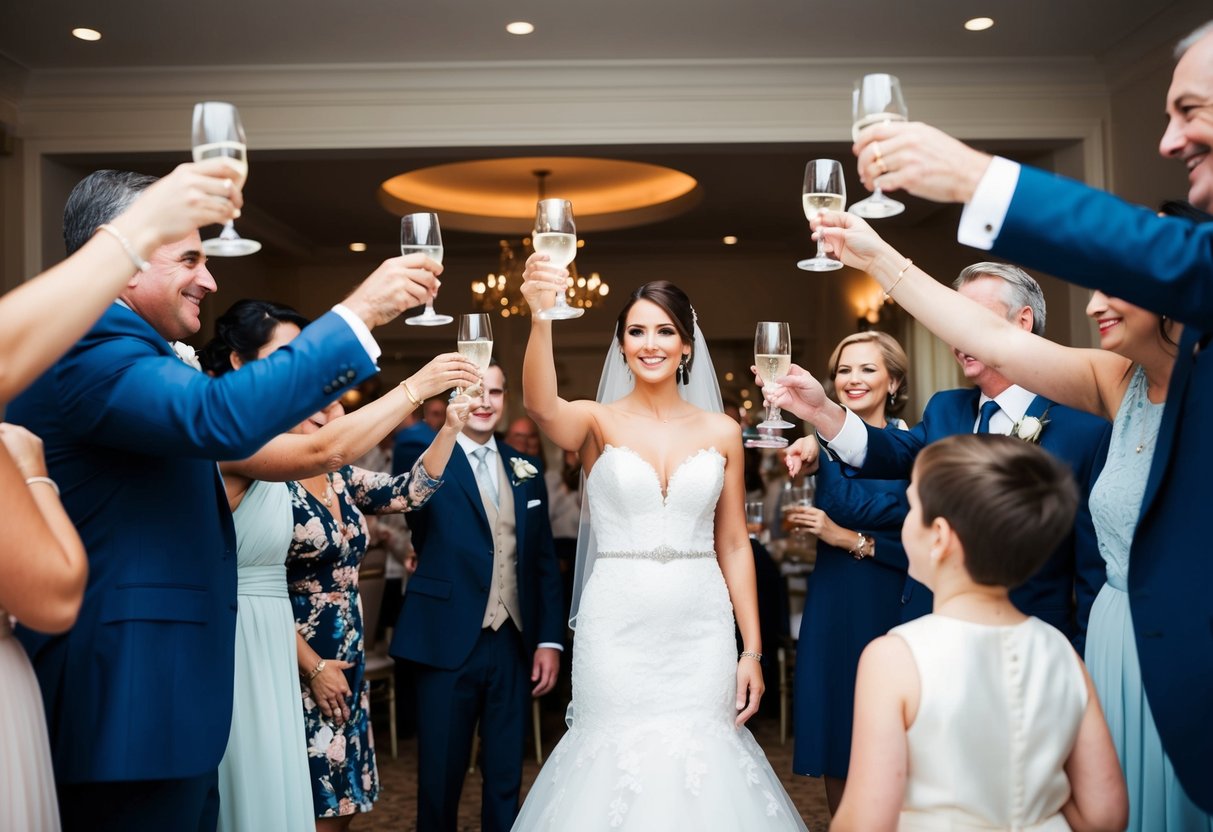
These events play a big role in bringing everyone together before the big day. They help set the tone for the wedding and create cherished memories with family and friends.
Rehearsal Dinner Details
The rehearsal dinner usually takes place after the wedding rehearsal. It’s a chance for you to gather your wedding party, close family, and special friends. This dinner lets everyone relax and enjoy one another’s company.
When planning the dinner, think about the guest list. You want to invite those involved in the ceremony. This often includes the officiant, parents, and members of the wedding party.
Consider sending out invitations early, so guests have time to prepare. You can choose a simple meal or something more elaborate, depending on your budget.
Speeches and toasts often happen during this time. This is a great way for people to share their excitement and support for you as a couple.
Welcoming Party for Guests
A welcoming party can be a wonderful addition to your wedding festivities. This event allows you to greet guests who may have traveled far to celebrate with you.
You can host this gathering the evening before the wedding, making it informal and friendly. A casual setup creates a warm atmosphere where everyone can mingle.
To organize the party, create a guest list that includes all wedding guests or just select family and friends. You can choose to have it at a local venue or even in your backyard.
Focus on fun! Have refreshments, games, or even live music to help guests feel comfortable and welcomed. This event can help break the ice, especially for families who may not know each other well.