
Does the Bride Pay for Anything? Understanding Wedding Costs and Responsibilities
Weddings often come with a lot of expectations. One common question is about who pays for what. In traditional settings, the bride’s family typically covers most of the wedding costs. However, in modern ceremonies, the bride and groom are contributing significantly more, challenging those traditional expectations.

You may wonder what specific expenses the bride pays for, if any. While the bride’s family often takes on major costs like the venue and catering, many brides also handle personal items such as their dress, shoes, and sometimes even the wedding rings. This mix reflects a shift in wedding etiquette where responsibilities are more shared between families and couples.
Understanding these roles can help you navigate the planning process smoothly. It’s important to communicate openly about finances with all involved parties to ensure everyone knows what to expect. This leads to a less stressful experience as you prepare for your special day.
Breaking Down the Wedding Budget

Navigating a wedding budget can be overwhelming, but it’s essential for managing expenses. Knowing who pays for what can help clarify financial roles and set realistic expectations for both families.
Establishing Financial Expectations
Start by discussing contributions with both families. This open dialogue can prevent misunderstandings later. You should consider your family’s financial situation and how much they are willing to contribute.
Creating a detailed wedding budget outline can help. Typical expenses include the venue, catering, photography, and attire. Agree on a reasonable budget that reflects your priorities and needs.
Tip: Use a simple spreadsheet or budgeting app to track costs and contributions easily. This way, you can see where the money goes and adjust if needed.
Allocating Expenses Between Families
Traditionally, the bride’s family covers significant costs like the ceremony, reception, and attire. The groom’s family often takes care of the rehearsal dinner, honeymoon, and alcohol for the reception.
It’s important to clarify these roles early. You can create a list to ensure that everyone understands their financial responsibilities.
Sample Expense Breakdown:
-
Bride’s Family:
- Venue costs
- Wedding dress and accessories
- Reception costs (food, cake, decorations)
-
Groom’s Family:
- Rehearsal dinner
- Honeymoon expenses
- Wedding rings
Determining Bride’s Contributions
As the bride, you may wish to contribute to certain expenses. Many modern couples share costs more evenly. This reflects changing traditions and personal preferences.
Consider how much you can reasonably spend. You might cover specific items like flowers, photography, or the bridal party gifts. Open conversations with your family can help establish which areas you want to be involved in financially.
Remember: Budgeting for personal contributions helps maintain transparency and can lead to more realistic expectations. This also allows you to share the excitement of planning with your family.
Pre-Wedding and Ceremony Costs

As a bride, you might find yourself responsible for several costs related to pre-wedding events and the ceremony itself. These expenses can include celebrations, essential items for the ceremony, and your personal attire.
Engagement and Bachelorette Celebrations
You often host or contribute to the costs of your own engagement party. This event allows friends and family to celebrate your upcoming marriage. Costs may include food, drinks, and venue rental.
For the bachelorette party, it’s common for you to cover some or all costs. This may involve planning activities, accommodations, and transportation for your closest friends. Whether it’s a weekend getaway or a simple night out, these celebrations are a fun way to bond before the big day.
Ceremonial Essentials
During the ceremony, certain costs usually fall on you. One important expense is the marriage license, which varies by location but is vital for the legal aspect of your wedding. Additionally, you will likely pay for your bridal bouquet and other floral arrangements. These flowers add beauty and personal flair to your special day.
You may also contribute to the rehearsal dinner, which typically occurs the night before the wedding. This gathering often includes close family and friends who will gather to practice the ceremony. You can choose the venue and menu, making it a nice way to thank those closest to you.
Attire and Beautification
Your attire is among the biggest expenses. The wedding dress will likely be your most significant purchase. Costs can range widely based on style and designer. Don’t forget to budget for accessories like shoes and jewelry to complete your look.
Hair and makeup are also essential. You might hire professionals to help you look your best on the big day. Plan for a trial run, which can help ensure everything is perfect for the ceremony. These beautification costs contribute to making you feel special and confident as you walk down the aisle.
The Reception and Beyond
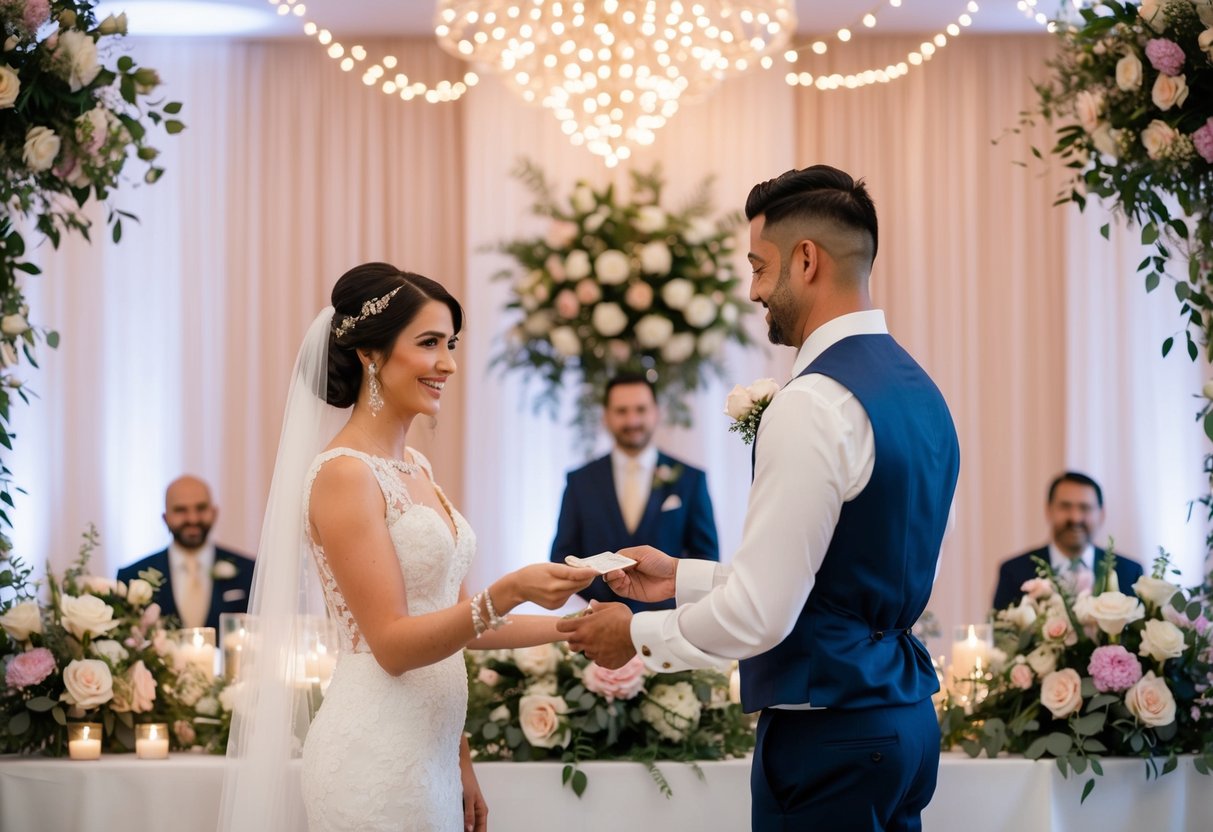
Your wedding reception is a special event that brings family and friends together to celebrate your union. This part of the wedding can involve various elements where you might take an active role in planning, including food and drink choices, entertainment, and more.
Hosting the Main Event
When hosting the reception, you typically get to decide on the venue and the atmosphere you want to create. This means picking a place that feels right for you and your partner.
Here are important details to consider:
- Venue: It can be a banquet hall, outdoor space, or even your home.
- Catering: You’ll choose the menu, which should reflect your tastes. This includes appetizers, main courses, and, of course, the wedding cake.
- Alcohol: Decide if you want an open bar, a cash bar, or just a limited selection of drinks. This choice impacts the overall feel of your reception.
Each of these decisions adds to the experience of your special day and should be made with thought.
Final Touches for a Memorable Night
To create lasting memories, you’ll want to think about the little details that enhance the reception.
- Photography: Hiring a skilled wedding photographer ensures that every moment is captured beautifully. Discuss your expectations and any particular shots you want.
- Videography: Consider a videographer for a moving memory of your day, allowing you to relive the moments.
- Decorations: Personalize your space with decorations that reflect your style—flowers, lighting, and table settings can all contribute.
These elements help to create a special atmosphere for you and your guests.
Planning the Honeymoon
After the reception, it’s time to focus on your honeymoon.
- Destination: Choose a place that both you and your partner are excited to visit. Think about relaxation, adventure, or a mix of both.
- Budgeting: Consider how much you can spend. This will guide your decisions about travel and accommodation.
- Itinerary: Plan out activities you’d like to do, from sightseeing to relaxing at a beach.
Planning this trip together is a great way to celebrate your new life as a couple!
Collaborating with Wedding Professionals

Working with wedding professionals can make planning your big day smoother and more enjoyable. Building a good relationship with these experts is key to ensuring everything runs as planned.
The Role of a Wedding Planner
A wedding planner is like your best friend during the planning process. They help you with everything from finding the perfect venue to managing your budget. They know local vendors and can recommend the best options for floral arrangements, catering, and more.
When you hire a planner, you get expertise without the stress. They will help you navigate important decisions and communicate with your wedding party. This makes everything easier, especially when it comes to coordinating schedules, activities, and accommodations. Plus, they can often help find more affordable accommodations for out-of-town guests.
Coordination on the Day
On your wedding day, a planner ensures everything goes off without a hitch. The planner manages the timeline and oversees activities, so you don’t have to worry about a thing. This includes coordinating with your officiant, confirming meal arrangements, and ensuring vendors are on schedule.
By having a planner present, you can focus on enjoying your day instead of juggling last-minute details. They also handle communication with your wedding party. This way, everyone is informed about their roles and responsibilities. This support allows you to relax and celebrate with family and friends without the stress of logistics.