
Does the Bride Pay for Bouquets? Understanding Wedding Floral Costs
Planning a wedding comes with many questions, and one of the most common is about who pays for bouquets. Traditionally, the groom’s family is responsible for the bride’s bouquet, while the bride or her family generally handles the rest of the floral arrangements. This custom can vary based on personal preferences and family traditions.
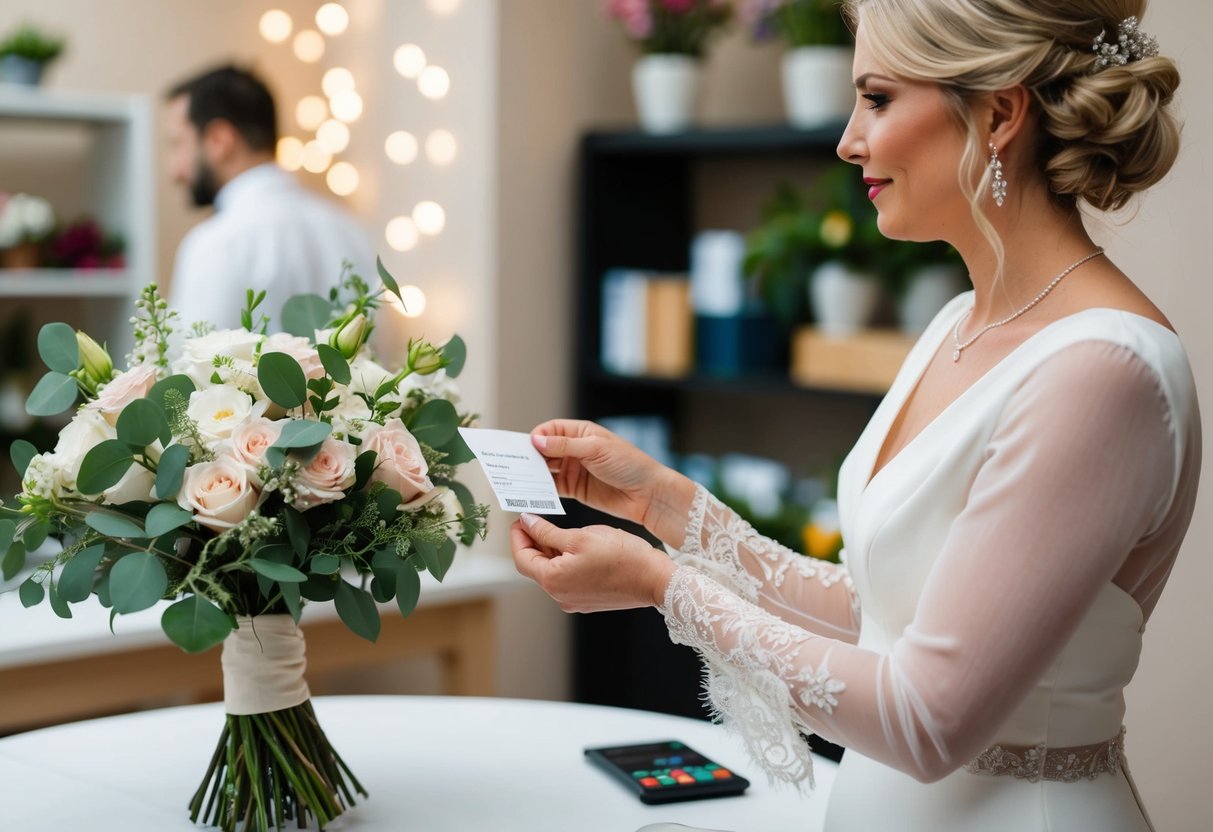
As you navigate the wedding planning process, understanding these roles can help you budget more effectively. Flowers play a significant part in the overall aesthetic of your big day, so knowing who covers the costs can ease some stress.
Whether you’re the bride, groom, or part of the wedding party, it’s good to know what to expect regarding floral expenses.
Let’s dive deeper into what this means for you and how you can make choices that fit your vision and budget.
Understanding Wedding Flower Expenses
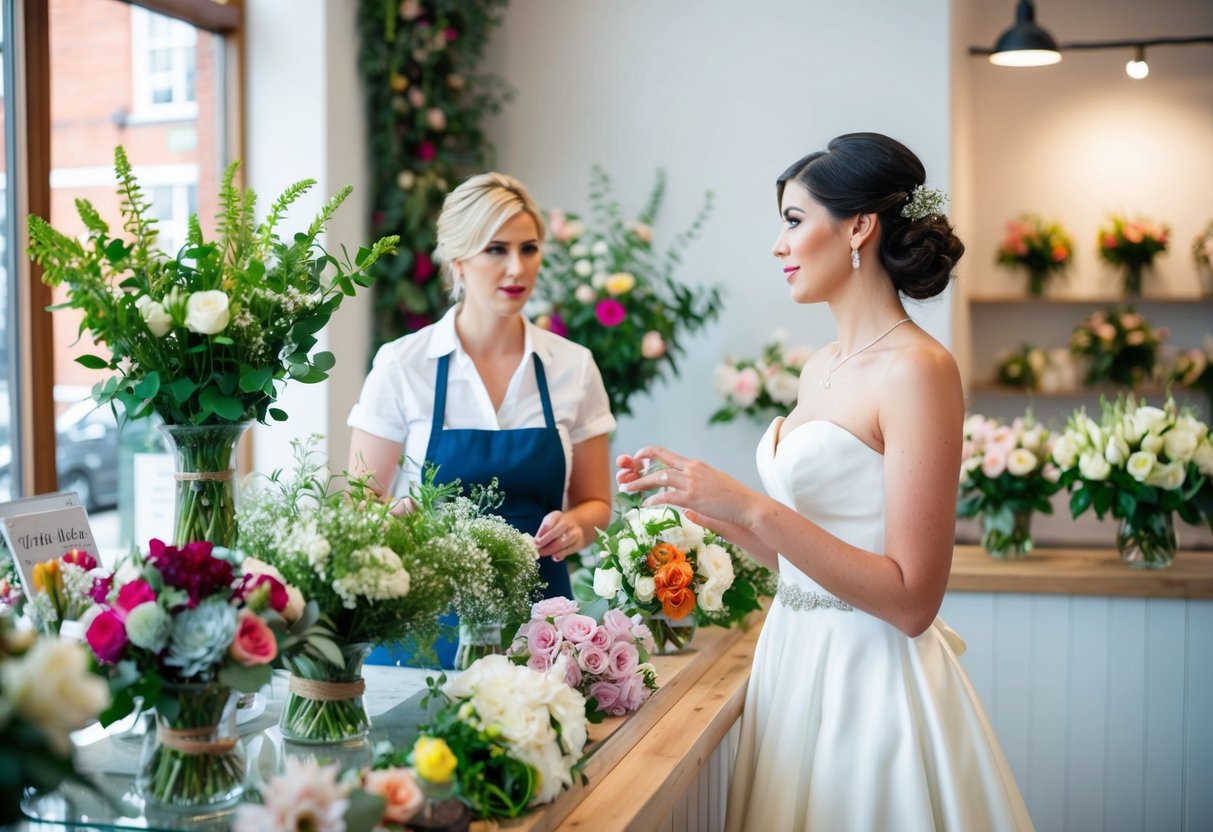
When planning your wedding, flowers are a big part of the budget. It’s important to know what to expect for costs.
Average Costs:
- Bridal bouquet: $100 to $350
- Bridesmaid bouquets: $65 to $125 each
- Boutonnieres: $10 to $20 each
Many couples share flower costs. You could cover the bouquets for your bridesmaids while your partner pays for their groomsmen’s flowers. This is a common way to split expenses.
Traditionally, families may also contribute. The bride’s family often pays for the bride’s flowers, while the groom’s family might handle the boutonnieres for the groomsmen. Your situation might differ, so talk with your partner and families to agree on payments.
Sticking to a wedding budget helps you plan better. Think about your entire wedding flower needs, including centerpieces and decorations. Researching prices can help you find good options without overspending.
Traditional Financial Responsibilities
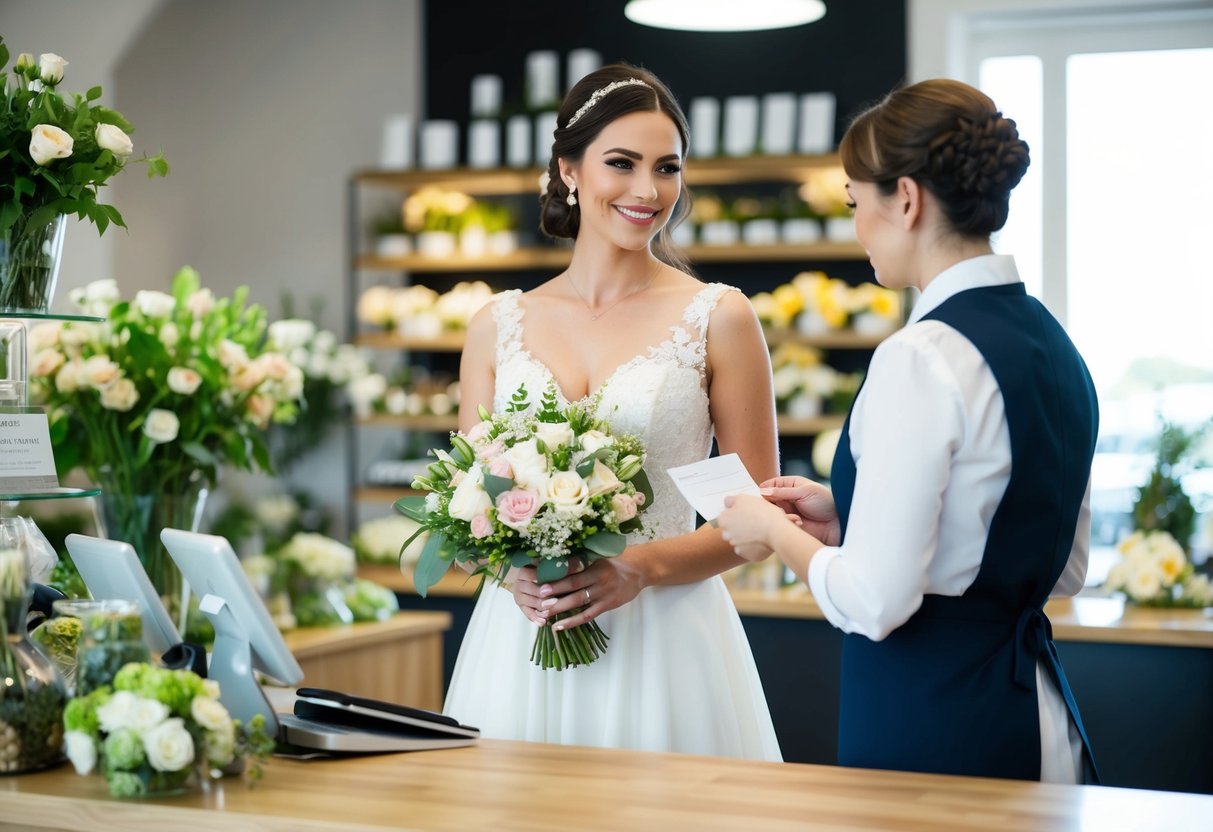
In planning a wedding, understanding who pays for what can help you navigate traditions with ease. The financial responsibilities often fall on both the bride’s and groom’s families, each contributing to different aspects of the wedding.
Bride’s Family Contributions
Traditionally, the bride’s family covers several key wedding expenses. This includes the bride’s gown, accessories, and all floral decorations for the ceremony and reception. They also typically pay for the invitations and other stationery, like save-the-date cards.
Another important cost is the bride’s bouquet, which is often considered a significant symbol of the event. While customs may differ, it is common for the bride’s family to handle this arrangement. Other contributions can include expenses for hiring a wedding consultant or planning an engagement party.
Groom’s Family Contributions
The groom’s family usually takes on some major expenses as well. These can include costs for the rehearsal dinner, which is a crucial event leading up to the wedding day. Additionally, they often pay for the groom’s attire, including his suit or tuxedo.
The groom himself often contributes by covering the honeymoon costs, adding a personal touch to the trip. While these roles are based on tradition, many couples choose to adjust them according to their financial situation and preferences. Being aware of these customs helps you prepare for discussions with family and find a comfortable balance.
Breaking Down Bridal Flower Costs
Understanding the different components of bridal flower costs is important for planning your wedding budget. Each type of floral arrangement comes with its own expenses, so let’s take a closer look at what you can expect.
The Bridal Bouquet
The bridal bouquet is often one of the most significant floral expenses at a wedding. Prices for bridal bouquets can range from $100 to $500 or more, depending on the flowers used and the complexity of the design.
Common styles include hand-tied and cascading bouquets. If you choose exotic flowers or intricate designs, expect to pay more. For a simple, elegant look, you can stick with seasonal flowers that are more budget-friendly.
Bridesmaid Bouquets and Corsages
Bridesmaid bouquets typically cost between $65 and $125 each. These bouquets often match the bridal bouquet, but can be smaller and less elaborate. Using the same flowers helps create a cohesive look without breaking the bank.
In addition to bouquets, corsages for mothers and grandmothers can also add to your floral budget. Corsages usually cost around $30 to $60 each. Keeping these simpler can also help manage costs while ensuring your loved ones look lovely on your special day.
Reception and Ceremony Arrangements
Floral arrangements for the reception and ceremony can greatly influence your overall flower budget. Wedding centerpieces often range from $50 to $200 each, depending on size and flower choice.
You might also want to consider floral decorations for the ceremony. These can include arrangements at the altar or along the aisle, typically costing anywhere from $100 to $500.
Choosing a few key areas for flowers, rather than overloading the space, can help you save money while still making a beautiful impact.
Flower Choices and Cost-Saving Tips
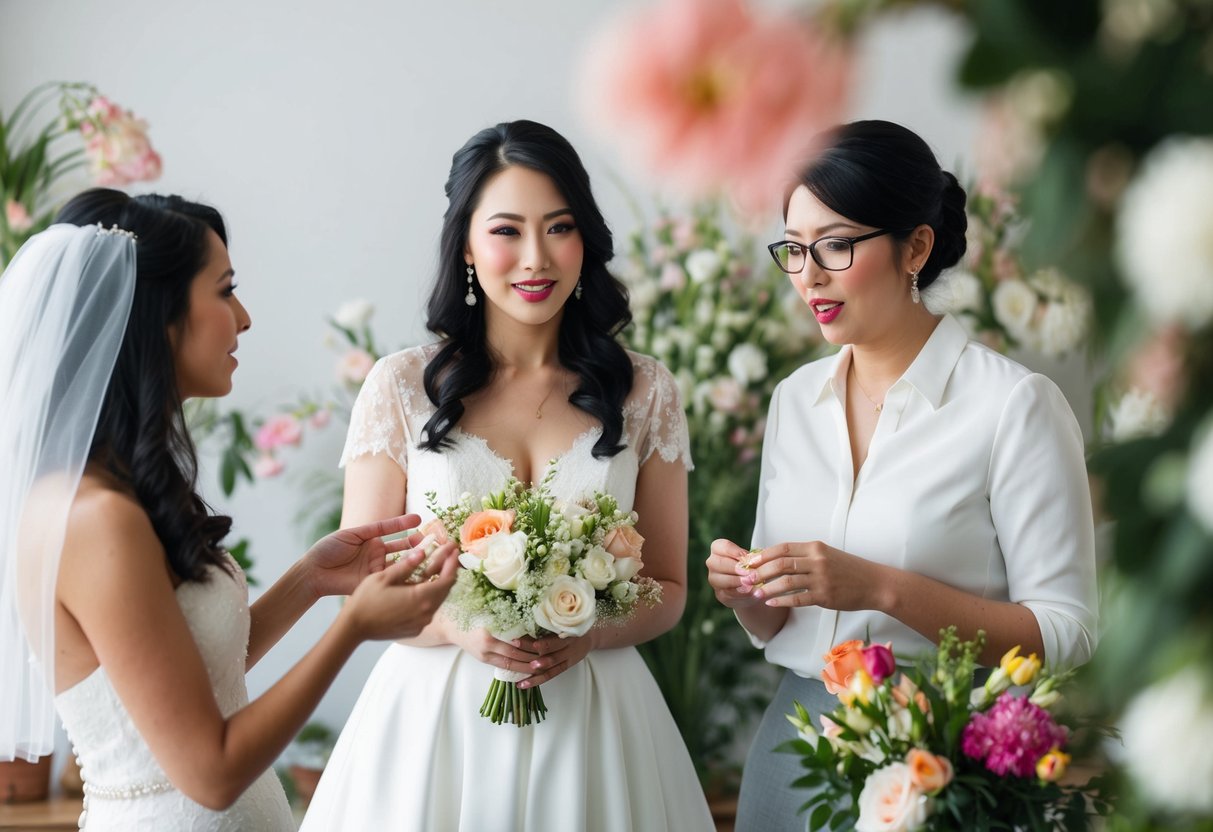
Choosing flowers for your wedding can be a fun yet daunting task. Knowing how to select flowers wisely and save money can make your experience enjoyable.
Selecting the Right Florist
Finding the right florist is crucial for your wedding flower budget. Start by researching local florists and checking their reviews. Look for one that specializes in weddings and has experience with the floral arrangements you want.
Schedule consultations to discuss your vision and budget. This allows you to see their work firsthand and get a feel for their style. Be clear about your preferences and price limits. Ask about package deals or discounts for booking multiple services, like rehearsal dinner flowers.
Remember to compare quotes from different florists. This can help you gauge the average costs in your area and choose a florist who aligns with your budget.
Alternative Flower Options
If you’re looking to reduce costs, consider using artificial flowers. They can be just as beautiful and are reusable. Plus, you can customize them to match your wedding colors perfectly.
If you’re set on real flowers, think about seasonal blooms or local flowers, as they tend to be more affordable. Personal flowers, like bouquets and boutonnieres, generally cost less than elaborate floral arrangements.
Mixing high-cost blooms with greenery can create stunning visuals without breaking the bank. Also, explore DIY options for smaller arrangements to keep costs down.