
Does the Bride Pay for Her Husband’s Ring? Understanding Wedding Ring Traditions
When it comes to wedding traditions, you might wonder about who pays for the wedding rings, especially the groom’s. Traditionally, the wife does not pay for her husband’s wedding ring. However, modern perspectives allow for more flexibility in these traditions. This means that couples today are free to make personal decisions that reflect their love and commitment to each other.
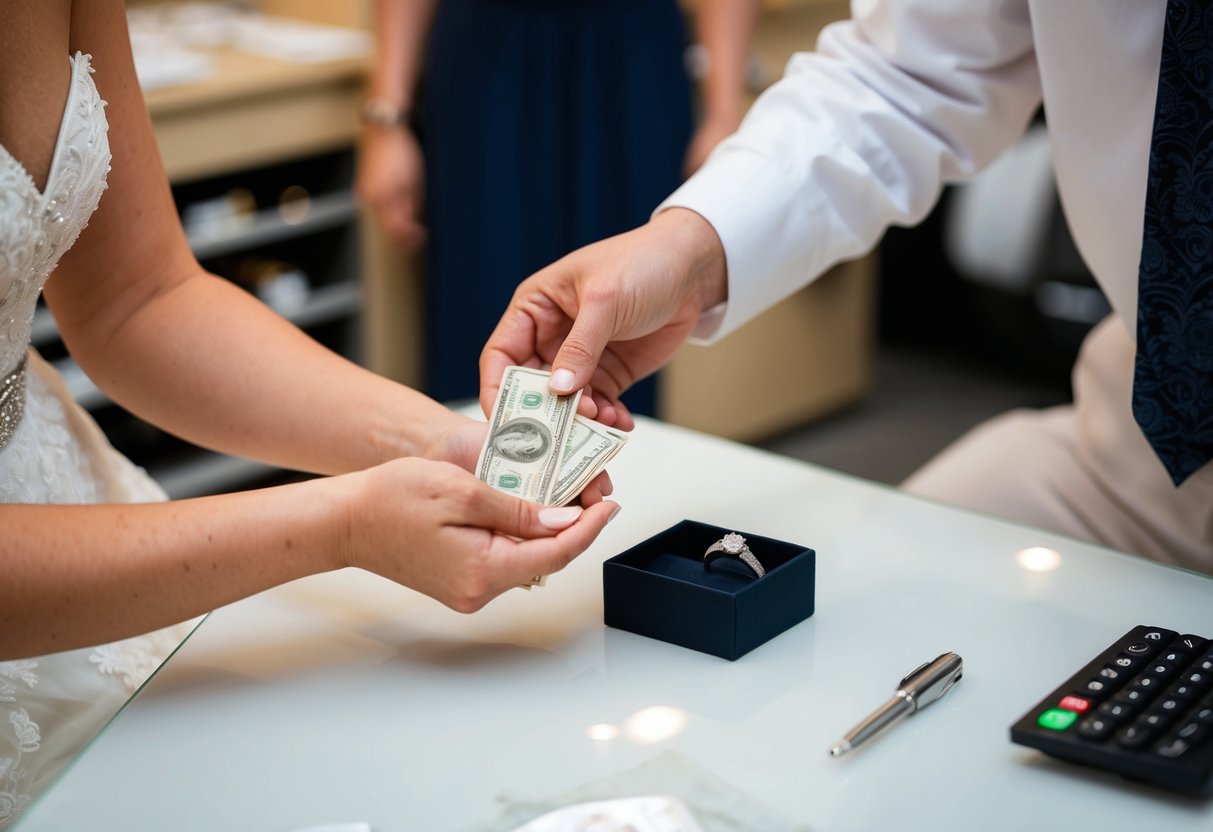
Considering the various wedding expenses, the purchase of rings is just one part of the journey toward marriage. Many couples choose to split costs or decide together who buys what. This shifting view emphasizes that what matters most is the commitment you share, rather than the strict adherence to tradition.
In the end, the choice should align with your values as a couple. Whether you decide to stick with tradition or carve out your own path, what counts is the love you celebrate on your special day.
Understanding Wedding Ring Traditions

Wedding ring traditions have deep roots and vary widely across cultures. These customs dictate who pays for wedding rings and how couples express their commitment. Exploring these traditions can help you understand the significance behind these rings in your relationship.
Origins of Ring Exchange
The tradition of exchanging rings dates back thousands of years. Ancient Egyptians used braided wheat or reeds as symbols of love and commitment. The circular shape of the ring represents eternity, with no beginning or end.
In ancient Rome, men gave rings made of iron to their brides as a sign of ownership and commitment. Over time, this evolved, and both partners began exchanging rings. The idea of who pays for the rings also changed.
Traditionally, the groom’s family purchased the bride’s ring, while the bride’s family paid for the groom’s band. This practice reflected the financial duties that came with marriage and the importance of family connections.
Modern Interpretations of Traditions
Today, wedding ring etiquette is more flexible, allowing couples to choose what works best for them. It’s common for both the bride and groom to share the costs. Many couples prefer to pick out rings together, focusing on personal preferences and styles.
Gender roles have also shifted, and it is not unusual for the bride to pay for the groom’s ring or for the couple to split expenses. Each partnership is unique, so the most important aspect is finding a solution that reflects both of your values and beliefs.
As traditions continue to evolve, the essence of wedding rings—symbolizing love and commitment—remains timeless. Understanding these customs can help you make informed choices that suit your relationship.
Financial Aspects of Wedding Bands

When planning for wedding bands, it’s important to consider how you’ll budget for these significant pieces of jewelry. Understanding financial responsibilities and the costs of different types of rings can help you make informed choices.
Budgeting for Wedding Rings
Creating a budget for wedding rings is a crucial step in your wedding planning. Start by deciding how much you can comfortably spend. Many couples allocate around 3 to 5 percent of their total wedding budget to rings.
Consider the cost of engagement rings if applicable. Engagement rings often have higher price tags due to diamonds and other gemstones.
You might want to explore options like simpler designs or alternative materials, which can also reduce costs. Remember, it’s not about spending a lot but finding something meaningful that fits your budget.
Shared Financial Responsibility
Both you and your partner can share the financial responsibility of purchasing wedding bands. Traditionally, the bride might pay for the groom’s wedding ring, while the groom pays for the bride’s.
This practice can symbolize equal commitment and partnership. Discuss your financial situations openly to understand what works best for both of you.
Many modern couples view wedding bands as a joint investment. Pooling resources can allow for higher quality rings. Keep communication clear to make the process enjoyable and stress-free.
Costs Associated with Different Types of Rings
The cost of wedding bands can vary based on materials and styles. For example, gold and platinum bands tend to be more expensive than simpler options.
You might also consider rings with diamonds or gemstones, which can significantly increase the price. Custom designs often come with a higher price tag too.
It’s helpful to shop around and compare prices at different jewelers. Don’t forget to check for sales or discounts. Prioritize what elements are most important to you and find a balance between your desires and your budget.
Personal Preferences and Mutual Decisions
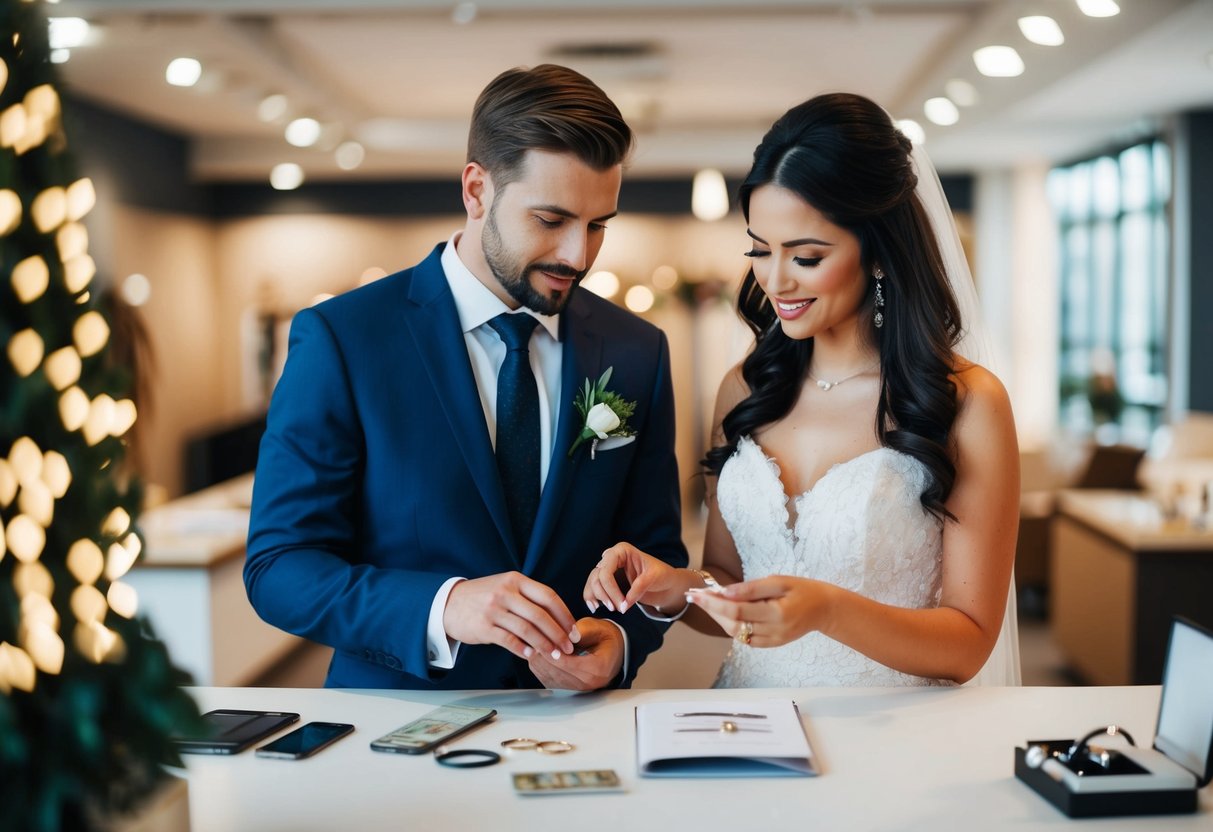
When deciding who pays for the wedding rings, personal preferences and mutual decisions play a significant role. Open communication about expectations and values can lead to a more meaningful choice. It’s important to consider lifestyle and the sentimental value of the rings chosen.
Communicating About Preferences
Talking openly about your preferences is essential. You might have specific ideas about styles, materials, or even the cost of the rings. Make sure to discuss whether you prefer classic options like white gold or something more unique, such as alternative metals.
Set aside time to share your thoughts without distractions. This conversation will help you both feel more comfortable and aligned in your choices. Together, you can evaluate what truly represents your values and relationship.
The Significance of Selecting Rings Together
Choosing rings as a couple can deepen your connection. When you pick your rings together, it symbolizes mutual commitment. It shows that both of you value each other’s opinions.
Consider visiting jewelry stores or browsing online options together. This shared experience can make the ring selection feel more special. You might even want to think about customizing the rings with engravings, dates, or meaningful phrases that reflect your journey together.
Incorporating Lifestyle and Sentimental Value
Your lifestyle affects the type of ring you choose. If you lead an active life, you may prefer a durable material that can withstand daily wear. On the other hand, if you value sentimental pieces, select something that carries personal meaning.
Think about designs that resonate with your shared experiences. Whether it’s a specific engraving or a particular style that reflects your journey, these details will make the rings more meaningful. This thoughtful approach will ensure that both rings are not only beautiful but also resonate with your personal stories.
Cultural and Modern Considerations
Understanding who buys the wedding rings can differ greatly based on cultural backgrounds and modern relationship dynamics. You’ll see a variety of customs that could influence your choices during wedding planning.
Customs Across Cultures
In many cultures, there are traditional roles when it comes to wedding rings. For example, in some European countries, the groom’s ring is often paid for by the bride’s family. This reflects an understanding of shared commitment but also highlights the financial responsibilities linked to wedding planning.
In other cultures, both partners may participate equally in purchasing rings. This can symbolize partnership and equality. If you come from a specific cultural background, it might be helpful to discuss these traditions with your partner. Knowing what each other’s families expect can ease wedding etiquette concerns.
Contemporary Couples’ Approaches
Modern couples often take a different approach when it comes to paying for wedding rings. Many choose to share finances or split costs based on their individual financial situations. This decision can reflect their commitment to equality in the relationship.
Some couples decide that the groom should select his own ring. This way, he can ensure it fits his personal style and ring size preferences. You might also consider having discussions about whether you’ll wear matching bands or distinct styles. Many couples today want their rings to showcase their personalities. The focus is more on collaboration and less on strict traditions.