
Does the Bride Plan the Rehearsal Dinner? Understanding Her Role and Responsibilities
When it comes to the rehearsal dinner, you might wonder who takes charge of the planning. Typically, the groom’s parents host the rehearsal dinner, but you can be involved as much as you want. In modern weddings, the couple, family members, or close friends usually take the lead in organizing this event.
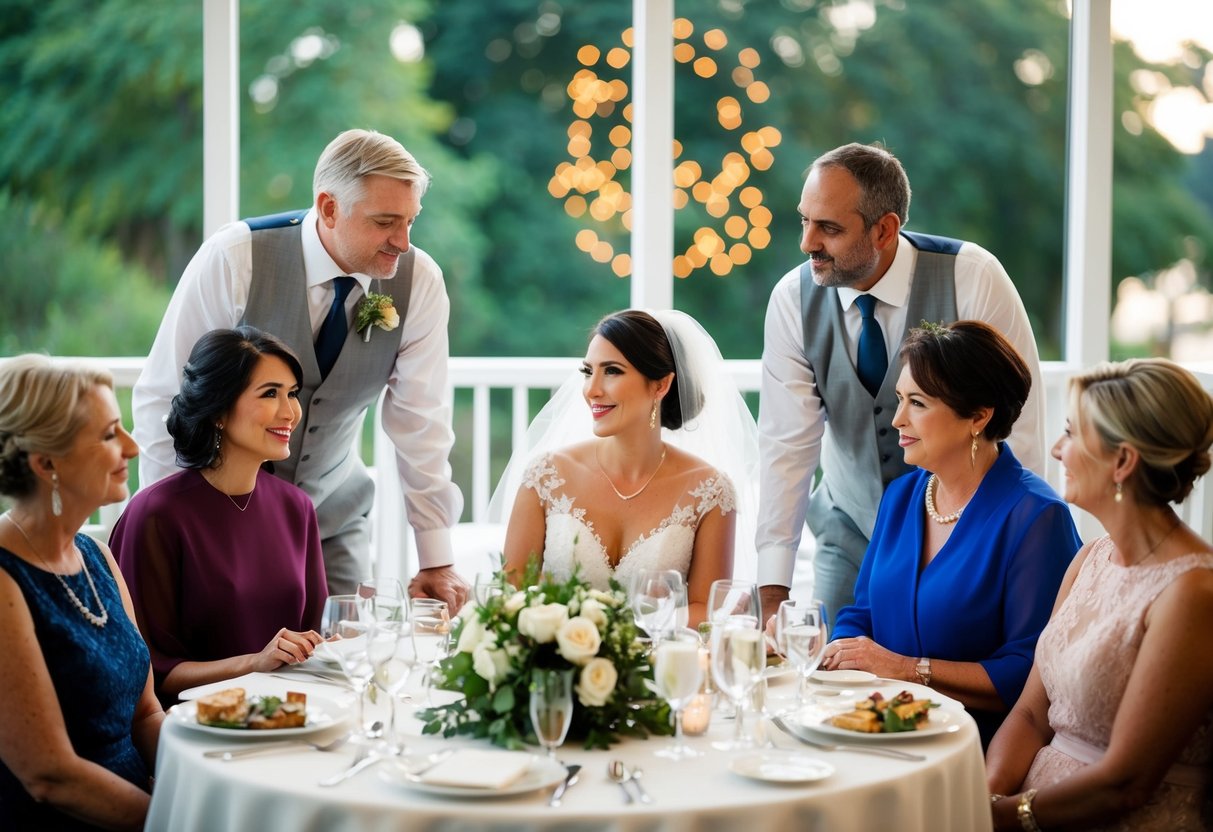
The rehearsal dinner is a special way to gather loved ones before the big day. It’s a chance to relax and enjoy time together as you finalize wedding details. Understanding your role in the planning helps ensure that everything runs smoothly.
As you navigate wedding planning, remember that your input can shape the atmosphere, guest list, and menu. By getting involved, you can create a memorable experience that reflects your and your partner’s style and preferences.
Roles and Responsibilities
Planning the rehearsal dinner involves several key players, each with specific roles. Understanding these responsibilities can help ensure everything runs smoothly and everyone feels included.
Groom’s Parents’ Traditional Role
Traditionally, the groom’s parents take the lead in organizing the rehearsal dinner. This includes choosing the venue, setting the menu, and handling the guest list. They typically pay for the event, which is a way to thank everyone involved in the wedding.
It’s also important for them to communicate with the bride’s family. This can help make sure that everyone is on the same page regarding the details. Open communication will help reduce any misunderstandings about the event.
Bride’s Family Contributions
While the groom’s parents usually handle the main details, the bride’s family can also contribute significantly. Their involvement often includes helping with the guest list, assisting with decorations, or even suggesting venues.
You can also look into co-hosting the event, which is becoming more common. Sharing responsibilities can make the planning process easier and more enjoyable. This teamwork fosters a feeling of unity among both families.
Modern Couples’ Approach
Many modern couples prefer to take charge of their rehearsal dinner planning. This allows them to create a celebration that fits their style and preferences. The couple can decide on the location and format, whether it be a formal dinner or a laid-back gathering.
In some cases, the couple splits the costs with both families. This approach allows for shared responsibilities, ensuring that both sides feel included in the planning. Involving both families and the couple in the process can create a more enjoyable experience for everyone involved.
Planning the Rehearsal Dinner
Planning the rehearsal dinner involves several key elements that set the tone for the wedding weekend. You’ll want to focus on the date and venue, guest list, invitations, menu, and decorations to ensure a memorable event for everyone involved.
Setting the Date and Venue
Choosing the right date and venue for the rehearsal dinner is essential. Typically, this event is held the night before the wedding. Coordinate with the wedding schedule to avoid conflicts.
For venues, think about locations that will suit your style and accommodate your guests. Popular options include restaurants, private homes, or banquet halls. Make sure to consider parking and accessibility for everyone.
Don’t forget to book the venue early, as popular locations can fill up quickly. Reconfirm the date a week before so you can plan smoothly.
Curating the Guest List
Creating the guest list is a crucial part of planning. Start by deciding who you want to invite. Typically, the rehearsal dinner includes close family, the wedding party, and any out-of-town guests.
It’s helpful to communicate with both families about who should be included. A simple list can help keep track of addresses and RSVPs.
Be considerate of the couple’s preferences. If there is a specific group they want to celebrate this moment with, prioritize their suggestions. This will ensure everyone feels included and valued.
Designing the Invitations
Invitations set the tone for your rehearsal dinner. When designing them, keep it elegant yet simple. Include essential information like the date, time, venue, and dress code, if applicable.
Consider sending digital invitations for a quick and easy option. Websites like Paperless Post or Evite offer stylish templates. If you prefer traditional paper invites, you can choose designs that match the wedding theme.
Make sure to send invitations at least three to four weeks in advance. This gives your guests ample time to RSVP and make arrangements.
Orchestrating the Menu
The menu is a key highlight of any rehearsal dinner. Think about what type of food you’d like to serve. Options can range from sit-down dinners to casual buffets or even family-style meals.
Consider dietary restrictions when planning the menu. Include vegetarian, gluten-free, or nut-free dishes as needed. You could offer a mix of options to cater to all guests’ preferences.
Don’t forget the drinks! A selection of wines, beers, and non-alcoholic beverages will accommodate all tastes. If you need help, hiring a catering service can simplify the process.
Arranging Seating and Decorations
Seating arrangements and decorations play a significant role in creating the right atmosphere. Start by figuring out how you want guests to be seated. A mix of family and friends will encourage mingling.
For decorations, consider using the wedding’s color scheme. Simple centerpieces like flowers or candles can create a warm vibe. You might also include photos of the couple from their relationship.
Make sure the setup allows for easy conversation and movement. A relaxed atmosphere will make everyone feel welcome and included throughout the evening.
Executing the Rehearsal Dinner
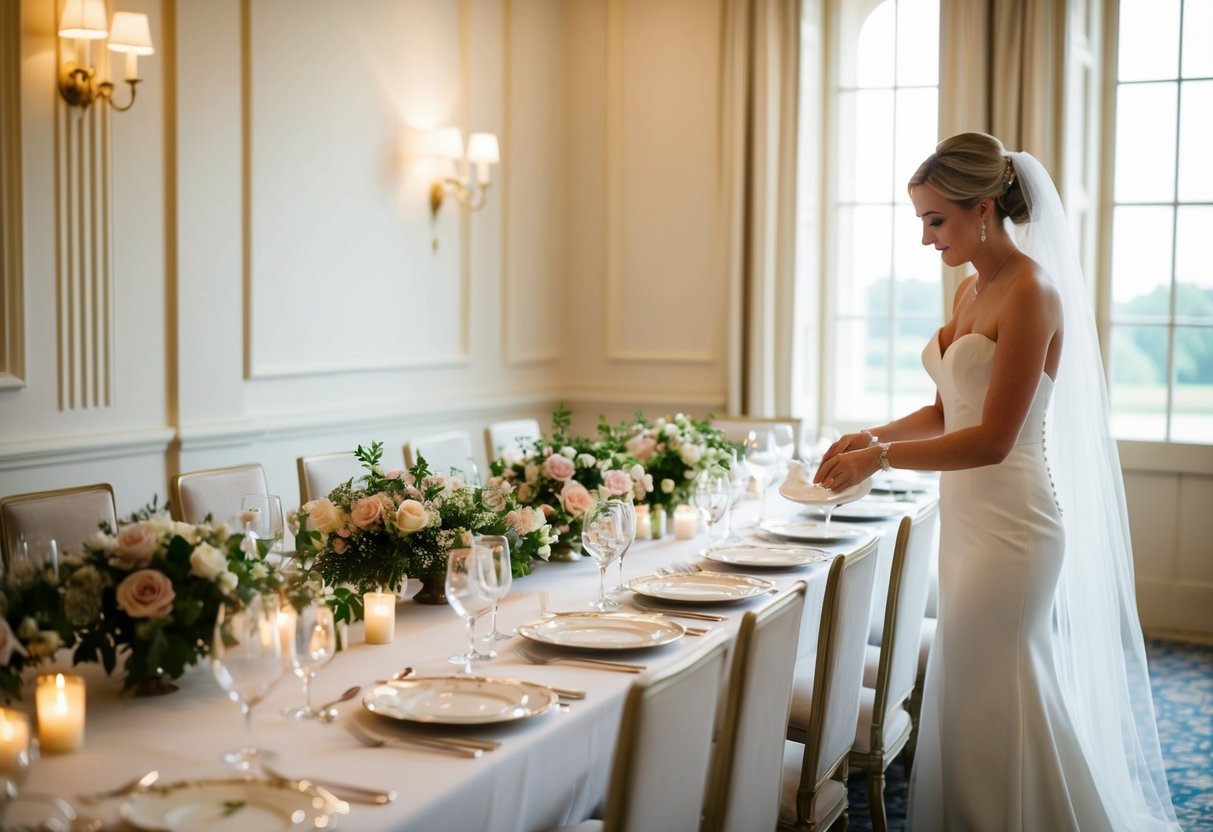
Planning the rehearsal dinner involves several important steps. You’ll want to create a detailed schedule, run through the ceremony, and add special touches to make the dinner memorable. Let’s break down these components.
Rehearsal Dinner Schedule
Start by setting a clear schedule for your rehearsal dinner. It typically takes place after the wedding rehearsal, often the night before the big day.
Consider the timing. Aim for a relaxed atmosphere where everyone can unwind. A good timeframe could be 7 PM, giving guests time to arrive comfortably.
Your timeline might look like this:
- 5 PM: Wedding rehearsal
- 6 PM: Photos with the wedding party
- 7 PM: Guests arrive at the dinner location
Make sure to communicate this schedule to all involved parties. This helps everyone know what to expect and ensures a smooth flow throughout the evening.
The Ceremony Run-Through
The rehearsal is not just a formality. It’s a chance to practice the ceremony steps and get comfortable with the flow. Gather the wedding party and family members for a quick review.
During the run-through, pay attention to the following:
- Order of Procession: Make sure everyone knows when and where to walk.
- Vows & Readings: Check that speakers are clear on their roles.
- Music Cues: Ensure musicians or DJs are aware of their timing.
This practice will help everyone feel more at ease on the wedding day. It also provides a wonderful opportunity for teamwork among your loved ones.
Special Touches for the Dinner
To make your rehearsal dinner unique, incorporate special touches that reflect your personality. Think about a fun theme that ties in with your wedding or personal style.
Here are some ideas:
- Themed Decor: Use elements that resonate with your love story.
- Interactive Food Stations: Allow guests to customize their meals, creating a fun atmosphere.
- Personalized Favors: Small gifts or notes can show appreciation to your guests.
Adding entertainment, like a slideshow or games, enhances quality time with your loved ones. These special touches create lasting memories for you and everyone in attendance.
Invitation Etiquette and Timing
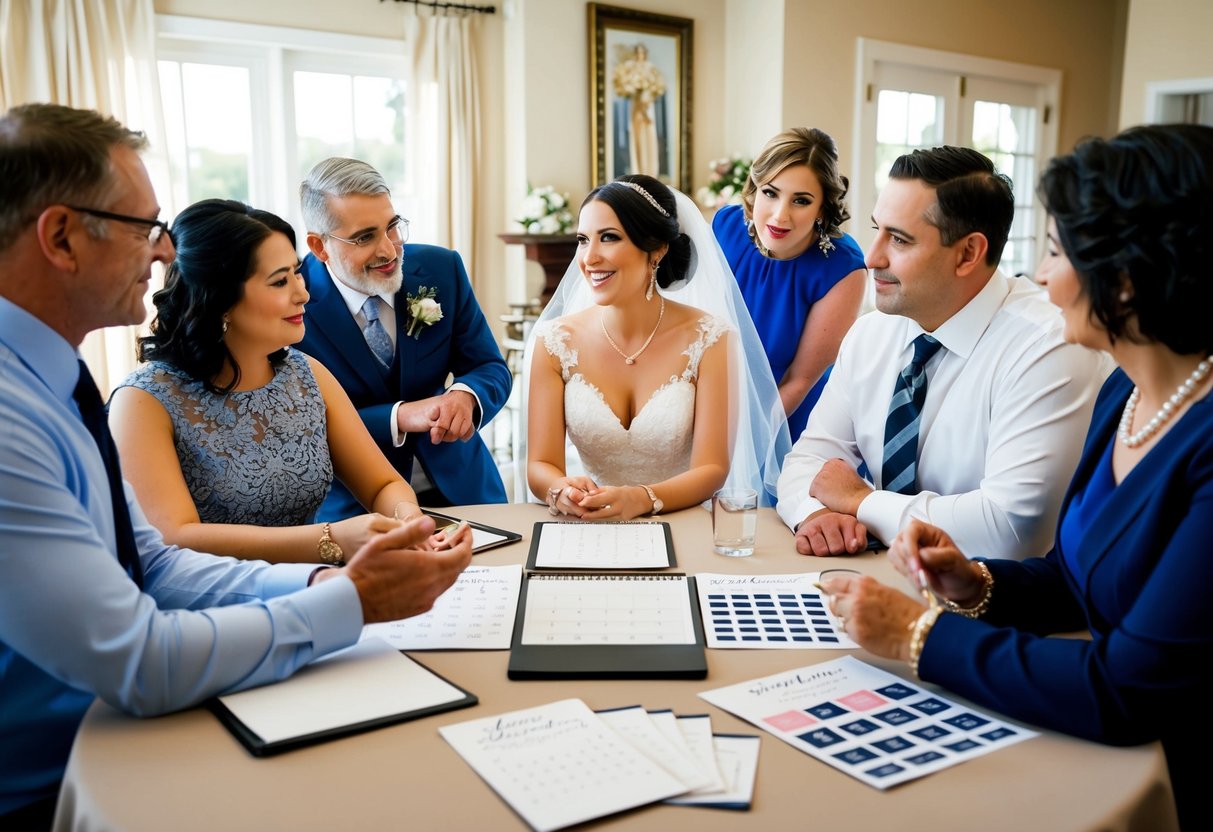
When planning your rehearsal dinner, invitation etiquette is important. You want your guests to feel special and informed.
Timing is key. Send out the invitations three to four weeks before the event. This gives everyone enough time to adjust their plans.
You can choose between paper invitations or digital invitations. Paper invites can feel more formal and personal, while digital invites are quick and easy. Your choice depends on your style.
Make sure to include important details in your invitations. These details include the date and time, location, dress code, and RSVP cards. An RSVP card helps you know who is coming. It’s a nice touch that shows consideration for your guests.
If you’re having a sit-down dinner, consider adding place cards. This helps guests know where to sit and can make the event feel more organized.
Also, remember that the rehearsal dinner is usually a smaller gathering than the wedding. Only invite close family and friends to keep the event intimate.
Your invitations can set the tone for the evening, so make sure they match your overall wedding theme. This will keep everything cohesive and exciting for your guests!