
Does the Bride Say “I Do” First? Understanding Wedding Traditions
When planning your wedding day, you might wonder if the bride says “I do” first. In most Western wedding ceremonies, the groom says his vows before the bride. This custom has been a part of wedding ceremonies for many years, reflecting traditional views on marriage and commitment.
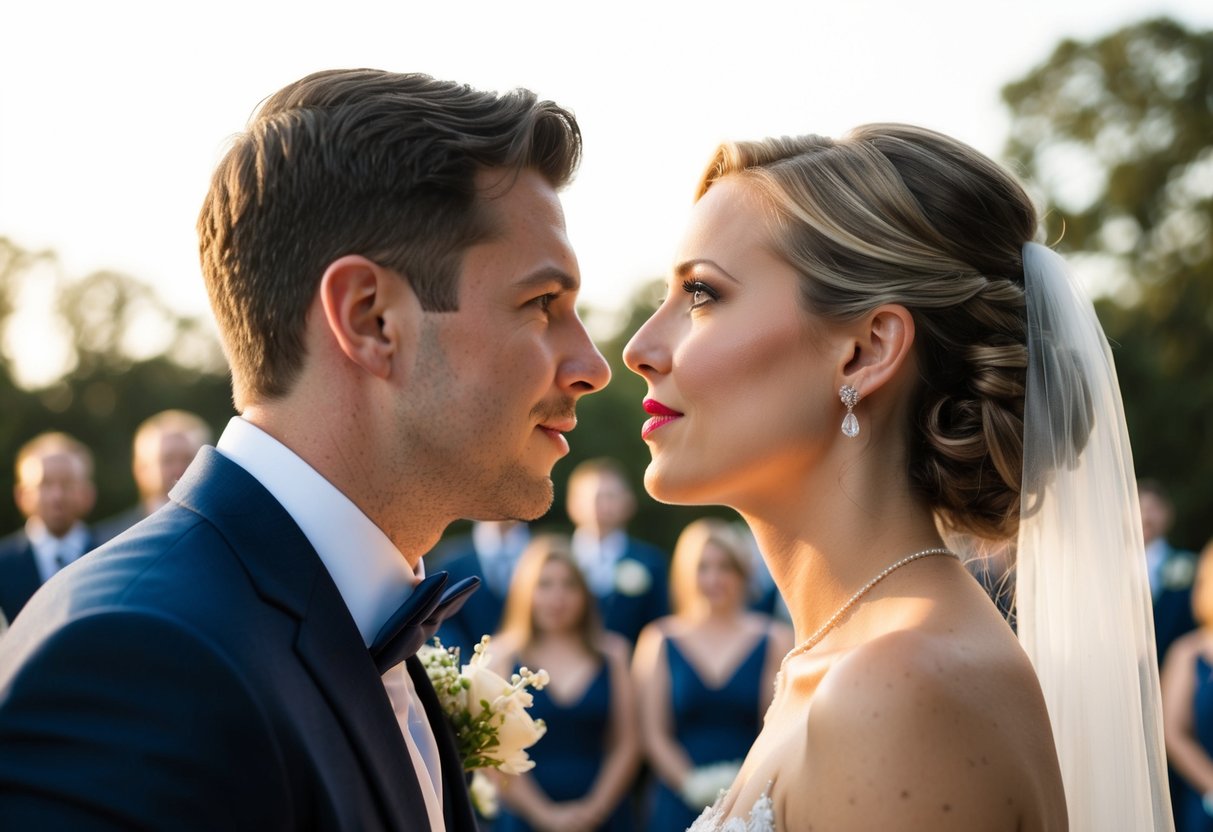
However, many couples today are choosing to personalize their ceremonies. You have the freedom to decide the order of your vows. Whether you opt for the bride to speak first or stick with tradition, the key is that this moment represents your unique journey together. Wedding vows mark an important promise to each other, and how you choose to express them can add a personal touch to your wedding.
As you think about your own wedding vows, remember that your ceremony should reflect your love and values. Choosing who says “I do” first can set the tone for your day and symbolize your partnership. Embrace the opportunity to make your wedding a true reflection of your relationship!
The Role of ‘I Do’ in Wedding Ceremonies
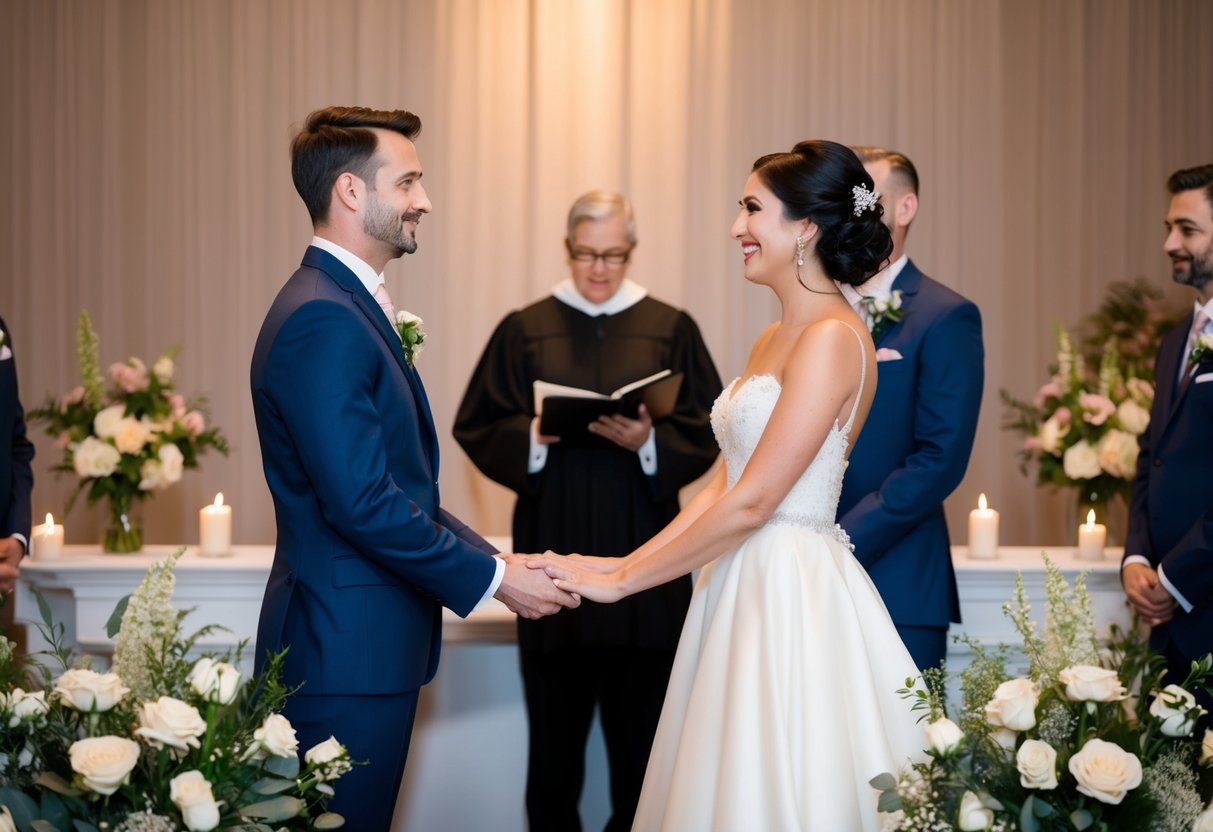
The phrase “I do” is a key part of wedding ceremonies. It signifies commitment and love between partners. Understanding when and how this phrase is used can shed light on wedding traditions.
Understanding the Traditional Order
In traditional ceremonies, the groom typically says “I do” after saying his vows. This sequence highlights his commitment. The officiant usually prompts this exchange, asking each partner if they take the other. While the groom often goes first, it does not have to be the case. Some couples may choose to say “I do” at the same time, adding a personal touch to their ceremony. This choice can symbolize equality and shared commitment.
Cultural and Religious Variations
Different cultures and religions have unique practices around the phrase “I do.” In many religious ceremonies, the groom says his vows first, followed by the bride. This reflects various cultural values and beliefs. For example, some traditions encourage couples to exchange vows in unison, showing unity. Understanding these customs can help you tailor your own ceremony to honor your backgrounds. It’s important to consider how important cultural or religious traditions are in your relationship.
Contemporary Trends and Personal Preferences
In recent years, many couples have embraced more personalized wedding ceremonies. You might choose to switch up the traditional order of vows. Some couples even prefer to say “I do” first before their vows, emphasizing excitement. Others may opt for a quick, heartfelt “I do” together, showcasing their connection. This trend highlights the move toward ceremonies that reflect your individuality. Discussing your choices with your officiant ensures that your ceremony aligns with your wishes while maintaining a meaningful experience.
Who Says Vows First? Bridal Traditions Explored
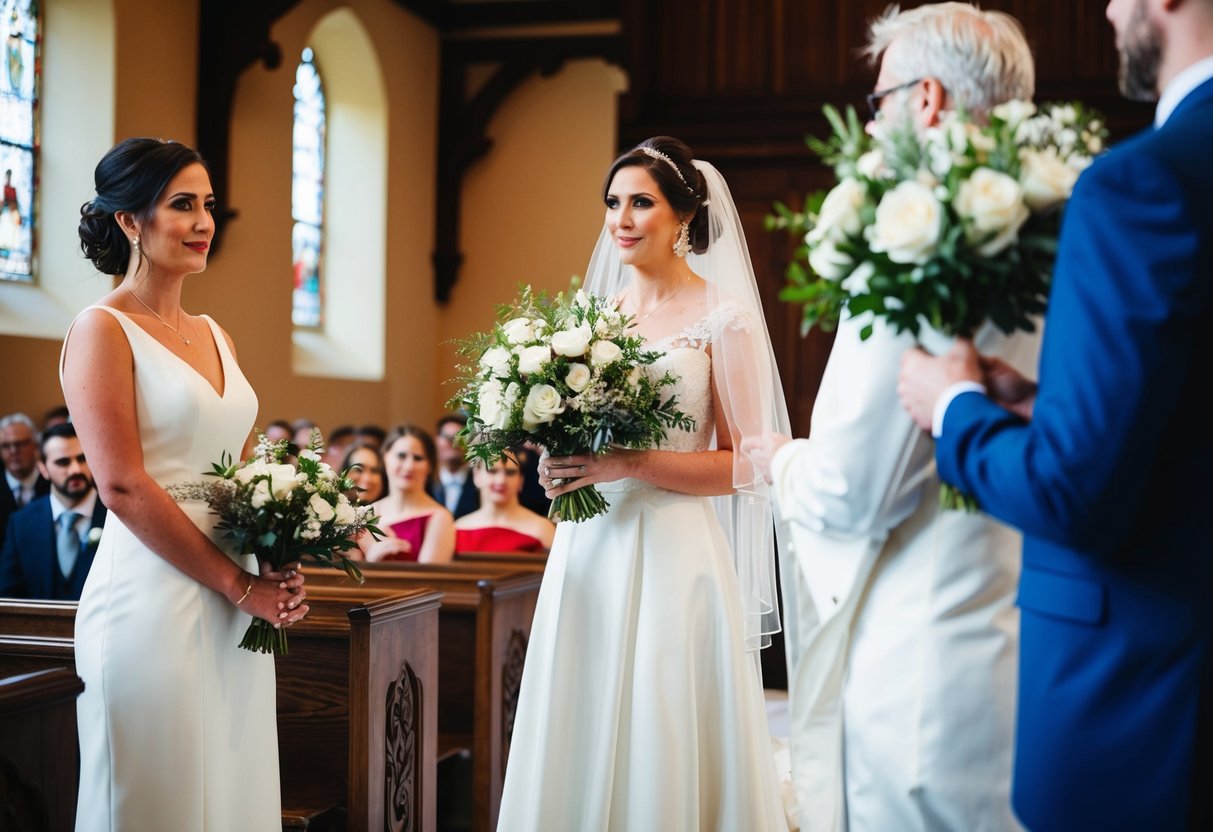
When planning your wedding, you may wonder about the order of vows between the bride and groom. Traditions can vary widely, and social changes have introduced new options. Let’s explore the traditional order, modern takes, and the impact of personalized ceremonies on this meaningful exchange.
Traditional Order for Bride and Groom
In many Western cultures, the groom says his vows first. This reflects longstanding gender roles in marriage, where the groom often leads the ceremony. The bride typically follows with her vows, creating a structured flow.
In contrast, some Eastern traditions may favor the bride speaking first, highlighting her significant role in the marriage. Regardless of tradition, there are no hard and fast rules. Couples can choose what feels right for them.
For some couples, mixing traditions can create a unique ceremony. You might opt to say your vows simultaneously or choose the order based on personal preference.
Same-Sex Couples and Egalitarian Approaches
In recent years, same-sex couples have changed the conversation around who says vows first. Many same-sex ceremonies embrace an egalitarian approach, where equality in marriage is emphasized.
Often, both partners recite their vows simultaneously or alternate saying them. This reflects the partnership and equality you want in your relationship. Each couple can decide how they want to express their promises to each other without adhering to traditional norms.
The emphasis is on shared love and commitment, showcasing that marriage can be personalized to reflect the dynamics of each unique relationship.
The Impact of Personalized Ceremonies
Personalized ceremonies allow couples to craft their wedding experience. You can mix and match traditions, creating a day that truly represents your relationship.
Your vows can be tailored to express your unique bond and respect for one another. With this customization, you can determine the order of exchanges that resonates with your values.
Many couples now choose to write their own vows. This adds a personal touch and often leads to heartfelt moments during the ceremony. The choice of who speaks first can further demonstrate your journey as a couple, highlighting the significance of your commitment to each other.
The Sequence of Ring Exchange and Vows
Understanding the order of events during your wedding ceremony is important. The exchange of vows and rings are two of the most significant moments that symbolize your commitment to each other. Here’s what you need to know about how these elements fit together.
The Significance of Rings in Wedding Vows
Wedding rings are powerful symbols of love and commitment. When you exchange rings, it represents a promise between you and your partner. The act of placing a ring on each other’s finger is a tangible way to express this bond.
The rings are often exchanged after the vows, highlighting their importance. They serve as a daily reminder of your promises. Each ring carries significance, often chosen to reflect personal style or family heritage. How you express this during the exchange can make it even more meaningful.
Many couples take a moment to share heartfelt words during this exchange, such as why these rings matter to them. This enhances the emotional weight of the ceremony, making it a true reflection of your love.
Exploring the Order of Vows and Rings
Traditionally, the groom goes first in reciting vows, followed by the bride. This order respects customs but is flexible.
Today’s weddings often embrace egalitarianism, allowing you and your partner to decide what feels right for you.
After the vow exchange, the wedding ring exchange takes place. You may choose to first recite any personal words about what the rings symbolize before placing them on each other’s fingers.
This moment strengthens the significance of your vows and the rings as they are tied together in expressing your love.
Whether you follow the traditional order or create your own, the focus should always be on the meaning behind these events. Remember, what matters most is the love and commitment you both share.