
Does the Bride Sit on Left or Right? Understanding Wedding Seating Traditions
Many people wonder about the seating arrangement. Traditionally, the bride sits on the groom’s left during the ceremony. This creates a natural balance in the seating. This setup is common in many cultures, especially in Christian weddings, where the bride and groom’s positions are often seen as reflective of their union.
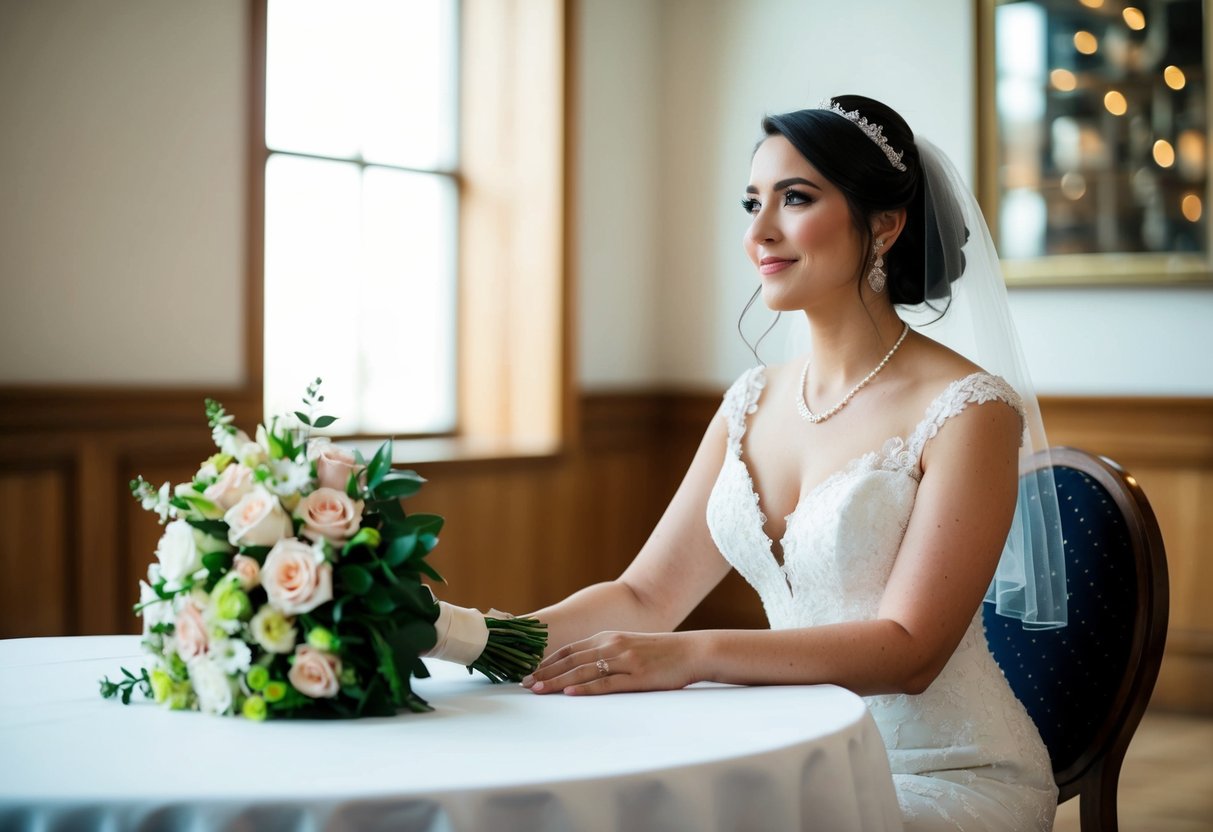
Understanding these traditions helps clarify expectations for guests and families. At Jewish weddings, for example, the seating can differ, with the groom’s side usually on the left. Knowing these details can enhance your appreciation of the ceremony and the significance behind the seating arrangements.
As you navigate through the details of a wedding, knowing where the bride sits is just one important aspect. Join us as we explore more about traditional seating arrangements and what they mean for you and your loved ones on this special day.
Historical Origins of Seating Arrangements
The seating arrangements in weddings often hold deep historical meanings. These arrangements have evolved through various cultures, reflecting traditions and symbolism over the years. Understanding these origins can help you appreciate the significance of the bride’s position during the ceremony.
Tradition Across Cultures
In many cultures, the bride traditionally sits on the left side during the ceremony. This custom can be traced back to chivalric times when a knight guarded his bride. By positioning her on his left, the groom could keep his right hand free to defend her from any threats.
Christian weddings also reserve the left side for the bride’s family. This signifies a strong connection to familial roots. Similarly, in Jewish ceremonies, seating arrangements also prioritize family lineage. These traditions highlight the importance of loyalty and protection.
Symbolism of the Sides
The left side is often considered the “good side,” where the bride sits, symbolizing blessings and protection. In contrast, the right side may represent the “bad side.” This distinction reflects a cultural belief that the left is associated with positive qualities.
Additionally, the “vena amoris,” or the vein of love, is often mentioned in wedding contexts, suggesting a direct connection to the heart. This idea reinforces the sentiment of unity as the bride and groom face each other during vows. The emphasis on the bride’s left side highlights the protective and loving nature of this bond.
Understanding these historical origins can enrich your experience at any wedding. It adds depth and meaning to the seating arrangements you may encounter.
Modern Interpretations and Variations
Wedding traditions are changing. Many couples are now blending old customs with their unique preferences. This helps create a personal touch for their special day.
Cultural Variations
In different cultures, wedding seating can vary widely. For example, in Jewish weddings, the bride typically sits on the left side. This tradition signifies her bond with her family. In Hindu weddings, the seating arrangements can differ based on regional practices. Sometimes couples face each other, with no strict left or right.
For Orthodox Jewish weddings, you may find more traditional customs, but modern adaptations are also seen. Meanwhile, in Muslim weddings, there’s usually not a set rule for seating. Many choose arrangements that reflect their family values and community traditions.
Personal Choices and Preferences
Personal taste plays a big role in today’s weddings. You can decide where to sit based on what feels right for you and your partner. Some modern couples opt for non-traditional layouts, such as having a circular seating arrangement. This allows everyone to witness the ceremony without strict sides.
Consulting with a wedding planner can help you explore creative ideas. They can suggest options that fit your vision. You might choose a setup that reflects your personality and values. Ultimately, the seating should make you feel comfortable and celebrate your unique love story.
Ceremony Setup and Key Positions
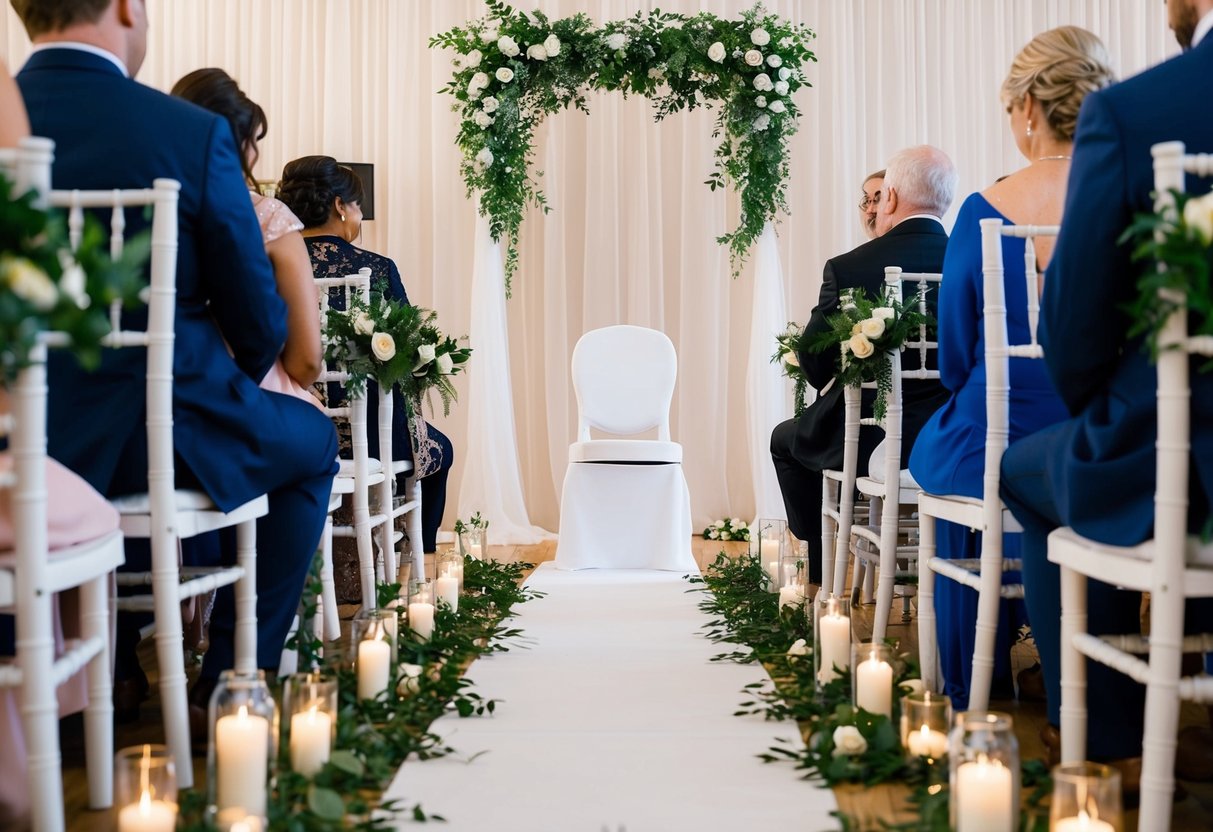
Creating an organized and inviting ceremony setup is essential to your wedding. The arrangement of the altar, officiant, and seating positions for the bridal party and family helps everything flow smoothly.
Altar and Officiant Placement
When planning your ceremony, start with the altar placement. Traditionally, the altar is positioned at the front of the venue, serving as the focal point. The wedding officiant usually stands just in front of the altar, ready to guide the ceremony.
You might choose to have the bride on the left and the groom on the right. This setup symbolizes readiness for their new journey together. If you prefer a more traditional approach, ensure that the officiant has a clear view of both the couple and guests.
Placement Tips:
- Ensure the altar is stable and beautifully decorated.
- Position the officiant at an optimal height, preferably standing on a small platform.
- Consider backdrop elements like flowers or fabrics to enhance the visual appeal.
Bridal Party and Family Seating
Next, focus on the bridal party and family seating. The bridal party typically sits closest to the altar, with the best man and maid of honor alongside the couple. This placement strengthens connections and creates an intimate atmosphere.
Family seating often follows the traditional format. The bride’s family sits on the left side, while the groom’s family is on the right.
Seating Arrangement Tips:
- Clearly mark reserved rows for family and the bridal party to avoid confusion.
- Consider using decorative signs for easy identification.
- Ensure all seats provide a good view of the ceremony for the best experience.
These steps help create a welcoming environment for your guests and a memorable moment for you.