
Does the Bride’s Family Pay for the Groom’s Suit? Exploring Wedding Traditions
When planning a wedding, understanding who pays for what can be confusing. A common question is whether the bride’s family pays for the groom’s suit. Traditionally, the groom’s family is responsible for covering the groom’s attire, which includes his suit and accessories. This is part of the traditional wedding etiquette that outlines the financial roles of each family.
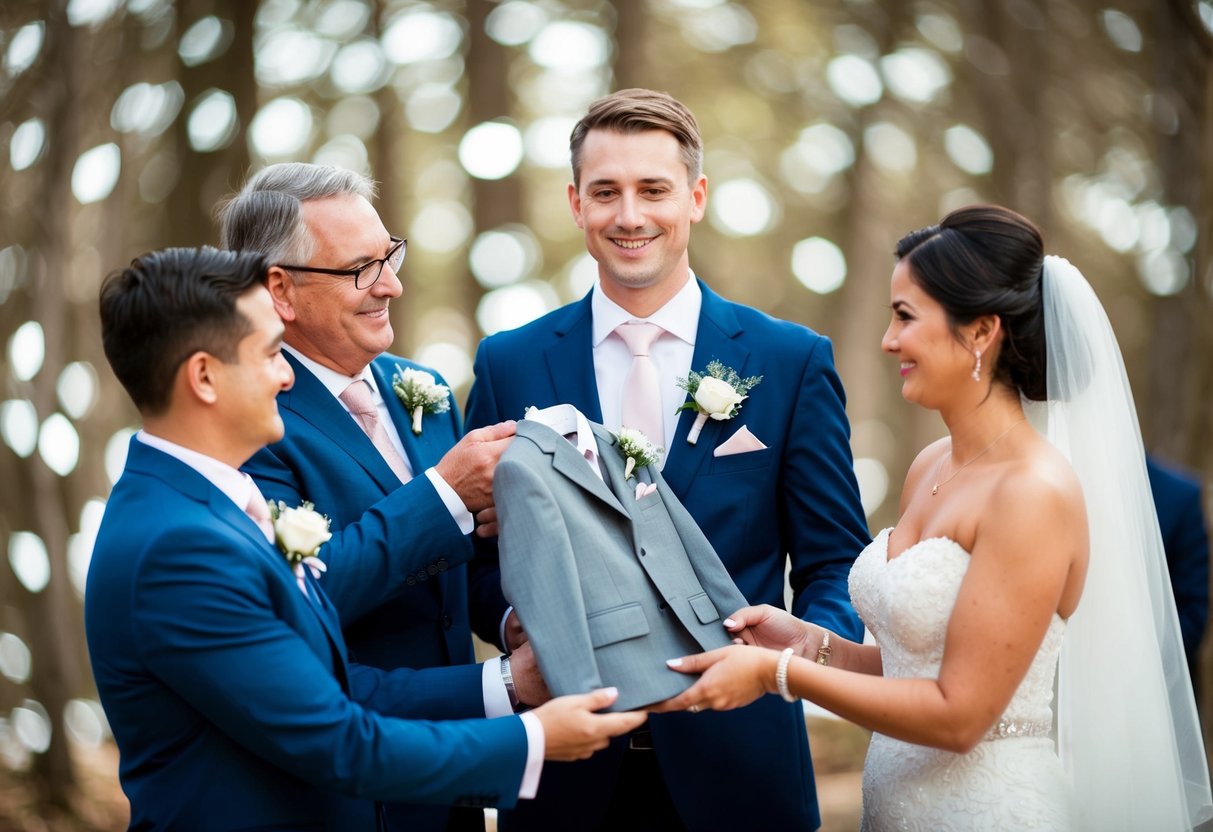
Many couples today are blending these traditions, and discussions about expenses often take place early in the planning process. Open communication between families can help to clarify any misunderstandings.
If you’re getting married soon, knowing these details will make your planning smoother and keep everyone on the same page.
As you dive deeper into wedding planning, remember that customs can change based on personal preferences. Exploring who pays for what allows you to make informed decisions that suit your unique celebration.
Understanding Wedding Expenses
Weddings can be expensive, and knowing who pays for what can help you plan your budget. Understanding these costs can make the process smoother and less stressful for everyone involved.
Breaking Down the Costs
When planning your wedding, consider the various expenses involved. Some common costs include the venue, catering, photography, and attire. The wedding budget will often guide which expenses are prioritized.
Typically, the bride’s family covers the majority of wedding costs, including the ceremony and reception. In some cases, the groom’s family may also contribute.
It’s important to have open conversations about expenses. Create a list of all the costs, and determine who will handle each one. This can prevent misunderstandings and ensure everyone is comfortable with their financial responsibilities.
Roles of The Bride’s and Groom’s Families
Traditionally, the bride’s family is responsible for many wedding expenses. This can include items like the wedding dress, flowers, and the ceremony costs. However, the groom’s family also has their share of responsibilities.
The groom’s family typically pays for certain aspects, such as the rehearsal dinner and possibly the groom’s suit. The groom himself generally handles costs like the engagement ring and gifts for the bridal party.
Clearly defining these roles can help you plan your wedding better. Covering all bases ensures no one feels overwhelmed or left out financially. Don’t hesitate to discuss these matters openly with both families to create a more enjoyable planning experience.
Attire and Presentation

When planning for the big day, attire plays a crucial role in how everyone looks and feels. The right outfits can create a beautiful visual for the wedding and help set the mood. It’s important to understand who pays for what and to consider hair and makeup as part of the overall presentation.
Outfit Expenses for the Big Day
Understanding who covers outfit costs is important. Traditionally, the groom and his family are responsible for the groom’s attire, which includes the tuxedo or suit. This may also extend to groomsmen suits. If the bride’s family chooses to cover these expenses, it can help lessen the burden on the groom’s side.
Outfit costs can vary greatly. Here’s a quick breakdown of potential expenses:
- Tuxedo or Suit: $150 to $600
- Shoes: $50 to $200
- Accessories: $30 to $100
Each part contributes to the final look, so it’s wise to discuss preferences early on.
Hair and Makeup Considerations
While your outfit is essential, hair and makeup also play a big part in your appearance on the wedding day. Traditionally, the bride pays for her own hair and makeup, but sometimes costs can extend to bridesmaids or family members.
Discuss your preferences with a professional stylist ahead of time. Take note of these factors:
- Hair Services: $75 to $200
- Makeup Services: $50 to $150
You want to feel confident and look your best, so scheduling trials can be beneficial. This way, you can ensure the final look matches your vision for the special day.
Ceremony and Reception Essentials
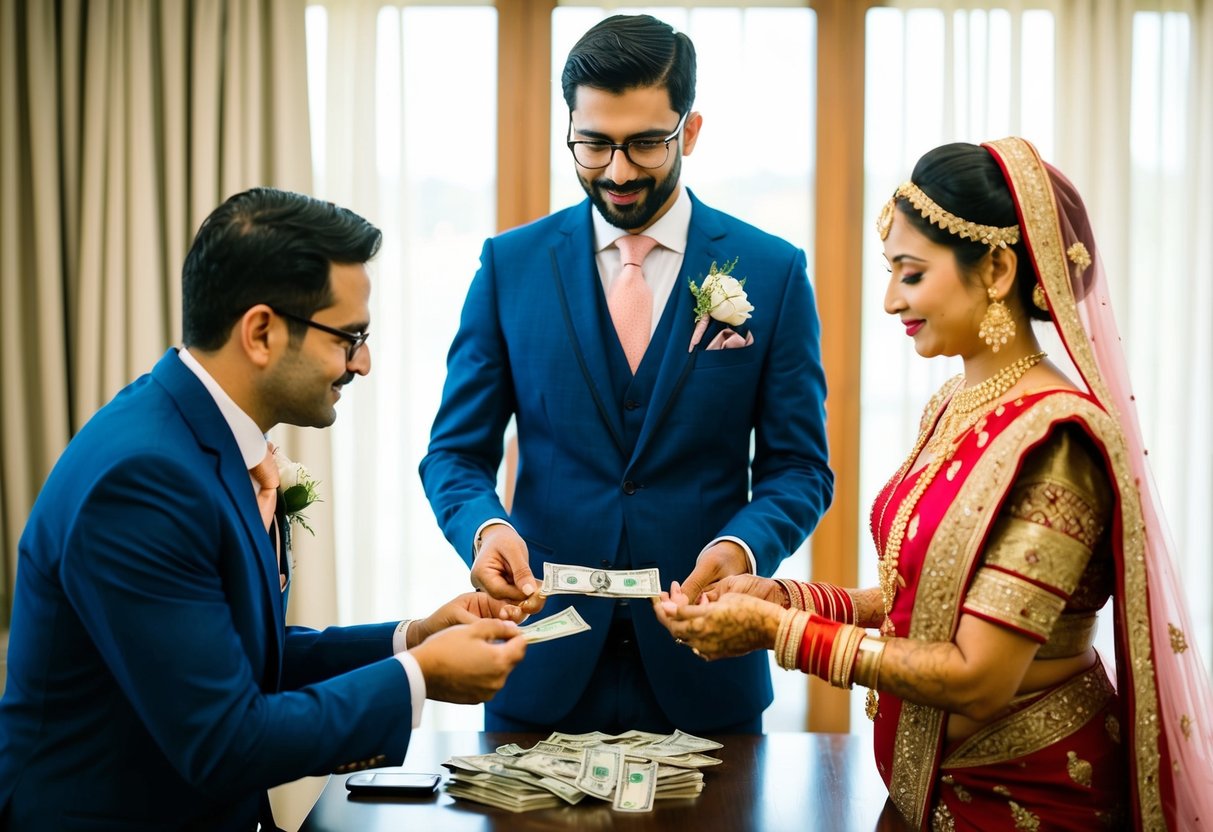
Planning the ceremony and reception includes many key components that set the tone for your big day. You’ll want to focus on the venue, decorations, catering, and alcohol to create a memorable experience for you and your guests.
Venue and Decorations
Choosing the right wedding venue is crucial. Consider locations that match your style, whether it’s a cozy barn, a grand hotel, or a scenic outdoor spot. Think about how many guests will attend. This will help you select a venue that feels just right.
Decorations are the finishing touch. Floral decorations can add beauty and elegance. You can choose a color scheme that matches your wedding theme. Consider using table centerpieces, aisle markers, and backdrops to enhance the atmosphere. Lighting also plays a big role. String lights and soft uplighting can create a warm, inviting feel.
Catering and Alcohol
When it comes to wedding catering, selecting the right menu is key. Think about your guest list. You can offer a buffet, seated dinner, or even food stations. Options like vegetarian or gluten-free meals can accommodate dietary restrictions.
Alcohol can elevate the reception experience. You might offer a signature cocktail, beer, wine, and spirits. As the reception often lasts several hours, consider how much alcohol you’ll need. Including a variety of beverage choices ensures guests have options they enjoy.
Additional Wedding Components
When planning your wedding, it’s important to consider not just the main event, but also the various related activities and the special touches that can enhance your celebration. From pre-wedding events to photography, these components play a big role in your overall experience.
Pre-Wedding and Post-Wedding Events
Pre-wedding events can set the tone for your big day. For instance, the engagement party is a chance for you and your partner to celebrate with friends and family before the wedding. This event can be hosted by either family and usually includes snacks and drinks.
The rehearsal dinner is another key event, typically held the night before the wedding. It’s often funded by the groom’s family, inviting all those who play a significant role in the ceremony. This relaxed gathering helps everyone get to know each other better before the main event.
After the wedding, many couples enjoy a honeymoon. This is your time to unwind and celebrate your new marriage. Honeymoon costs can vary widely, so setting a budget ahead of time can help you focus on your dream destination.
Photography and Special Touches
Capturing the memories of your wedding day is essential. Hiring a skilled wedding photographer can make all the difference. They not only take beautiful photos but can also provide photography and videography services to preserve those precious moments.
Consider adding special touches to your wedding, such as personalized wedding gifts for your guests. This thoughtful gesture helps guests feel appreciated and creates lasting memories of your day.
You can also include unique elements in your decor or theme to reflect your personality as a couple.
By planning these additional components, you can enhance the overall experience for you and your loved ones.