
Does the Father of the Bride Sit Next to the Bride? Understanding Seating Arrangements at Weddings
At a wedding ceremony, seating arrangements are an important part of the tradition. Many wonder if the father of the bride sits next to the bride. In many western weddings, the father of the bride typically does not sit right next to her during the ceremony. Instead, he usually sits in the front row with the bride’s mother, while the bride occupies a different spot at the altar.
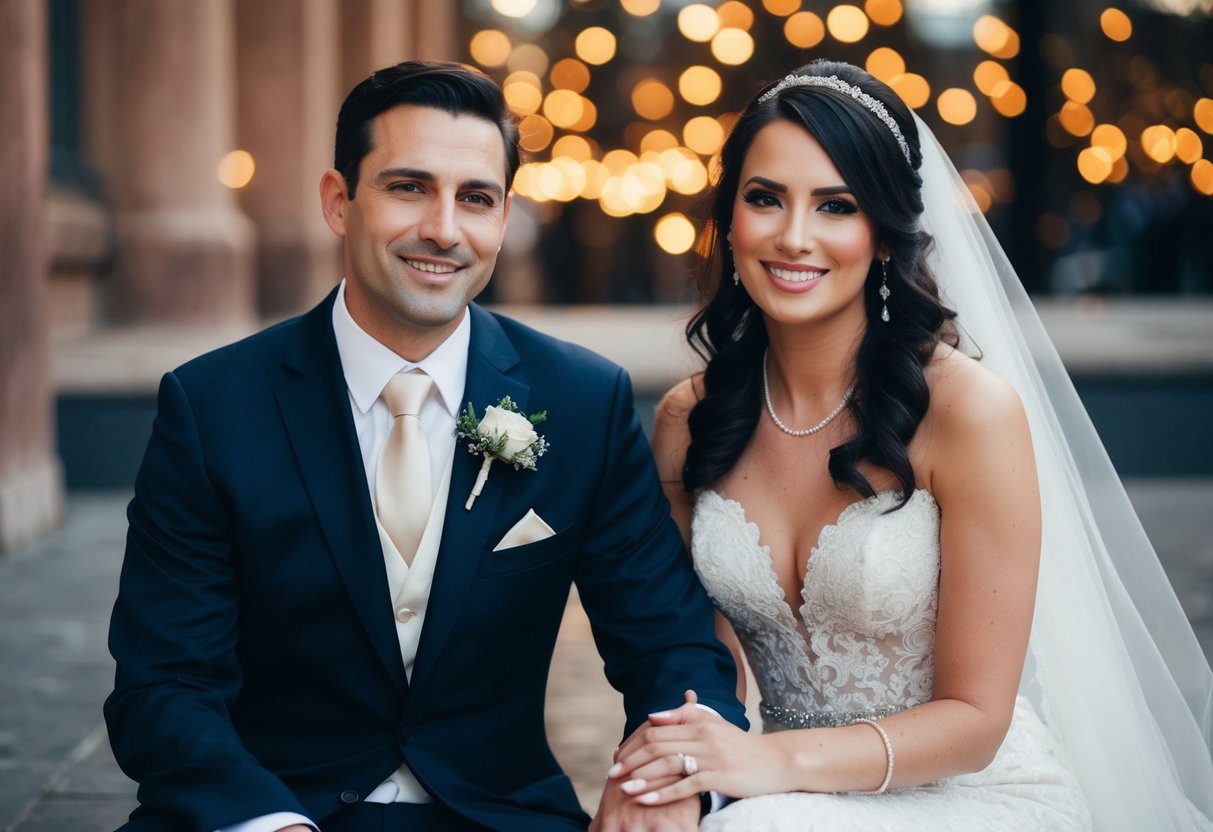
This seating arrangement honors the traditional roles at weddings, making it clear that the bride is often accompanied by her father as he walks her down the aisle. After this moment, he assumes his place with family at the front to support her from the sidelines. Understanding where the father of the bride sits can help clarify any questions about wedding traditions and families’ roles on that special day.
As you plan or attend a wedding, knowing these details helps you appreciate the significance of the ceremony and keep everything organized. Each seating choice reflects not just tradition but also the love and support that surrounds the bride as she embarks on her new journey.
The Role of the Father of the Bride
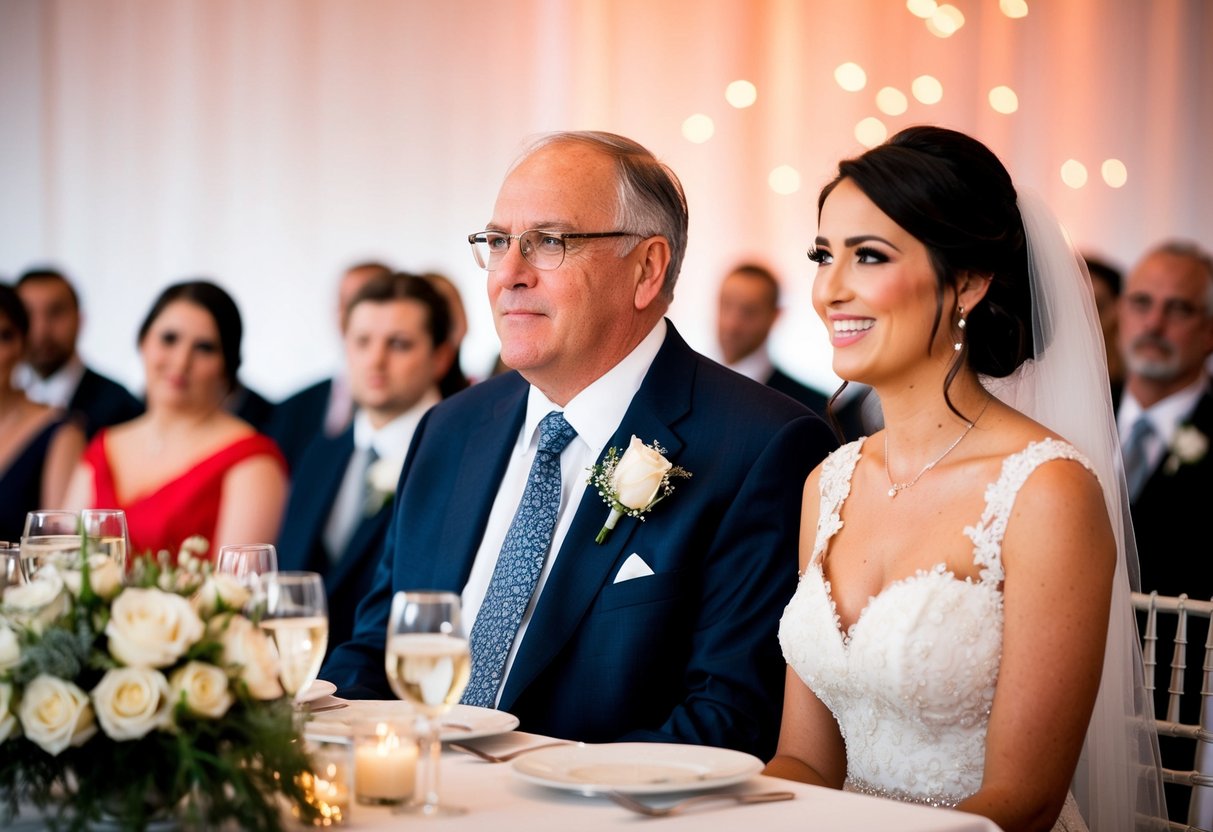
The father of the bride holds an important role in a wedding, filled with tradition and emotion. From giving away the bride to participating in various ceremonies, this role brings families together and celebrates love in many ways.
Tradition and Symbolism
Traditionally, the father of the bride walks her down the aisle as a symbol of giving her away to her partner. This act represents the uniting of two families. The father’s presence shows support for his daughter’s choice in her spouse.
In many cultures, the father is expected to sit to the left of the aisle during the ceremony, indicating his protective role. This position also allows him to witness the vows and be part of the important moments of the day.
Modern Interpretations
As weddings evolve, the role of the father of the bride is also changing. In modern weddings, it’s common to see different family structures, including LGBTQ couples. Some brides may choose a parent or a loved one who is not their biological father to walk them down the aisle.
This shift allows for personalization in the ceremony. Many couples focus on what feels right for them rather than strictly following tradition. The emphasis is on love and support, no matter who fills the role of the father of the bride.
Escorting the Bride
Walking the bride down the aisle is a cherished moment. It is not just about the physical act, but also about the emotions involved. The father may share personal words with the bride, creating a special memory for both.
In certain situations, grooms may also participate in this moment, especially in mixed or non-traditional families. It highlights the bond and support surrounding the couple as they begin their journey. Celebrating with friends and family adds to the significance of this act, marking it as a joyful occasion.
Ceremony Seating Etiquette
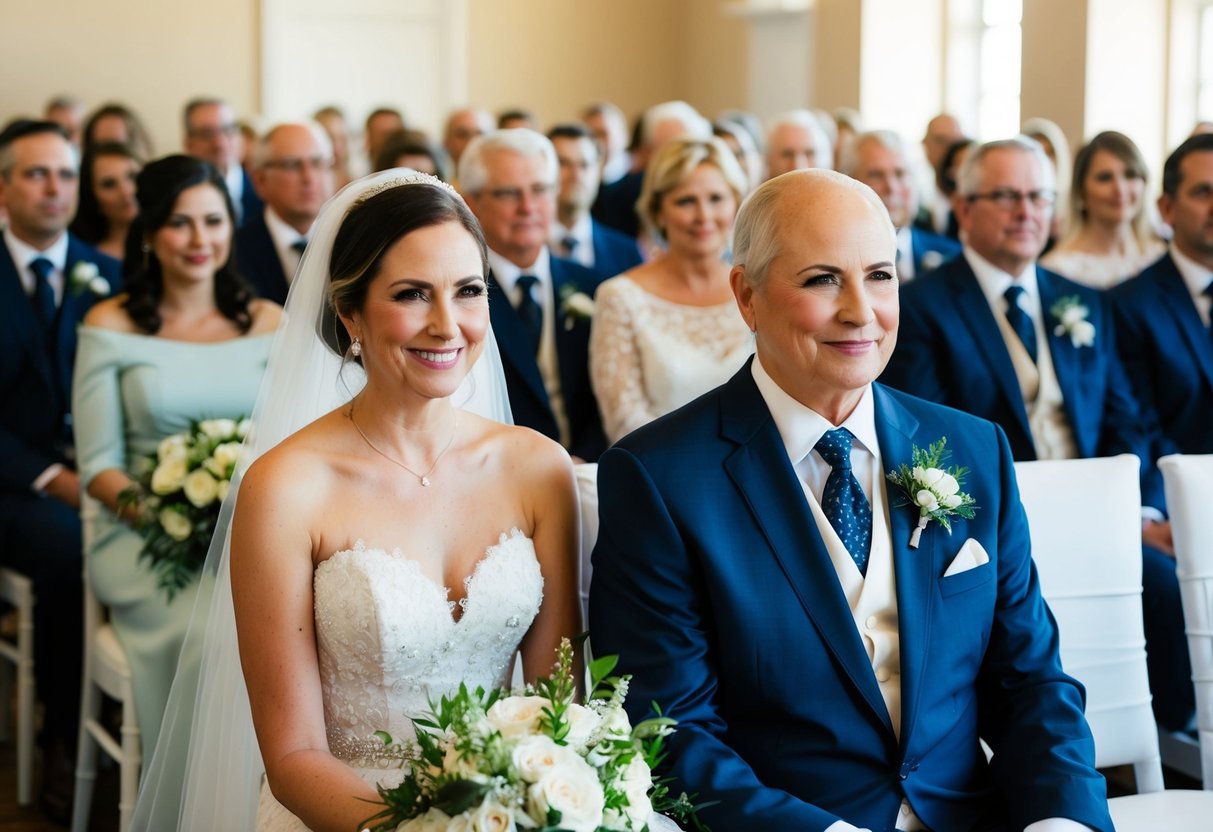
Understanding seating etiquette can help make your wedding ceremony flow smoothly. It sets a tone for the event and shows respect for your family and friends. Here, you can find essential information about traditional seating arrangements and considerations for all families.
Traditional Seating Overview
In a traditional wedding ceremony, seating is typically arranged by family ties. The mother of the bride usually sits on the left side of the center aisle, while the mother of the groom sits on the right.
The father of the bride often sits next to her, close to the front. This placement emphasizes their important role during the ceremony.
If there are two aisles, guests may fill the center section first. This allows for an unobstructed view of the ceremony for the closest family members and friends.
Seating Immediate Family
Immediate family members, such as siblings and grandparents, should be seated in the front rows. Situating them closer gives them a special place in your ceremony.
Family members who are not in the wedding party often fill the next one or two rows. You can use this seating arrangement to honor your close relatives, showing their importance on your special day.
Tip: If you have a close family friend or an honorary sibling, consider including them in immediate family seating. This gesture can make your ceremony feel even more personal.
Special Considerations for Non-Traditional Families
If your family structure is non-traditional, you have flexibility in seating. In same-sex marriages, families can be assigned to either side based on preference, allowing guests to feel included.
If there are blended families, discuss seating options ahead of time to avoid any discomfort. It’s helpful to have open communication with all family members to create a harmonious atmosphere.
Additionally, consider special seating for widowed parents. They may prefer someone by their side, which is perfectly acceptable in modern ceremonies.
Reception and Post-Ceremony Traditions
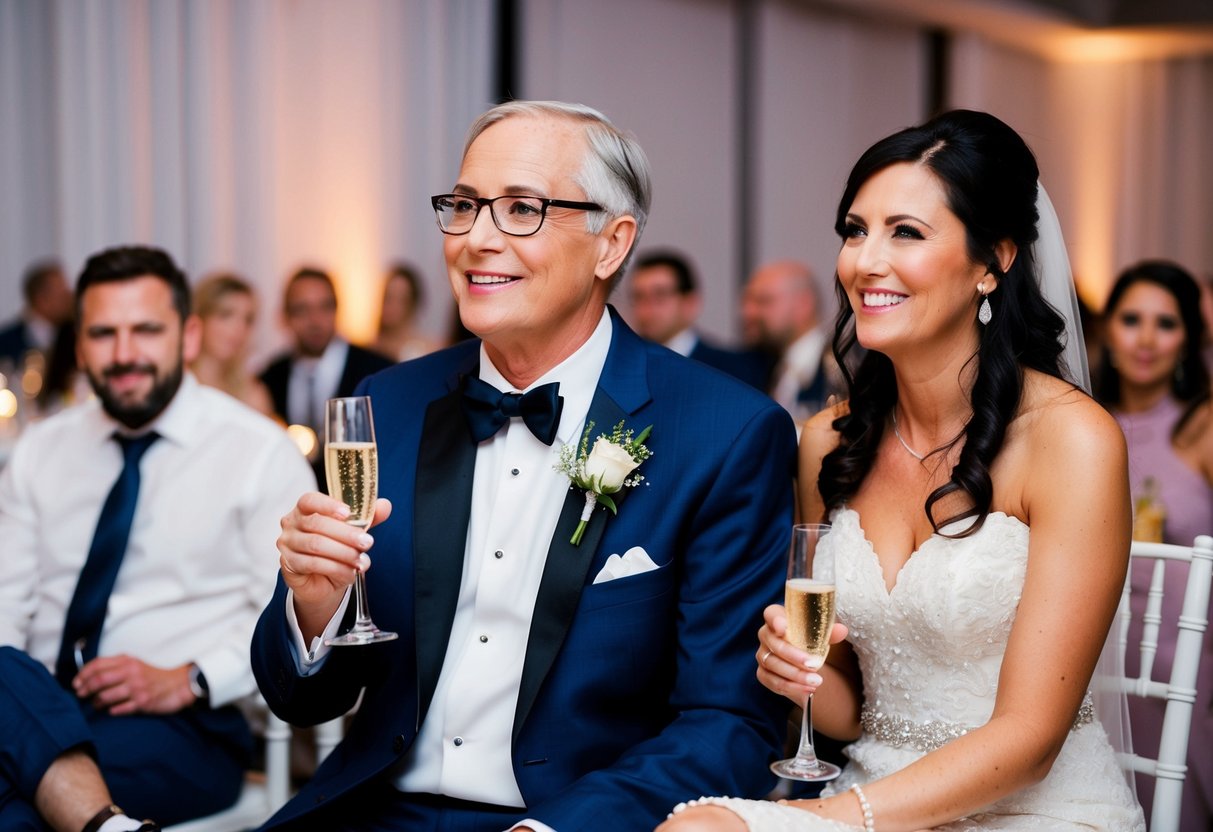
After the ceremony, the reception brings opportunities for special seating arrangements and meaningful traditions. Understanding where the father of the bride sits, along with the couple and the guests, helps create a warm and inviting atmosphere.
The Head Table and Sweetheart Table
At the reception, seating is carefully chosen. The head table typically includes the bride, groom, and their wedding party. This arrangement allows for easy interaction and celebration among close friends and family.
Alternatively, some couples opt for a sweetheart table. This intimate setting features just the bride and groom. It provides a special moment for the couple to enjoy each other’s company amid the festivities.
Top Table Arrangements
The top table often reflects the family’s role in the wedding. Traditionally, the father of the bride sits to the left of the bride, with the groom’s father opposite him. This arrangement honors both families during the celebration.
You might also notice parents, siblings, or special guests included based on the couple’s preferences. Keeping everyone in mind ensures a supportive and joyous environment throughout the reception.
Dance and Toast Protocols
The festivities continue, and dance and toast protocols come into play. The father of the bride typically has the honor of the first dance with his daughter. This moment symbolizes their close bond and offers a heartfelt touch to the evening.
Toasts usually follow dances, starting with the father of the bride. He often welcomes guests and shares meaningful stories. Encouraging heartfelt toasts from family and friends enhances the wedding atmosphere, creating lasting memories.