
Does the Father of the Groom Have Any Duties? A Helpful Guide for Wedding Prep
As the father of the groom, you play a vital role in the wedding celebrations. Your important duties help support your son and prepare for the big day. From offering emotional support to assisting with wedding planning, your involvement can make a significant difference.
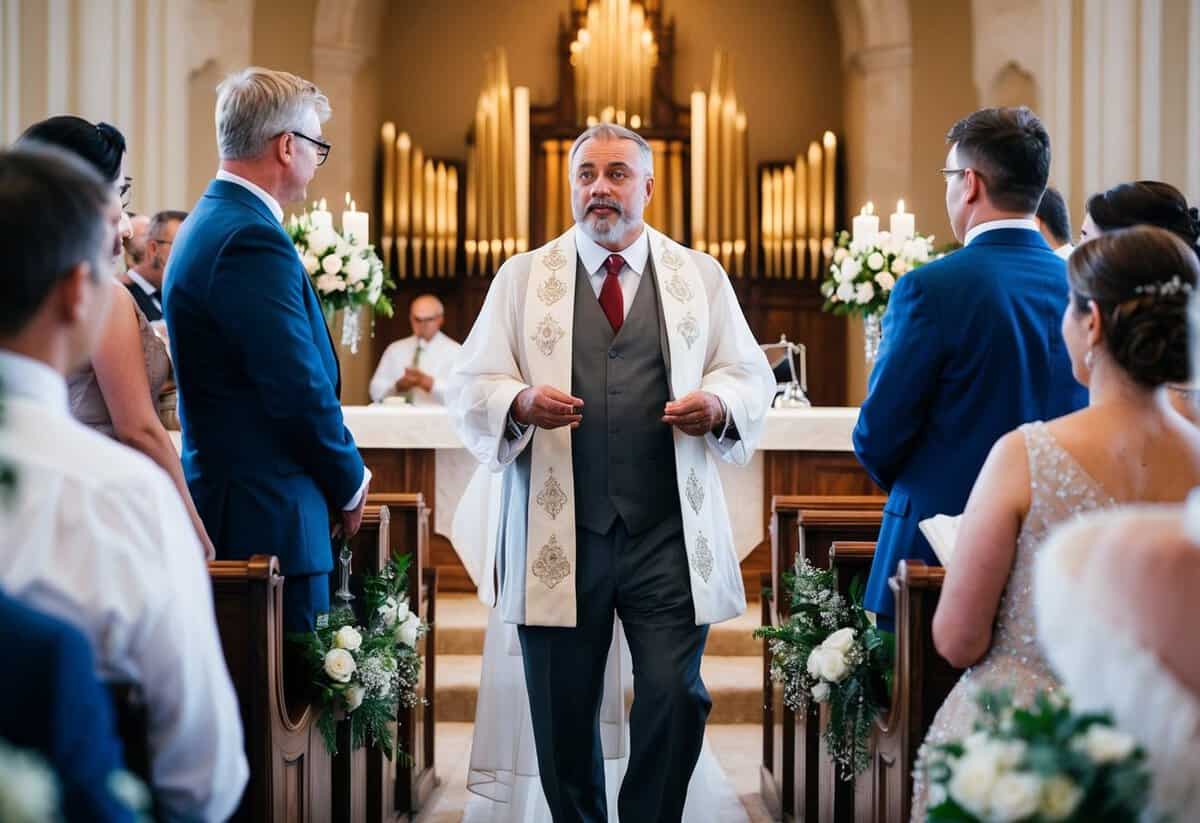
Your responsibilities may include helping to coordinate with vendors, providing financial support, and even planning a special moment during the reception, like dancing with your son and his new spouse. Being actively engaged in these tasks not only strengthens your bond with your son but also helps create cherished memories for the whole family.
Understanding these duties can ease your mind and allow you to enjoy the process. You’ll find that being the father of the groom is not just about standing at the altar; it’s about being an essential part of your son’s journey to married life.
Prelude to the Wedding
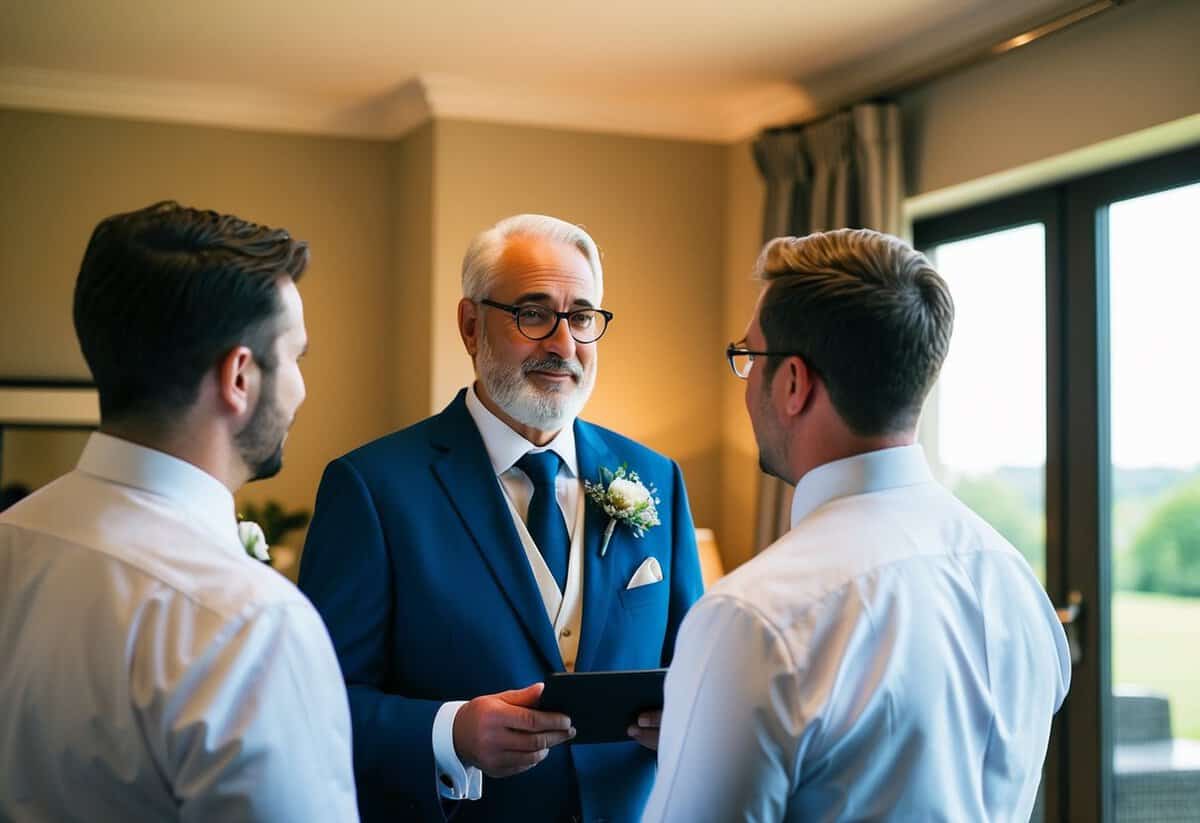
As the father of the groom, you have important tasks leading up to the wedding. Your involvement can help ease the planning process for your son and ensure everything runs smoothly.
Key areas include financial contributions, guest list planning, rehearsal dinner arrangements, and attire selection for the big day.
Financial Contributions and Budgeting
Discussing the wedding budget is essential. You may need to help cover some wedding expenses, such as the venue, catering, or flowers. It’s important to have open conversations with your son and his partner about what costs you can assist with.
Create a detailed list of expenses. This list can include items like the engagement party, rehearsal dinner, and wedding rings. Having clarity on finances can reduce stress for everyone involved.
Consider setting aside a designated amount for unexpected costs. Weddings can sometimes go over budget, so having a buffer can help maintain peace of mind.
Engagement Party and Guest List Involvement
An engagement party is a wonderful opportunity to celebrate the couple. You can help plan this event by collaborating with the groom and his fiancée. Choose a date, location, and theme that suits their style.
When it comes to the guest list, be actively involved in finalizing the attendees. You may want to invite close family members and friends. Making sure everyone feels included can help strengthen relationships.
Communicate with the couple to decide who they want to invite. Ensure that you keep track of RSVPs and manage logistics for the event to help it run smoothly.
Planning the Rehearsal Dinner
The rehearsal dinner usually takes place the night before the wedding. It’s a relaxed gathering for the wedding party and close family. You can take on the responsibility of organizing this important event.
Start by selecting a location. This could be a restaurant or someone’s house. Make sure it’s convenient for guests.
Plan a menu that accommodates different dietary preferences. Consider options for appetizers, main dishes, and desserts. Your thoughtful planning will make the night special and enjoyable for everyone.
Lastly, don’t forget to coordinate the invitations. Ensure that everyone who’s part of the wedding party is included. This dinner can set a positive tone for the big day ahead.
Attire Selection for the Big Day
Your attire is another important component of the wedding prep. Discuss with your son what he envisions for his wedding day.
As the father of the groom, you should choose an outfit that compliments the groom’s attire. Coordinate with him on color and style to maintain a cohesive look.
Consider renting or purchasing a tuxedo or suit early on. This gives you ample time for fittings and alterations. Don’t forget about accessories like shoes and ties. Paying attention to these details helps you look your best on his special day.
Ceremony Responsibilities
During the wedding ceremony, you play a vital role in supporting the groom. From handling paperwork to participating in key moments, your involvement is important for making the day special.
Marriage License and Officiant
One of your first tasks is ensuring the marriage license is ready. This document is essential for the legal part of the wedding. You may need to sign it along with the officiant.
Before the big day, confirm the officiant’s details as well. Reach out to them to discuss the ceremony flow and any specific couple requests. This communication helps everything run smoothly and ensures the couple’s wishes are understood.
Role in the Processional
As the ceremony begins, you’ll have a special role in the processional. Traditionally, you escort the groom’s mother to her seat. This act sets a respectful tone for the ceremony.
After that, you may stand beside your son at the altar. It’s a moment filled with pride and support. Your presence there shows that you are backing him as he takes this important step in his life.
Presence at the Altar
While standing at the altar, your presence is crucial. You may need to reassure the groom if he seems nervous. A simple pat on the shoulder or encouraging smile can make a big difference.
When the bride arrives, you’ll witness one of the most emotional moments of the day. It’s a chance for you to reflect on your son’s journey and the new family being formed. Your role here enhances the emotional depth of the ceremony.
Reception and Celebration
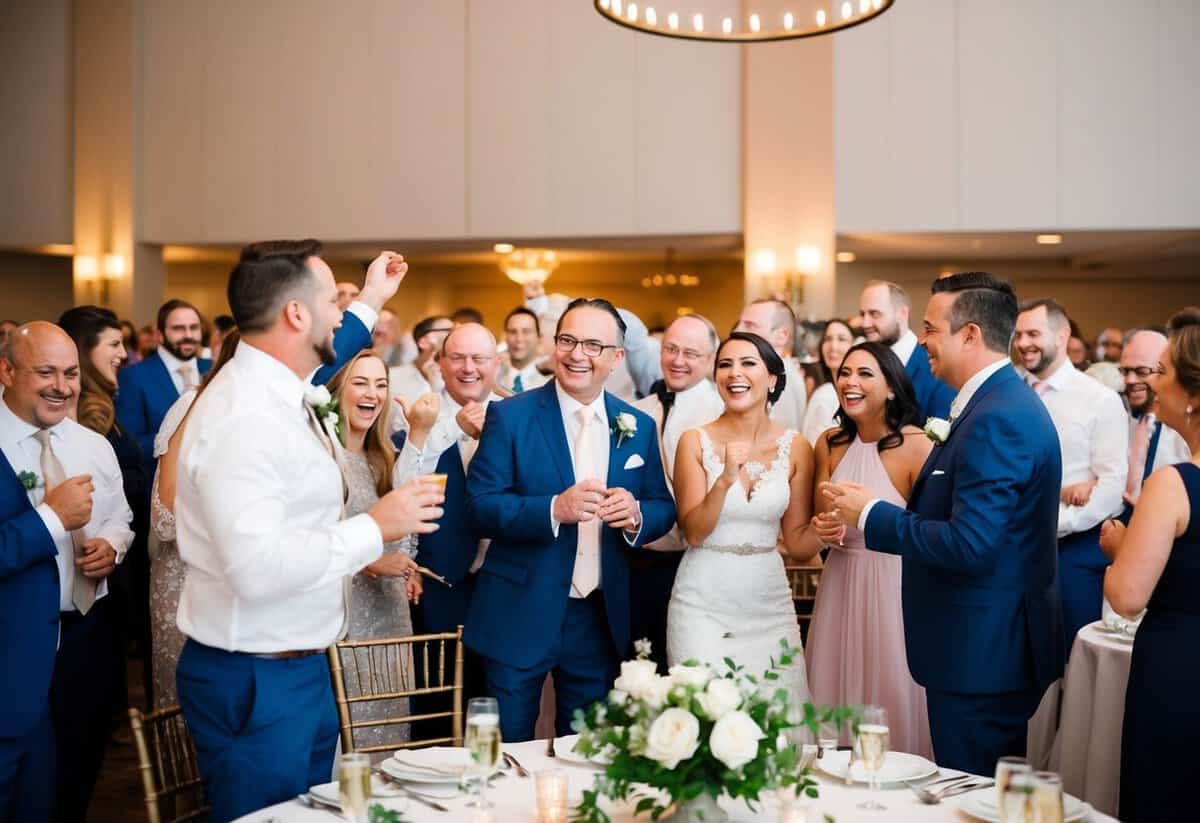
As the father of the groom, you play an important role in the reception and celebration. This is an opportunity to help create a joyful atmosphere for everyone. Your presence and actions can make a big difference in welcoming guests and celebrating the couple.
Greeting and Leading the Receiving Line
One of your key duties is to greet guests as they arrive. You’ll often lead the receiving line along with the groom’s mother. This means standing at the entrance and greeting each guest warmly.
Make sure to smile and make small talk, thanking guests for coming. This is a wonderful chance for you to connect with family and friends.
In the receiving line, you introduce your son and his partner to the guests, making everyone feel welcome.
Father of the Groom Speech and Toast
A memorable part of the reception is when you give your speech or toast. You should prepare a few heartfelt words to share with the guests.
Start by introducing yourself and expressing gratitude to everyone for being there.
Then, share a funny or touching story about your son. Keep it light and appropriate for all ages.
End your speech by wishing the couple happiness and love. A well-given toast can add a personal touch to the celebration.
Dance with the Bride
As the father of the groom, you may get the chance to dance with the bride during the reception. This is a special moment where you can show your support for your son and his new partner.
When it’s time for this dance, make your way to the dance floor with confidence. Remember to choose a song that reflects positive emotions and joy.
This dance can symbolize the joining of two families and is sure to be a cherished moment for everyone present.
Partaking in Special Dances
There may be other special dances during the reception, like the bride and groom’s first dance. You should be prepared to join in and support your son as well.
Participating in the festivities helps create a fun environment. If there is a dance with the groom’s mother, this can be a touching moment, too.
Celebrate these moments together and encourage others to join in the fun.
These experiences highlight the joy of the day and make lasting memories for everyone.
Support Beyond the Celebration
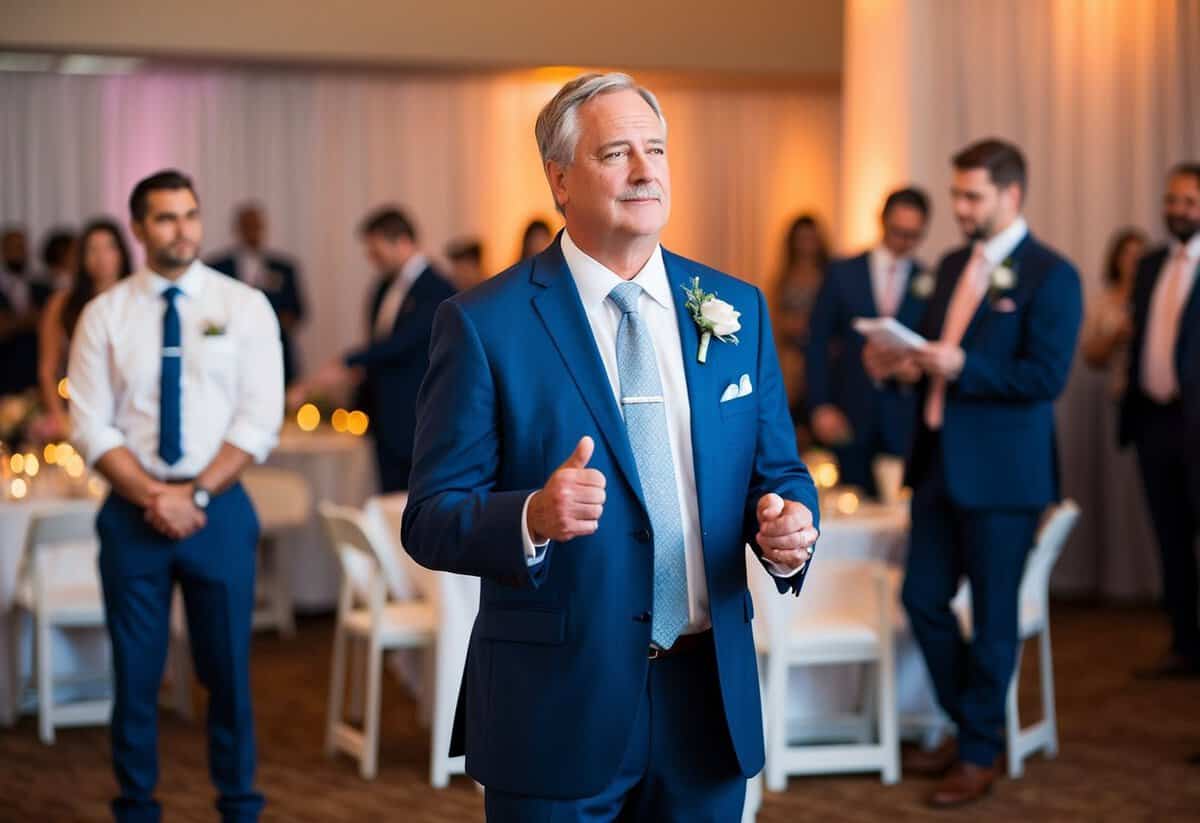
As the father of the groom, your role extends far beyond the wedding day. You play a crucial part in ensuring that both the groom and his family feel supported during this transition. This includes caring for the groom’s mother, welcoming your new daughter-in-law, and providing ongoing emotional and moral support.
Caring for the Groom’s Mother
It’s important to recognize that the wedding can be an emotional time for the groom’s mother. Offering her your support can make a big difference. Assist her by coordinating tasks, helping her prepare for the day, and making sure she feels included.
You might also consider escorting the groom’s mother during key moments, such as arriving at the venue or mingling with guests. This act of kindness shows respect and acknowledges her feelings. Simple gestures like asking how she’s feeling or if she needs anything can provide her with comfort and assurance.
Welcoming the New Daughter-in-Law
Your new daughter-in-law is now a part of your family. Welcoming her with open arms can ease her transition and help her feel valued. Take time to get to know her better, and include her in family activities leading up to the wedding.
Consider arranging a gathering, such as a dinner or family outing, where she can bond with you and the groom’s mother. These efforts demonstrate your acceptance and can strengthen family ties. Simple conversations about family traditions and expectations can also help her feel more at home.
Offering Continued Emotional and Moral Support
After the wedding, you should continue to be supportive. The transition into married life can be challenging. Both the groom and his new wife may face ups and downs.
Being a calming presence for your son is crucial.
Check in with him regularly to see how he is doing. Offer advice when asked, and be someone he can turn to for encouragement.
Likewise, reach out to your daughter-in-law. Providing her with a listening ear and understanding can foster a positive relationship.
By being proactive in these ways, you not only help your son but also contribute to building a strong bond within your family.