
Does the Girl Buy the Guy’s Wedding Ring? Exploring Modern Proposal Trends
When it comes to wedding rings, many traditions come to mind. Often, people ask, “Can the girl buy the guy’s wedding ring?” Many couples choose to share this decision together. As societal values shift toward equality, it’s important to examine how these changes affect the decision-making process around rings.
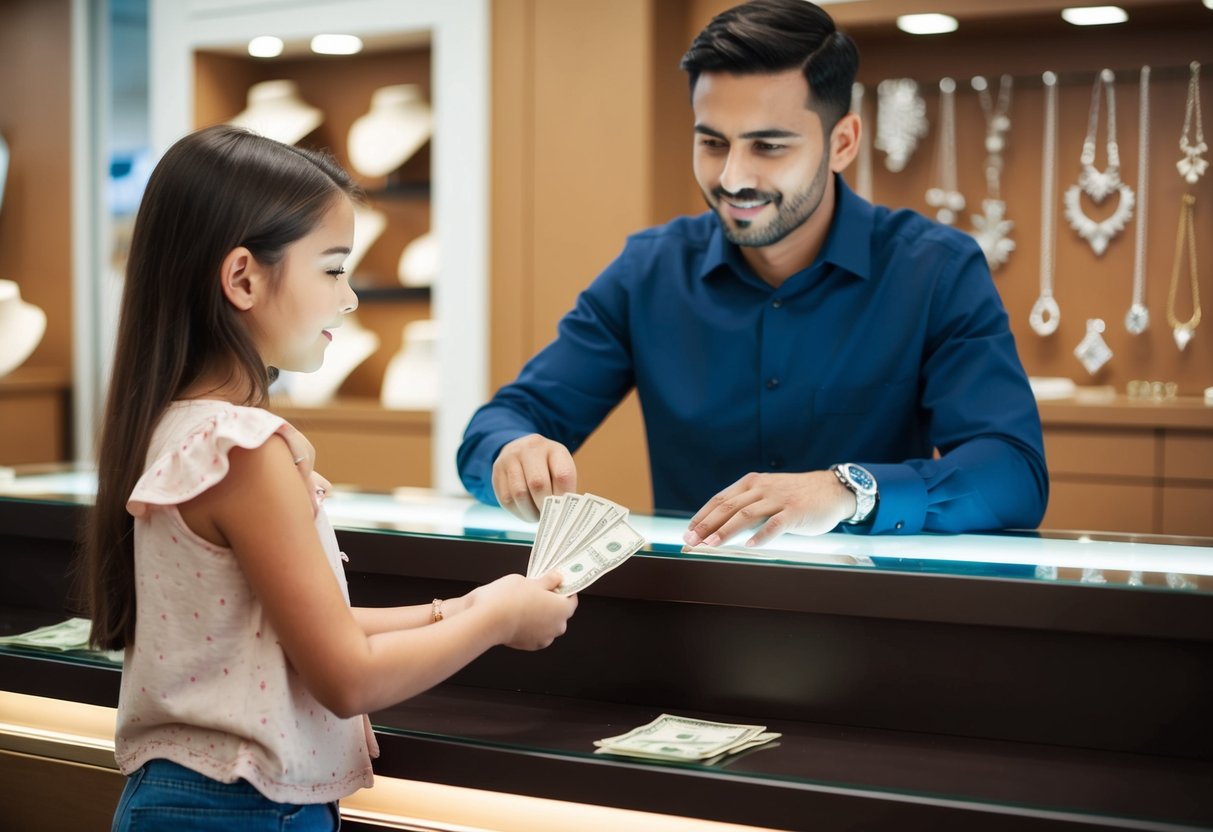
Historically, wedding rings have often been viewed through the lens of gender roles. People expected the man to purchase the engagement ring while the woman buys his wedding ring. However, this view is evolving. Many couples today value the symbolism of equal partnership and choose to select their rings together, reflecting their unique relationship.
Exploring the options for purchasing wedding rings can be exciting. Finding the right rings that represent both partners’ styles emphasizes a commitment to shared values in your journey together. Consider how you both can express your love and commitment through this special choice.
Traditions and Gender Roles
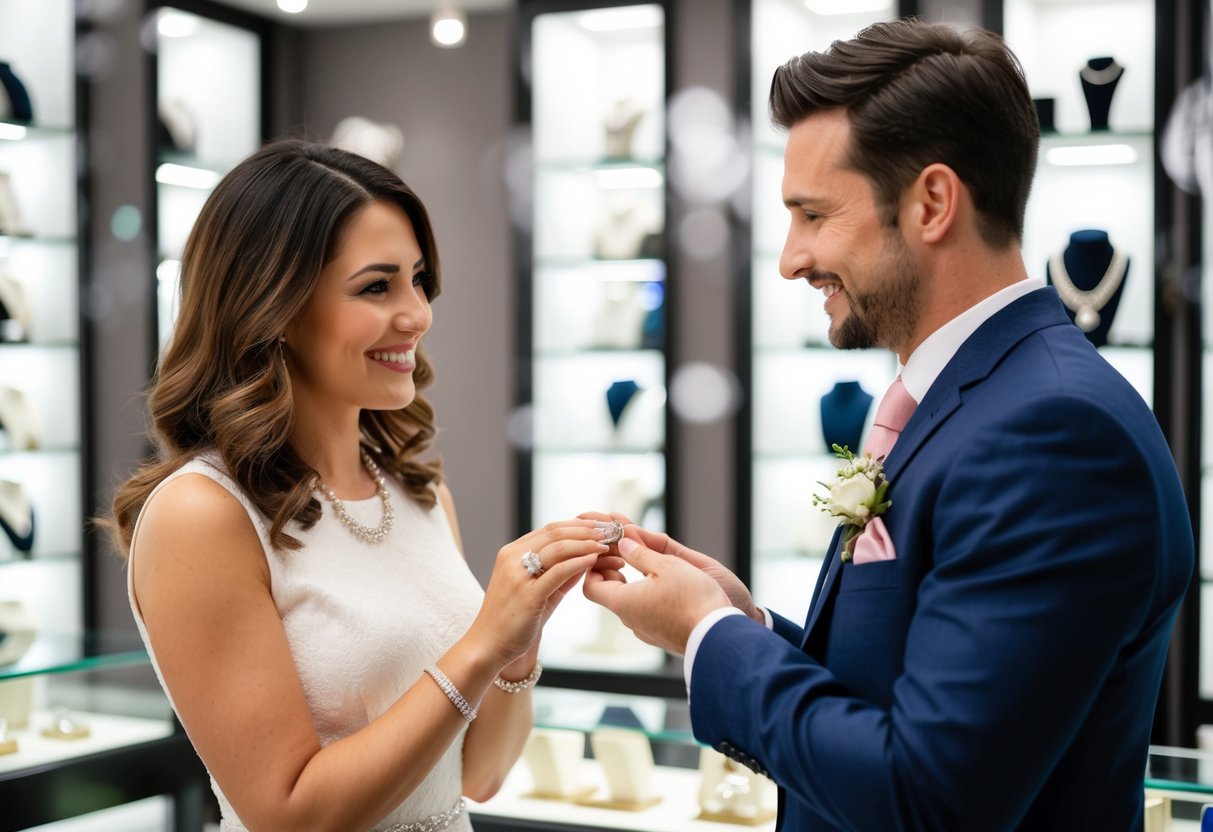
The purchase of wedding rings often reflects deeper traditions and societal expectations. These customs have evolved over time, leading to changing views about gender roles and the importance of equality in relationships.
Historical Perspective
Historically, wedding ring traditions have emphasized clear gender roles. Typically, it was the man who purchased the engagement ring and wedding accessories for his bride. This practice stemmed from cultural norms where men took on the financial responsibilities of the relationship.
In many societies, it was expected that women would buy their partner’s wedding ring as a sign of commitment. However, this was less common and often dependent on local customs. These traditions reflected views of men as providers and women as nurturers.
Modern Views on Gender Equality
Today, there’s a shift toward a more egalitarian approach. Many couples now see the exchange of rings as a mutual symbol of love and commitment. Gender equality plays a big role in these modern views, challenging traditional customs.
In these relationships, both partners may choose to buy each other rings, symbolizing their equal partnership. This shift highlights how societal expectations have evolved, allowing for more flexibility in how couples express their love. You get to decide what works best for you and your partner, ignoring outdated roles and focusing on what feels right.
The Financial Aspects of Wedding Rings
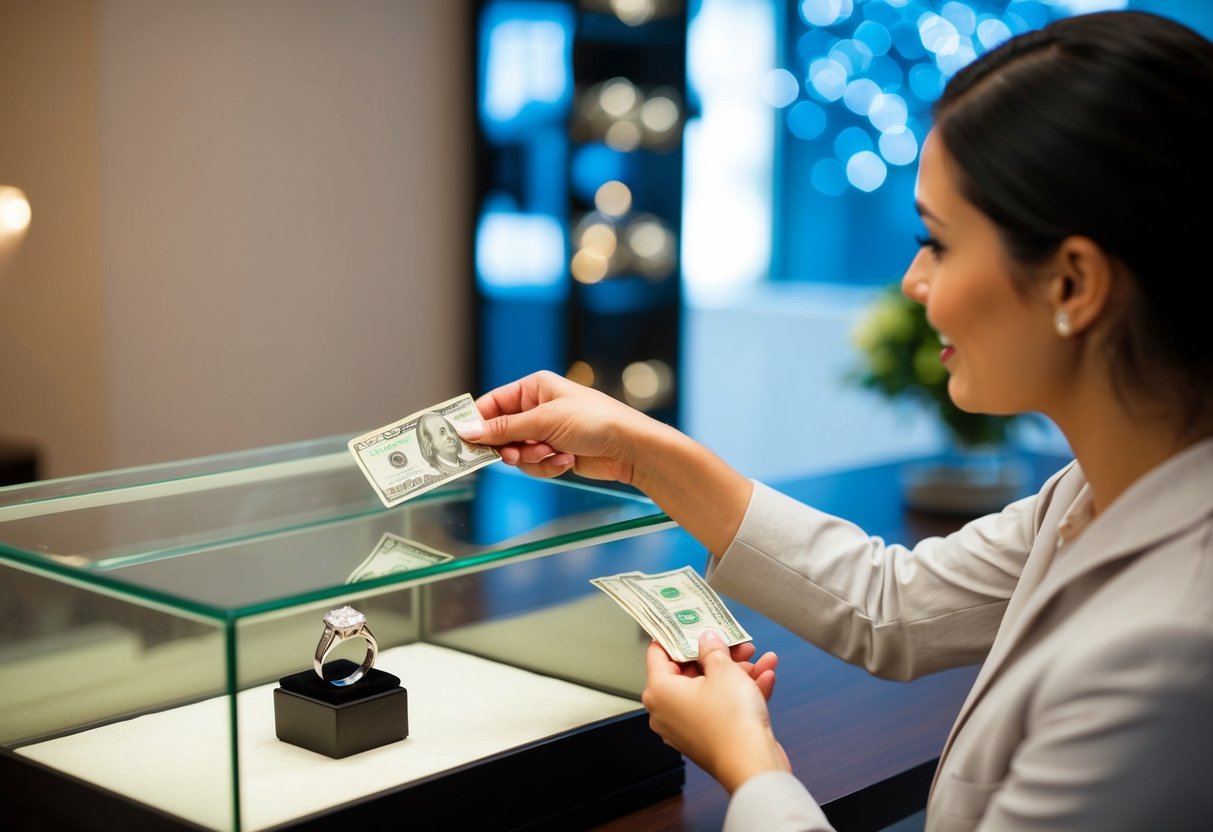
Getting wedding rings involves several financial considerations that are important to think about. You can work out a budget that fits your financial situation and decide how to share costs fairly.
Budgeting for Your Rings
Start by setting a budget. Knowing how much you can spend on wedding rings will help guide your choices.
Tips for budgeting:
- Discuss with your partner: Talk openly about what you’re comfortable spending.
- Research prices: Different styles and materials can vary greatly in cost.
- Save ahead: If you have a timeline leading up to the wedding, consider saving a bit each month.
Setting a clear budget makes it easier to find the right rings without feeling stressed about finances.
Understanding Costs
Be aware that wedding rings come with different price ranges. The material, design, and brand can all affect the cost.
- Materials: Platinum and gold tend to be more expensive than silver.
- Customization: Personalized designs will increase the price, but they can add sentimental value.
- Shop Around: Don’t hesitate to compare prices from different jewelers. You might find affordable options that meet your needs.
Knowing the costs associated with various choices helps you make informed decisions within your budget.
Shared Financial Responsibility
More couples are choosing to split the cost of wedding rings to promote financial equality. This method allows both partners to invest equally in their commitment.
- Mutual investment: Consider contributing a percentage that is comfortable for both of you.
- Joint expenses: You can set up a joint savings account specifically for wedding rings.
- Talk about it: Open discussions about finances help avoid misunderstandings later on.
Sharing the financial responsibility can strengthen your partnership and create a sense of teamwork as you prepare for your wedding.
Choosing the Right Wedding Band
Selecting the right wedding band is essential for both comfort and personal style. It’s important to find a ring that represents your feelings and meets your practical needs. Here are some key aspects to consider.
Comfort and Durability
Your wedding band will be worn every day, so comfort is vital. Think about how the ring feels on your finger. You might want to choose a design that sits smoothly against your skin and doesn’t irritate.
Durability is also important. Opt for materials like tungsten or titanium, known for their strength. These options can withstand daily wear and are less likely to scratch or bend.
Pay attention to the finish, too. A polished finish might look great, but a matte or brushed finish can hide scratches much better.
Style and Personal Preferences
Your wedding band should reflect your personal style and preferences. Consider what designs resonate with you. Do you prefer something classic or modern?
Matching wedding rings can be a beautiful expression of your bond. Look for complementary styles that represent both you and your partner.
Think about the metal type as well. Gold, silver, and platinum each offer a unique look and feel.
Don’t forget about any added elements. Some choose to incorporate gemstones or engravings to make the ring extra special. Select details that represent your love story, ensuring the ring feels uniquely yours.
Communication and Decision Making
When it comes to buying a wedding ring for your partner, communication plays a vital role. This process can strengthen your relationship and ensure that both of you feel valued in the decision-making journey.
Open Communication in Partnership
Open communication helps you and your partner express your feelings and thoughts about significant decisions, like wedding rings. Being honest allows you both to share your preferences and expectations.
Discuss what the ring symbolizes for you. It’s not just a piece of jewelry; it represents your love and commitment. Share why this decision matters to you and encourage your partner to do the same.
Make a list of what each of you envisions. This includes styles, budgets, and meaningful symbols that reflect your partnership. Clear dialogue fosters understanding and paves the way for shared responsibilities in wedding planning.
Decision Process and Mutual Agreement
The decision-making process should involve both partners equally. Start by setting aside time to explore options together. Whether you decide to shop for rings or each have your own choices, mutual agreement is key.
Discuss your finances openly. This conversation helps determine a comfortable budget for both of you.
Consider discussing different styles and materials, as well.
When you reach a decision, confirm that both partners feel happy and respected. This ensures the choice represents your commitment and love.
Remember, the ring is a symbol of your journey together, so let it reflect both of your personalities and values.