
Does the Groom Enter with His Mother? Exploring Traditional Wedding Practices
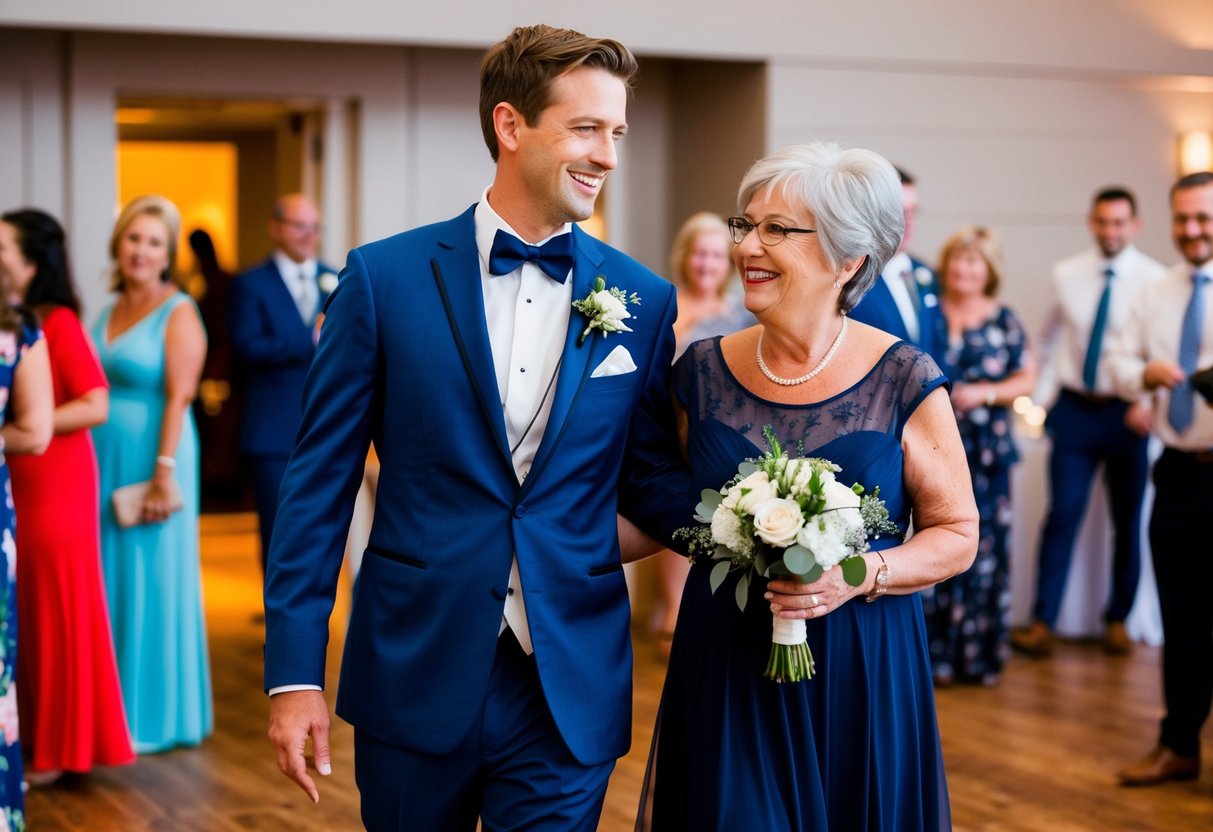
The groom entering with his mother is a common question for couples planning their wedding. Typically, the groom walks down the aisle either alone or with his mother, highlighting the special bond they share. This decision can be meaningful, as it showcases family support during the ceremony.
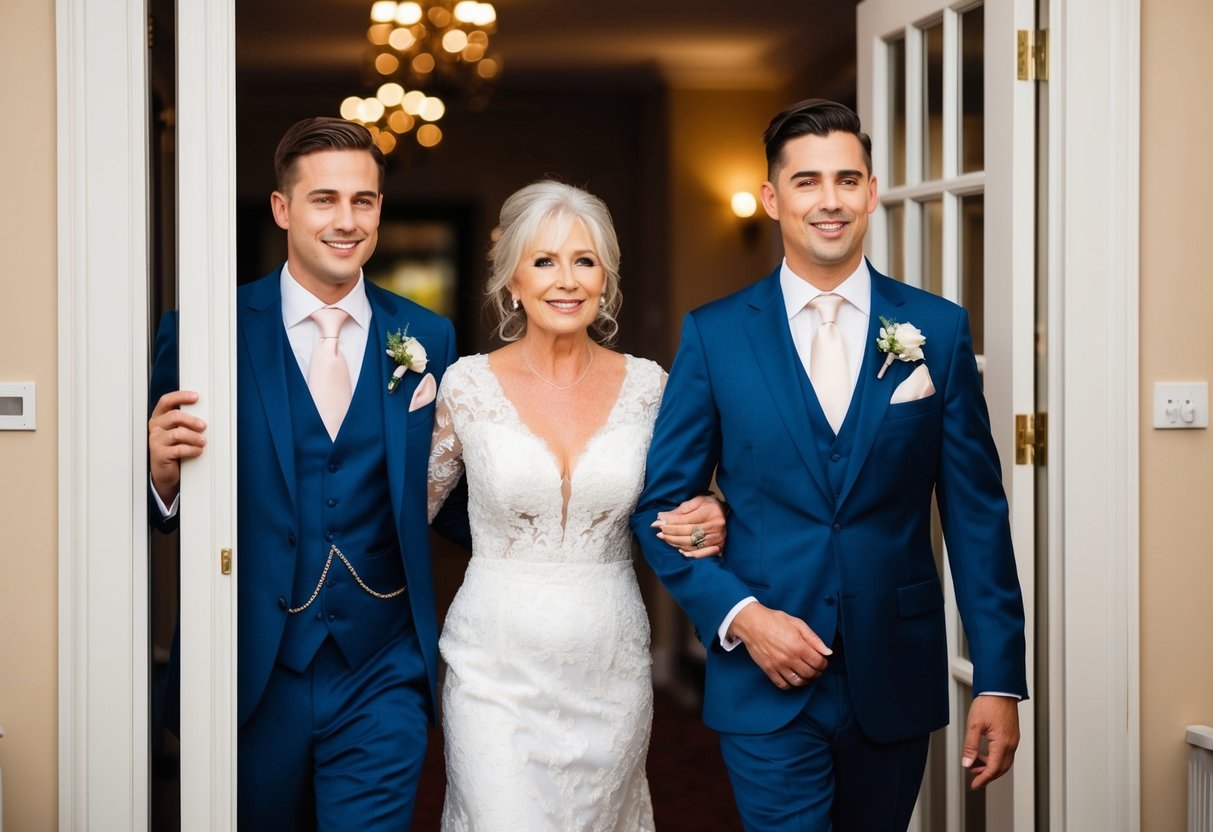
While some grooms choose to walk solo, many opt to include their mother, which can add a heartfelt moment to the wedding. The mother of the groom plays an important role in the ceremony, and this walk can symbolize her support as her son starts a new chapter in life with his bride.
As you plan your wedding, think about what feels right for you and your family. Whether you go traditional or make it your own, this is a moment to cherish as you share it with your loved ones.
Wedding Processional Basics
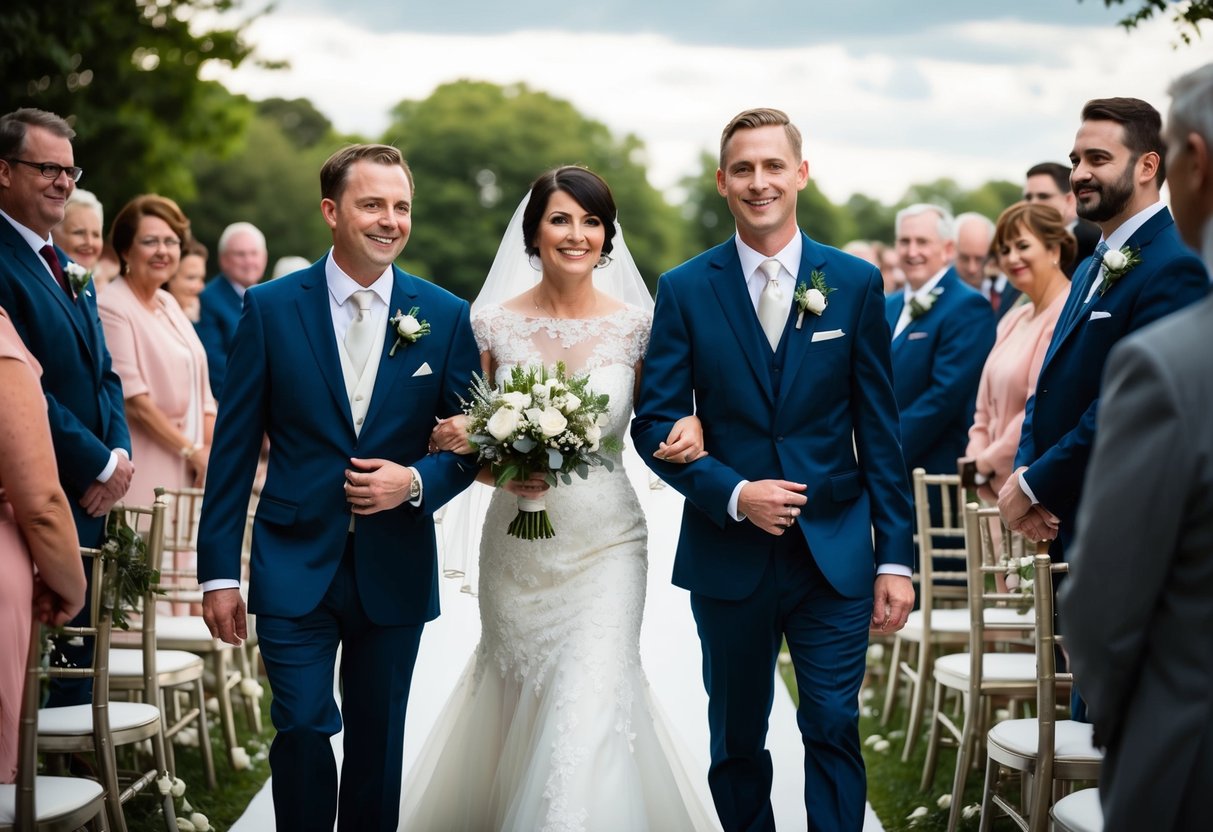
Understanding the wedding processional is key to your ceremony. Knowing the roles involved and the order in which everyone enters can help make the event flow smoothly and feel special.
Roles and Responsibilities
In the wedding processional, several key figures play important roles. The officiant is typically the first to enter, setting the tone for the ceremony.
Next, you may have the wedding party, which often includes bridesmaids and groomsmen.
The groom’s parents follow the wedding party, with the groom often entering with his mother. Depending on tradition and your preference, the groom’s mother may join him as he walks down the aisle or remain seated until later. The bride’s mother is usually the last of the immediate family to enter, just before the bride makes her grand entrance.
Order of Entrance
The order of entrance can vary, especially in different traditions. A traditional processional often starts with the grandparents, followed by the wedding party. The groom, along with his parents, typically comes next.
Once the groom is positioned, the bride’s mother enters. After her, it’s the time for the bride to walk down the aisle, usually accompanied by her father or another significant family member.
Each of these roles and the order help create a memorable moment during the ceremony, making it easier for everyone involved to know when to enter and what to do.
Cultural Variations in Wedding Ceremonies
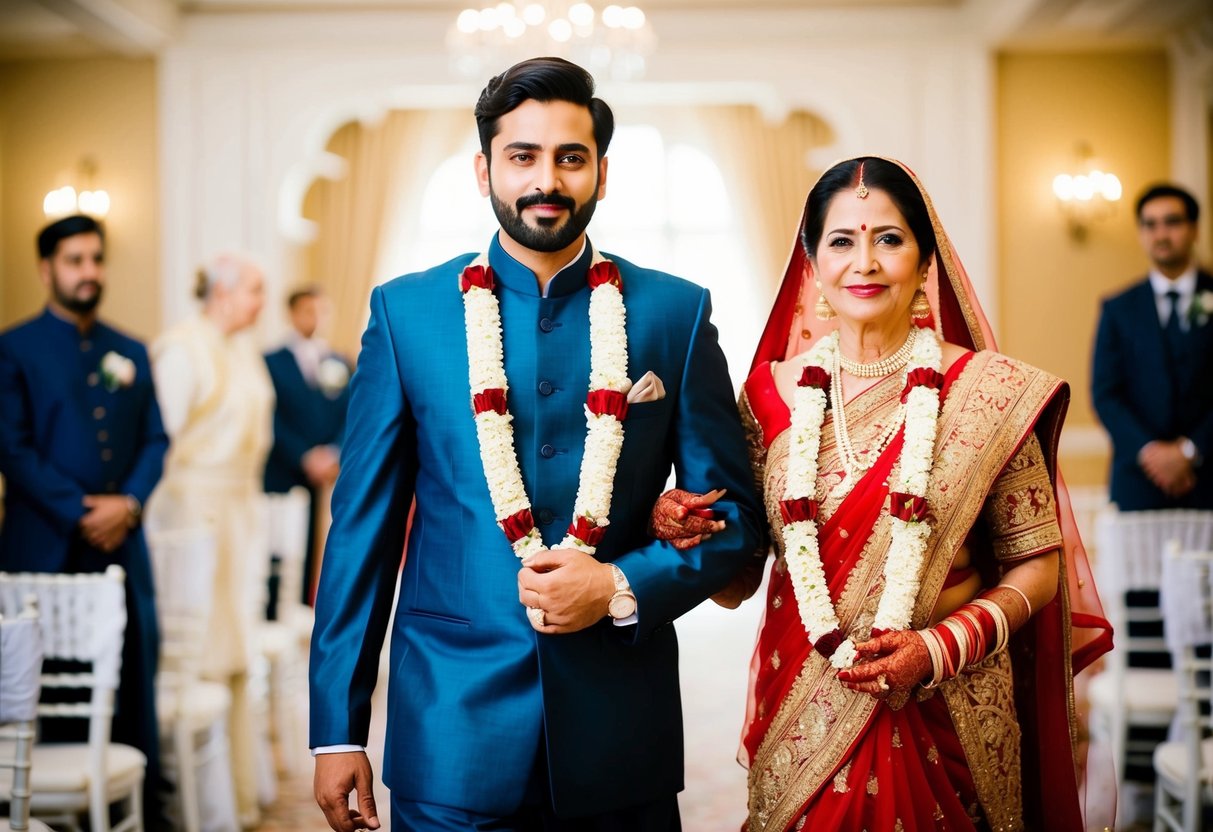
Weddings vary significantly across cultures, reflecting unique traditions and values. These differences influence how the groom enters the ceremony, often accompanied by family members, including his mother.
Christian Wedding Traditions
In many Christian weddings, the processional can look different based on denomination and local customs. Traditionally, the groom may enter with his parents, including his mother, or stand at the altar waiting for the bride.
In a Catholic ceremony, the groom usually stands at the altar with the best man while the bride processes down the aisle, often escorted by her father.
In a nondenominational wedding, you might choose a personalized processional that fits your family’s dynamics. You could decide to have your mother walk with you, which emphasizes the strong bond you share.
Jewish Wedding Customs
The Jewish wedding processional order usually includes both the bride and groom’s parents. During this ceremony, the groom enters with both of his parents under the chuppah, a canopy that symbolizes the couple’s new home.
The focus is on family support, making it meaningful when the groom’s mother walks with him. You may also find that family members are honored with their own processional roles, reinforcing community ties.
Hindu Wedding Rites
In Hindu weddings, the groom’s entrance is celebrated in a vibrant way through a joyful procession known as the baraat. This typically involves music, dancing, and family members accompanying the groom as he arrives at the wedding venue.
When he arrives at the mandap, or sacred wedding altar, the groom may have his parents join him for the ceremony. Incorporating your mother into this important moment can highlight the significance of family in Hindu culture, making the event even more special.
Unique Processional Considerations
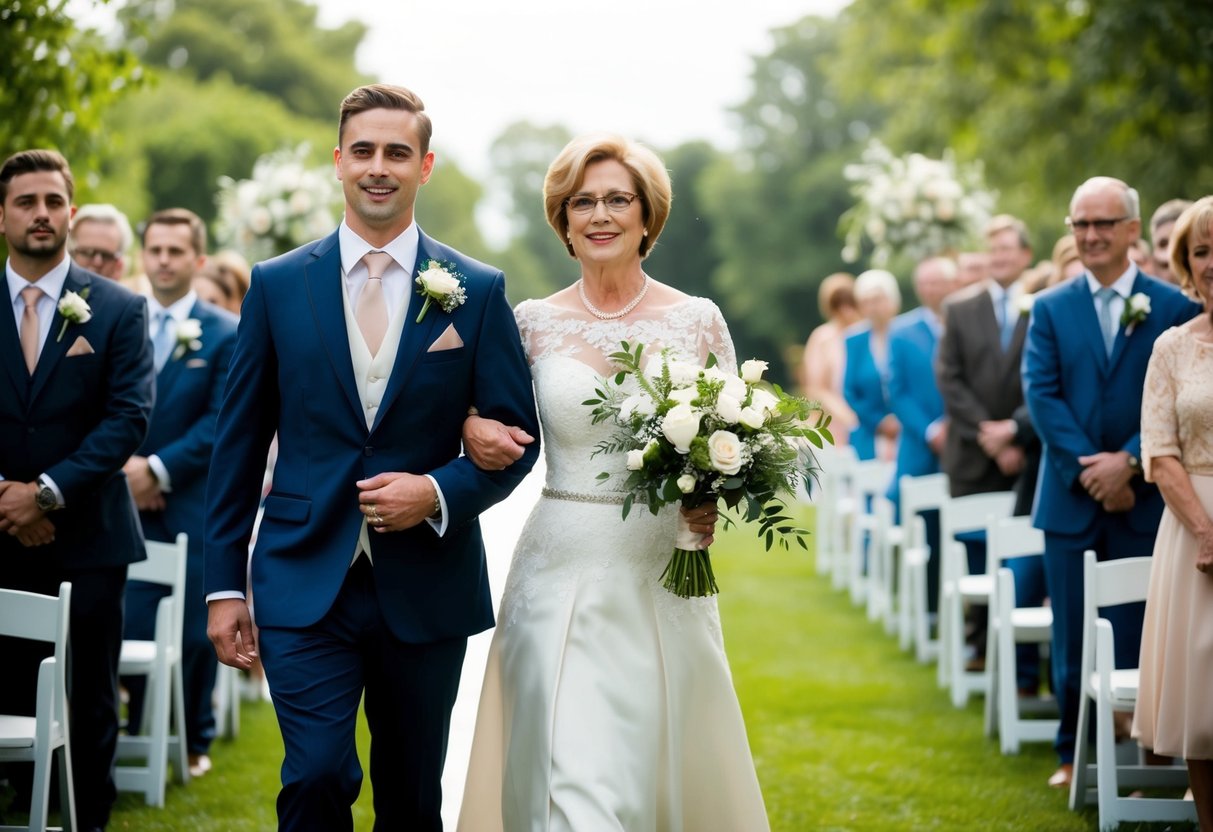
When planning your wedding processional, it’s essential to consider family dynamics and how modern adaptations might fit your ceremony. Specific choices can help create a more meaningful and personal experience.
Divorced Parents and Family Dynamics
Divorced parents can add complexity to the processional. You might choose to have both parents included in different ways. For example, you could have your mother escorted by you while your father follows.
If both parents will be there, planning seating arrangements is crucial. You can also allow parents to light a family candle together as a symbol of unity.
Other options include having your grandparents, maid of honor, or best man play a role in escorting parents to their seats. Balancing everyone’s feelings is important to keep the day joyful.
Modern and Non-Religious Adaptations
Many couples opt for modern or non-religious weddings that reflect their personalities. In this case, you might skip traditional roles altogether.
Consider having your ring bearer or flower girl lead the way. You can also adapt the order of participants. Let bridesmaids and groomsmen walk together or allow ushers to help seat guests.
The processional can be uniquely yours—choose music that resonates with you and your partner. Custom ceremonies often include personal vows or readings, creating a more intimate atmosphere. Embrace creativity to make your day feel special!
Wedding Ceremony Conclusion and Transition to Reception
As the ceremony begins to wrap up, there are several key moments to look forward to. The emotional moments shared during the vows create a lasting memory for you and your guests.
After the ceremony procession, you will feel the excitement building as everyone prepares for the reception. This is when the celebrations really kick off.
Typically, the couple will lead the way out, followed by the wedding party and immediate family. You might notice that the groom’s parents play a special role here, marking their support and care throughout the day.
Arriving at the reception, guests will be seated, often at a family table that honors both sides. This is a great opportunity for everyone to come together and celebrate your union.
During the reception, you can enjoy some classic wedding customs, like the first dance and speeches. These traditions often help create a festive atmosphere filled with joy.
Make sure to take a moment to soak it all in. The reception is not just a party; it’s a beautiful transition celebrating your love surrounded by family and friends. Enjoy every second!