
Does the Groom Pay for the DJ? Understanding Wedding Budget Responsibilities
When planning your wedding, understanding who pays for what can be tricky. Traditionally, the groom’s family often contributes to the DJ or band costs as part of their financial responsibilities. However, many modern couples are finding that sharing expenses leads to less stress and confusion. This shift in wedding etiquette allows both families to be involved in the planning process.
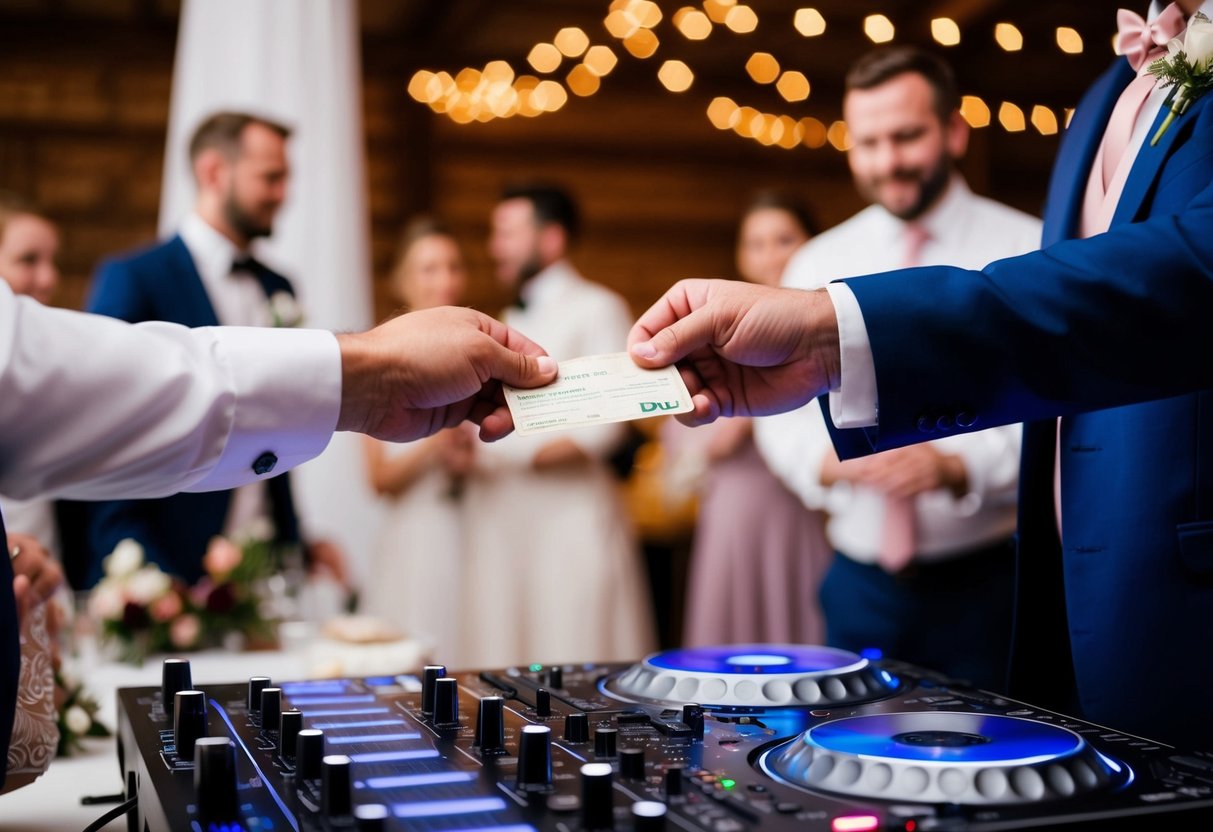
As you dive into wedding planning, you might wonder how these costs break down. The bride’s family usually covers many expenses like the venue and catering, while the groom’s family takes on music and entertainment.
Knowing this can help you navigate discussions with your families about financial responsibilities and ensure everyone is on the same page.
Balancing wedding costs can feel overwhelming, but understanding these traditional roles can make things easier. Exploring options to split expenses will not only align with modern practices but also bring both families together in the celebration.
Understanding Wedding Budget Allocation
When planning a wedding, knowing who pays for what can make the process smoother. You’ll see both traditional roles and modern shifts in financial responsibilities. Understanding these can help you plan better for expenses like the DJ.
The Role of Tradition in Wedding Expenses
Traditionally, the bride’s family covers most wedding costs. This often includes the venue, decorations, and sometimes the DJ. The groom’s parents typically pay for the liquor, and in some cases, the DJ or band. These roles come from long-standing customs that many still follow today.
You should consider these traditions as guidelines rather than strict rules. Each couple can decide what works best for them. Discussing financial contributions openly with your families can make things clearer. This way, everyone knows what is expected and can feel involved in the wedding planning.
Modern Trends in Financial Contributions
As times change, so do wedding expenses and who pays for them. Many couples today share costs more evenly between both families. This approach reflects a more modern view of marriage, where both partners contribute financially.
You might find that the groom’s family and the bride’s family each cover different expenses. For example, while the bride’s family might pay for the venue, the groom’s family may take care of the DJ. This is especially common if both families have the means to contribute. It emphasizes teamwork in planning your special day and can ease financial pressure on any one party.
Details of Groom’s Financial Responsibilities

As the groom, you have specific financial responsibilities for your wedding. These include costs related to your attire, contributions to pre-wedding events, and entertainment during the reception. Knowing what you’re expected to pay for can help make planning smoother.
Groom’s Attire and Accessories
When it comes to your look on the big day, you are responsible for covering your attire. This includes your suit or tuxedo, shirt, shoes, and accessories like a tie or cufflinks.
The average cost for grooming attire can range from $200 to $800, depending on the style and where you shop. Don’t forget to consider alterations, which can add another $50 to $150.
If you’re feeling generous, you might also pay for your groomsmen’s ties or socks as a small gift. Planning ahead helps ensure you stay within budget while looking sharp!
Bridal Shower and Rehearsal Dinner Contributions
You may also be expected to contribute to the costs of events leading up to the wedding. This often includes the rehearsal dinner, which you should plan for.
The venue, food, and beverages can run between $500 and $2,000, depending on the guest list and location. If there’s a bridal shower, it’s common for the groom to contribute a gift or some cash. This shows your support for the bride’s celebration.
Discuss with your fiancée what’s expected so you can budget accordingly without any surprises.
Reception Entertainment and DJ Costs
Entertainment at the reception is a key element to make your celebration memorable. Traditionally, the groom’s family helps cover costs for items like the wedding DJ or band.
The average cost for a wedding DJ can be between $800 to $1,500, depending on their experience and services offered. You might also consider additional entertainment options, such as photo booths or musicians, which can enhance guest experience.
Be sure to discuss your entertainment budget with your partner, so you can agree on a fun yet reasonable plan that fits your vision.
Additional Wedding Costs to Consider
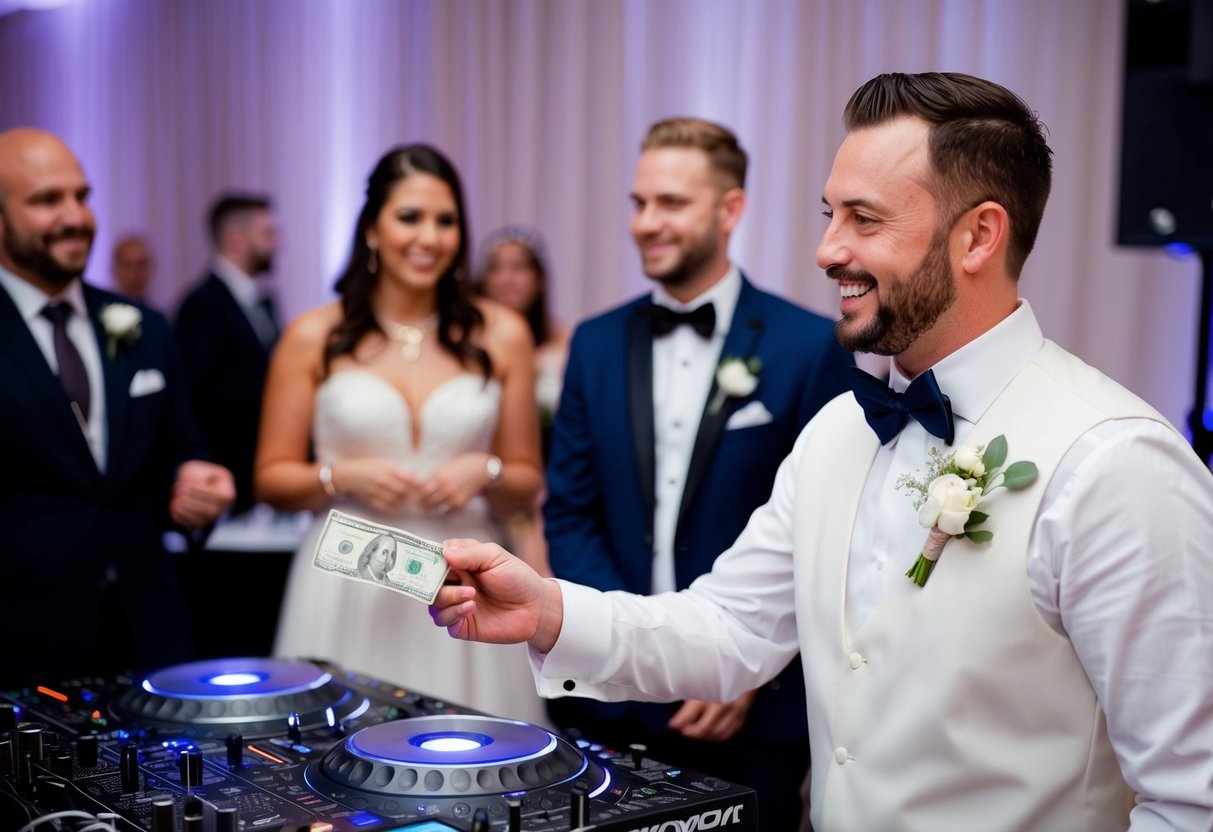
Planning a wedding involves various expenses beyond just the DJ. You might want to keep track of your spending on floral arrangements, photography, and post-wedding costs to avoid surprises later.
Floral Arrangements and Decorations
When it comes to wedding flowers, costs can add up quickly. The price of floral arrangements often depends on the types of flowers you choose and the season.
You’ll need centerpieces for tables, bouquets for the bride and bridesmaids, and flowers for the ceremony backdrop. On average, couples spend anywhere from $1,500 to $5,000 on flowers.
Consider DIY options or buying seasonal flowers to save money. Additionally, think about ways to repurpose flowers from the ceremony to the reception to maximize your budget.
Photography and Videography
Hiring a professional photographer and videographer is crucial for capturing your special day. Expect to spend between $2,000 and $5,000 for both services.
Your photography package often includes the wedding album and a certain number of hours of coverage. Think about what specific moments you want documented so you can communicate these details to your photographer.
Videography can provide a dynamic look back at your wedding, capturing sights and sounds that photos might miss. Research local professionals and read their reviews to find someone who fits your style and budget.
Post-Wedding Expenses
After the wedding, don’t forget about additional costs. You might want to consider honeymoon expenses. These can range significantly based on your destination. Whether you’re planning a nearby getaway or a trip abroad, you can manage these costs better with some planning.
You may also choose to give gifts to your wedding party to thank them for their support. These can include personalized items or experiences. Budget around $50 to $150 per gift.
Finally, think about any remaining payments for services like DJ or venue rentals. Keeping track of all these details ensures a smooth transition to married life without added financial stress.