
Does the Groom Pay for the Rings? Understanding Wedding Ring Responsibilities
When it comes to weddings, many traditions guide the way couples handle expenses, especially regarding rings. Traditionally, the groom pays for the bride’s engagement ring and wedding band. Meanwhile, the bride often pays for the groom’s wedding band. However, during modern weddings, this practice is evolving, and many couples are now choosing to split wedding costs more evenly.

As you plan your wedding, it’s important to consider how these buying decisions fit into your overall wedding budget. Understanding who pays for what can help clear up confusion and make the planning process smoother.
With an open conversation about expenses, you and your partner can create a plan that feels right for both of you.
Whether you stick with traditional roles or decide to take a more modern approach, what’s most important is that your choices reflect your values as a couple. Exploring these options can make your wedding planning experience not only easier but also more enjoyable.
Understanding Wedding Ring Traditions
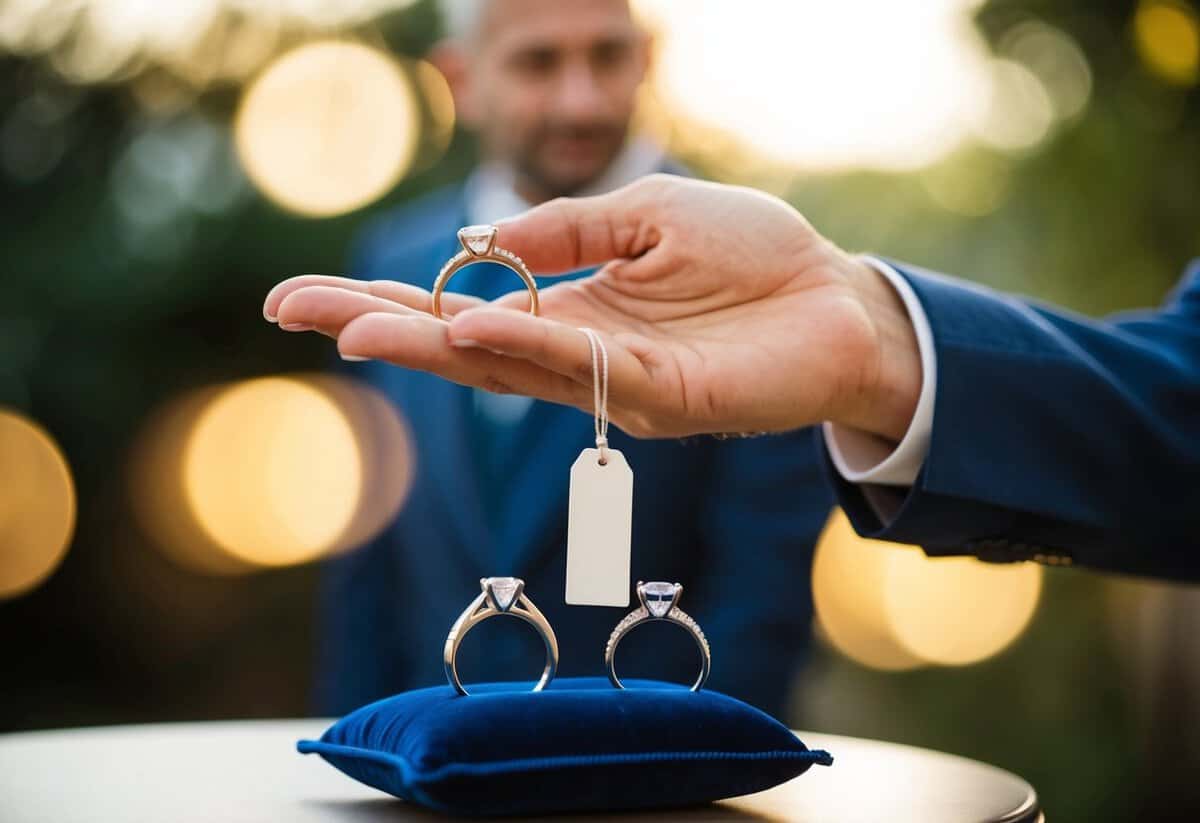
Wedding ring traditions hold deep meaning. They tell stories of love, commitment, and cultural practices. Knowing these traditions helps you navigate the options when planning your wedding.
Symbolism of Wedding Bands
Wedding bands symbolize eternal love and commitment between partners. The circular shape of rings represents infinity, with no beginning or end. When you exchange wedding rings during the ceremony, it signifies your promise to each other.
Traditionally, the bride receives her wedding band from the groom’s family. This practice highlights the belief that the husband should protect and care for his wife. The groom usually wears a simple band as a sign of his commitment.
Many modern couples also choose personalized rings that reflect their individuality. The trend in custom designs allows for unique expressions of love, making each ring special to the couple.
The Evolution of Ring-Buying Responsibilities
In the past, the groom’s family typically paid for the wedding rings. This tradition reflected societal norms where men were seen as providers. Over time, these customs have changed significantly.
Today, costs are often shared between both partners or their families. Millennial couples frequently decide on joint purchases, reflecting modern views on equality.
Some couples choose to discuss finances openly before buying wedding bands. It’s common to explore options based on budget and preferences. No matter how you choose to handle payments, what matters most is that the rings represent your bond.
Financial Planning for the Big Day
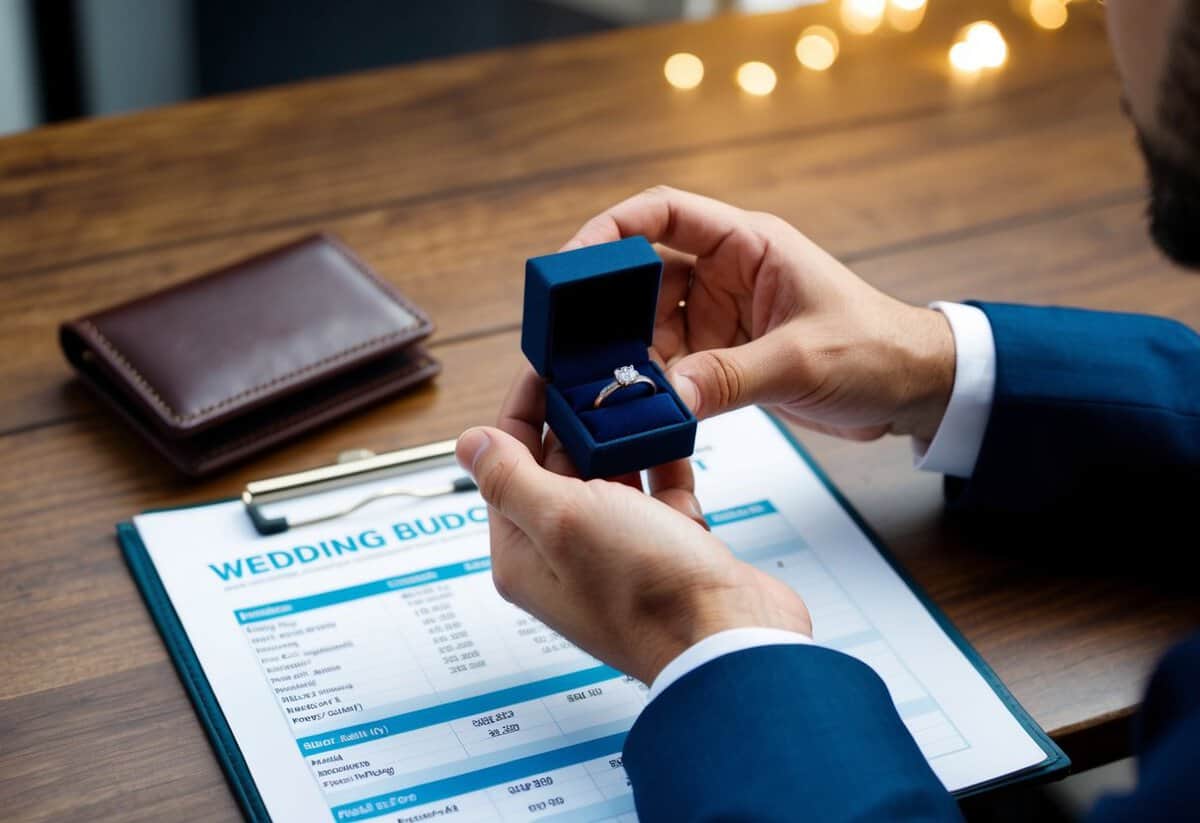
Planning your wedding finances can feel overwhelming, but it’s essential to approach it with clarity. Focus on your wedding ring budget and how to split expenses between families to make the financial aspect smoother for everyone involved.
Setting a Realistic Wedding Ring Budget
Start by determining a budget for the engagement and wedding rings. The cost of an engagement ring can vary significantly, often depending on factors like the stone quality and the setting. You might consider setting a range that feels comfortable for you.
When calculating your wedding ring budget, think about the overall wedding budget too. Consider what you can afford without compromising other wedding expenses, like the venue or honeymoon costs.
You may want to involve your partner in this discussion, as a joint investment can help both of you feel valued in the decision-making process.
Be open to exploring options such as alternative stones or simpler designs, which can help reduce the overall costs. Don’t forget to shop around and compare prices among different jewelers to ensure you’re getting a fair deal on your budget.
Allocating Expenses Between Families
Traditionally, the financial responsibilities can fall on the groom’s family for certain aspects, such as the engagement ring and sometimes the wedding bands. To make things fair, both families should discuss who covers which costs early on.
You can create a clear list of wedding expenses to help with this process. Include items like the reception, flowers, and even honeymoon costs. Open communication will help to avoid any misunderstanding or last-minute surprises.
Consider splitting wedding costs based on each family’s ability to contribute. Using a table can help clarify roles, ensuring each family knows their responsibilities. This approach allows both families to feel invested in your special day while keeping everything organized and manageable.
Personalizing Your Wedding Bands
Personalizing your wedding bands is all about reflecting your unique style and love story. By choosing the right materials and ensuring a perfect fit, you can create meaningful symbols of your commitment.
Choosing the Right Material and Design
When selecting materials for your wedding bands, consider options like white gold, platinum, or even gemstones for added flair. Each material has its own characteristics.
For example, platinum is durable and hypoallergenic, making it a great choice for everyday wear.
Think about the design, too. Whether you prefer a classic look or something more modern, the style should resonate with your lifestyle.
You might opt for a simple band or one decorated with diamonds or other gemstones. Personalizing your bands can also include engraving meaningful messages inside. This small touch can create lasting sentiment.
Ensuring the Perfect Fit
Getting the right size for your wedding band is essential. A well-fitting ring is comfortable and represents your commitment better.
To find your ring size, consider having a jeweler measure it. Keep in mind that your fingers can change slightly with the seasons. A band that feels comfortable in summer might feel tight in winter.
Be sure to try on different styles. The width of the band can affect how it feels, too. Wider bands may require a slightly larger size. Ensuring you get this right is an essential step in making your wedding jewelry truly personal.