
Does the Groom Walk Out First? Understanding Wedding Traditions
Planning a wedding involves many traditions and decisions, including the order in which the wedding party walks down the aisle. When it comes to the groom’s entrance, the groom can walk down the aisle either first or after the wedding party. This depends on personal preference and the style of the ceremony. Understanding this can help you shape your special day to reflect your unique style.

Many couples choose to personalize their wedding processional. Some grooms prefer to walk down with parents, while others may opt to enter solo. This element of the ceremony allows you to set the tone for the rest of the event, whether it’s formal, casual, or somewhere in between.
If you’re curious about what might work best for you, consider exploring various traditions and ideas. There are diverse options available, and each choice can enhance your wedding experience.
Understanding Wedding Processionals
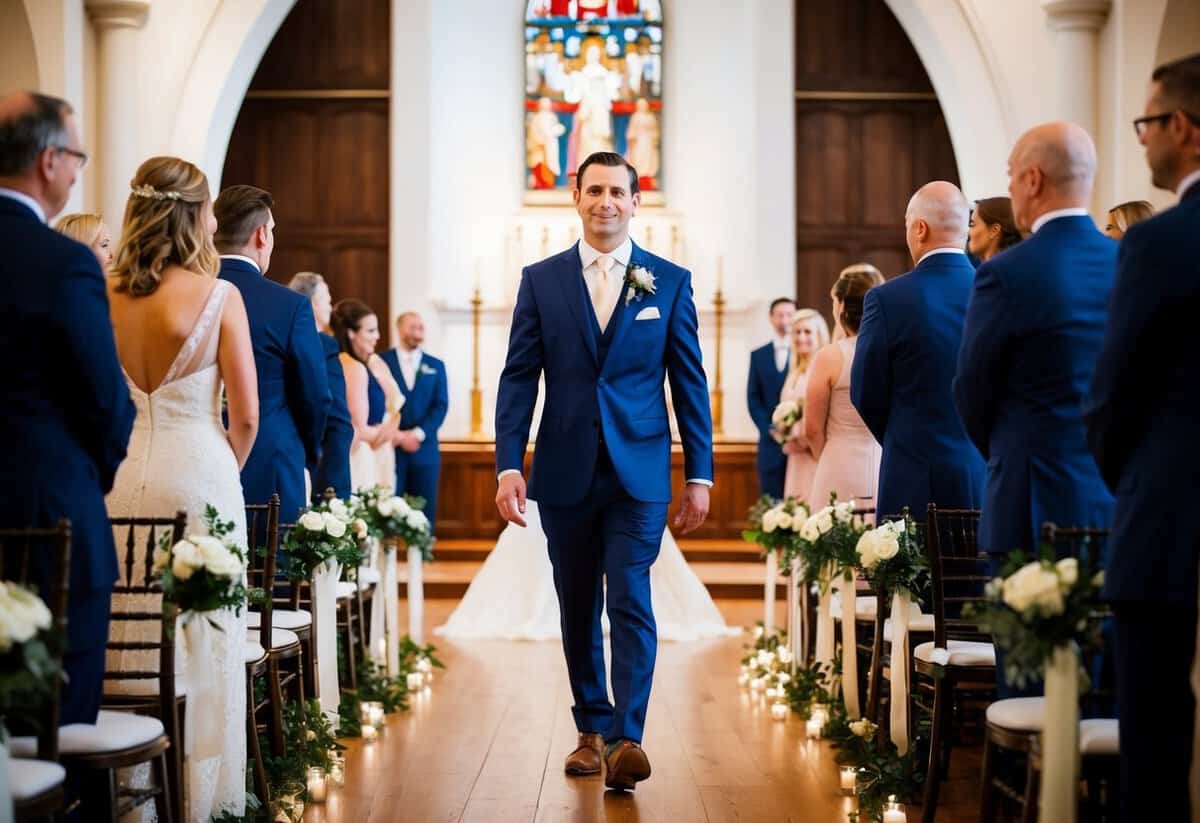
Wedding processionals are key moments that set the tone for your ceremony. They include everyone walking down the aisle in a specific order. There are traditions and variations based on culture, religion, and personal preference that shape how your processional will look. Each participant plays an important role in this special event.
Defining the Wedding Processional
A wedding processional is the organized entry of the wedding party before the ceremony starts. It usually begins with the officiant and includes the groom, bridesmaids, flower girls, and ring bearers.
This formal march occurs when guests are seated, signaling the start of the ceremony. The processional order can follow traditional lines or can be customized according to your style and preferences.
For example, in a traditional wedding, the groom often enters first or alongside the officiant. In modern ceremonies, couples sometimes choose to enter together or have other unique arrangements, reflecting their personalities.
Cultural Variations
Different cultures celebrate weddings with unique processional customs. In a Jewish wedding, the processional includes the groom and the kallah (bride) walking down the aisle separately. Often, they may be preceded by their parents and family members, showcasing their connection to their heritage.
In a Hindu wedding, the groom typically arrives in a lively procession called the baraat, accompanied by music and dancing. This contrasts with the quieter, more formal styles of Christian wedding ceremonies, where the bride usually makes a grand entrance last.
Nondenominational ceremonies are flexible, letting couples choose their own processional order, combining elements from various traditions to create a unique celebration.
Roles within the Processional
Each person in the wedding processional has a specific role. The officiant typically leads the way to the altar, followed by the groom, who may enter from the side or walk down the aisle.
Bridesmaids and groomsmen often enter in pairs, while the maid or matron of honor usually walks alone. The flower girl and ring bearer are often youthful participants who add sweetness to the event.
It’s essential to coordinate these roles ahead of time, so everyone knows what to do. This clarity ensures smooth transitions during your wedding ceremony, allowing guests to enjoy the moment without confusion.
The Groom’s Entrance
When it comes to a wedding ceremony, the groom’s entrance sets the stage for a significant moment. Understanding the traditional customs and the various options available will help you choose what fits best for your special day.
Traditions and Order
In many weddings, the groom walks down the aisle first. This is often done with his parents or alone, depending on your preference. The traditional order typically includes the groom arriving before the bride. This symbolizes his readiness to welcome her into their new life together.
After the groom, other significant people like the best man and groomsmen usually follow. In some cultures, the groom may also wait at the altar for the bride’s grand entrance. This is symbolic of his loyalty and excitement as he prepares to say “I do.”
Variations in Entrance Order
While the groom’s entrance usually follows the same pattern, there are variations. Some couples choose to have the groom enter together with the best man. This can create a sense of camaraderie right from the start.
In modern ceremonies, couples might even walk down the aisle together. This signifies equality and mutual support. No matter the style, remember to communicate your preferences clearly with everyone involved for a smooth ceremony.
Your entrance sets a tone for the day, so feel free to choose what feels right for both you and your bride.
Key Ceremony Participants
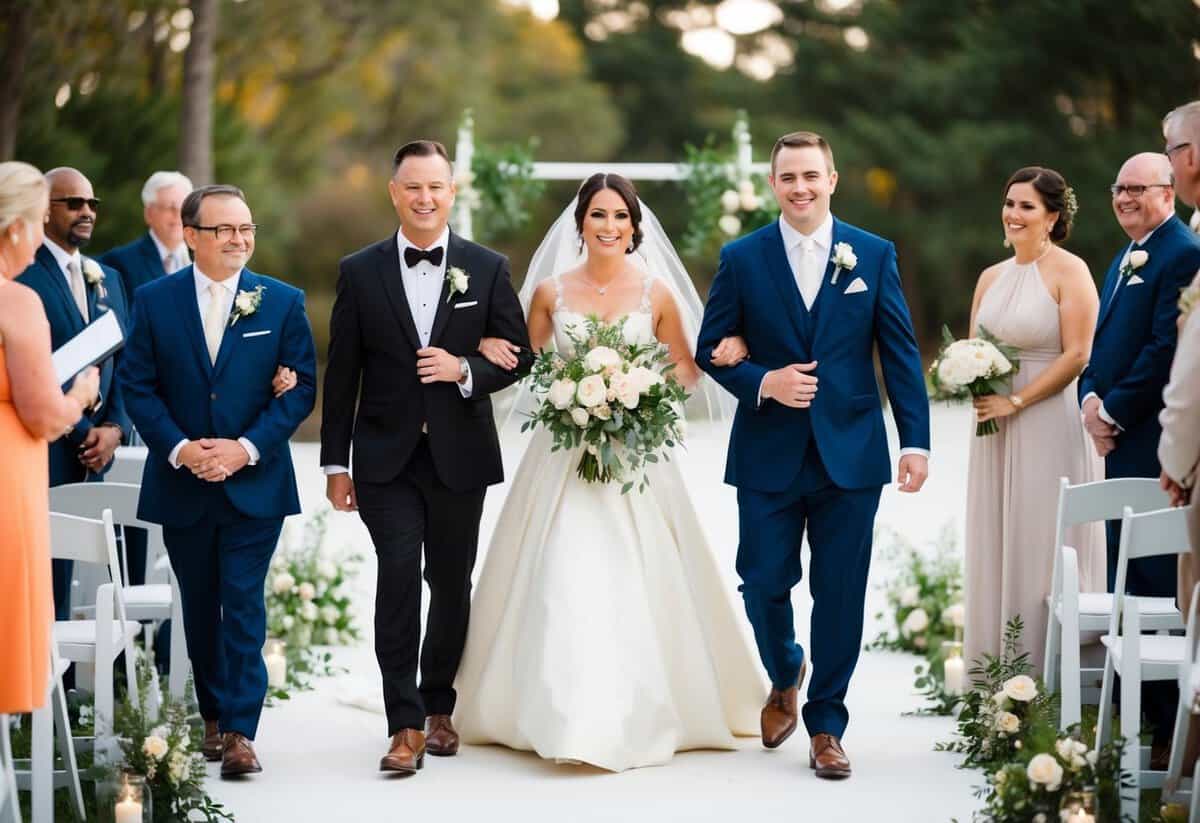
In a wedding ceremony, various key participants play important roles. Understanding who walks in first and their relationships can help you plan the event better.
Immediate Family Members
The immediate family members are crucial to the wedding. Usually, the groom’s parents walk in first, setting the tone for the ceremony. Next, you will often see the bride’s parents, with the father of the bride escorting her down the aisle.
Grandparents may also participate, often seated early and honored for their support. It’s traditional for the mother of the bride to be the last to be seated before the ceremony begins. This order highlights family importance, creating emotional moments for everyone involved.
Wedding Party Dynamics
The wedding party includes your closest friends and family who support your big day. Typically, the groomsmen follow the groom as he walks in, either individually or paired with bridesmaids.
The best man stands beside the groom, ready to assist throughout the ceremony. The maid or matron of honor walks alongside the bride, offering support and holding her bouquet.
Additionally, flower girls and ring bearers often charm guests with their adorable entrance. Ushers help guide guests to their seats, ensuring everything runs smoothly. Each role is significant, making the ceremony a shared experience among your loved ones.
The Ceremony’s Grand Finale
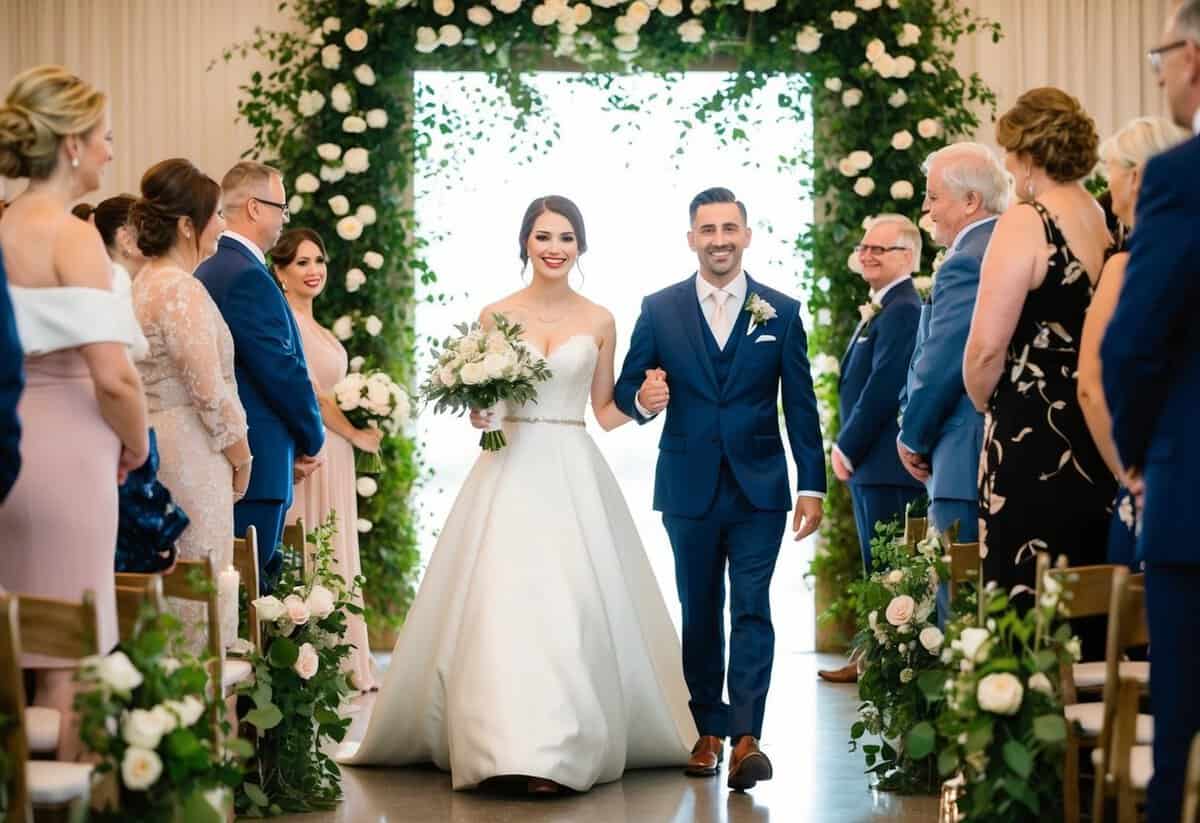
As the wedding ceremony comes to a close, the recessional plays a key role in wrapping up the event. This upbeat moment signals joy and new beginnings. It is often filled with emotional moments and sets the tone for the celebration to follow.
Navigating the Recessional
During the recessional, the order is generally the opposite of the processional. The officiant leads, followed by the newly married couple. This is a moment of celebration, so feel free to choose a lively song that resonates with you.
Following the couple, the wedding party exits in pairs. The recessional order can vary based on traditions, such as a modern or a Catholic wedding processional order.
Make sure to enjoy this time as your guests cheer and congratulate you. It’s a fantastic opportunity to capture some joyful photos right after the ceremony!
Celebratory Traditions Post-Ceremony
After the recessional, many couples opt for a receiving line. You and your partner greet each guest personally. This helps create emotional moments and allows everyone to share their best wishes.
Additionally, consider incorporating traditions like throwing rice, confetti, or petal tosses as you exit. These little touches add fun and warmth to your day. A wedding recessional filled with personal touches helps make your ceremony memorable for both you and your guests.
Make sure to plan these details in advance. These moments are about celebrating love and creating lasting memories.