
Does the Groom’s Family Pay for Anything? Understanding Their Role in Wedding Costs
Weddings can come with many expectations, especially when it comes to who pays for what. You may wonder if the groom’s family is responsible for any expenses. In traditional settings, the groom’s family typically covers about 13% of the overall wedding costs, but this can vary widely based on family circumstances and agreements between both families.

Understanding these financial responsibilities can help ease some stress during wedding planning. It’s important to communicate openly with family members to clarify any contributions. This way, everyone knows what to expect, and you can focus more on the exciting parts of your big day.
If you’re curious about what specific costs the groom’s family might contribute to or if these traditions are changing, keep reading for a deeper look into this topic. Knowing what to anticipate can make your planning smoother and your wedding more enjoyable.
Understanding Wedding Expenses

When planning a wedding, it’s important to know how expenses are divided. You need to understand the role of the groom’s family, the average costs involved, and how to manage your wedding budget effectively.
The Role of the Groom’s Family
The groom’s family traditionally takes on specific financial responsibilities during the wedding. They typically cover expenses like the rehearsal dinner, the officiant’s fee, and help with gifts for the groomsmen.
Additionally, they may be involved in purchasing floral items for the wedding party. Understanding these roles can help you clarify expectations and prevent confusion about who pays for what.
Wedding Cost Distribution
Wedding costs are often shared among both families and the couple. On average, a wedding can cost around $30,000, with costs skyrocketing in some areas.
Studies show that the groom’s family may contribute roughly 13% of the total expenses. Knowing this can help you plan how to distribute costs fairly and communicate effectively with both families about financial contributions.
Importance of Wedding Budget
Creating a wedding budget is essential. It helps you manage your wedding expenses and avoid overspending. Start by listing all potential costs, including venues, catering, and attire.
You should also think about unexpected expenses that can arise. Having a clear budget can help you stay on track and ensure everyone’s financial responsibility is understood. By prioritizing your needs and wants, you can make informed decisions that align with your goals for the big day.
Traditional Responsibilities
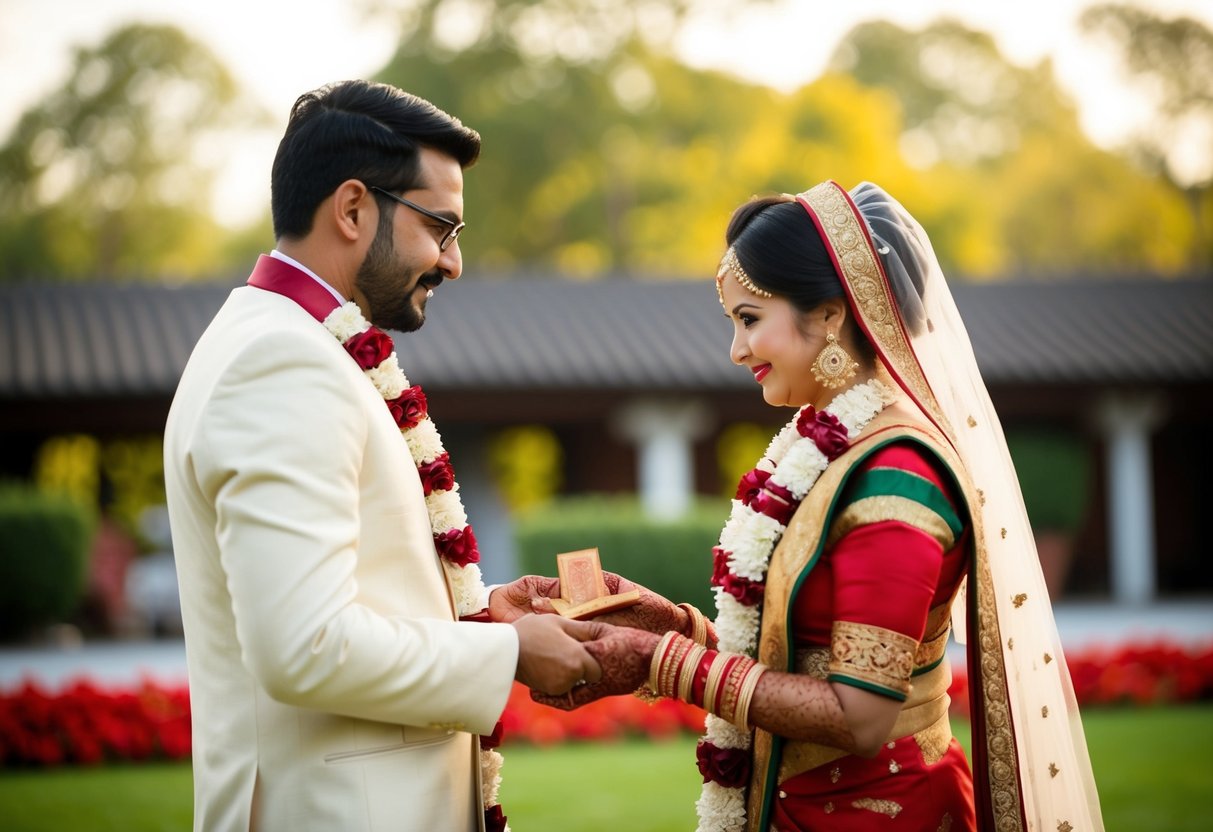
When it comes to wedding planning, the groom’s family typically has specific responsibilities. Understanding these traditional roles can help you navigate the process smoothly.
Rehearsal Dinner Obligations
The groom’s family usually takes the lead in hosting the rehearsal dinner. This is a special event held before the wedding, providing a chance for family and friends to mingle.
During this dinner, the groom’s parents may cover the costs of the venue, food, and drinks. They can also personalize the event by choosing a theme or location that reflects their family’s traditions.
It’s a nice gesture to include meaningful toasts or speeches, allowing everyone to express their excitement for the upcoming wedding. Being thoughtful during the planning can make this evening memorable for everyone involved.
Groom’s Attire and Accessories
Another important area of responsibility is the groom’s attire. The groom’s family often pays for the groom’s wedding suit or tuxedo.
This includes the cost of tailoring, shoes, and accessories, such as a tie or cufflinks. Depending on family traditions, they may also purchase boutonnieres for the groom and groomsmen.
Choosing the attire should involve input from the groom to ensure he feels comfortable and confident on his big day. Selecting colors and styles that complement the wedding theme can create a cohesive look.
Groom’s Family’s Financial Duties
The groom’s family has several financial responsibilities that vary by tradition. Typically, they pay for the wedding rings, including the groom’s wedding band and sometimes the bride’s ring.
In addition to rings, they might also cover costs associated with personal flowers like corsages, which are worn by mothers and grandmothers.
Other expenses could include transportation for the groom and best man, and even some wedding-day rentals. Being clear about financial duties with the couple can help avoid confusion as planning progresses.
Specific Costs Handled by the Groom’s Family

The groom’s family typically takes on several important expenses for the wedding. These can include costs for floral arrangements, transportation for the wedding day, and gifts for groomsmen. Understanding these responsibilities can help you plan better.
Wedding Flowers and Decor
Traditionally, the groom’s family may help cover the costs of wedding flowers and decor. This includes arrangements for the ceremony and reception. You might consider factors like bouquets for the bridal party and floral centerpieces for tables.
It’s essential to communicate with the bride’s family to ensure that there are no overlaps in expenses. This can help in deciding who will handle specific floral choices and design elements. If your family is contributing, coordinate with florists to choose beautiful designs that fit the wedding’s theme.
Wedding Day Transportation
On the wedding day, transportation is another cost the groom’s family often manages. This can include renting vehicles for the groom, groomsmen, and other key family members. Options might include classic cars, limousines, or even shuttles for guests.
It’s important to make arrangements in advance to ensure everyone arrives on time. Confirm the routes and times with the transportation provider. By handling this aspect, you help keep the day organized and stress-free.
Gifts and Tokens of Appreciation
Gifts for the groomsmen are also a common expense that falls to the groom’s family. This can be a way to thank the groomsmen for their support. Popular choices include personalized items like engraved flasks, watches, or custom cufflinks.
You might want to consider the tastes and styles of each groomsman when picking out these gifts. A thoughtful presentation adds a special touch, so think about wrapping and cards as well. This gesture emphasizes appreciation and creates lasting memories for your wedding party.
Additional Celebrations and Costs

When planning a wedding, there are several additional celebrations and costs to consider. These can include parties leading up to the wedding and contributions to the honeymoon. Understanding these elements can help you manage expenses more effectively.
Engagement and Pre-Wedding Parties
Your family may take on some expenses related to pre-wedding celebrations. This often includes the engagement party or welcome party. Traditionally, the groom’s family covers these costs, which can include the venue, food, and drinks.
Another common pre-wedding event is the bridal shower. While the bride’s family usually organizes it, the groom’s family can also contribute. This might include offering to pay for the wedding planner or decorations. For all these events, it’s important to communicate clearly with your future spouse’s family to decide who will handle which costs.
Honeymoon Contributions
The groom’s family might also help with the honeymoon. Some families choose to contribute to the costs of the trip. This can cover everything from airfare to accommodations and activities. Discussing potential contributions early on will allow you to create a realistic budget.
If you’re planning on inviting family to join part of the honeymoon, consider discussing how costs will be shared. Some couples also opt for cash gifts specifically for honeymoon expenses, which can ease the financial burden. Remember to have clear conversations about expectations to avoid any confusion later.