
Does the Guy or Girl Say Vows First? Understanding Wedding Traditions
When it comes to wedding ceremonies, the question often arises: who says their vows first, the groom or the bride? Traditionally, the groom says his vows first, but there is flexibility in this practice. Many couples now choose to personalize their ceremonies, and saying vows together has become popular.
Understanding this tradition can help you decide what feels best for your special day. Whether you lean towards tradition or prefer a modern twist, knowing the options allows you to make your ceremony uniquely yours.
As you prepare for this significant moment, consider what will feel most meaningful for you and your partner. This thoughtful approach can make your vows even more special and memorable.
Tradition vs Personal Preference
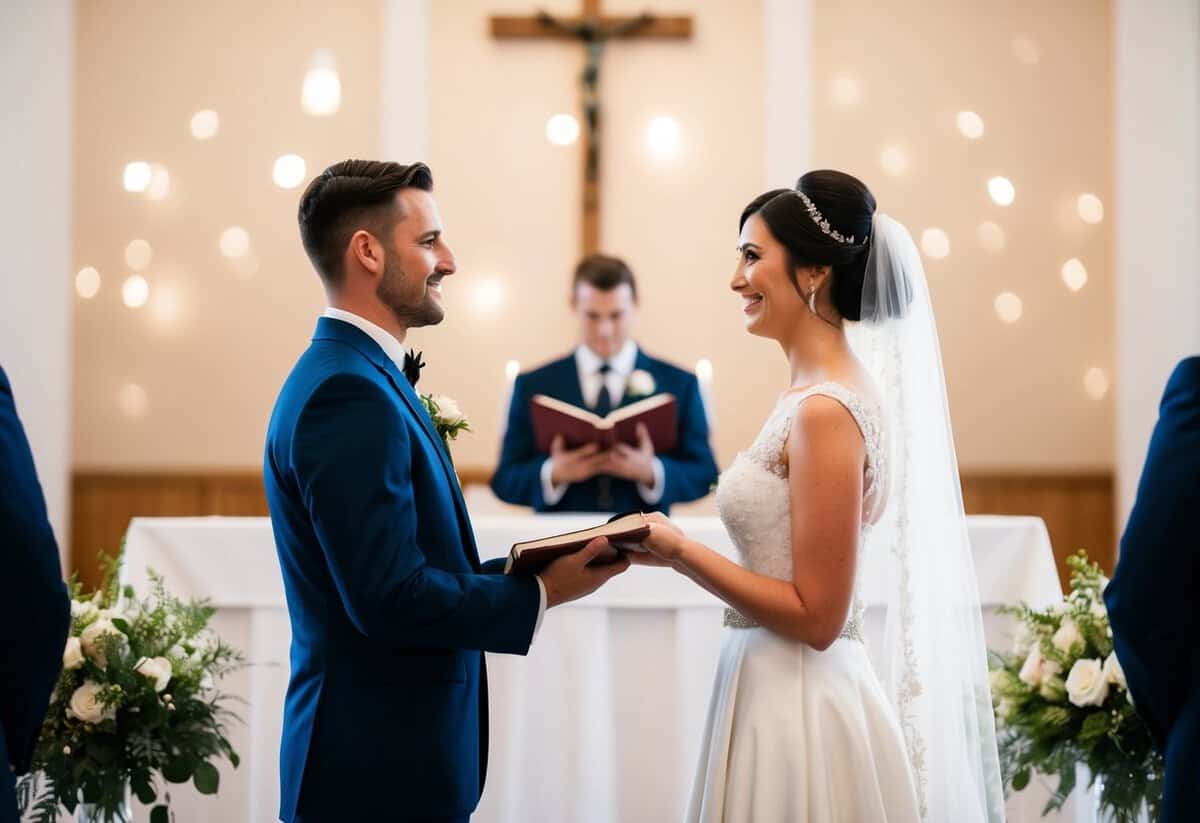
When planning your wedding, the decision about who says their vows first often comes down to tradition or personal choice. There are important aspects of both traditional order and modern approaches to consider, especially regarding gender roles and equality.
Understanding Traditional Order
Traditionally, the groom is expected to say his vows first. This custom has roots in historical gender roles, where men were often seen as the leaders in a marriage. Many couples still follow this order, as it can feel familiar and meaningful.
However, some couples may choose to switch it up. Brides can also say their vows first, allowing for a more personal touch. This approach respects tradition while accommodating the desires of the couple. In more traditional wedding ceremonies, the order of vows can reflect the couple’s values and cultural background, offering a chance to honor family customs.
Shift to Modern Approaches
In modern weddings, many couples prioritize personal preference over tradition. The rise of same-sex couples has further pushed the boundaries of who speaks first. Many couples now opt for personalized ceremonies that reflect their unique bond.
Today, some choose to say their vows simultaneously or alternate lines. This shift emphasizes equality and the partnership aspect of marriage. You can express your love in the way that feels right for you, regardless of societal norms. Adopting a modern approach allows you to celebrate your relationship in a more meaningful and personal way.
Ceremonial Procedure and Roles
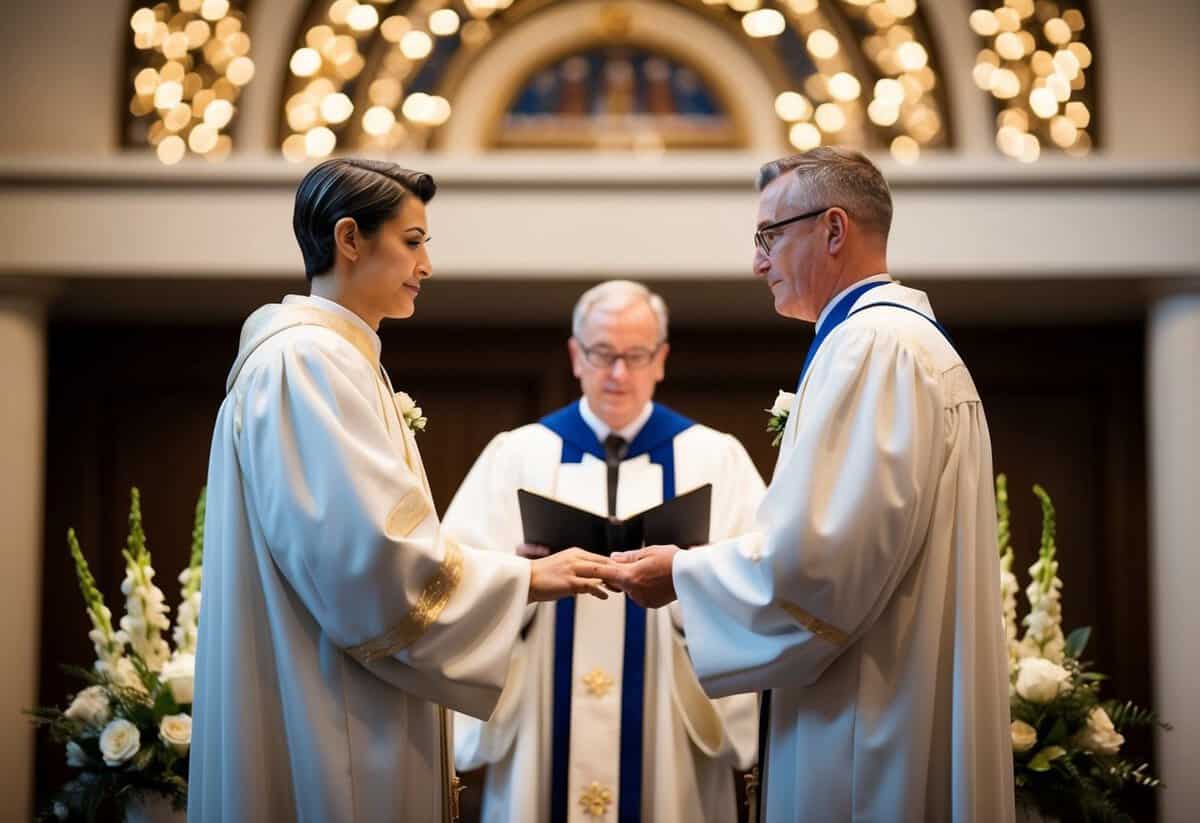
In a wedding ceremony, the roles and procedures play a big part in how the event unfolds. Understanding these elements can help you feel more prepared and relaxed on your special day.
The Processional Layout
The processional is the grand entrance to your wedding ceremony. It sets the tone for what’s to come. Traditionally, it starts with the officiant, followed by the groom and groomsmen. Then, you’ll see the wedding party, usually featuring bridesmaids and flower girls.
The bride typically enters last, often accompanied by her father or another significant figure. This moment is symbolic and emotional for both you and your guests. Your seating arrangement impacts the view and energy of the space, so consider how you want your loved ones positioned to witness this significant moment.
Officiant’s Role in Vow Exchange
The officiant is crucial in guiding the ceremony smoothly. They not only lead the vows but also set the mood and tone. Their job includes welcoming the guests, sharing thoughts, and understanding your wishes.
When it’s time for the vow exchange, the officiant will clarify the order. They may ask if either partner has a preference. The officiant ensures that both of you feel comfortable, reminding you that there’s no strict rule on who says vows first. Their support can help ease any nerves.
Roles of the Bride and Groom
Each of you has a special role in the ceremony. The groom often stands at the front, ready to hear your vows and witness this commitment. You, as the bride, may choose to walk in last, embracing the moment when everyone turns to admire you.
During the vow exchange, both of you express your promises and feelings. This is a time to share personal words that resonate with your journey together. It’s important to communicate what you value most in your relationship. This exchange is not just about the words but also about the emotions and bonds that tie you together.
Cultural and Religious Influences
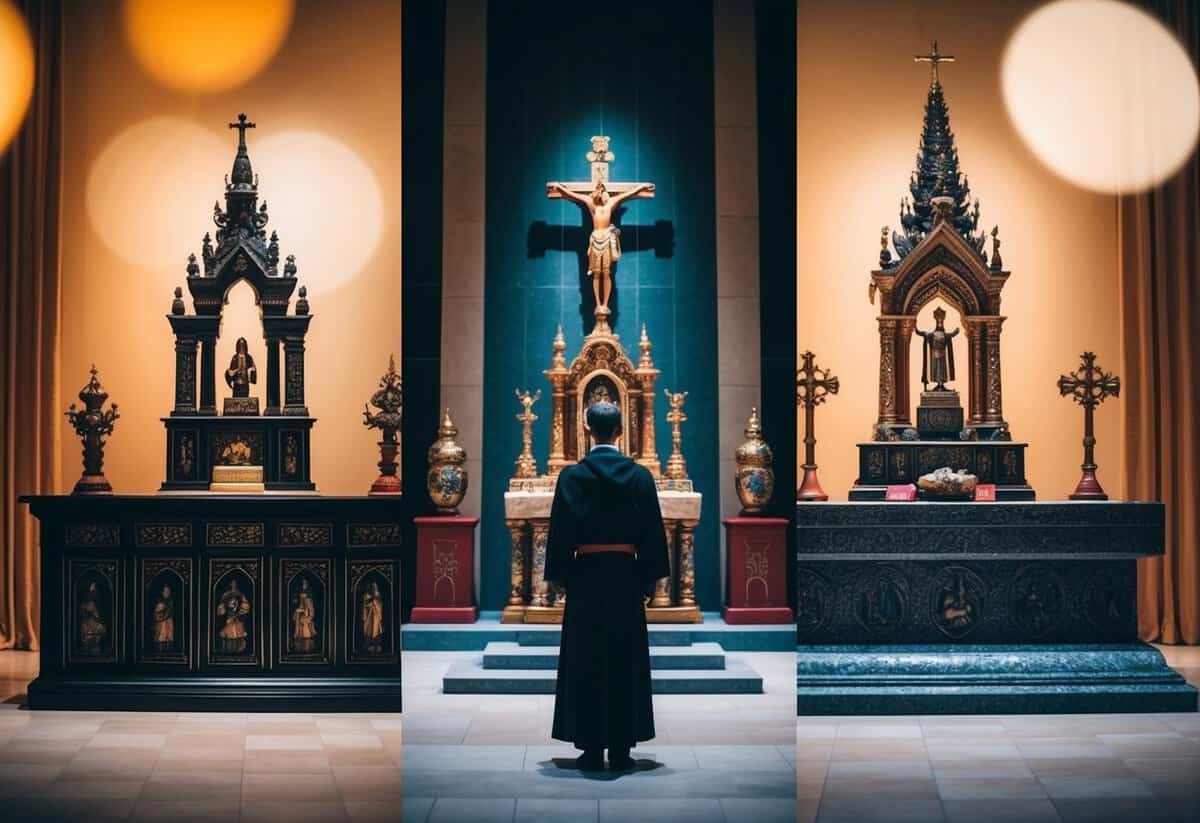
Your wedding vows can be influenced by your cultural and religious background. Many traditions shape the order of who speaks their vows first. Understanding these influences can help you honor your heritage and make your ceremony meaningful.
Religious Customs and Wedding Vows
Different religions have unique customs regarding wedding vows. In Christian weddings, there are often specific traditional wedding ceremonies with the groom saying his vows first. This symbolizes his commitment to his partner.
In Hindu weddings, the order is guided by religious texts and rituals. The couple may exchange vows throughout the ceremony, emphasizing their seven promises of marriage. These vows reflect faith and commitment.
Many other religions also have their own practices. These customs can affect the flow of your ceremony and the meanings behind the vows.
Cultural Practices and Their Impact
Cultural backgrounds also play a crucial role in deciding who says vows first. For some cultures, the couple may choose to recite vows together. This gesture indicates unity and partnership.
In some traditional cultures, patriarchy influences the vow order, often having the groom go first. Such practices show how heritage shapes wedding ceremonies.
You might discuss preferences with your partner and families to create a blend of your backgrounds. This way, your vows reflect both your beliefs and cultural influences, making your ceremony unique and special.
Vows and Symbolism
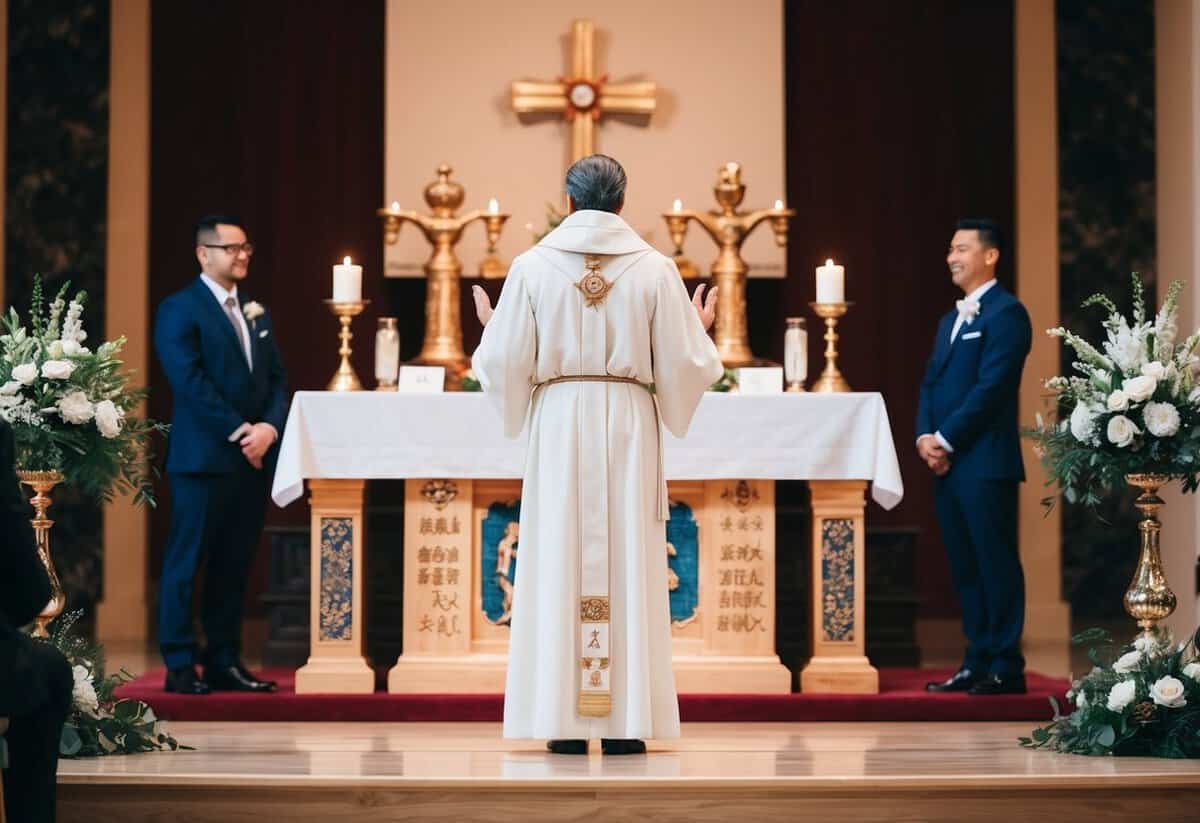
Wedding vows are much more than just words. They represent deep promises of love and commitment between partners. The following sections explore personal vows and their meaningful role in a wedding, as well as the importance of the ring exchange during the ceremony.
Personal Vows and Commitment
When you write your own personal vows, it’s an opportunity to express your unique feelings. Your vows can include your hopes for the future together, cherished memories, and authentic promises of love. This personalized touch makes your ceremony special.
Consider incorporating elements that reflect your relationship. You might talk about support, friendship, or shared dreams. Simple phrases can carry great weight. Personal vows can also showcase inclusivity, allowing both partners to emphasize their commitment in their own words.
Many couples opt for a simultaneous exchange of vows. This approach highlights equality and unity in marriage, allowing you both to openly share your promises at the same time.
Significance of the Ring Exchange
The exchange of wedding rings is a key moment in the ceremony. Rings represent endless love and commitment. As you place the ring on each other’s finger, you symbolize a bond that lasts forever. The circle of the ring serves as a reminder of your promises.
This tradition often occurs after the vow exchange, reinforcing the commitment made through your words. Some may wonder who says vows first, but the ring exchange is typically a joint effort.
Choosing wedding rings is also a personal experience. They can reflect your style and connection, enhancing the significance of the vow exchange.