
Does the Maid of Honor Walk First? Understanding Wedding Ceremony Traditions
When planning a wedding, you may have questions about the processional order. The maid of honor typically walks after the bridesmaids, not first. This tradition allows her to stand alongside the bride at the altar, creating a special moment during the ceremony.
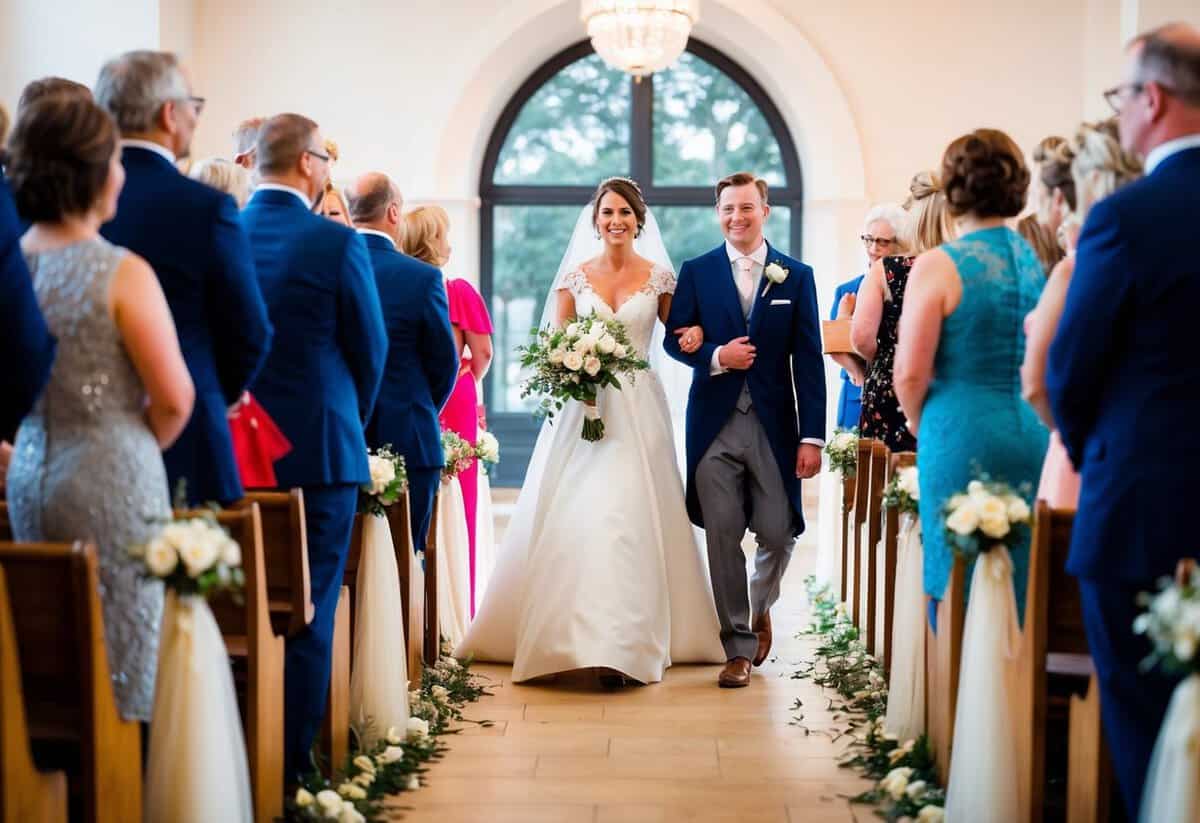
Understanding the roles in the wedding party can help you organize the procession smoothly. You might wonder how the order works, especially if you’re customizing your wedding to fit your style or honoring cultural traditions. Knowing the right order can make your big day feel more polished and joyful.
This article will explore the traditional and modern processional orders, helping you decide what works best for your wedding. You’ll gain insights into the positions of key members of the wedding party, ensuring you feel confident about the procession.
Understanding the Wedding Processional Order
The wedding processional order is a key part of your ceremony. It sets the tone and highlights important roles, like that of the maid of honor. Here, you will find details about traditional versus modern perspectives and the specific role of the maid of honor.
Traditional vs. Modern Perspectives
In a traditional wedding processional, specific people walk in a set order. Groomsmen usually enter first, followed by bridesmaids. The maid of honor usually walks right before the bride. This order adds to the emotional buildup before the couple exchanges vows.
In contrast, modern weddings often mix things up. Some couples choose to include both parents walking in together or have close friends on the wedding party. Depending on your style, you might want to consider a nondenominational wedding processional order that reflects your personality.
The Role of the Maid of Honor
The maid of honor plays a significant part in the wedding processional. Traditionally, she is the bride’s closest friend or sister and stands right by her side. This role includes carrying the bride’s bouquet or train and assisting with any last-minute adjustments.
During the processional, the maid of honor walks ahead of the bride, often accompanied by other bridesmaids. This position shows her support and importance in the ceremony. It’s common for the maid of honor to assist the bride throughout the day, making sure everything runs smoothly. You can even choose special processional music that highlights her important role in your special event.
Key Participants in the Ceremony
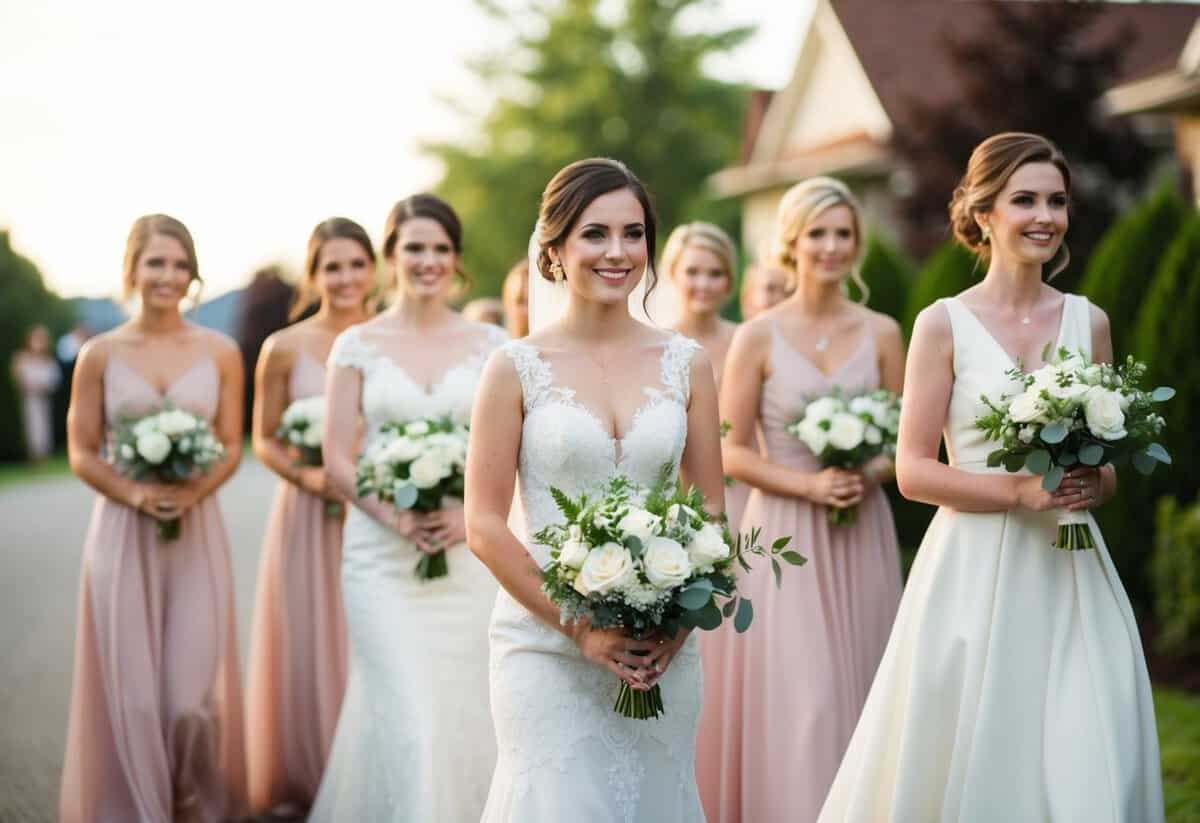
In any wedding ceremony, several key participants play vital roles. Each person, from family members to the bridal party, contributes to the event’s flow and emotional impact. Here’s a closer look at their responsibilities.
Roles of Family Members
Family members hold significant positions during the ceremony. The parents of the bride are often seen walking their daughter down the aisle. The father of the bride typically gives her away, a symbolic gesture of support.
The mother of the bride may also play a central role, helping with planning and sometimes participating in special readings.
Grandparents are often honored guests, and their presence adds to the ceremony’s warmth. Their seating can be an emotional highlight for many families, reminding everyone of their shared history.
Bridal Party Members and Their Responsibilities
Your bridal party is there to support you throughout the day. The maid of honor stands by your side, assisting with planning and offering emotional support. She may hold your bouquet during the ceremony.
The bridesmaids walk down the aisle before you, often in pairs or single file. They wear matching dresses and help create a lovely visual for the ceremony.
On the groom’s side, the best man supports him, holding the rings and giving a speech at the reception. The groomsmen walk in alongside the bridesmaids, assisting with ushering guests and sharing in the fun.
Lastly, the flower girl and ring bearer often bring a sense of innocence and joy, capturing everyone’s hearts as they walk down the aisle.
Cultural and Religious Ceremony Considerations
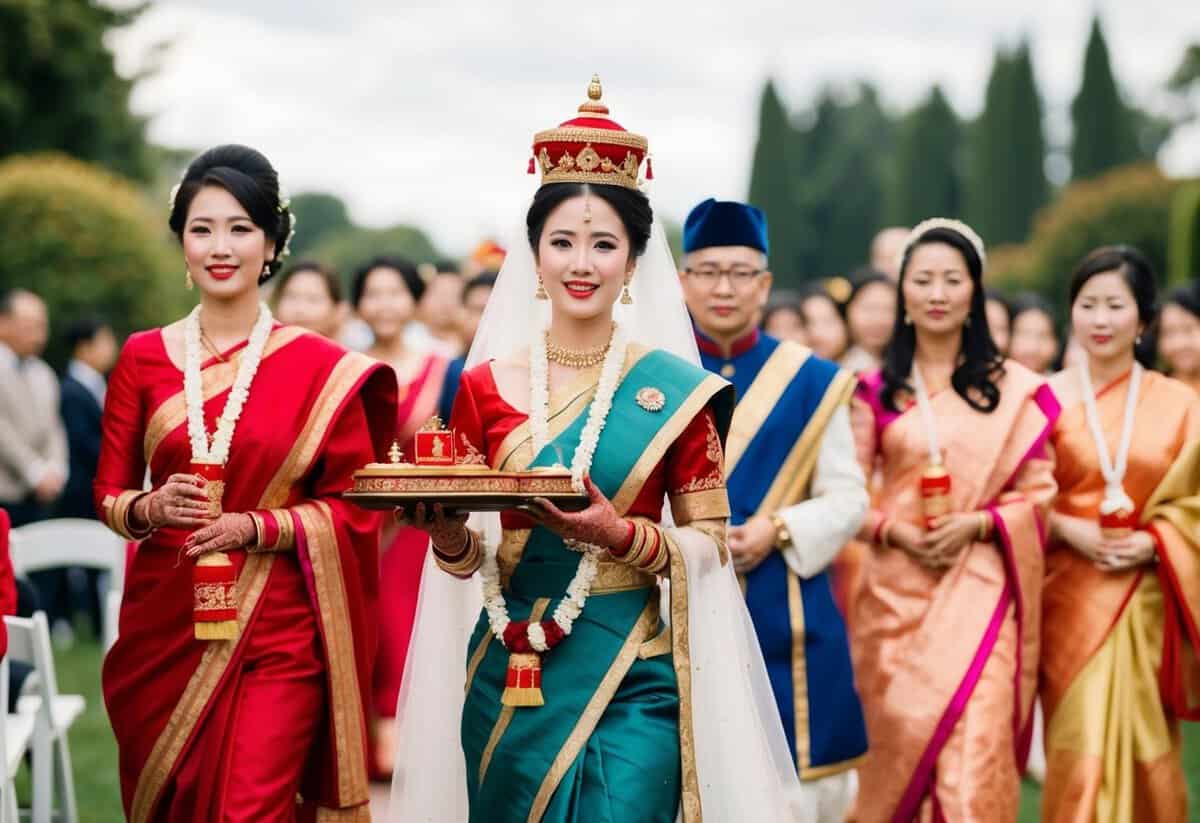
When planning your wedding, it’s important to consider how cultural and religious traditions impact the ceremony. The processional, particularly who walks first, can vary greatly depending on these traditions. Understanding these differences will help make your ceremony meaningful.
Distinct Wedding Traditions
In a Christian wedding, the maid of honor often follows the bridesmaids and walks just before the bride. In contrast, a Jewish wedding ceremony usually includes a chuppah, and the maid of honor may walk before the bride too, but often after the parents of the bride.
In Hindu weddings, you might see the processional led by a baraat, where the groom arrives with a joyful parade. Here, the maid of honor’s role may differ, as cultural expectations shape her position. Similarly, in Chinese weddings, traditions around the processional can vary, with unique rituals guiding who walks first.
Processional Variations Across Cultures
Different cultures have unique ways to celebrate weddings, and the order of the processional reflects those differences. For instance, in a Catholic wedding, the maid of honor typically walks after the flower girl, symbolizing her support for the bride.
In a Hindu wedding, the mandap is central, and the processional might be led by musicians and family, with the bride entering last for dramatic effect. In nondenominational ceremonies, the couple often chooses their own order, making it even more personal and flexible.
Each of these traditions can shape who walks down the aisle, bringing your personal style and cultural background into the ceremony.
Capturing the Moment
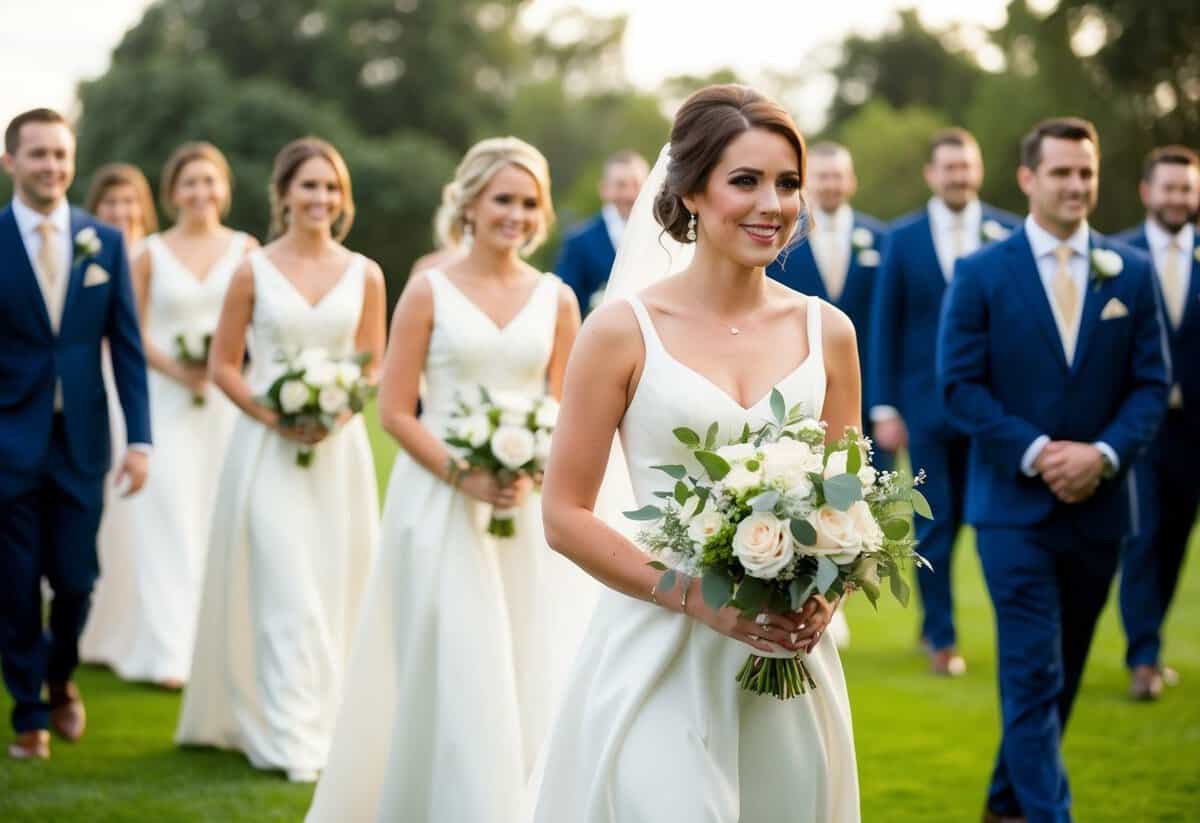
Getting the right photos and videos during the wedding is crucial. You want to make sure you capture all those emotional and memorable moments, especially when the maid of honor walks down the aisle. Consider the following tips to enhance your photography and videography approach.
Photography and Videography Tips
When capturing special moments, choose angles that highlight emotions. Focus on the bride’s expressions, especially when she walks with her father. This tender moment is filled with joy and sentiment.
For shots with the ring bearer and flower girl, position your photographer to catch their playful interactions. These children often bring joy and lightness to the ceremony.
During the grand entrance, make sure the camera is steady. This moment sets the tone for the entire event. Capture candid shots of guests reacting, as these images often reflect the excitement and warmth surrounding the bride and groom.