
Does the Man or the Woman Say “I Do” First? Exploring Wedding Traditions
Couples often wonder about the order of saying “I do” when it comes to the wedding ceremony. Traditionally, the groom says “I do” first before reciting his vows to the bride. This custom has deep roots in history, reflecting a time when wedding ceremonies focused more on the groom’s role.
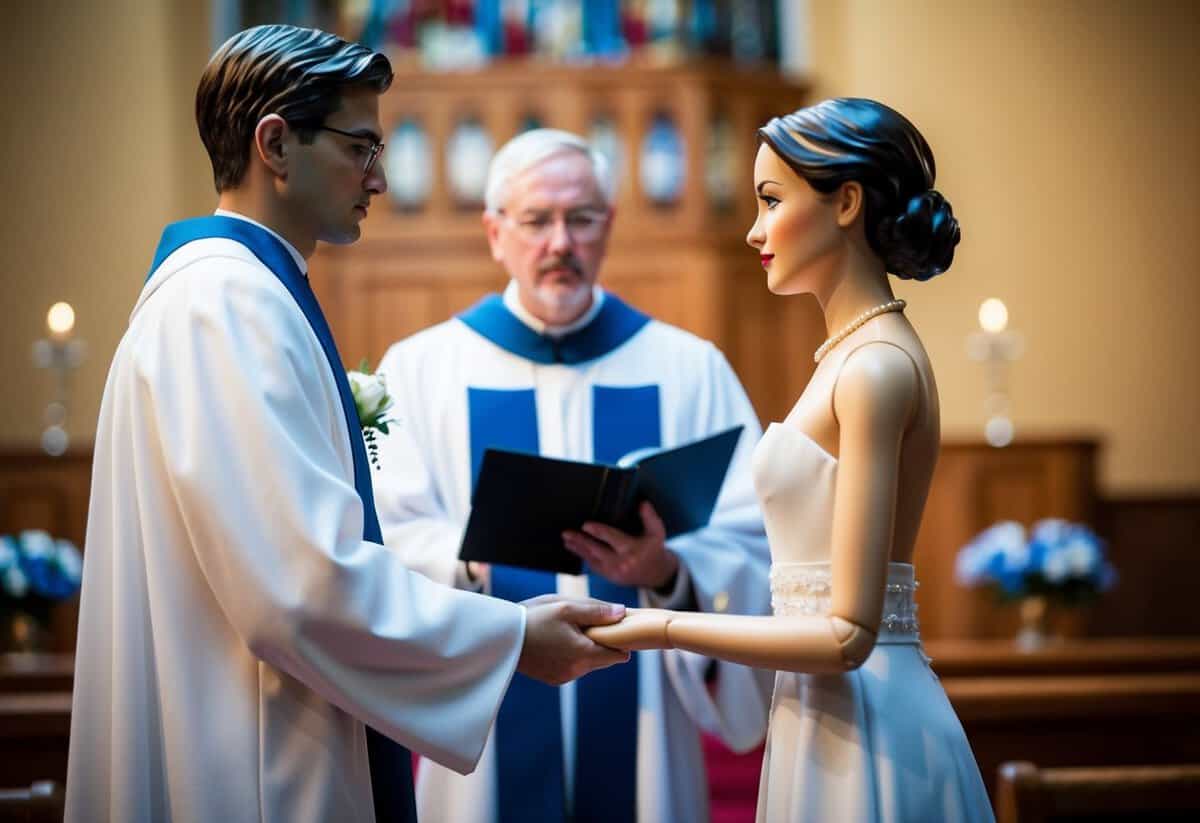
Today, many couples are embracing the chance to make their ceremony unique. You can choose to personalize your vows and the order in which you say them. If both partners feel that it’s important for the bride to say “I do” first, then you absolutely can make that choice.
Your wedding day is about the commitment you are making to each other. Whether you follow tradition or create your own path, what matters most is that the moment feels right for you both.
Traditions in Wedding Ceremonies
Wedding ceremonies are filled with meaningful traditions that connect couples to their past and guide them into their future together. These customs can vary greatly, but key elements often include the order in which vows are exchanged, the significance of the ring exchange, and the role played by the officiant.
Order of Vows
In many traditional weddings, the groom is expected to say his vows first. This practice often reflects historical gender roles within religious traditions. Saying “I do” first symbolizes a commitment to protect and love his partner.
Some couples choose to break from tradition and have the bride speak her vows first. This can be a personal decision that reflects their unique relationship. It’s important for you and your partner to discuss and decide what feels right for both of you.
Exchanging Rings
The exchange of rings is a significant part of the ceremony. This act symbolizes love and commitment and marks a turning point in your relationship. Traditionally, the groom places the ring on the bride’s finger first, following the order of vows.
This order can vary, too. Some couples prefer to switch things up and exchange rings simultaneously. The key is to make this moment memorable and meaningful for you both.
Role of the Officiant
The officiant plays a crucial role in your wedding ceremony. They guide you through the process, making sure all traditions and rituals are followed. This person might be a religious figure, like a priest or minister, or someone ordained legally to perform weddings.
Your officiant will also facilitate the exchange of vows and rings. They help create a comfortable atmosphere that allows you to focus on each other. The right officiant can make your ceremony feel special and tailored just for you.
Variances in Modern Ceremonies
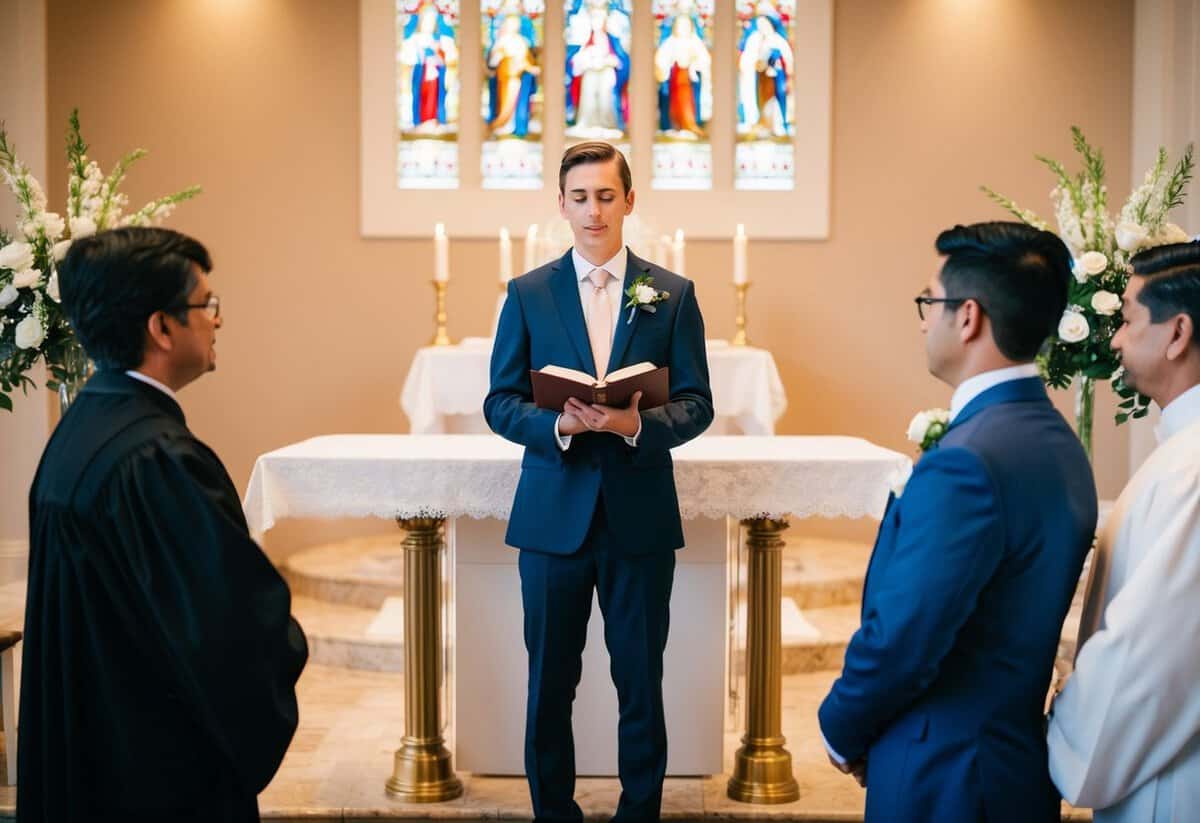
You might notice that the way couples express their commitments during marriage ceremonies varies a lot today. Many factors influence whether the man or woman says “I do” first. It often reflects personal beliefs, culture, or even the mood of the couple.
Variations in Commitment Phrases
In modern weddings, couples often choose different ways to express their love. Instead of the traditional “I do,” some couples opt for unique phrases that hold special meanings.
For example, a couple might say, “I promise to love you today and always.” Others may choose thematic vows that reflect their journey together.
These personalized vows can create a memorable moment. This approach allows for deeper expression of feelings and strengthens the bond shared in front of family and friends.
Contemporary Takes on Tradition
Many couples today are rethinking traditional roles in marriage ceremonies. In some cases, the couple decides together who will say “I do” first.
This move can symbolize equality and shared commitment in the relationship.
For instance, in a same-sex wedding or even in heterosexual partnerships, couples may prioritize equal footing in their vows.
This contemporary perspective emphasizes mutual love and respect, making the ceremony feel more personal and meaningful.
By changing these elements, you create an experience that resonates with your unique relationship.
Cultural and Personal Preferences
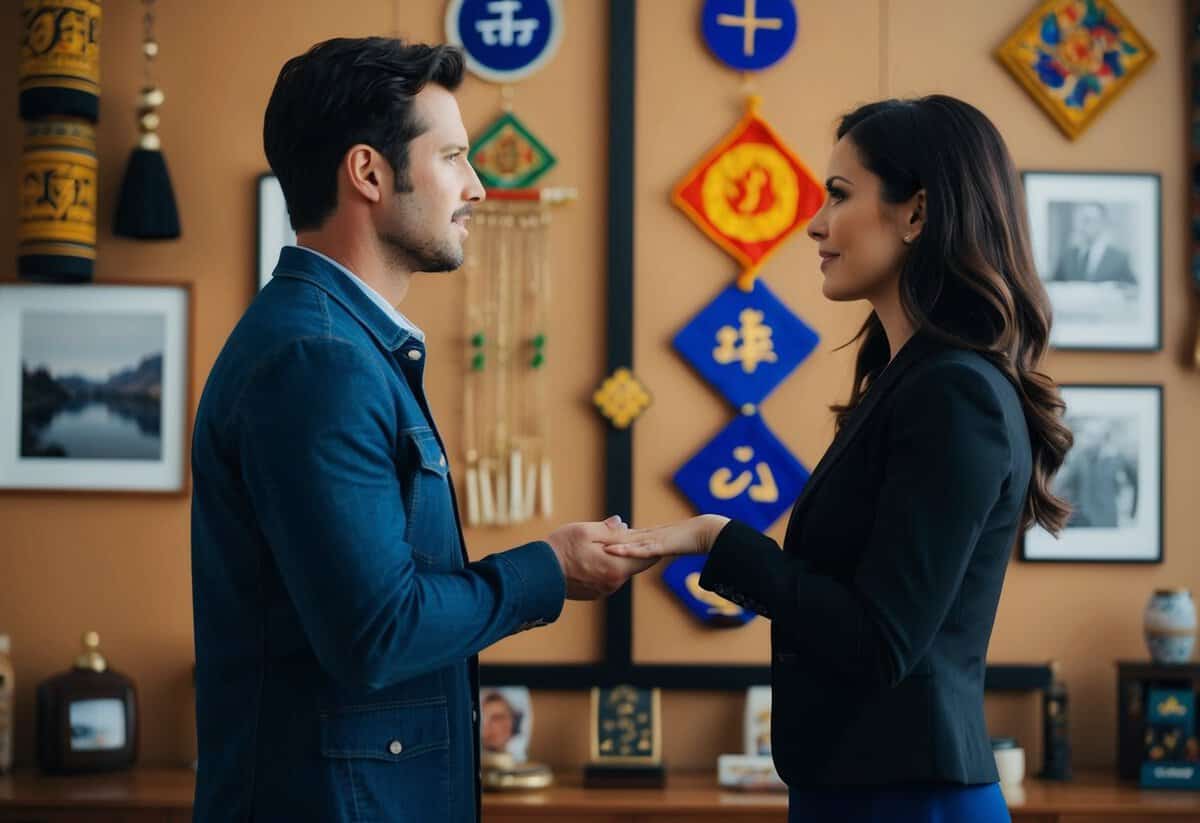
Weddings can reflect your unique heritage and personal choices. The order of saying “I do” can be influenced by cultural traditions and how you want to customize your ceremony.
Incorporating Heritage
Many couples want their weddings to honor their cultural backgrounds. In some cultures, the groom traditionally says “I do” first. For example, in many Western ceremonies, this order is common.
If you and your partner come from different backgrounds, you can blend traditions. This way, both of your heritages shine through. Discuss with your partner how to best honor your families. Customizing this part of the ceremony can create a special connection to your roots.
Customizing the Ceremony
Wedding ceremonies are heavily influenced by personal preferences. You get to decide what feels right for you and your partner. Some couples choose to write their own vows, shifting the focus from tradition.
You could also decide together who says “I do” first, based on your comfort level. Remember, it’s about what makes you both feel good. Make your ceremony reflect your relationship, so it feels personal and meaningful. This is your big day, and every choice should feel special to you both.