
Does the Mother of the Bride Walk Down the Aisle in the UK? Exploring Traditions and Variations
As you plan your wedding, you might wonder about many traditions, including whether the mother of the bride walks down the aisle in the UK. Traditionally, the mother of the bride does walk down the aisle before the ceremony begins. In many cases, she is escorted by a family member or friend, which adds a personal touch to the moment.
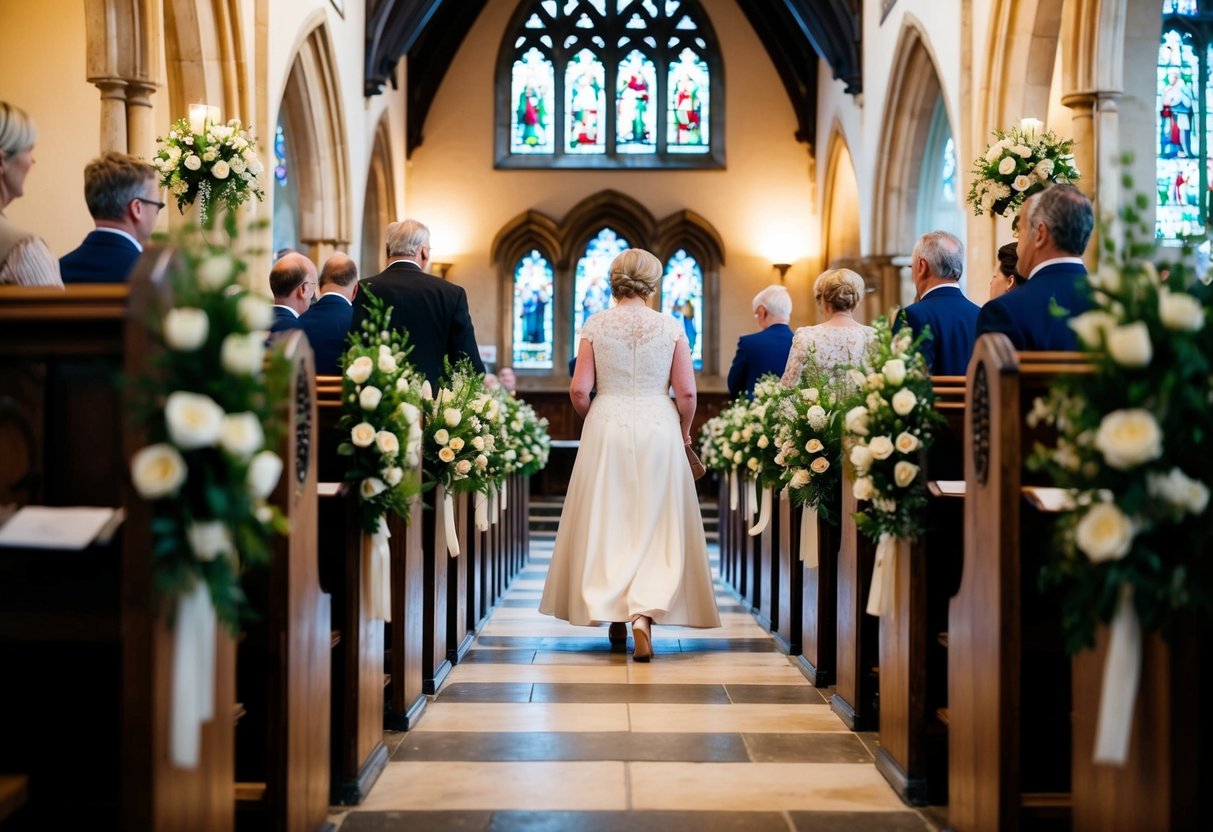
This gesture highlights the important role she plays on your special day. It’s a significant way to show respect and honor, creating a warm atmosphere for the wedding ceremony. If you’re considering this tradition, think carefully about who would make a meaningful escort for her.
Understanding this aspect of a UK wedding can help you decide how to incorporate traditions that matter to you and your family. Whether you choose to follow this custom or adjust it to fit your style, it’s all about making the day feel right for you.
Ceremony Structure and Traditions
The structure of wedding ceremonies can vary widely based on traditions and personal choices. Understanding the flow of the ceremony can help you plan and appreciate this important event in a meaningful way.
Understanding Wedding Processional Order
The wedding processional order sets the stage for the ceremony. Generally, it starts with the groom’s parents, followed by the bridal party. In many traditional ceremonies, the mother of the bride walks down the aisle after the parents of the groom.
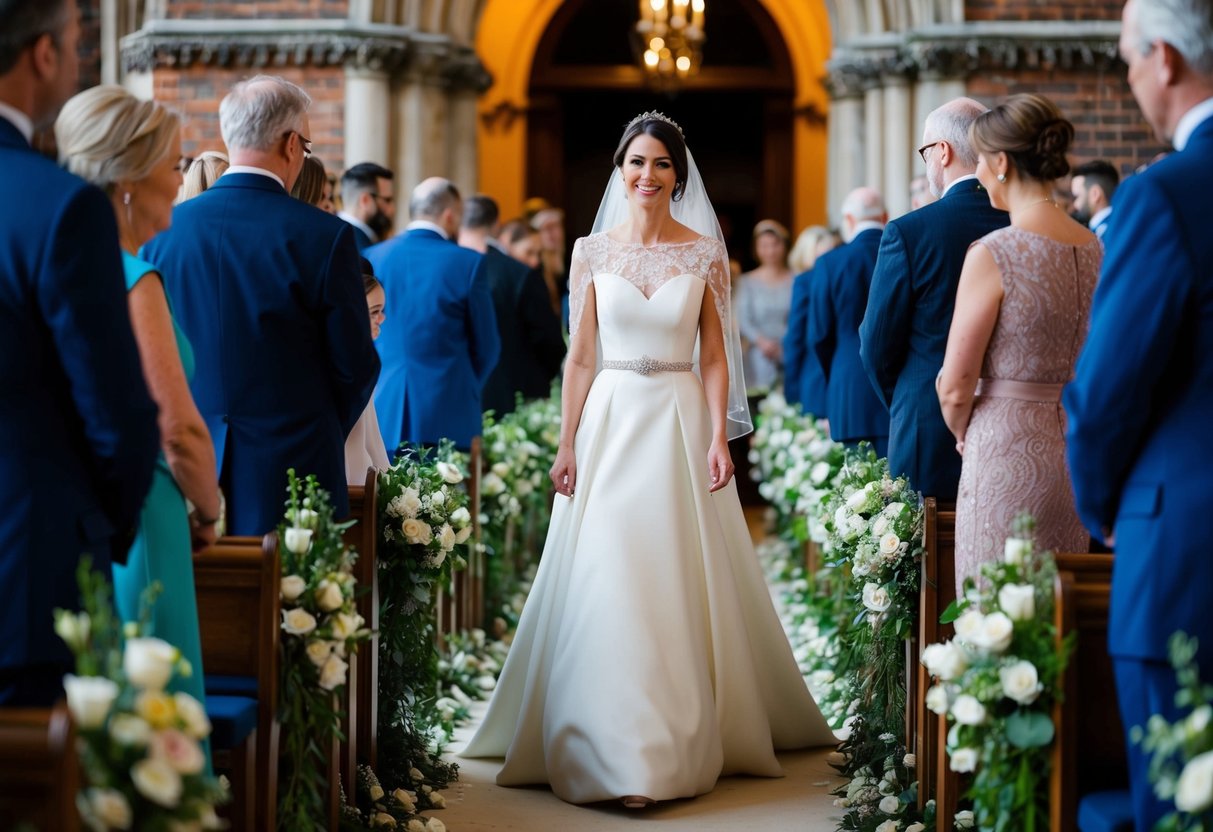
Next, the bridesmaids and groomsmen pair up as they proceed down the aisle. This is often followed by the flower girls and ring bearers, who add a charming touch to the procession. The bride typically enters last, accompanied by her father or another close family member, making a grand entrance to meet her groom.
Roles During the Wedding Ceremony
During the ceremony, each participant has a specific role. The officiant leads the event, guiding the couple through their vows and making it official.
The groom stands at the altar, eagerly waiting for his bride. The bridesmaids and groomsmen support the couple, standing by their sides as witnesses. Flower girls and ring bearers add a sense of innocence and joy, often carrying flowers or rings.
The mother of the bride holds a special place, usually sitting prominently in the front row, reflecting her essential role in the bride’s life and support during the ceremony.
Cultural Variations in Wedding Traditions
Wedding traditions can differ based on cultural background. For instance, in a Christian wedding, the focus is usually on the couple’s vows before the officiant.
In a Jewish wedding, the couple may stand under a chuppah, offering a unique setting. In contrast, a Hindu wedding often features the baraat, a lively procession where the groom arrives at the venue.
Each culture has its practices, such as the mandap, where rituals are performed. These variations highlight the diversity in how weddings are celebrated around the world, enriching the experience for both couples and guests.
Mother of the Bride’s Role
The mother of the bride plays a vital role in the wedding, affecting the ceremony’s tone and emotional depth. Her participation can vary based on family traditions and personal preferences.
Walking Down the Aisle
Traditionally, the mother of the bride might walk down the aisle after the officiant and before the bride. This moment is significant as it highlights her support for the bride.
Some mothers choose to walk alone, showcasing their independence and strength. Others might be escorted by a close male relative, such as a brother or a son. This choice can reflect family dynamics and personal comfort.
It’s essential to discuss this role with your family. Making decisions together can strengthen family bonds and ensure everyone is comfortable and happy with the arrangements.
Emotional Significance and Family Dynamics
The emotional significance of the mother of the bride’s role cannot be understated. This moment marks a transition, both for you and your family.
Having your mother by your side can symbolize support and love. It reinforces the bond you share as you step into a new chapter of life.
In blended families, the roles can change. The mother of the bride may be escorted by a stepfather or another family member. This flexibility can make the day inclusive and celebrate the unique family dynamics you have.
Prioritizing your feelings will help create a memorable experience that honors your relationships.
Planning the Processional
Planning the processional is a key part of your wedding. It helps set the mood and ensures that everyone knows their role. Focusing on music, coordination with the wedding party, and personal touches can make this moment special.
Selecting Processional Music
Choosing the right music for the processional is essential. You want a piece that reflects your style and sets the tone for the day.
Options can range from classic orchestral arrangements to modern love songs. Consider the emotions you want to evoke. Are you aiming for something romantic, joyful, or elegant?
You should also think about your bridal party’s entrance. Different pieces of music can highlight each member’s arrival, such as the maid of honour, flower girl, and ring bearer.
Be sure to check with your venue about music restrictions. Some places may have limitations on volume levels or types of music.
It’s a good idea to have your musician or DJ prepared and rehearsed, so everything goes smoothly on the big day.
Coordinating with the Wedding Party
Effective communication is vital when coordinating with your wedding party. Make sure everyone knows the order of the processional. Share a detailed timeline that includes when to line up and where to stand.
Each member should understand their role. For instance, the maid of honour may walk closely with you or lead the flower girl.
Make sure to hold a rehearsal to practice the flow. This helps ease nerves for everyone involved.
Provide clear reminders to the wedding party about the processional music and their cue to walk. This ensures that each participant is ready when it’s time for their grand entrance.
Incorporating Personal Preferences
Personal touches can make your processional unique. Think about including family traditions or cultural elements that reflect your background. This can involve special songs, attire, or even how participants walk down the aisle.
You can involve important family members, like grandparents, in the processional. Their presence can add significance to the ceremony.
Don’t forget to discuss your personal preferences and vision with your wedding planner or coordinator. They can help bring your ideas to life and ensure everything aligns with your overall wedding theme.