
Does the Mother of the Bride Walk Down the Aisle to Music? Tips for a Memorable Entrance
As you plan your wedding, details about the processional are essential. One important question you might have is whether the mother of the bride walks down the aisle to music. Traditionally, she does walk down the aisle to music, making it a special moment in the ceremony. This not only sets the tone for the event but also honors the significant role she plays in your life.
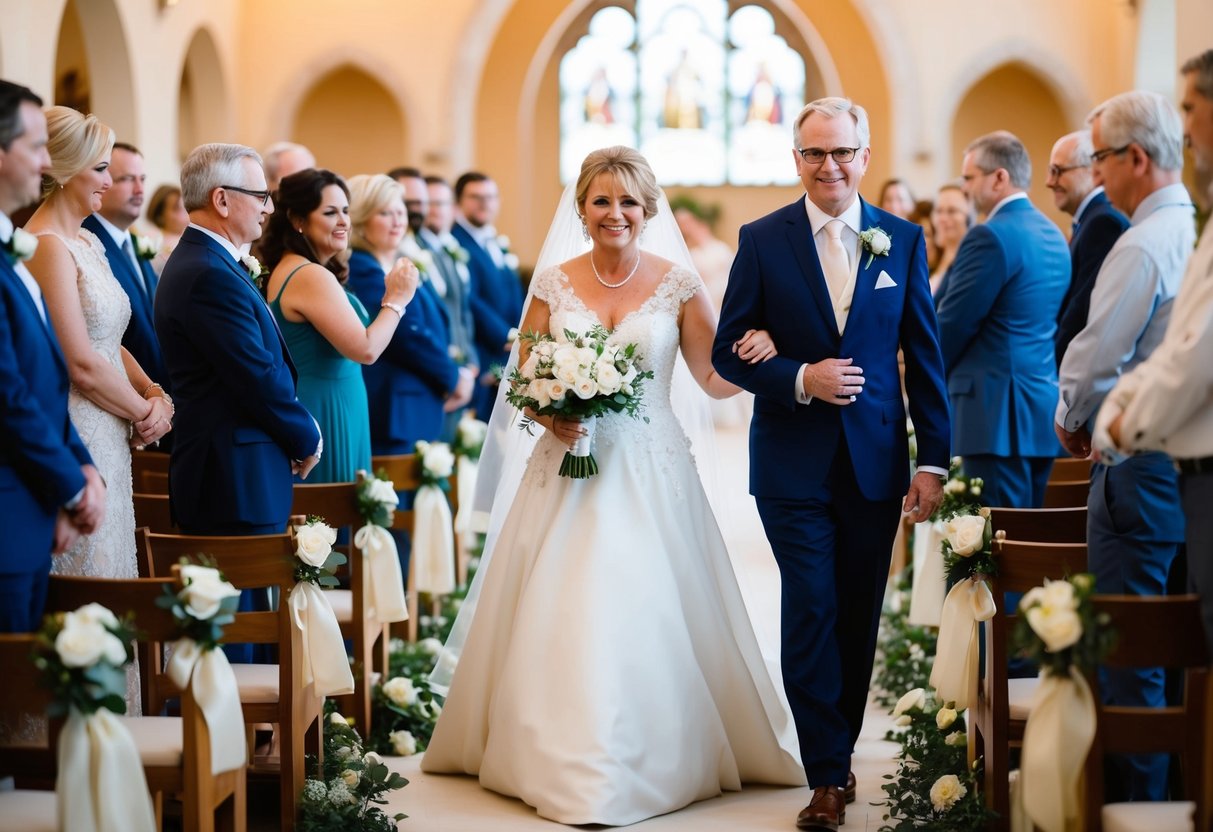
Imagine the elegant notes filling the air as your mother walks gracefully down the aisle. It’s a touching tribute that adds to the beauty of the ceremony. The music played at this moment can enhance the emotions and create lasting memories for everyone involved.
Understanding this tradition can help you make decisions about your wedding. You can choose a meaningful song that reflects your relationship with your mother. This will make her entrance even more memorable.
The Significance of Processional Music
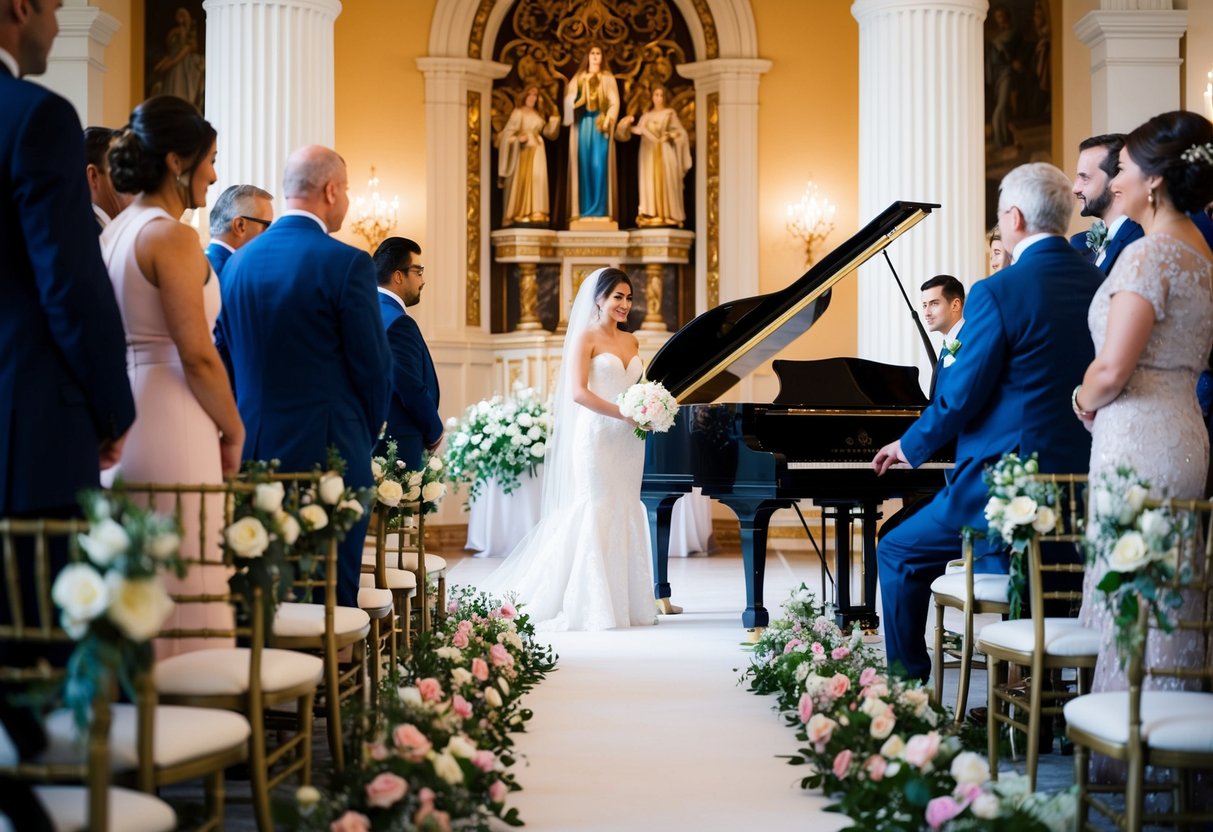
Processional music plays a vital role in your wedding ceremony. It sets the mood as important family members, like the mother of the bride, walk down the aisle. This moment is filled with joy and anticipation.
The right wedding processional song can create memorable moments for you and your guests. Songs like “Ain’t No Mountain High Enough” or “All You Need is Love” can bring a smile to everyone’s face. These tunes are perfect for celebrating love and unity.
Choosing the right music is essential. It can evoke emotions and highlight the significance of each person walking down the aisle. For instance, “At Last” adds a romantic touch, while “Can’t Take My Eyes Off You” brings a fun vibe.
Think about using wedding songs for parents as well. This can honor your family and make them feel special during the ceremony. Each song you select adds layers to the experience, helping everyone feel connected.
Incorporating processional music is not just about filling silence; it’s about enhancing the entire ceremony. This music fills the air with happiness and creates lasting memories for you and your loved ones. As you plan, consider how your chosen songs can reflect your love story and personal style.
Roles and Traditions in the Wedding Procession
The wedding procession is a significant part of the ceremony. It includes family members walking down the aisle in a specific order. The roles you choose for each person can create special moments and add to the overall joy of the day.
Planning the Entrance of Family Members
When planning the entrance of family members, it’s important to think about the order in which they will walk. Traditionally, the groom’s parents enter first, followed by the mother of the bride. This moment can be enhanced by choosing music that reflects the couple’s style.
Family members can also be accompanied by significant people in their lives. For example, the mother of the bride may choose to walk alone or be escorted by her son or a close relative.
Considering your family’s preferences can help you create a memorable entrance. Including everyone who is significant to you adds a personal touch to the ceremony.
Special Moments for the Mother of the Bride
The role of the mother of the bride is especially important in the procession. While it’s common for her to walk down the aisle, the music during her entrance plays a significant role in creating the atmosphere. You might choose a song that holds sentimental value for both of you.
This moment can be very emotional. It might be the first time you see your mother in her wedding attire, adding to the significance. Many brides also consider incorporating a special moment, like a hug or a pause for pictures, before she takes her seat.
These small decisions can make the experience more meaningful, highlighting her role as a key figure in your life and the ceremony.
Inclusion of Grandparents and Extended Family
Don’t forget to include grandparents and extended family in the wedding procession. They often hold a special place in your heart and can add extra joy to the day. Traditionally, grandparents may walk down the aisle before the parents.
You could also consider a simple yet heartwarming gesture, like having them escorted by younger family members. This not only honors them but can be a fun way to include children in the ceremony.
Including these family members in your ceremony can create a sense of unity and love. Each entrance can be accompanied by music choices that resonate with their personalities and relationships with you, making the entire experience even more special.
Order of the Wedding Processional
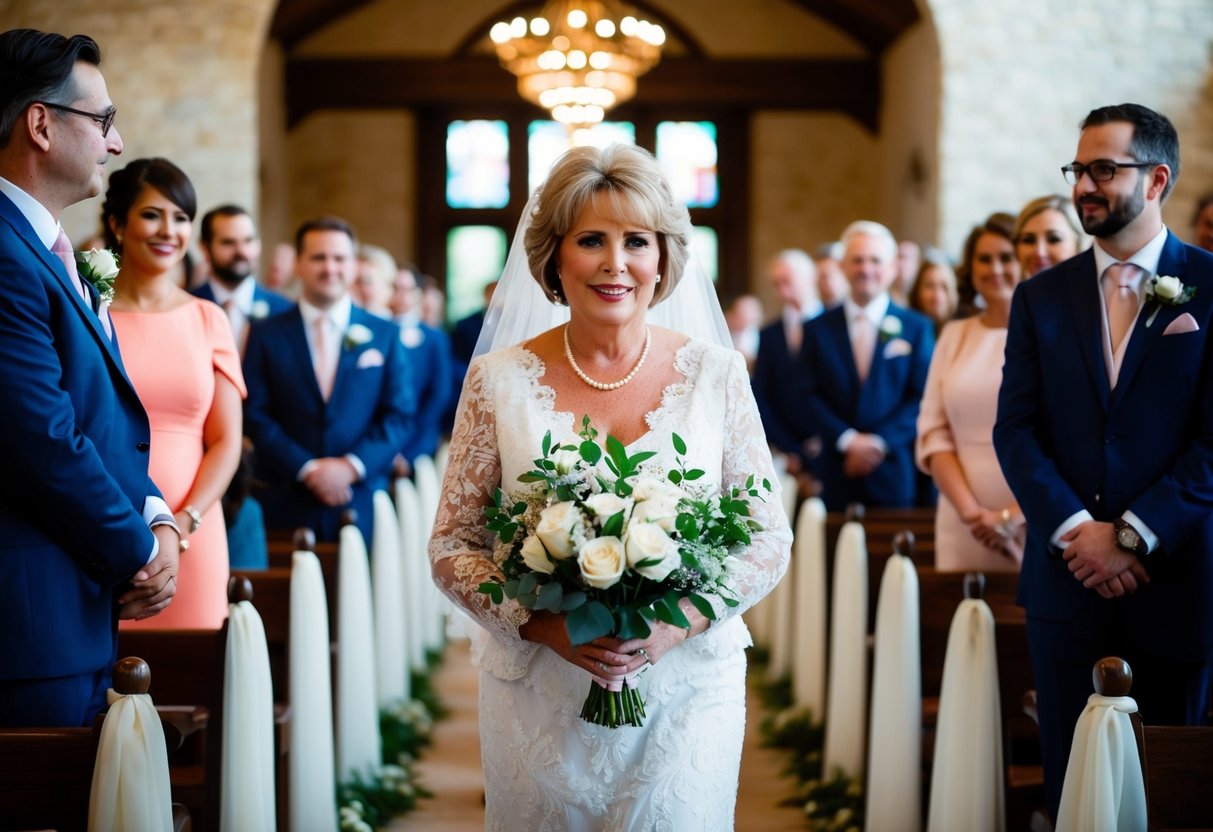
The order of the wedding processional varies depending on religious traditions and personal preferences. It sets the tone for the ceremony and guides the entrance of key participants. Understanding the different formats can help you plan your special day.
Christian Wedding Processional Order
In a traditional Christian wedding, the order often starts with the officiant. They may walk down the aisle first, sometimes followed by the groom. Next, the groom’s parents typically take their seats. After that, the wedding party enters, starting with the bridesmaids and groomsmen.
The maid of honor usually walks last among the attendants, followed by the flower girl and ring bearer. Finally, the moment everyone waits for—the bride! She often walks down the aisle to music, escorted by her father or another family member. This order highlights the importance of each role in the ceremony.
Jewish Wedding Processional Order
During a Jewish ceremony, the processional is unique. Traditionally, both parents of the bride escort her down the aisle. Before her, the grandparents and other family members may enter.
The chuppah, an important symbol, is usually set up at the front. After the bride, the groom walks in, often accompanied by both his parents. This processional reflects the deep cultural values, focusing on family unity and support as the couple begins their journey together.
Catholic and Other Religious Ceremonies
In a Catholic wedding, the processional has specific steps that follow religious customs. It often begins with the clergy entering, followed by the altar servers. The groom typically comes next, standing at the altar, waiting for his bride.
Then, the wedding party walks down in pairs, with bridesmaids and groomsmen following. The bride enters last, often accompanied by her father. This order emphasizes the sacredness of the ceremony and the importance of family. Music often plays throughout to enhance the atmosphere.
Modern and Nondenominational Processional Formats
Many couples today prefer a modern or nondenominational approach to their wedding processional. This format can be more flexible and tailored to personal tastes. You may choose to have friends and family enter in whatever order you desire.
Commonly, the couple may decide to walk down the aisle together or with their parents. Flower girls and ring bearers can still play important roles. Music choices can range from classical to contemporary, reflecting the couple’s personalities. This option allows you to create a personalized experience that feels authentic to you.
Key Moments for the Mother of the Bride
There are several key moments for the mother of the bride during the wedding ceremony. From her entrance to the way she interacts with others, these moments are filled with emotion and significance. Music and traditions play a big role in making these moments memorable.
Escorting the Bride
As the mother of the bride, one of your most impactful roles is during the ceremony entrance. You might choose to walk down the aisle alongside the bride, giving her support and love before she begins this new chapter. Alternatively, you can be escorted by another family member, like a son or brother.
This moment not only represents your bond with your daughter but also showcases the love that has shaped her life. Your appearance might be highlighted by your choice of attire and the music playing, setting the tone for the ceremony.
Musical Selections and Symbolism
The wedding songs selected for your entrance can add deep meaning. Popular choices might include classical pieces or modern love songs. These tunes symbolize the transition of your daughter to married life.
You may want to consult with the couple about their favorite songs. This way, the music reflects their journey together. Consider how the rhythm and lyrics connect to family memories or feelings. The right song can transform the moment into something truly special.
Interactions with Other Key Wedding Party Members
During the ceremony, your interactions with other key wedding party members are vital. You will meet the groom’s parents, bridesmaids, and groomsmen, sharing smiles and gestures of support. This moment builds a connection between two families.
As you all take your places, it helps enhance the welcoming atmosphere. If the groom’s parents walk in tandem with you, it symbolizes unity. Engaging warmly with everyone helps create a memorable and heartfelt environment, making it a day to cherish for years to come.