
Does the Mother of the Groom Do Anything Special for the Bride? Understanding Her Role in the Wedding
The mother of the groom plays an important role in the wedding, not just for her son but also for the bride. She can show her support by welcoming the bride into the family, offering emotional support throughout the planning process and on the big day. Building this relationship can help create a warm atmosphere that everyone will appreciate.
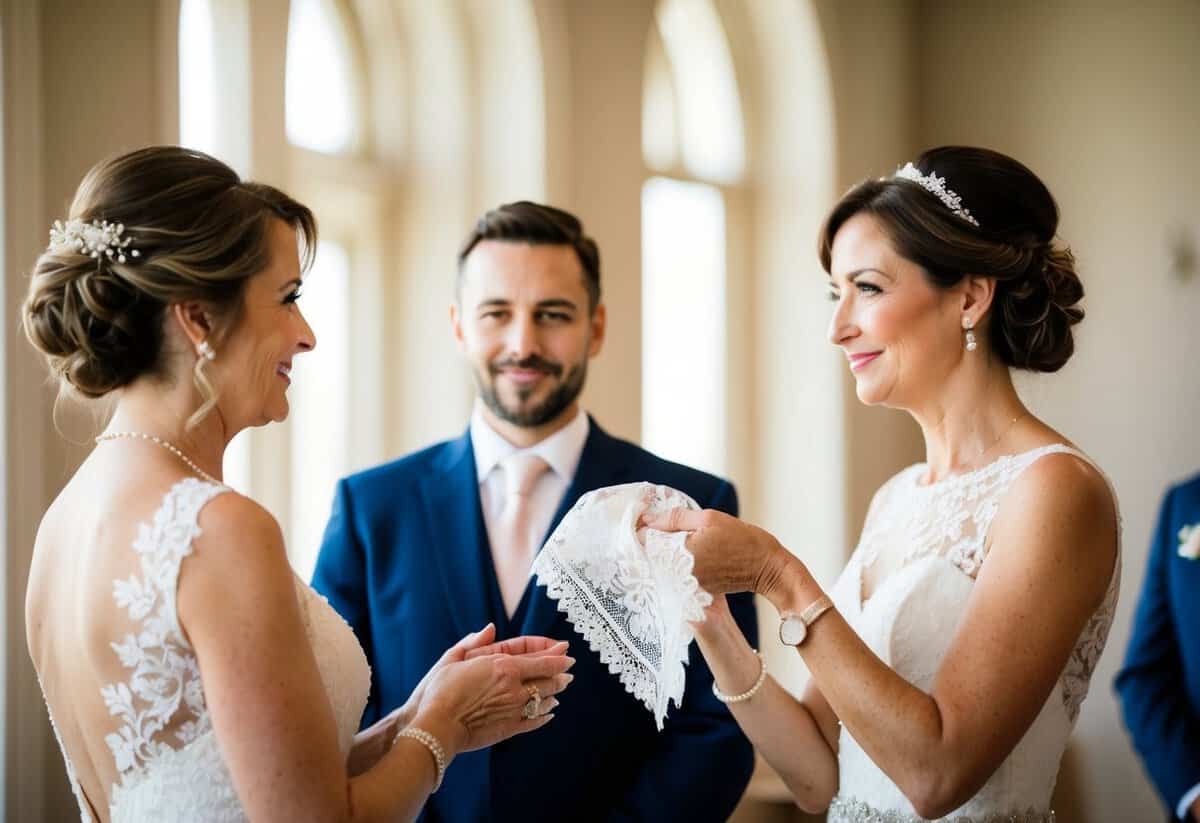
In many cases, the mother of the groom assists in planning events like the engagement party or contributes to the wedding by helping with details. This involvement not only eases the burden on the couple but also strengthens the bond between the families.
By actively participating and showing kindness, the mother of the groom can help smooth the path as you and your partner embark on this new journey together. This collaboration can lead to lasting memories and a stronger connection between all parties involved.
Roles and Traditions
The mother of the groom plays an important role in supporting the bride and helping with wedding traditions. Her involvement can enhance the wedding experience for everyone.
Pre-Wedding Involvement
Before the wedding, the mother of the groom can contribute in several meaningful ways. One of her key responsibilities is to help plan the engagement party. While this event is often hosted by the bride’s parents, she can step in to assist and ensure both families feel welcome.
Another tradition is attending the bridal shower, which typically focuses on the bride. It’s a great opportunity for you to bond with her and include family traditions. You may want to bring a family heirloom or a special gift that reflects your family’s values.
Finally, she can help with the wedding guest list. She might suggest important family members to invite, making sure no one is overlooked. This creates a more inclusive atmosphere.
Ceremony Participation
During the ceremony, the mother of the groom has meaningful roles to play. Traditionally, she sits on the groom’s side, visibly supporting him. This shows unity between the two families.
You might consider speaking with the bride and her family about how you can participate in the ceremony. Some mothers choose to give a toast or a blessing, adding a personal touch to the event.
Additionally, you can help organize the processional by coordinating with the wedding planner. This includes making sure that key family members know when to walk down the aisle. By taking these steps, you can help make the day special for everyone involved.
Special Contributions
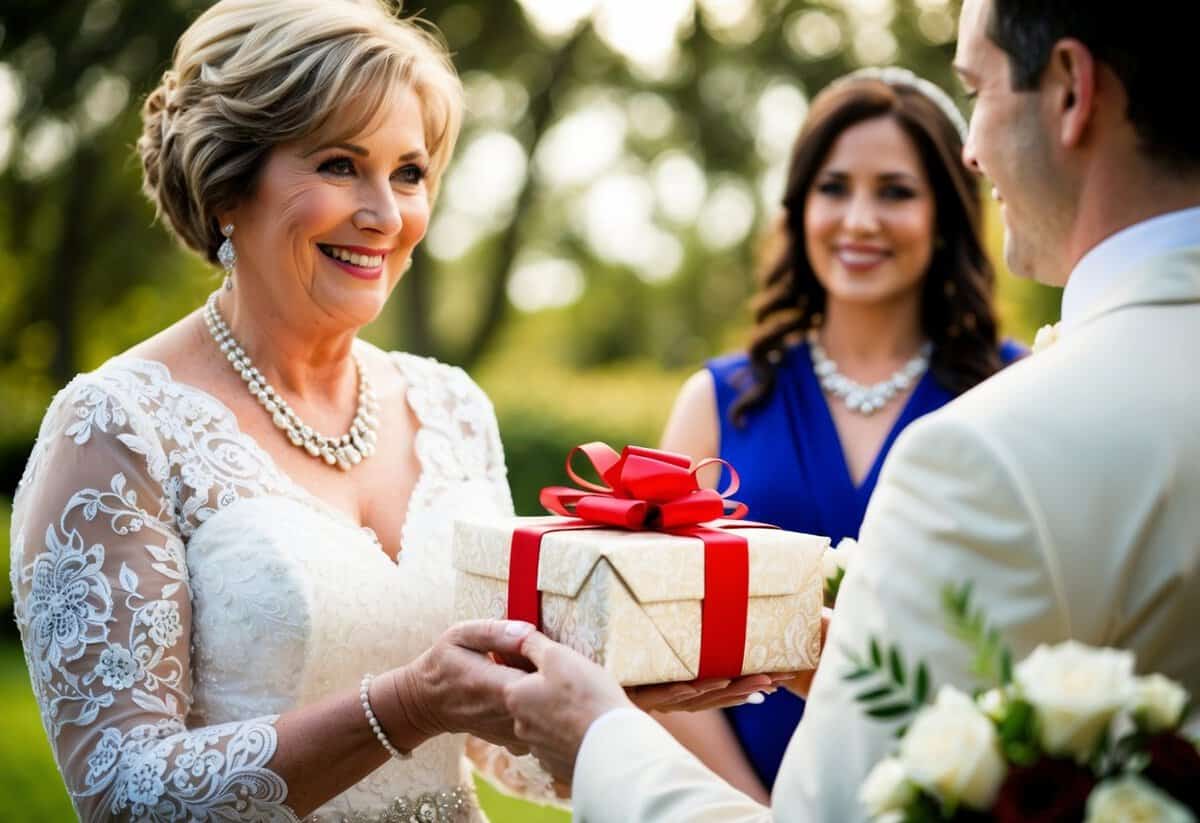
The mother of the groom often plays an important role in the wedding. Her contributions can be both emotional and financial. She may also present unique gifts that honor the bride and strengthen family ties.
Emotional and Financial Support
Your mother-in-law can be a key source of emotional support during wedding planning. She may provide guidance, listen to your concerns, or help you stay calm during stressful moments. This support can make a big difference in your experience as you prepare for your big day.
Financially, she might choose to help with wedding expenses, even covering specific costs. Many mothers of grooms contribute to the honeymoon or assist with reception costs. This gesture shows that she values family relationships and wants to support you both as you start your life together.
Unique Gifts for the Bride
Giving a thoughtful gift to the bride is a lovely tradition. Your future mother-in-law may choose something sentimental, like a family heirloom. This could include jewelry passed down through generations or a special keepsake that carries meaning.
Other options are personalized gifts like a custom photo album or a memory box. These gifts can hold pictures and mementos from your journey together. A well-chosen gift from your mother-in-law can signify her acceptance and love for you, enhancing your connection with her family.
Hosting Duties
As the mother of the groom, you play an essential role in hosting various events leading up to the wedding. Your responsibilities often include managing the rehearsal dinner and ensuring everything runs smoothly on the wedding day itself.
Managing the Rehearsal Dinner
You are typically the one to organize and host the rehearsal dinner. This gathering is a chance for families to come together and relax before the big day. It’s important to plan a menu that reflects your family’s tastes, perhaps including cherished family recipes.
Consider the guest list carefully. You might include immediate family and close friends of both the bride and groom. You also need to discuss who will cover the costs. Traditionally, the groom’s family pays for this event.
Also, if you have a particular theme or style in mind, communicate that to the venue. Being a clear point of contact ensures that everyone stays informed and can ask questions easily.
Day-Of Responsibilities
On the wedding day, your hosting duties continue. You might help coordinate the receiving line, where guests greet the couple. This moment is important for showing appreciation to family and friends.
Make sure you are familiar with the wedding timeline. Know where key items, like wedding attire and accessories, are located. Being proactive will help deal with any unexpected issues.
You should also check in with vendors like the caterer and photographer. Staying in touch with them will ensure everything is on track. Your support on this day is invaluable for both the couple and their families.
Post-Wedding Events
After the wedding, you have a wonderful chance to continue building relationships and creating cherished memories. The mother of the groom plays an important role in fostering connections between families and ensuring special moments are celebrated together.
Fostering New Family Bonds
One way to strengthen family ties is by hosting a post-wedding brunch. This event gives your family and the bride’s family a chance to bond while enjoying a meal together.
You can also share family recipes that reflect your traditions. Preparing dishes together can spark conversations and laughter, allowing everyone to feel more at home.
It’s also meaningful to include the bride’s family in these gatherings. As future in-laws, this connection can help everyone feel united.
Consider inviting everyone to talk about the wedding and share their favorite memories. This can help both families understand each other better and create a more welcoming atmosphere.
Creating Lasting Memories
Celebrating special moments after the wedding helps you cherish the experience. You might organize an outing to commemorate the occasion. For example, a group trip to a nearby attraction or park.
Another thoughtful gesture is attending the bride’s bridal shower if it hasn’t taken place yet. This shows your support for her and helps strengthen your relationship.
Remember to encourage a mother-son dance at gatherings. This can be a sweet way to honor your relationship and show your love publicly.
As the couple returns from their honeymoon, consider welcoming them back with a small celebration to reflect on their journey together. These actions foster warmth and create lasting memories that you all will cherish.