
Does the Officiant Ask Who Gives the Bride Away? Understanding Wedding Traditions
At many traditional wedding ceremonies, the officiant might ask, “Who gives this woman to be married to this man?” The officiant typically asks this question, but it is becoming less common in modern weddings. Many couples are choosing to customize their ceremonies, which can include omitting this phrase altogether or changing it to fit their personal values.
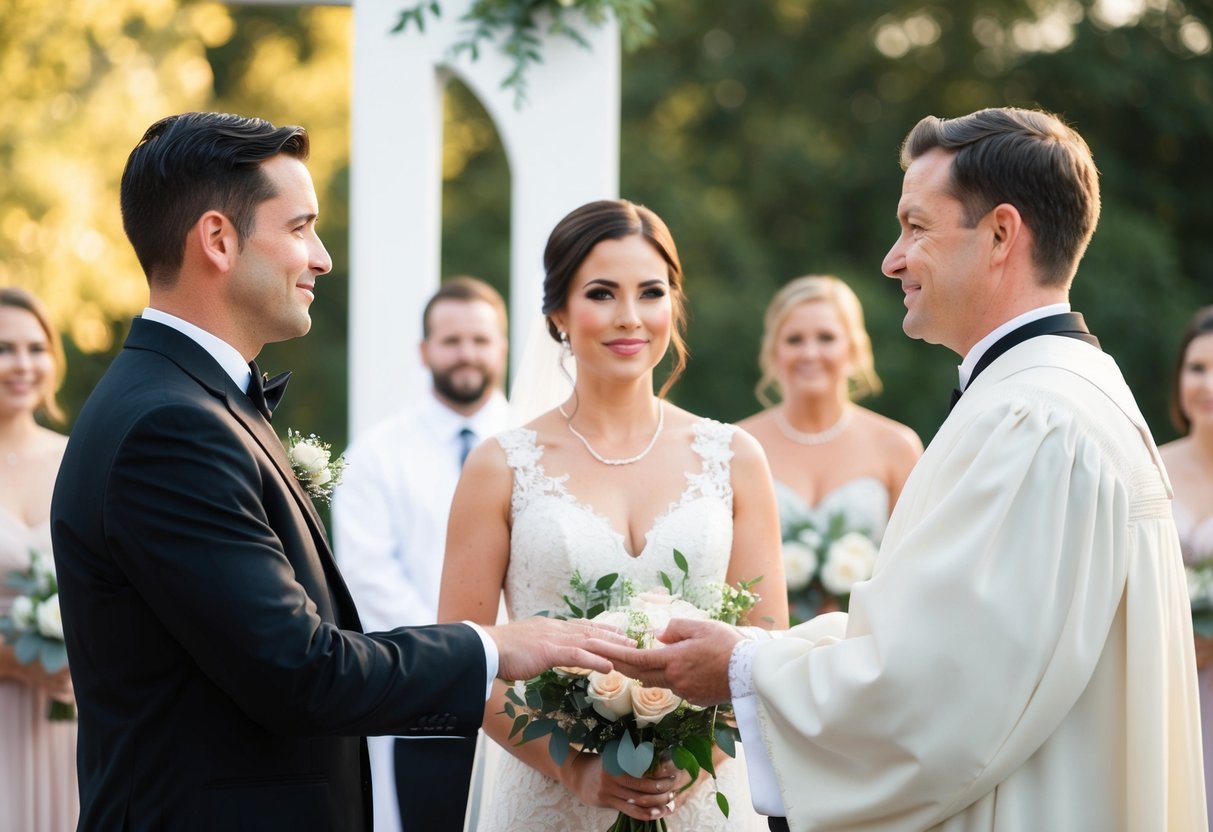
If you’re planning a wedding, you may wonder how this moment fits into your ceremony. The role of the officiant is crucial, as they guide you through the vows and rituals. While the traditional wording suggests a transfer of responsibility, contemporary views on marriage emphasize equality and partnership, leading many to rethink this custom.
Ultimately, what matters most is that your ceremony reflects your values and preferences. Whether you decide to keep the traditional wording or create your own version, the choice is entirely yours.
History and Significance of Giving Away the Bride
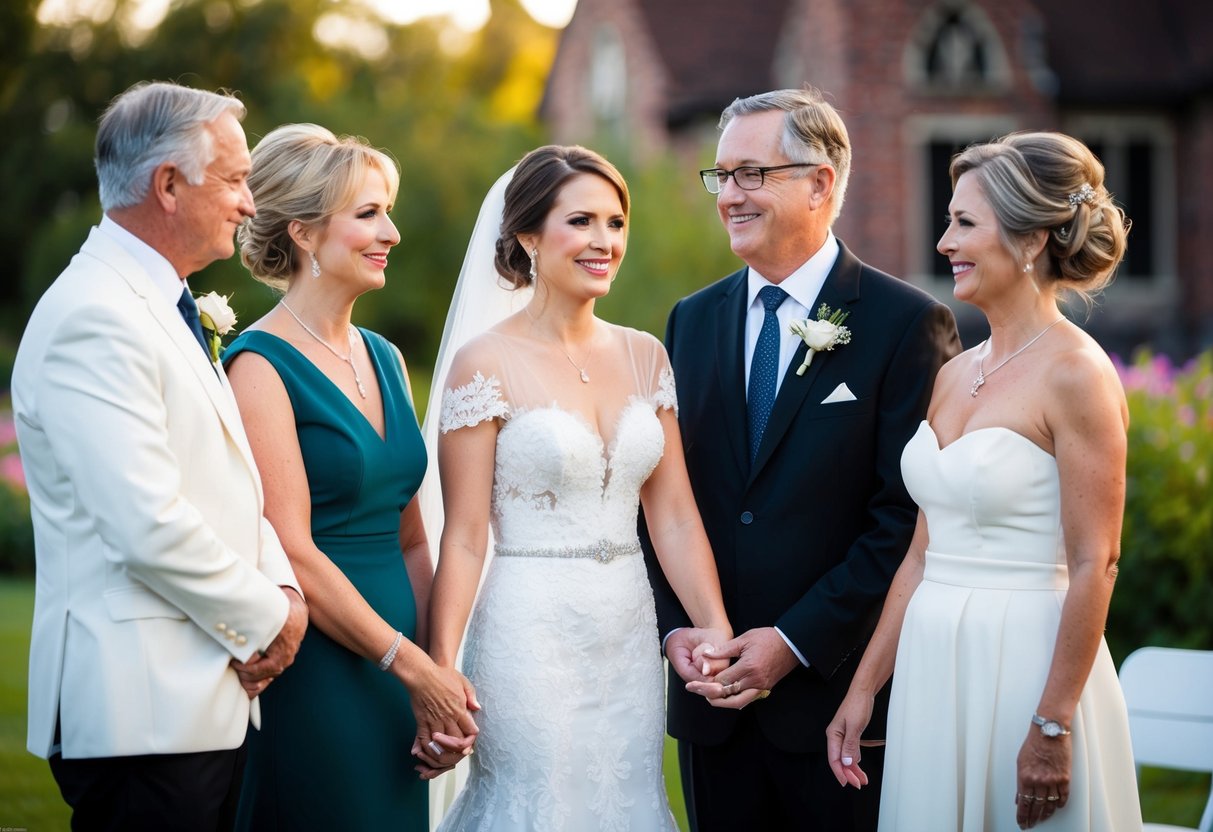
The tradition of giving away the bride has rich historical roots and provides deep meaning in weddings today. This act symbolizes the transfer of responsibility from the bride’s family to her new spouse, reflecting values of protection and support.
Origins of the Tradition
The practice stems from ancient customs where marriage often involved the exchange of dowries. In these contexts, the question “Who gives this woman?” signified the transfer of a woman from her father to her husband. The father of the bride typically played a key role in this act, representing familial approval.
This moment highlighted the importance of family bonds. It also symbolized a symbolic gesture of trust, sending a message that the groom would care for the bride. This practice was more than a formality; it was central to societal views on marriage and family dynamics.
Evolution in Modern Weddings
Today, many couples reimagine this tradition. While some still have the father of the bride involved, others invite different family members or friends to participate. The focus may now also shift to the bride’s choice.
Modern interpretations often see the act as a way to honor the bride’s family rather than a strict transfer of ownership. This reflects changing attitudes towards gender roles and relationships. Thus, the giving away of the bride becomes less about possession and more about love and support in your journey together.
Roles and Responsibilities in the Wedding Ceremony
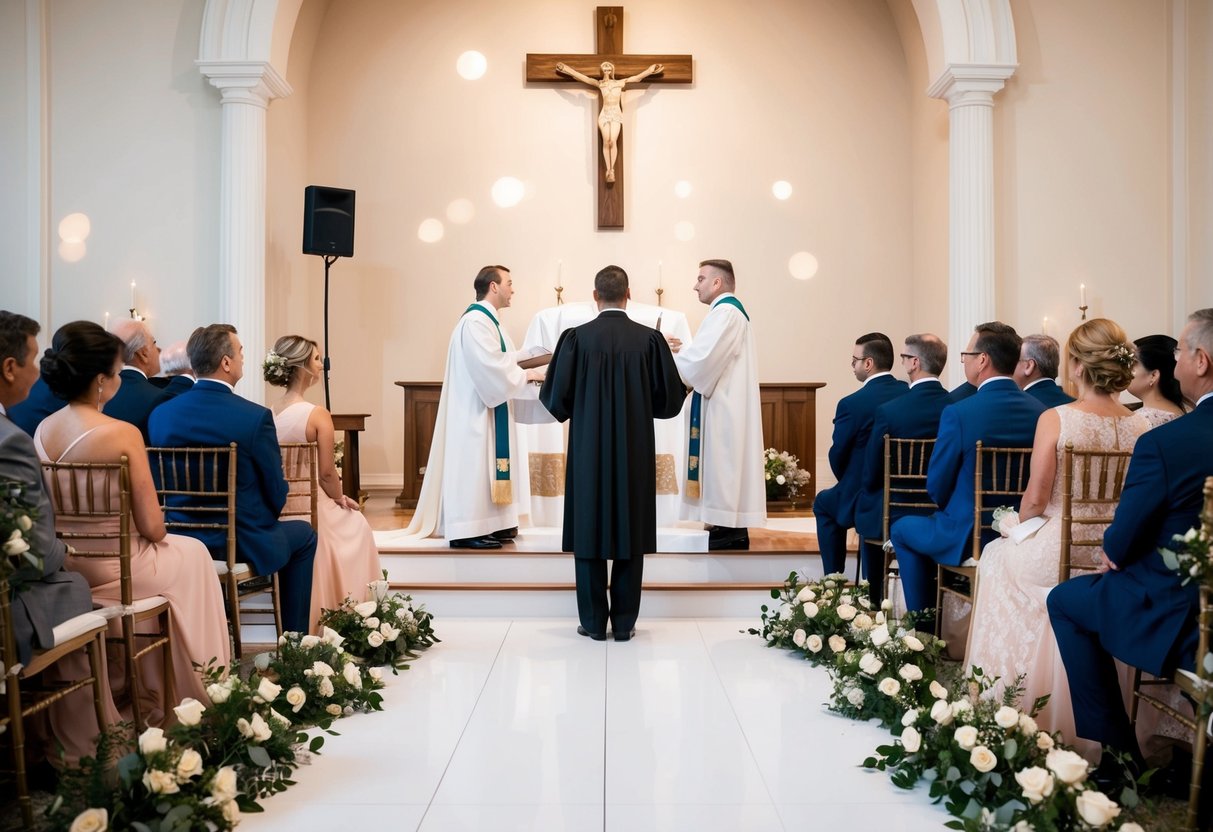
In a wedding ceremony, each person involved has specific roles that help create a smooth and memorable experience. Understanding these roles ensures that everyone knows what to expect and can contribute positively to the event.
The Officiant’s Role
The officiant is a key figure in your wedding. They lead the ceremony, setting the tone and guiding you and your partner through the important moments. One notable duty is to ask, “Who gives this bride away?” during the presentation of the bride. This moment is traditional and signifies support for the marriage.
Additionally, the officiant ensures that all legal requirements are met. They complete your marriage license and file it properly. This is essential for making your marriage official. Strong officiants help you feel comfortable and confident on such a big day.
The Father of the Bride’s Role
The father of the bride often plays a central role during the ceremony. Traditionally, he gives the bride away, which symbolizes his blessing for the marriage. This moment is special, capturing feelings of love and support.
Beyond this, he may be involved in wedding ceremony planning, helping the couple with details like rehearsal dinner arrangements or seating charts. The father’s presence often brings a sense of tradition and family, making the day more meaningful for everyone involved.
The Bridal Party’s Involvement
The bridal party, including bridesmaids and groomsmen, also has important roles during the ceremony. They help support you and your partner, ensuring everything runs smoothly. Their involvement includes standing by your side, offering emotional support, and assisting with tasks like holding bouquets or rings.
They may also take part in special rituals, such as readings or music. Their role is to enhance the overall atmosphere of the day. With their help, your wedding day can be filled with joy and love, making it an unforgettable experience for you and your guests.
Modern Alternatives to Giving Away the Bride
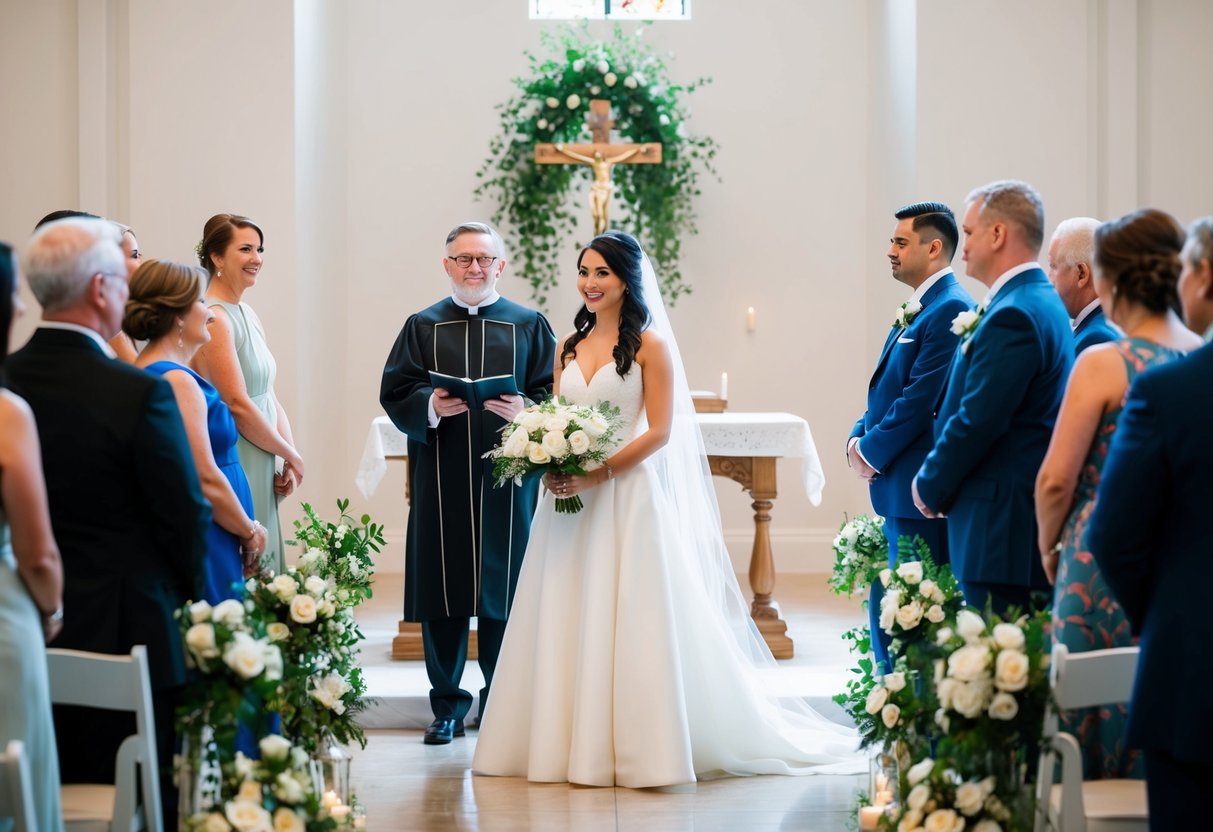
Modern weddings often embrace new ideas that reflect love and support from different family members. These changes respect traditional roots while also celebrating individuality. You might consider alternatives that make your ceremony more inclusive and personal.
Inclusive Presentations
Instead of just the father giving you away, you can include both parents in the ceremony. They can walk together, symbolizing unity and support from both sides of the family. This approach acknowledges that both parents play significant roles in your life.
Another option is to allow you to choose a designated person. This could be a sibling, mentor, or close friend who has been an important part of your journey. This choice emphasizes your unique relationships and recognizes loved ones who have supported you.
Non-Traditional Participants
In some modern weddings, you might see other family members participating in the giving away. For instance, the mother of the bride could walk with you or even speak a few words that reflect her love and pride. This twist personalizes the moment and highlights strong family bonds.
It’s also possible to involve your entire wedding party. They can line up as you walk down the aisle, representing your close friends and family. This can create a warm atmosphere that makes everyone feel included and cherished during your special day.
Incorporating Wedding Traditions and Vows
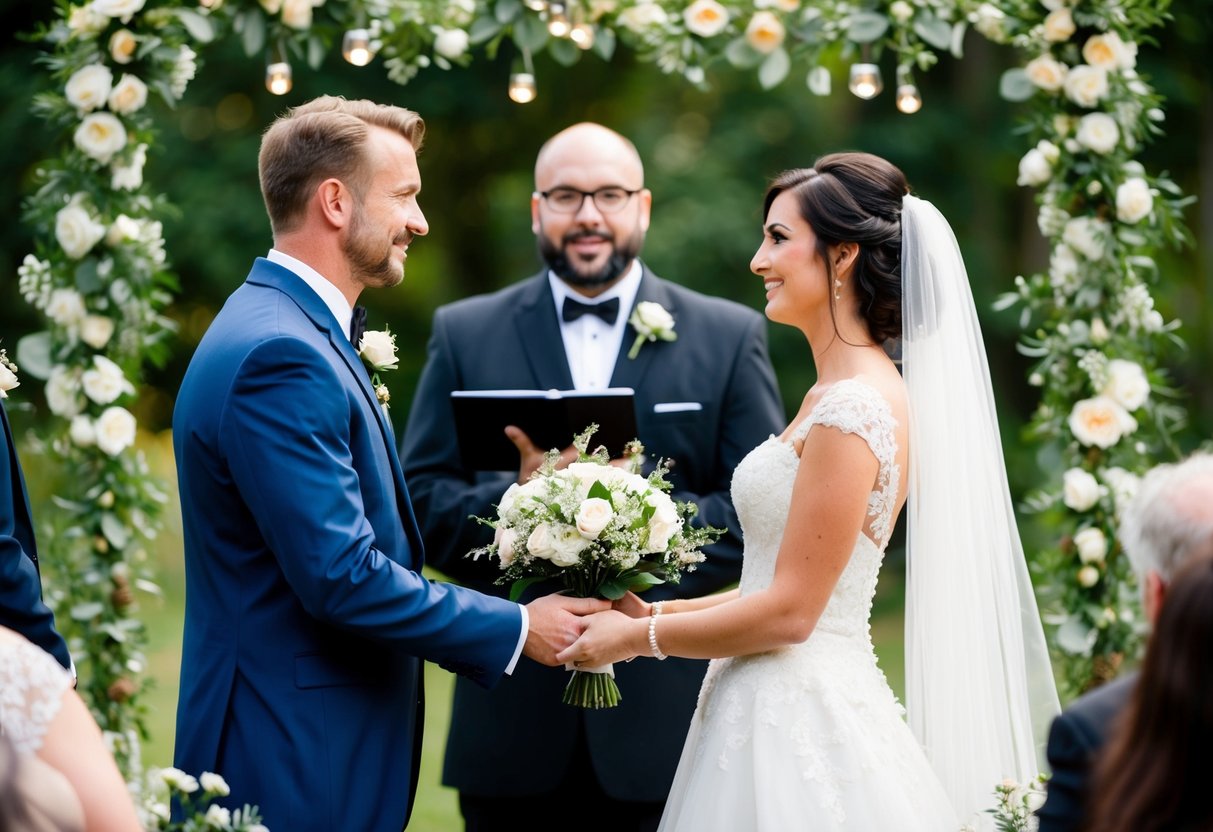
Incorporating traditions and vows adds meaning to your wedding ceremony. These elements connect you to your past while showing your individuality. Understanding these aspects can enhance your special day.
The Significance of Vows
Wedding vows are promises made between partners during the ceremony. They symbolize commitment, love, and the future you plan to share.
Traditional wedding vows often include phrases that speak to loyalty and support. You may choose classic wording or personalize your vows to reflect your unique relationship. Sharing heartfelt vows can create an emotional moment for you and your guests.
When writing your vows, consider including specific memories or values that are important to both of you. This adds a personal touch and makes the moment even more special. If you are working with a wedding officiant, they can provide guidance on how to craft your vows effectively.
Blending Traditions
Every wedding has traditions that add to its significance. One example of a tradition that varies by culture is the act of giving the bride away. In some cases, the father of the bride takes part, while modern ceremonies may allow any trusted person to fulfill this role.
Blending different traditions can reflect your backgrounds and values. For instance, you might include elements from your family customs or your partner’s. This may involve unique readings, rituals, or music that hold meaning for both of you.
When planning your processional, think about how to incorporate these traditions. This not only honors your heritage but also demonstrates your journey as a couple. Working with a wedding officiant can help ensure these elements fit seamlessly into your ceremony.