
Does the Officiant Enter First? Important Wedding Ceremony Etiquette Explained
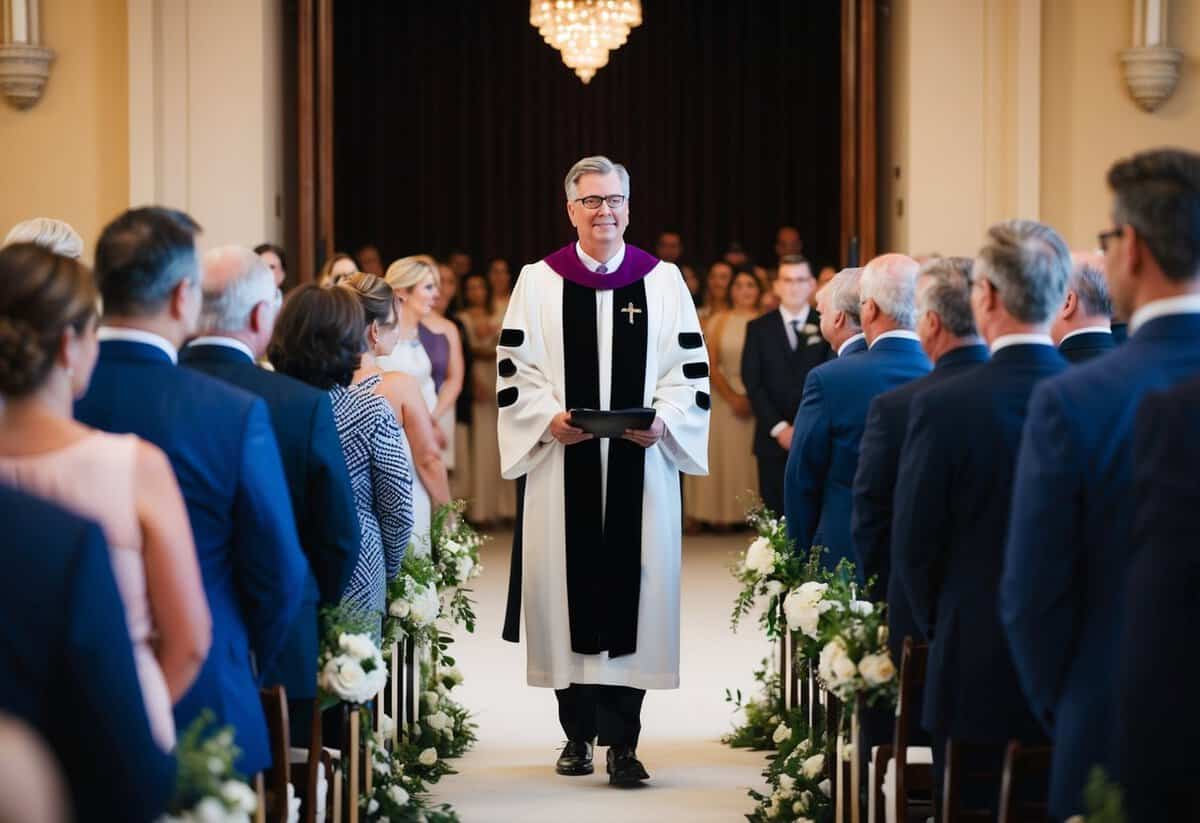
Choosing who enters first in a wedding ceremony can set the tone for the entire day. Typically, the officiant does enter first, walking down the aisle either from the side or directly toward the altar. This decision can vary depending on religious traditions or personal preferences, but it usually happens before the wedding party walks in.
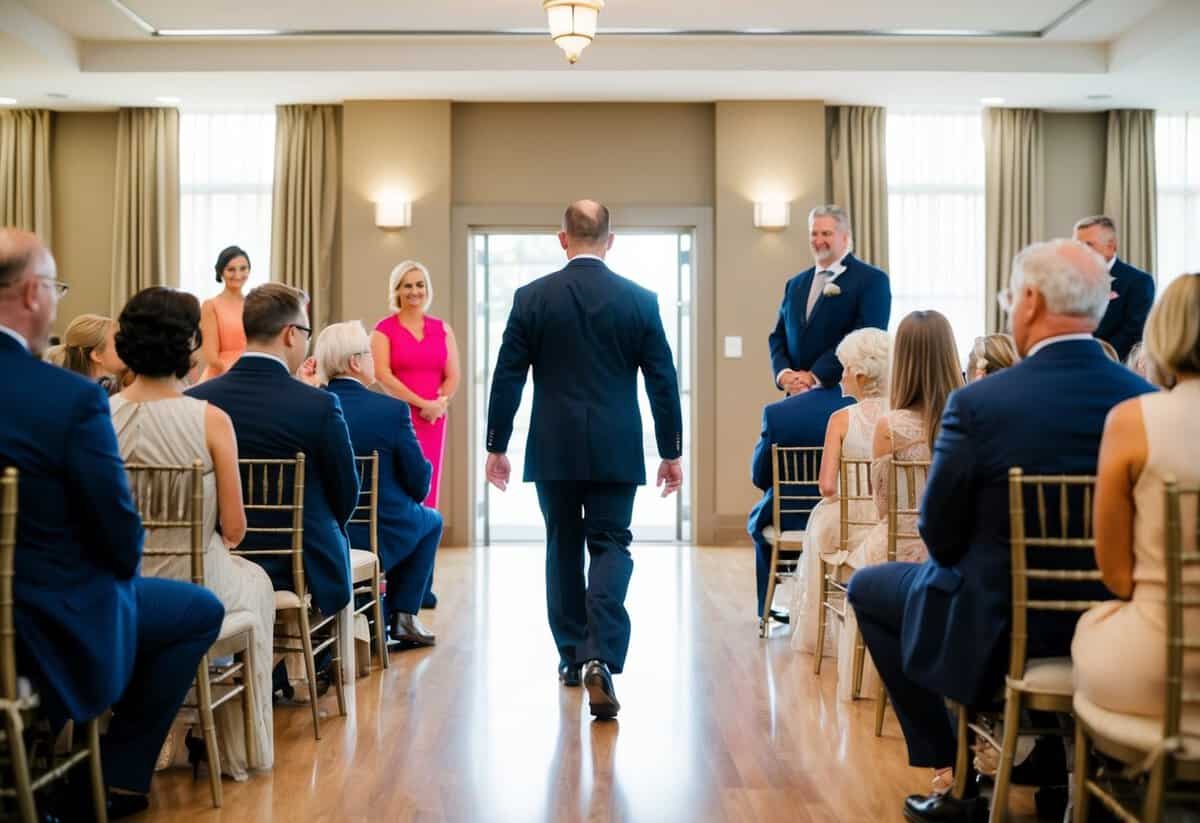
As you plan your ceremony, consider how each entrance contributes to the atmosphere. The officiant’s entry marks the start of the ceremony, leading into the procession of family and the wedding party. This progression builds excitement as you prepare to walk down the aisle yourself.
Remember, the order of the ceremony procession is flexible. You have the freedom to customize it to reflect your style and values, ensuring a memorable moment for everyone involved.
The Role of the Officiant
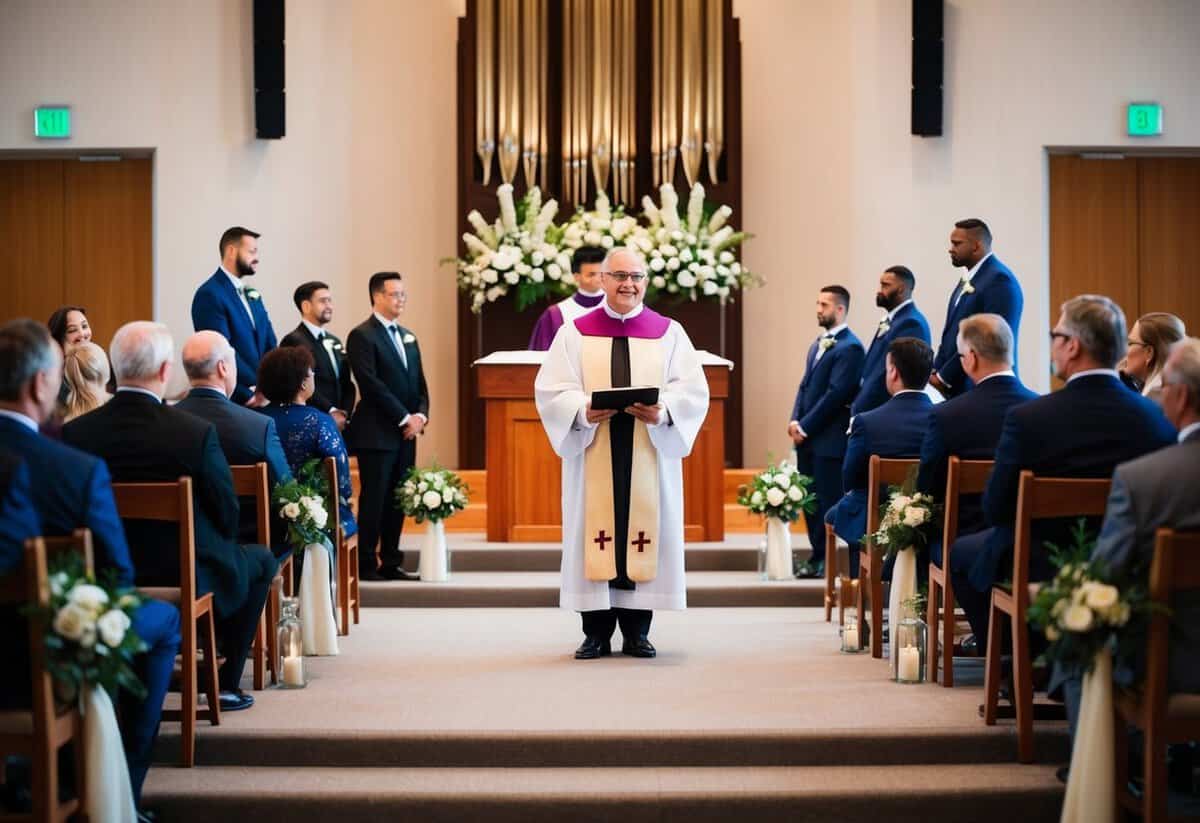
The officiant is a key figure in your wedding ceremony. They not only lead the proceedings but also help set the mood for this important event. How they enter and where they stand can vary greatly depending on your preferences and the style of your ceremony.
Positioning in Different Ceremonies
The officiant’s positioning can change based on the type of ceremony you choose. In traditional weddings, the officiant often stands at the altar, ready to welcome guests and guide the couple through their vows.
In some ceremonies, they may take a more informal approach, standing among the guests. This can create a warm, inviting atmosphere.
At more elaborate venues, the officiant may also use a special entrance to enhance the event’s grandeur. Discussing your preferences with your officiant beforehand is essential to achieve the look and feel you want for your ceremony.
Timing of the Officiant’s Entrance
When the officiant enters can have a big impact on the flow of the ceremony. Typically, the officiant walks down the aisle first, setting the stage for the events that follow.
That first entrance usually leads the way for the groom, best man, and groomsmen. This order, with the officiant leading, signals to the guests that the ceremony is about to begin.
However, some couples choose to have the officiant enter from the side or arrive after the groom. This can create a unique twist on the traditional processional. Make sure to discuss timing and order with your officiant to align with your vision for the day.
Wedding Processional Order
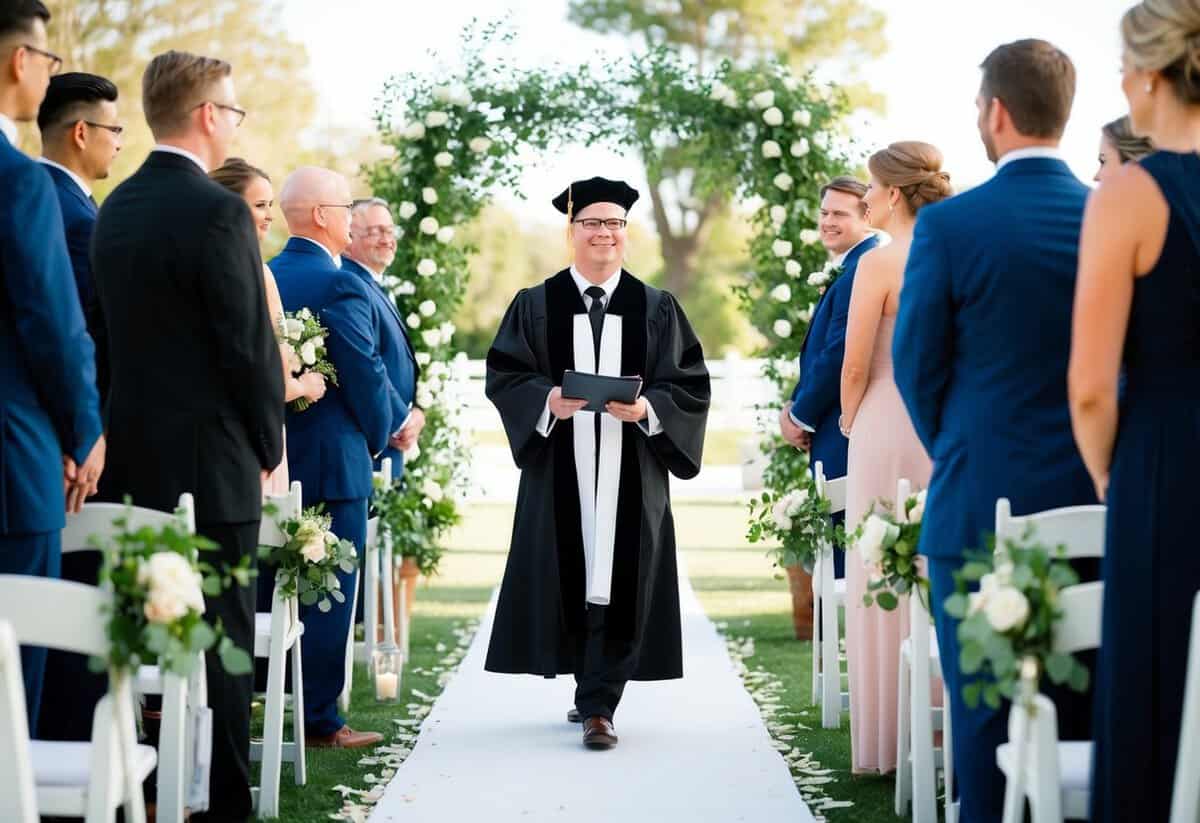
The wedding processional order can set the tone for your ceremony. Understanding the standard order, cultural variations, and modern twists can help you plan your day.
Standard Processional Order
In a traditional wedding, the processional usually begins with the officiant entering first. This is followed by the groom and best man, who may come in from a side entrance to take their places at the altar. After them, the groomsmen enter, often paired with the bridesmaids.
Next come the flower girls and ring bearers, adding a sweet touch. Finally, the centerpiece of the ceremony, the bride, makes her entrance, typically escorted by her father. This order adds a sense of anticipation, culminating in the arrival of the bride.
Cultural Variations
If you’re planning a Jewish wedding, you might notice some differences. The groom often enters while the guests sing, followed closely by the bride, who is escorted by both parents.
In Hindu weddings, the groom arrives at the venue in a procession called a “baraat,” often with music and dancing. For a nondenominational ceremony, you have the flexibility to choose any order that feels right for you.
Consider including family members based on cultural significance, like having parents or grandparents walk down the aisle.
Modern Twists on the Traditional Order
Today, many couples are opting for creative twists on the traditional order. Some choose to have both partners enter together, showcasing equality. You could also let your wedding party walk down the aisle in a way that reflects your personal styles, such as having bridesmaids and groomsmen walk in freely without strict pairings.
Additionally, including your pets as part of the procession can offer a fun and memorable touch. With these modern twists, you can craft a processional that feels unique and tailored to your love story.
The Bridal Party’s Role
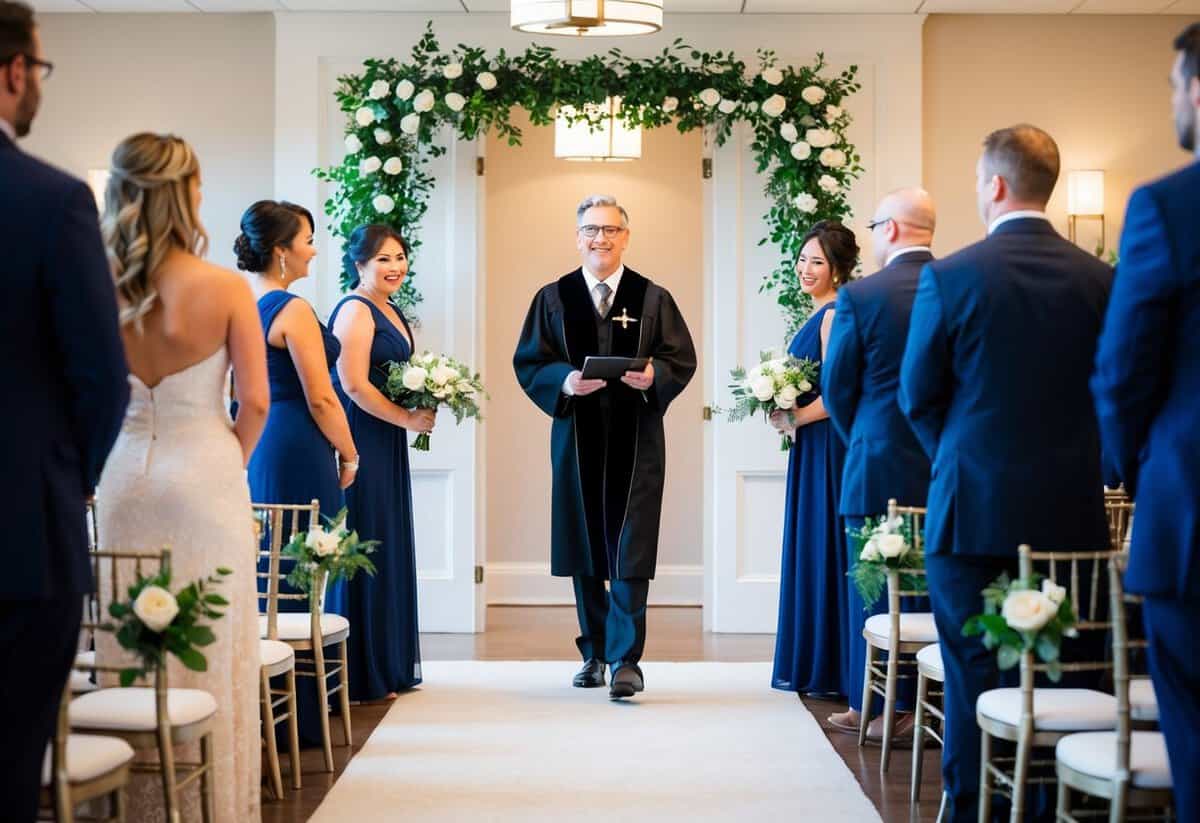
The bridal party plays a significant role in your wedding ceremony. They support you throughout the event and help ensure everything flows smoothly. Understanding their responsibilities and the order in which they enter can make your ceremony even more special.
Responsibilities of Bridesmaids and Groomsmen
Bridesmaids and groomsmen do more than just look good. They are there to support you on your big day.
Bridesmaids typically assist the bride during planning. They help with tasks like dress shopping and organizing the bridal shower. During the ceremony, they stand by your side. The maid of honor has extra duties, like holding the bride’s bouquet and ensuring that the bride remains calm.
Groomsmen, including the best man, support the groom. They help with arranging the bachelor party and keeping everything on track. The best man also has the honor of holding the rings and delivering a toast at the reception. Together, the bridal party creates a supportive circle around you both.
Order of Entrance for the Bridal Party
The order in which the bridal party enters the ceremony can vary based on personal preferences and the ceremony venue. Typically, the officiant enters first, followed by the groom, who stands at the altar with his best man.
Next, the groomsmen may walk in with the bridesmaids. They can enter in pairs or individually, depending on what you prefer. The maid of honor usually comes in last before the bride.
Finally, the bride makes her grand entrance, often accompanied by a family member. This structure helps build anticipation for the couple and adds to the joy of the celebration.
Specific Roles in the Ceremony
Your wedding ceremony has many special roles that contribute to the overall experience. Each participant plays a part in creating a memorable day that reflects your preferences and traditions. Here’s a closer look at the important roles, especially the young ones who add charm to the event.
Special Participants
In addition to you and your partner, many special participants take part in the ceremony. The mother of the bride and father of the bride have significant roles, often walking their daughter down the aisle.
Grandparents are sometimes honored to be part of the entrance, making it a heartfelt moment. The groom typically stands at the altar with the best man, who provides support during the vows.
The wedding processional song sets the mood as everyone walks in. Personal preferences shape who joins you and in which order they enter.
Choosing the right participants can enhance the ceremony and make your grand entrance even more memorable.
Roles of Children in the Ceremony
Children often bring joy and whimsy to wedding ceremonies. The flower girl usually walks down the aisle before you, scattering petals. This adds beauty to your entrance.
The ring bearer, often a young boy, carries your wedding rings. This role is both important and symbolic, representing the exchange of vows.
You might also consider including a page boy, who can act as an additional helper or escort during the ceremony. These roles help create a warm, family-friendly atmosphere as you celebrate your love.
Including children in these key roles can lead to cherished memories that you and your loved ones will treasure for years to come.