
Does the Officiant Give a Speech? Understanding Their Role in Your Ceremony
When planning a wedding, you might wonder about the role of the officiant. Yes, the officiant does typically give a speech during the wedding ceremony. This speech is an important part of the event, as it sets the tone and atmosphere for the couple’s vows and the celebration of their love.
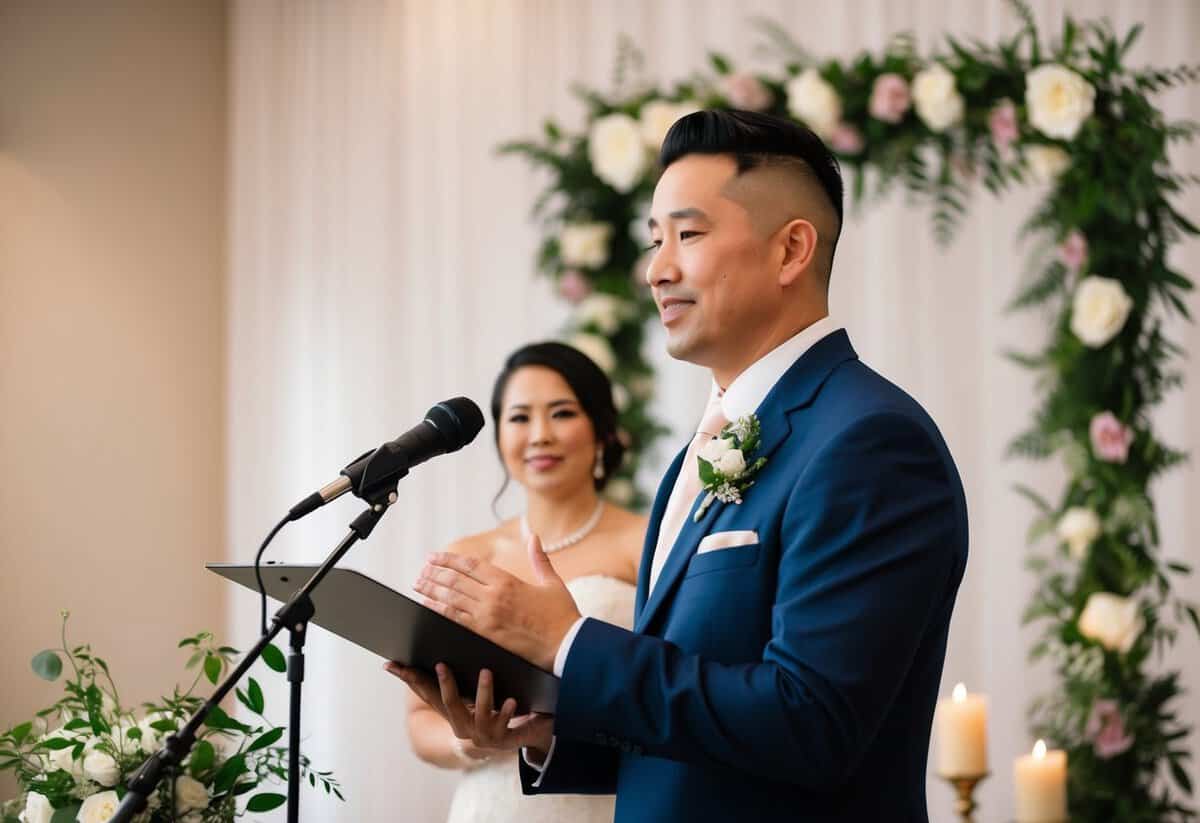
The officiant speech often includes heartfelt messages about love, commitment, and the couple’s journey together. It usually takes place after the processional and before the exchange of vows. A well-crafted message can create a beautiful, memorable moment for everyone involved, making it a key element of the ceremony.
If you’re curious about what to expect from the officiant’s speech or how to write one, you’re in the right place. Understanding this aspect can help you appreciate the role of the wedding officiant in making your day special.
The Role of the Officiant
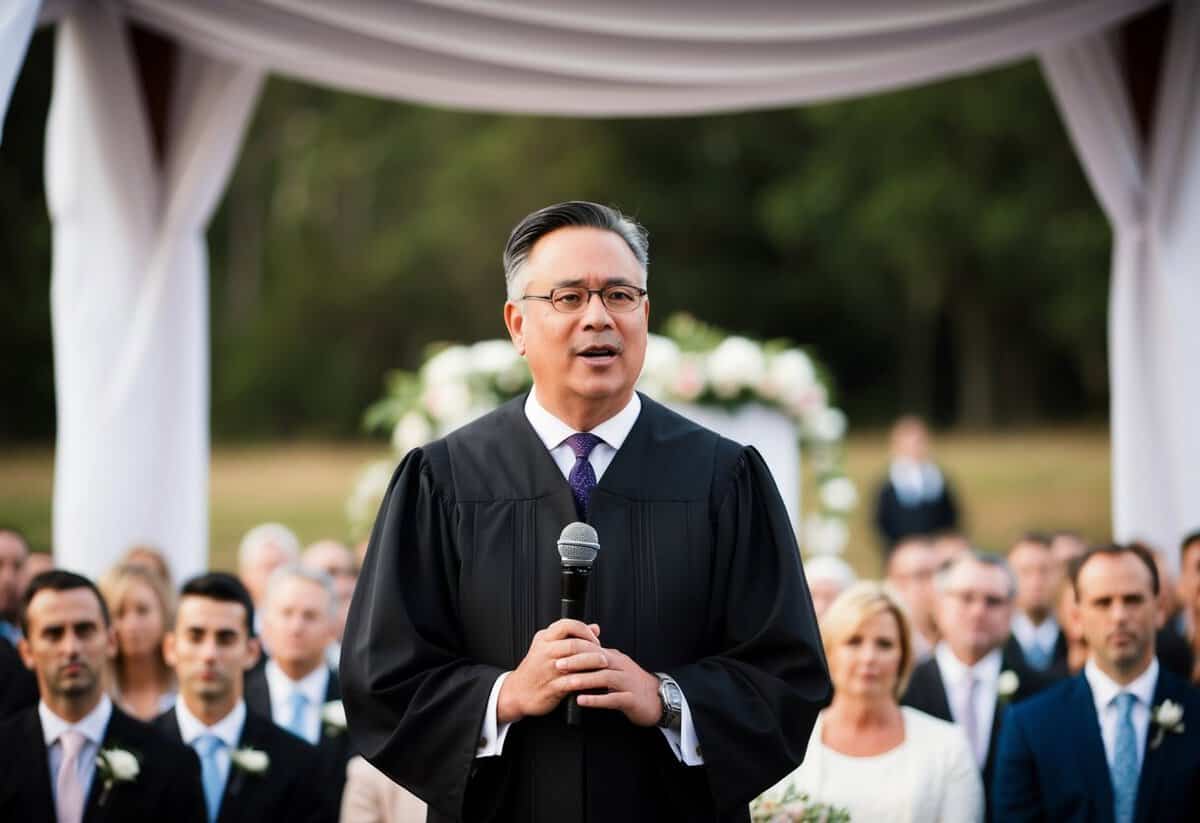
The officiant plays a vital role in making your wedding ceremony meaningful and memorable. They are responsible for guiding the ceremony and ensuring everything flows smoothly, so you can focus on your special day.
Understanding the Officiant’s Responsibilities
As the officiant, their primary responsibility is to lead the ceremony. This includes welcoming guests and introducing themselves. They often begin with opening remarks to set the tone for the occasion.
Another key part of their role is delivering the invocation. This is typically a short speech that asks for blessings for the couple and the marriage. The officiant will also oversee the exchange of vows and rings, ensuring both you and your partner stay on track.
By creating a personalized wedding ceremony script, the officiant helps reflect your unique love story. This combination of roles makes them essential in making your day special.
Officiant’s Place in the Ceremony Timeline
The officiant’s presence is crucial from the start of your ceremony. They are typically the first person to speak, welcoming everyone gathered to celebrate.
After the opening remarks, they’ll lead into the invocation, setting a heartfelt tone. You can expect them to guide you through the vows next, prompting you to express your love and commitment.
As the ceremony progresses, they will ensure that the ring exchange goes smoothly. At the end, the officiant formally pronounces you married, which is one of the most exciting moments of the day. Their role connects every part of the ceremony, making it a seamless experience for you and your guests.
Crafting the Officiant Speech
Creating a heartfelt officiant speech is essential to setting the right tone for the wedding. Key elements include personal anecdotes and incorporating the couple’s love story to engage and touch everyone present.
Elements of a Meaningful Speech
Start with a warm introduction. Greet the guests and explain your role in the ceremony. This sets a friendly atmosphere.
Include personal anecdotes. Share your connection with the couple. A story about a special moment you shared can draw everyone in.
Make sure to address the significance of marriage. You can include quotes or poems that reflect love and commitment. A thoughtful message can resonate with guests.
Conclude with a heartfelt message. This wraps up your speech nicely. Encourage the couple and guests to celebrate love, making them feel part of the joyful occasion.
Incorporating the Couple’s Love Story
Their love story is what makes the ceremony special. Start with how they met or a charming detail about their relationship. This gives guests insight into their connection.
Highlight the couple’s unique traits. Mention what makes their relationship special. This could be shared interests, values, or simply how they support each other.
Consider using humor where appropriate. Light jokes about their experiences together can make your speech relatable and enjoyable.
Finally, invite the couple to share their vows. This moment allows them to express their love directly. It connects the audience, making the ceremony even more memorable.
The Ceremony Components
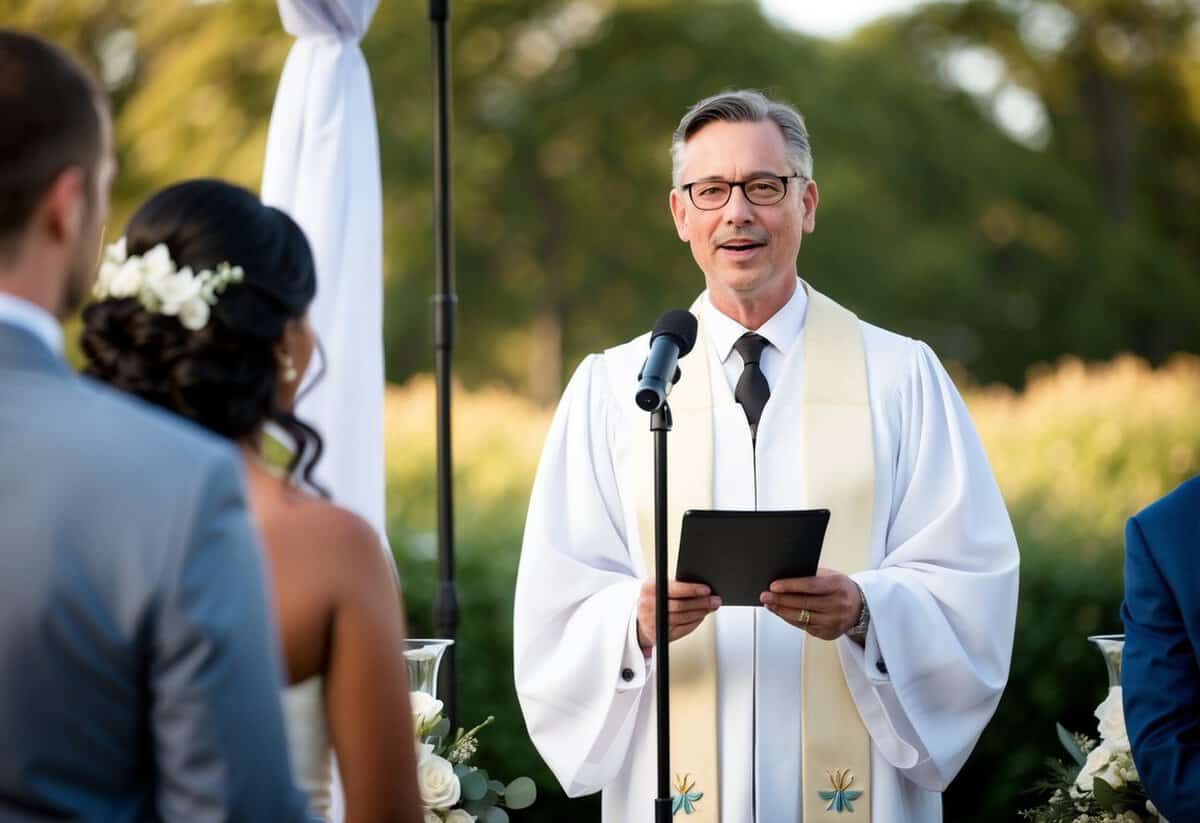
A wedding ceremony is made up of various key parts that create a meaningful experience. Each component plays an essential role in celebrating the couple’s love and commitment. Here are some important elements you will encounter during a typical wedding ceremony.
Sequence of Events
-
Processional: This is when the wedding party walks down the aisle. It starts the ceremony and sets the mood for the event.
-
Invocation: The officiant often opens the ceremony with words of welcome, blessing, and support.
-
Exchange of Vows: Here, the couple shares their promises to one another, affirming their love.
-
Ring Exchange: The couple gives each other rings as a symbol of their commitment.
-
Pronouncement of Marriage: The officiant officially declares the couple as married.
-
Blessing: This is a moment for the officiant to bless the couple as they begin their journey together.
-
Recessional: The married couple walks down the aisle together, marking the end of the ceremony.
Sample Wedding Ceremony Scripts
A well-crafted wedding ceremony script helps the officiant guide the event smoothly. Here’s a simple example:
-
Welcome Statement: “Welcome family and friends to this joyous occasion!”
-
Invocation: “We gather today to celebrate the love between [Name] and [Name].”
-
Exchange of Vows: “Please share your vows with each other.”
-
Ring Exchange: “May these rings symbolize your unending love.”
-
Pronouncement: “By the power vested in me, I pronounce you married!”
Using a script can help the officiant maintain the flow and make the ceremony feel personal and special.
Final Considerations
When officiating a wedding, there are a few important things to keep in mind.
Handling Unexpected Situations: Weddings can be unpredictable. You should be prepared to handle any sudden changes, like weather issues or technical difficulties. Having a backup plan will help ensure everything runs smoothly.
Legal Requirements: Make sure you understand the legal requirements in your area. This might include obtaining a marriage license or following specific laws about officiating. It’s best to check these details well in advance.
Signatures: After the ceremony, you’ll need to oversee the signing of the marriage license. Ensure that you and the couple sign it along with the witnesses at the right time. This step is crucial for legal recognition.
Unity Ceremony: If the couple has chosen a unity ceremony, like lighting a candle or mixing sand, be sure to include that in your speech. Explain its meaning to the audience to enhance the couple’s special moment.