
Does the Officiant Stay for Reception? Understanding Their Role in Your Celebration
When planning your wedding, you might wonder about the role of your officiant during the reception. The officiant typically does not stay for the entire reception, but it’s polite to invite them. Many officiants will join for a short time to congratulate you and share in the joy of your special day.
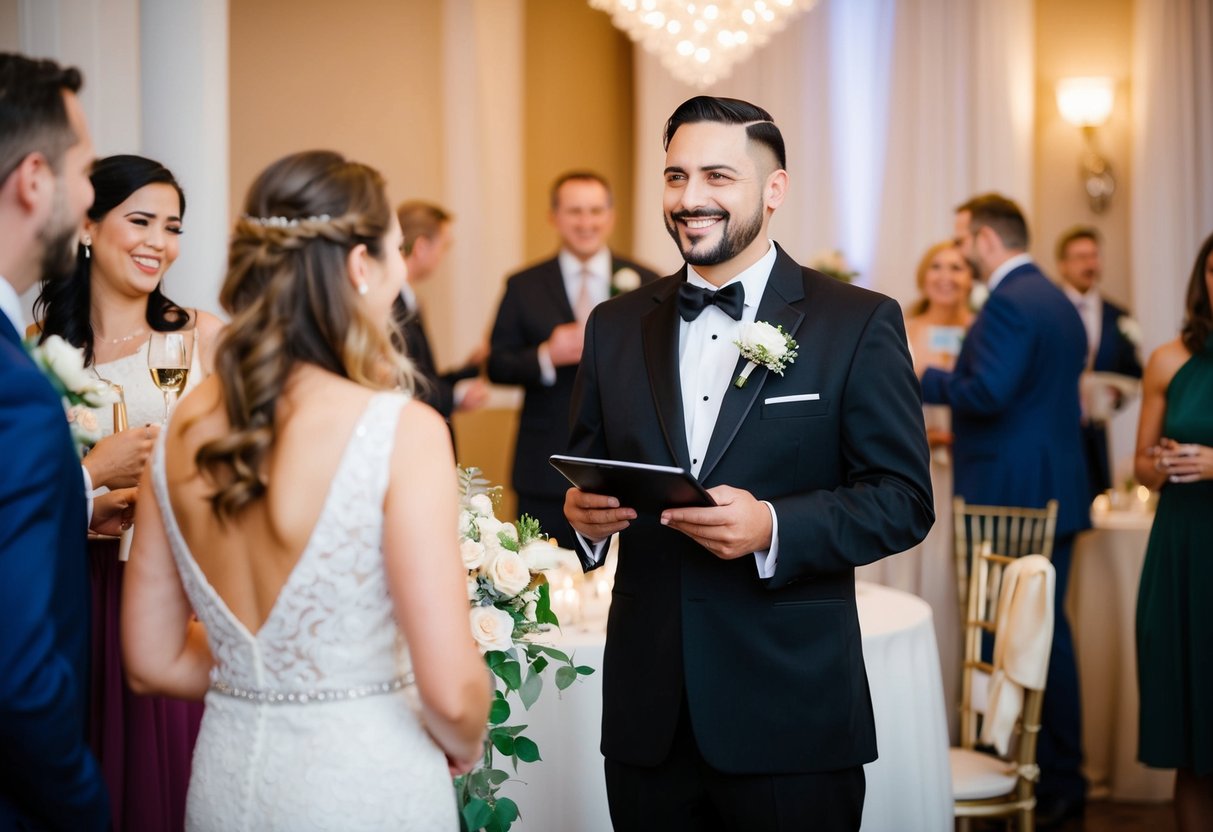
You may also face questions about where they should sit if they accept your invite. Often, they sit at a table with the bride and groom’s parents, which honors their role in your ceremony. Understanding these expectations can help you navigate your wedding planning smoothly.
While it’s common for officiants to decline the invitation or stay only briefly, inviting them is a nice touch that shows appreciation for their important role. Knowing what to expect can help you make the best choice for your celebration.
Role of the Officiant in Wedding Ceremonies
The officiant plays an essential role in your wedding ceremony. They guide you through the process, ensuring everything runs smoothly. From personalizing your vows to managing the flow of the event, their support is vital for your special day.
Duties During the Ceremony
During the ceremony, the officiant is responsible for several key tasks. First, they welcome your guests and introduce the event. This helps set the tone for the occasion and makes everyone feel included.
Next, they guide you and your partner through the vows. This is the heart of your ceremony, and the officiant ensures you understand each step. Whether they are a religious figure or a professional officiant, their words carry significant meaning.
Additionally, they pronounce you married, making it official. After this moment, they often lead the couple down the aisle, kicking off the celebration. Each step performed by the officiant adds a sense of structure to your ceremony.
Officiant’s Involvement in Rehearsals
Your wedding rehearsal is another important moment for the officiant. They help you practice the ceremony flow, reducing anxiety for you and your partner. It gives everyone a chance to understand their roles and what will happen on the big day.
The officiant will discuss the order of events and clarify any questions. This includes how to handle the vows, timing, and any special traditions or rituals you may want to incorporate.
If your officiant is a religious figure, they may also share insights related to the significance of various elements. A professional officiant will guide you with practical advice, ensuring everything feels comfortable and familiar.
These rehearsals create a smoother experience, allowing you to focus on each other during the ceremony without added stress.
Expectations for Post-Ceremony Events
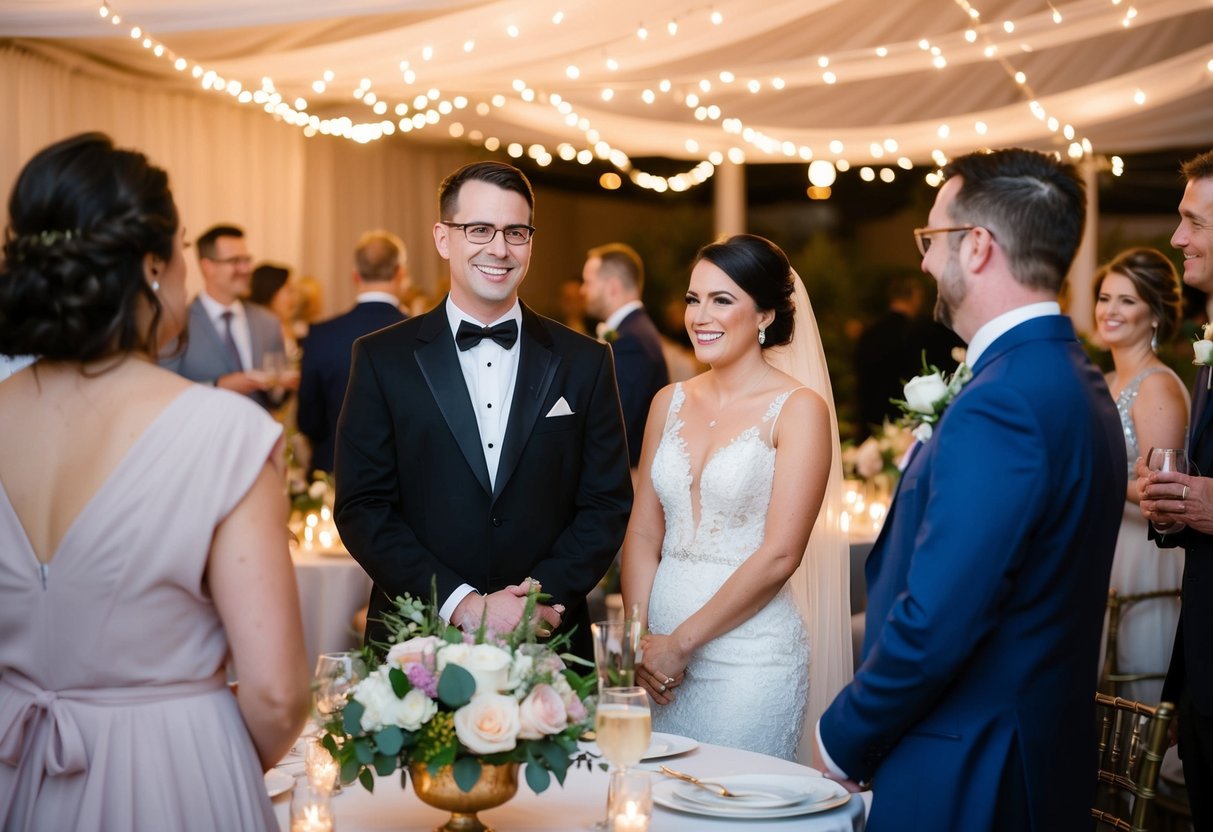
After the ceremony, there are various expectations regarding your officiant’s involvement in post-ceremony events. Understanding these can help you plan your wedding day smoothly and ensure everyone is comfortable.
Officiant at the Cocktail Hour
The cocktail hour is a time for guests to mingle before the reception dinner. You might wonder if your officiant should be there. It’s common for officiants to join this part of the celebration, especially if they are friends or family.
If you invite them, make sure they have a way to relax and enjoy themselves. This may include providing a meal or beverage. If your officiant is a hired professional, they might have other events to attend, so it’s polite to make it optional.
Reception Attendance Etiquette
When it comes to inviting your officiant to the reception, consider your relationship. If they are part of your friend group or family, including them in the guest list is a thoughtful gesture. Many couples feel comfortable inviting their officiant to stay for dinner as a sign of appreciation.
If you decide to invite them, clearly communicate your expectations. Ensure they understand they are welcome but not obligated to join. In many cases, officiants are accustomed to attending events like this, so they may appreciate the inclusion.
Participation in the Reception Dinner
If your officiant does stay for the reception dinner, think about their seating arrangement. It’s nice to seat them with other guests they know or at the head table if appropriate. This inclusion can foster a warm, inviting atmosphere.
Provide the officiant with dinner just like the other guests. This is standard wedding etiquette. Remember, they have played an important role in your special day, and treating them well reflects positively on you as the host.
Wedding Reception Guest List Dynamics
Planning your wedding reception involves careful thought about your guest list. This includes deciding who to invite, how many guests you can accommodate, and if you want to include your officiant.
Determining Guest Count and Seating
Begin by creating your wedding guest list. This list should include close friends, family, and anyone else important to you. Making this list will help you estimate your guest count.
Next, consider the venue. It has limits on how many guests can comfortably fit. You want everyone to enjoy themselves, so think about seating arrangements that allow for easy conversation and movement.
Once you have a rough count, look at your budget. Each guest adds to the overall cost. Be realistic about who you want at your ceremony and reception, keeping your finances in check.
Extended Invitations and Officiant
Deciding whether to invite your officiant depends on your relationship with them. If they are a friend or family member, it may feel natural to include them in the celebration.
However, many couples choose not to invite a professional officiant. This choice will depend on how formal you want your event to be. Offering a formal invitation to your officiant can sometimes be a nice gesture.
Think about your reception dynamics. You want a warm, friendly atmosphere. If you feel that including your officiant enhances that, go for it! Just remember, it’s perfectly fine if you choose to keep the guest list limited to friends and family.
Special Considerations for Different Types of Officiants
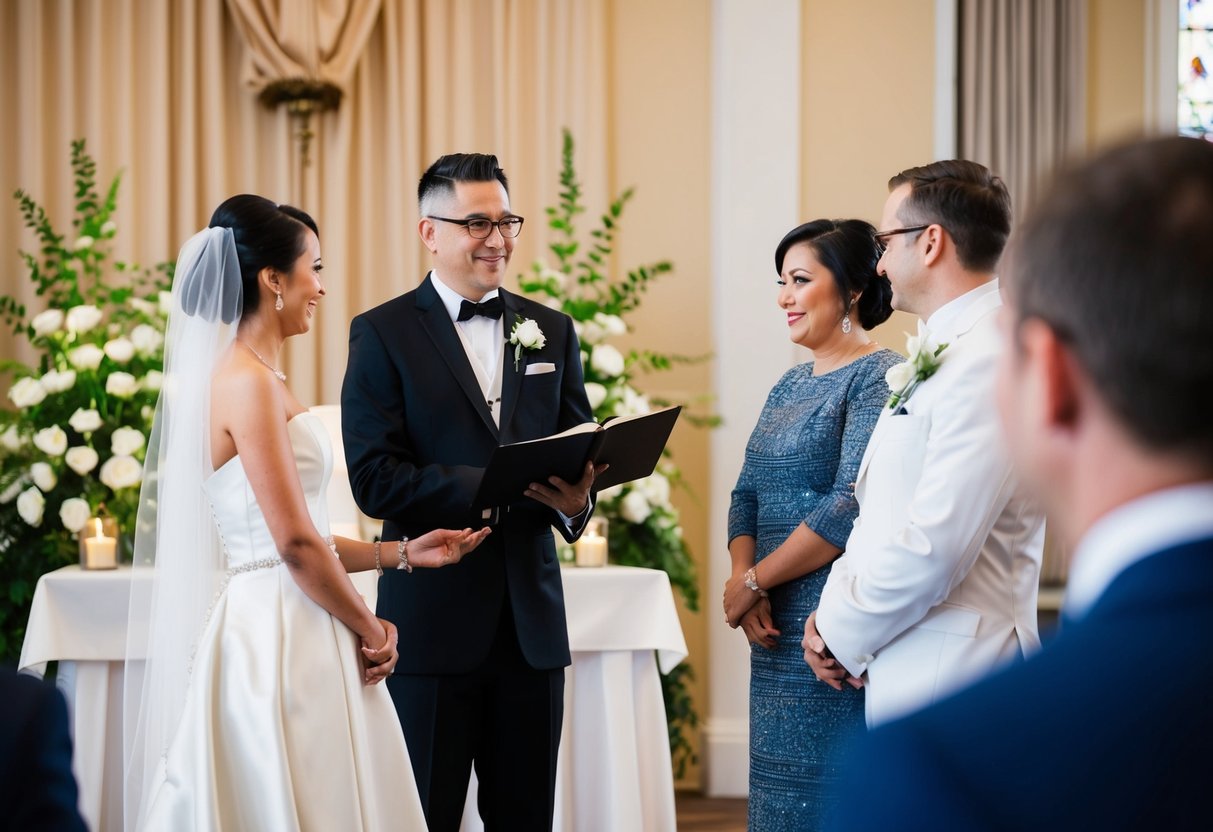
When planning your wedding, the type of officiant you choose can influence their role at the reception. Understanding how different officiants typically behave can help you decide whether to invite them to celebrate your big day.
Religious Officiants and Reception Traditions
For many couples, a religious officiant is an important part of their ceremony. These officiants often have traditional views on their role.
If your officiant is part of a religious community, they might prefer not to attend the reception. Some may view a reception as a secular event. If you want them to stay, consider discussing this beforehand.
Offering a meal and drinks can be a nice gesture if they choose to attend. Ensure you make appropriate seating arrangements, ideally at a family table. Respect their beliefs and preferences, which may guide their decision.
Modern Professional Officiants and Customary Practices
Modern professional officiants often have a more flexible approach to their roles. Many of them enjoy celebrating with couples after the ceremony.
If you hired a professional officiant, they are more likely to stay for the reception. This can create a friendly atmosphere and help build a connection with your guests.
Just like with religious officiants, offering a meal and drinks can show appreciation. You might also discuss their presence at the reception early on. Clear communication helps ensure everyone is on the same page about expectations.