
Does the Photographer Count as a Wedding Guest? Understanding Their Role on Your Special Day
When planning your wedding, you might wonder about many details, including who counts as a guest. The general rule is that wedding photographers do not count as guests on your list. While they spend the day capturing memories alongside your loved ones, they are there to provide a professional service rather than participate as guests.
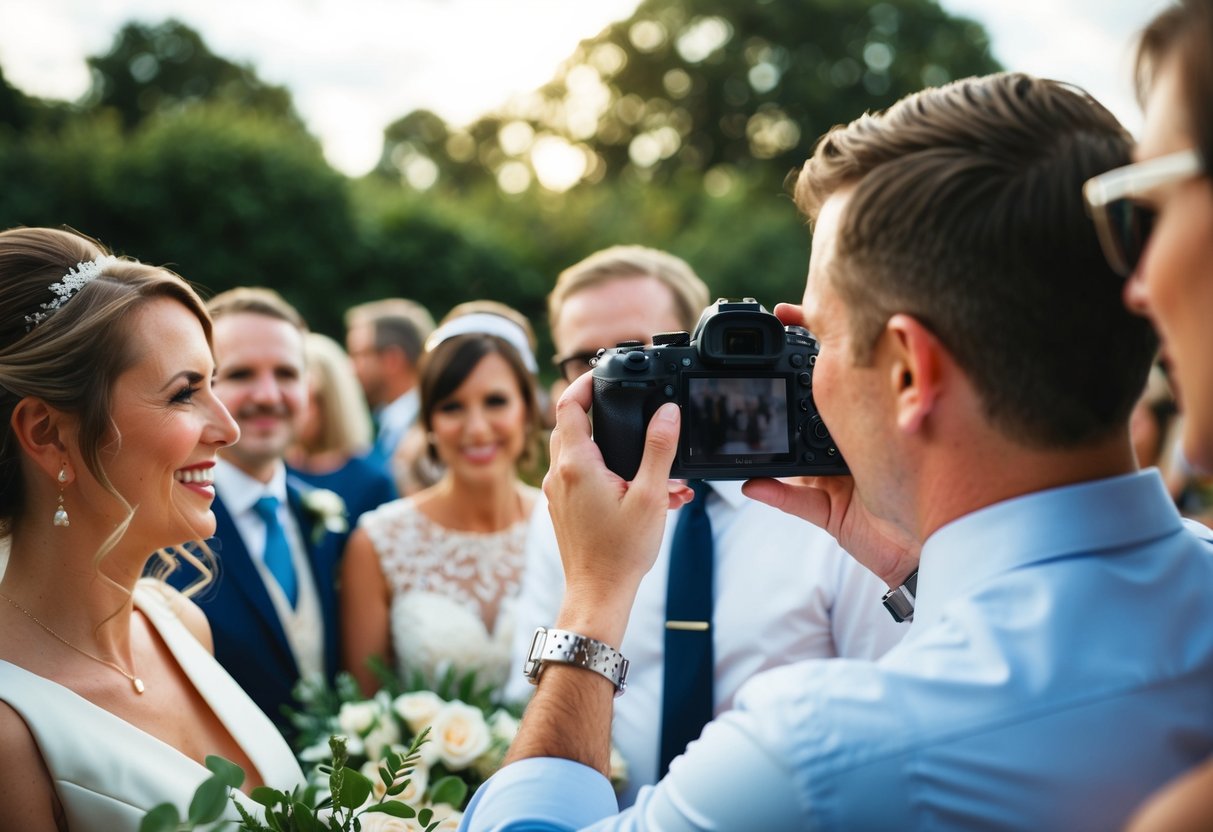
You’ll need to decide how to handle meals for your vendors, including the photographer. Many couples choose to provide meals for these professionals, even if they aren’t included in the official guest count. This not only keeps your photographer fueled for the day but also shows appreciation for their hard work.
Having clarity on who to include in your guest list can help with your seating arrangements and catering needs. By understanding the role of your photographer and other vendors, you can focus on enjoying your special day with the people who matter most.
Defining the Roles: Guests vs. Vendors
Understanding the difference between guests and vendors is essential when planning your wedding. Each group plays a unique role, impacting your guest count and overall event organization.
Vendor Responsibilities at Weddings
Wedding vendors, such as photographers, caterers, and DJs, have specific responsibilities that distinguish them from guests. They are hired to provide professional services on your big day. Photographers capture special moments, while caterers ensure delicious meals are served.
While these vendors often interact closely with you and your guests, they do not participate as attendees. Their meals may differ from those of your guests, as they work throughout the event. It’s wise to discuss meal arrangements, as many venues require you to include vendors in the final count for catering.
Understanding the Guest List
Your guest list is a crucial part of your wedding planning. It defines who will celebrate with you and affects various aspects, like seating arrangements and the amount of food needed.
Not every person present at your wedding qualifies as a guest. Vendors like photographers and coordinators count as part of the vendor team, but they are not included in your traditional guest list. You should keep a separate headcount for them, as they generally do consume meals. Clarifying these roles helps ensure your count is accurate for catering and seating arrangements while making your wedding run smoothly.
Impact on Wedding Planning and Budgeting

Understanding how to count your photographer becomes essential in managing your wedding budget. Knowing whether to include them as a guest can affect meal allocations and total expenses.
Managing the Wedding Budget
When planning your wedding, your budget is key. Typically, catering costs are a major part of this budget. You should carefully consider how many people you will be feeding. This includes both guests and vendors.
If you count your photographer as a guest, you’ll need to add their meal to your budget. For many couples, every dollar counts. So it’s best to clarify this early. If you exclude your photographer from the meal total, you’re also freeing up a little room in your budget for unexpected costs.
Allocating Meals and Gratuities for Vendors
Vendor meals are another important detail. While you plan your guest list, remember vendors still need to eat. Caterers often require a separate meal count.
You should discuss meal arrangements with your caterer ahead of time. Vendors typically receive basic meals that might not match your guest offerings.
Additionally, don’t forget about gratuities. It’s polite to tip your photographer, along with any other vendors. Consider setting aside about 15-20% of their fee for this purpose. By planning for these expenses, you maintain a smoother budgeting process for your big day.
The Photographer’s Role on Your Big Day
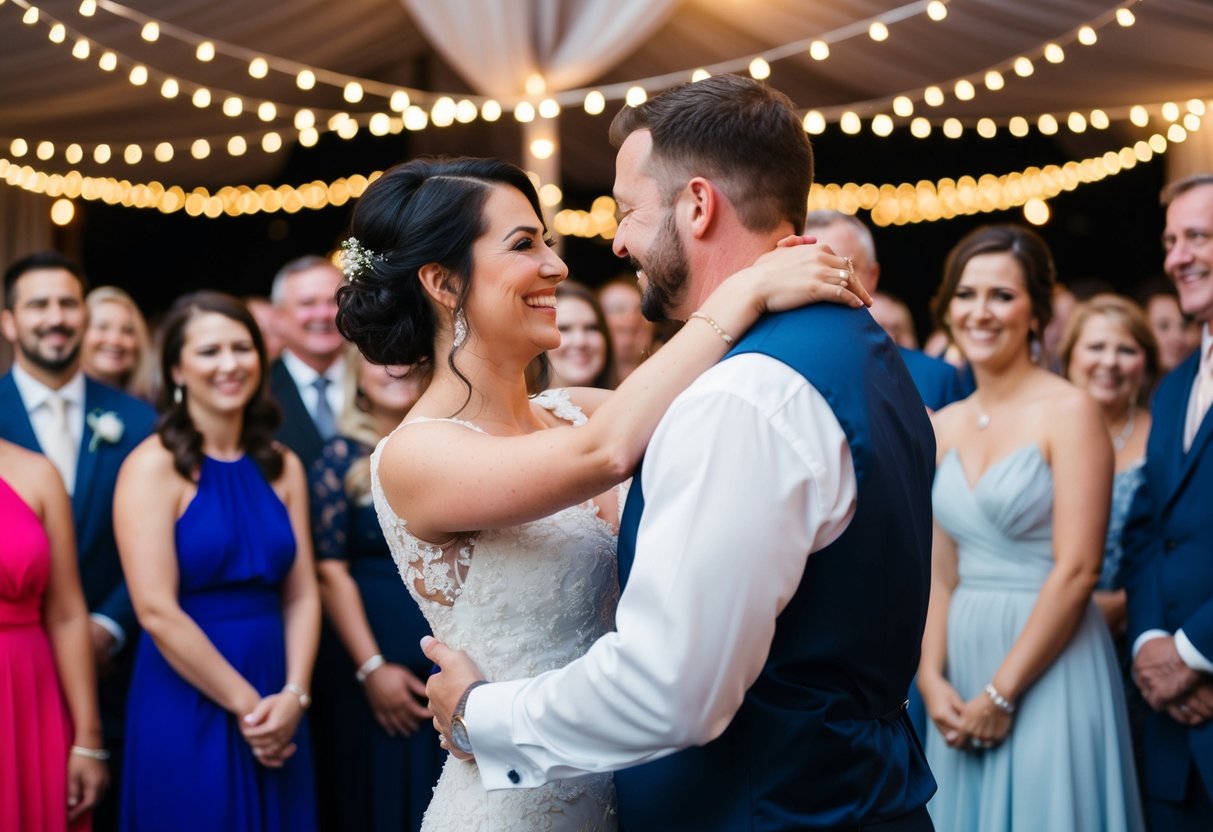
Your wedding photographer plays a crucial part in capturing the special moments of your day. They document every detail, ensuring the memories last a lifetime. Let’s look at how they cover the essential aspects of your celebration.
Wedding Day Details Through a Lens
Your wedding day is filled with unique details that reflect your personality and style. A skilled wedding photographer focuses on these moments, from the intricate lace on your dress to the floral arrangements.
They capture candid shots of your guests enjoying themselves and the emotional moments shared between you and your loved ones. These photographs create a story that highlights the love and joy of your special day.
By choosing a photographer who understands your vision, you can ensure that all the important details are documented beautifully. Having a clear list of must-have shots can help them focus on what matters most to you.
Extended Coverage and Expectations
Sometimes, the best moments happen beyond the ceremony and reception. That’s where extended coverage comes in. If you want to capture every part of the day, such as getting ready or the send-off, discuss this with your photographer.
Extended coverage often means more hours of shooting, allowing for a deeper narrative of your wedding day. Expect to pay more for this service, but many couples find it worth the investment.
Communicating your needs and expectations is key. This includes specific events you want to be covered, like speeches or dancing. A thorough understanding leads to stunning photographs that accurately depict your celebration.
Event Size and Its Impact on Services
Choosing the right size for your wedding can deeply affect your planning process and the services you will need. Understanding how to size your event based on your vision is key.
Sizing Your Wedding to Fit Your Vision
When planning your wedding, start by deciding on the atmosphere you want. A small wedding can create an intimate setting with close friends and family. Inviting only your immediate family and a few friends often makes for a cozy celebration.
On the other hand, a medium wedding allows for more guests while still feeling personal. This setup might include extended family and a wider circle of friends.
If you aim for a large wedding, prepare for a vibrant atmosphere with 150 guests or more. This size works well for those wanting a lively celebration with plenty of entertainment and options. Each size brings different planning needs, especially for services like catering and venue selection.
Determining the Final Headcount
Your final headcount is critical for planning. This count includes everyone attending, from guests to vendors like photographers, DJs, and coordinators.
Start by listing your average wedding size, considering your space and budget. Factor in your wedding party and any other essential individuals.
Remember that a small gather is easier to manage but might limit your options for vendors and venues.
Conversely, a larger guest list can provide more opportunities for fun but comes with higher costs and logistics.
Getting this number right helps ensure your wedding runs smoothly and meets your vision.