
Does the Wedding Officiant Walk Down the Aisle? Exploring Their Role in the Ceremony
When planning your wedding, you might wonder about the role of the wedding officiant, especially regarding their position during the ceremony. The wedding officiant typically walks down the aisle to mark the beginning of the ceremony. This can vary based on personal preferences or traditions, but many couples choose to have the officiant enter before the wedding party.
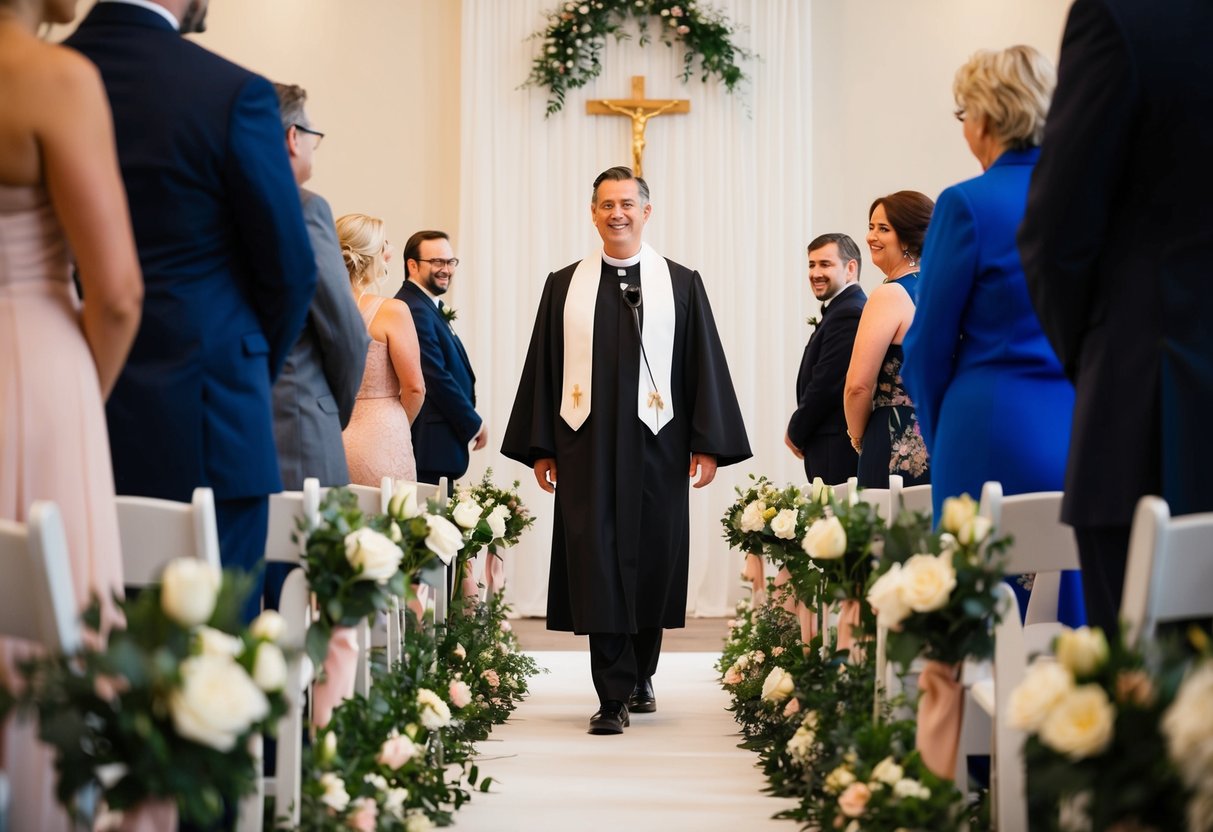
As you set the scene for your special day, consider how the officiant’s entrance can build anticipation for your own. Whether they walk down the main aisle or appear from the side, their presence adds an important touch to the overall atmosphere. Understanding this part of the wedding ceremony helps you create an experience that feels meaningful to you and your guests.
Roles and Responsibilities in Wedding Ceremonies
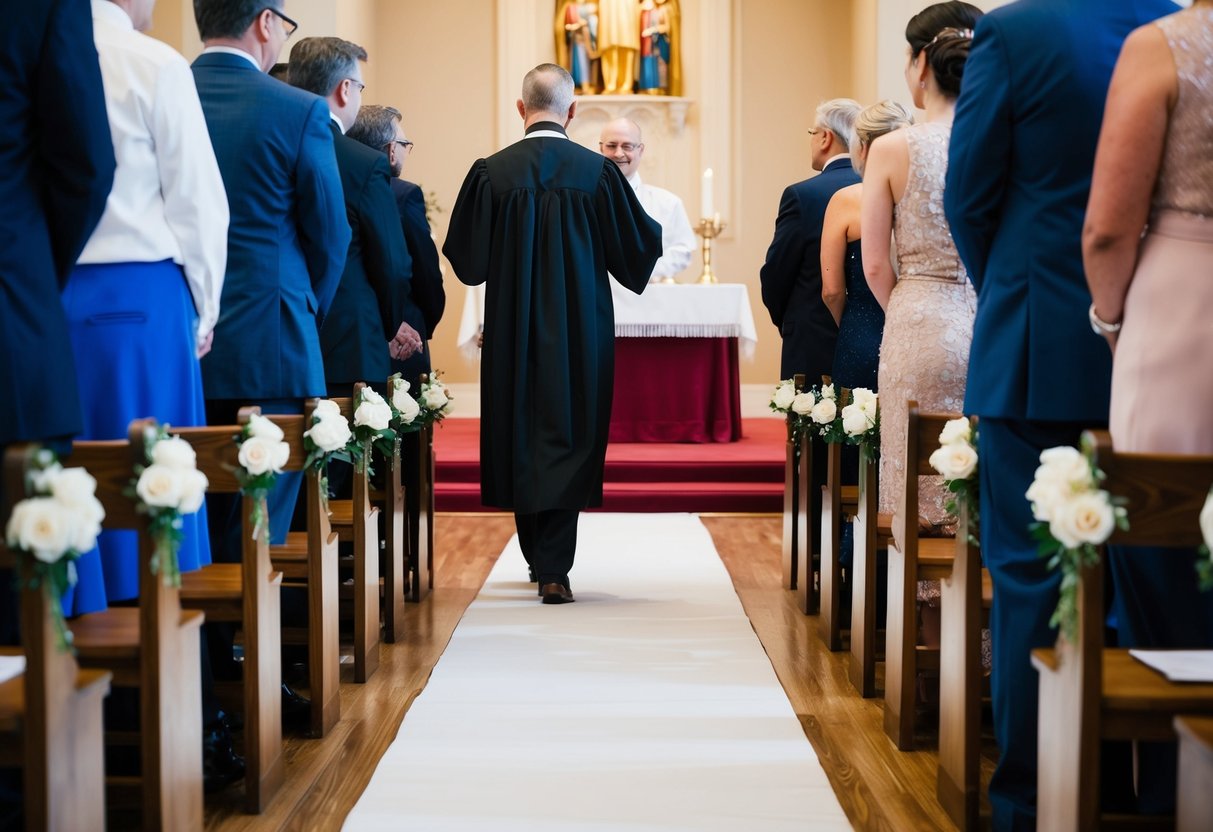
In a wedding ceremony, several key roles work together to create a memorable experience. Understanding these roles can help you prepare for the big day.
Wedding Officiant’s Duties
The wedding officiant has a vital role. They guide the couple through the ceremony and lead the vows. This person can be a religious leader, a friend, or a licensed officiant.
As the ceremony starts, the officiant may walk down the aisle first or enter from the side. After greeting guests, they help set the tone for the ceremony. They also pronounce the couple married, which is a significant moment in the event.
The officiant should be familiar with the couple’s story to personalize the ceremony. Their words should reflect the love and commitment shared by the couple.
The Bridal Party’s Formation
The bridal party plays a major role in the ceremony. This group typically includes the maid of honor, bridesmaids, best man, and groomsmen.
During the processional, they walk in an established order. Usually, groomsmen enter first, followed by bridesmaids. The maid of honor walks right before the bride, who is last to walk down the aisle.
Having flower girls and ring bearers adds charm. Flower girls scatter petals, while ring bearers carry the rings. Clear communication about the order helps everyone know when to step forward.
Parents and Grandparents’ Participation
Parents and grandparents hold important roles in the ceremony. Traditionally, they may escort the bride or be seated in prominent spots.
The parents of the bride often walk her down the aisle. If the bride chooses, a parent can take on this role instead. Grandparents may also be honored by being seated at the front row.
Their participation adds emotional weight to the ceremony. It symbolizes family love and support. Remember to include all family members in your plans to ensure everyone feels special on your big day.
Understanding the Wedding Processional Order
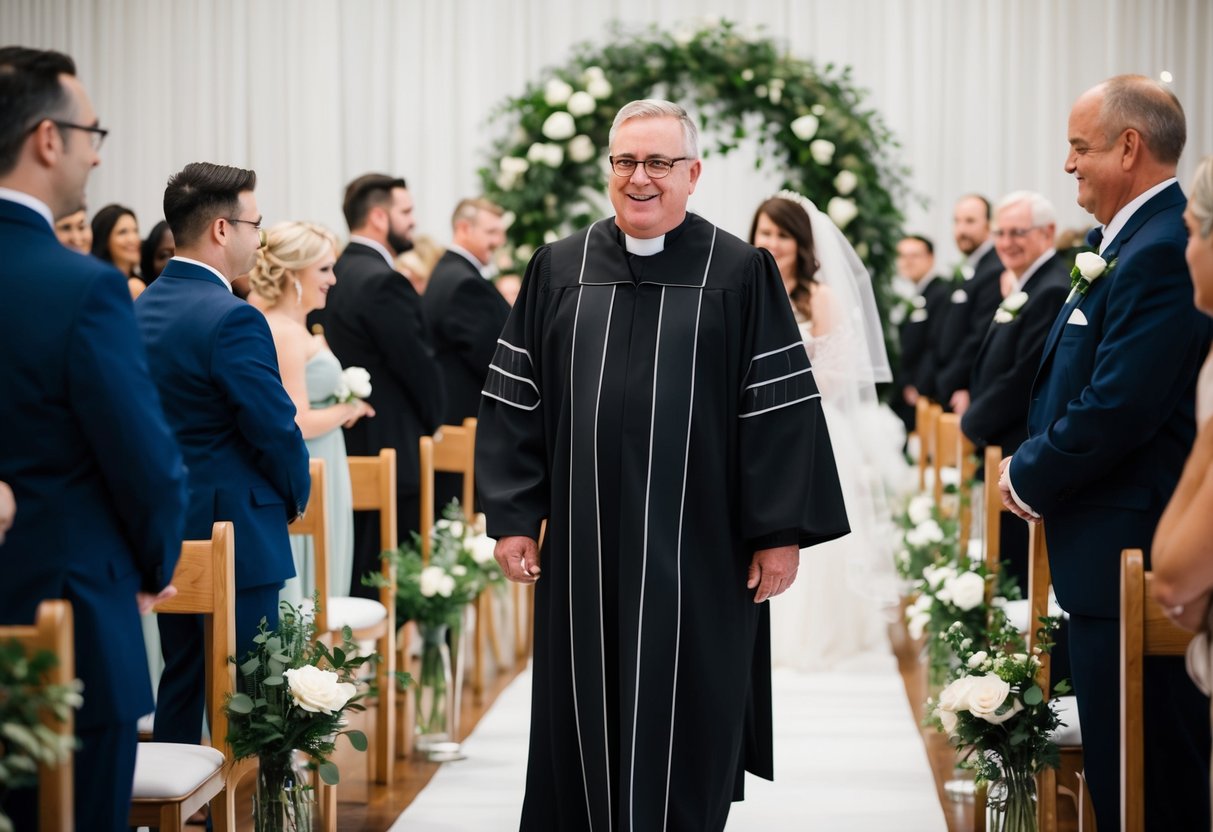
The wedding processional order refers to the specific way people walk down the aisle during the ceremony. This order can vary across cultures and religions. Understanding the details can help you plan a smooth and meaningful event.
Traditional Christian Processional
In a traditional Christian wedding processional, the order typically starts with the officiant walking down the aisle first. Next comes the groom, followed by the groomsmen. The bridesmaids usually enter next, paired with the groomsmen. The last person to appear is the bride, often escorted by a parent or guardian.
This setup emphasizes the bride’s entrance as the highlight of the ceremony. The music choice is also important; it often signals the beginning of the procession. Common songs include “Here Comes the Bride” or other classical pieces.
Jewish Wedding Processional Customs
In Jewish traditions, the processional is known as the “Kabbalat Panim.” It starts with the rabbi walking down the aisle. Often, the groom enters next, followed by his parents, who take their seats in the front row. The bride typically makes her grand entrance last.
A unique element is the circling ritual. The bride may circle the groom seven times before they stand together under the chuppah. This symbolizes binding their lives together. Traditional music often accompanies the procession, adding to the emotional atmosphere.
Hindu Wedding Procession Details
Hindu weddings feature rich traditions in their processional order. The groom often arrives on a horse or in a decorated car, accompanied by friends and family, known as the “Baraat.” This lively procession involves music, dancing, and celebration.
Once at the venue, the groom waits at the entrance while the bride is brought out. The bride’s entrance is marked by rituals that honor her family. She may walk in with her parents, symbolizing her transition to her new life. The focus is on creating a joyous and festive environment.
Nondenominational Processional Considerations
For nondenominational ceremonies, flexibility in the processional order is key. You can personalize it according to your preferences and beliefs. Typically, the officiant walks in first, followed by the couple or their family members.
You might choose to have both partners walk down together or include children in the procession. Unique elements like pet attendants or family members can also be added. Music plays a significant role in nondenominational weddings, allowing you to choose songs that reflect your style and values.
This approach offers a chance to make the ceremony truly yours, creating a memorable occasion for everyone involved.
Specific Roles in the Aisle Walk
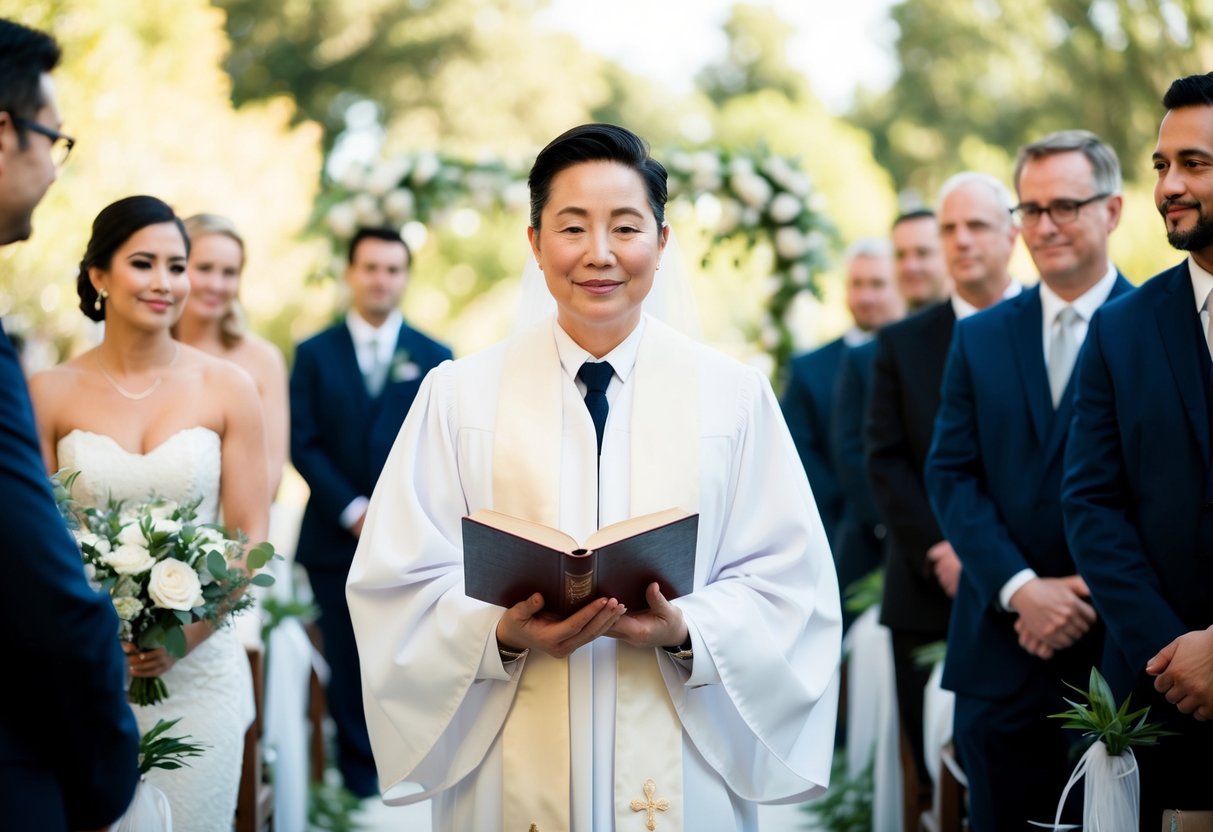
When it comes to the wedding processional, each participant has a specific role that adds to the overall experience. Understanding these roles can help you plan a meaningful and organized entrance for everyone involved.
Groom and Best Man’s Entrance
The processional usually starts with the groom and his best man. They typically enter first, setting the tone for the ceremony. The groom stands at the altar, waiting for his bride. It’s a moment filled with anticipation, so the best man plays a supportive role.
In some ceremonies, the groom may walk down the aisle from the side instead of the back. This choice varies based on personal preference and venue setup. No matter the route, having the best man by his side reinforces the bond of friendship that is essential on this big day.
Bridesmaids and Groomsmen Pairing
Next, the bridesmaids and groomsmen pair up as they walk down the aisle together. This pairing creates a lovely balance and highlights the unity of the bridal party. Typically, the bridesmaids walk first, led by the maid of honor, followed by the groomsmen.
You might choose different attire for the bridesmaids and groomsmen to enhance the visual appeal. Selecting matching flowers or accessories can unify their look. This step adds a pleasant touch to the overall atmosphere of the ceremony.
Special Roles for Children
Children can play special roles in the wedding procession, creating charming moments. The flower girl usually walks down the aisle before the bride, scattering petals along the way. It’s an adorable sight that often delights guests.
The ring bearer follows, typically holding the wedding rings on a pillow. This child often walks down the aisle with a confident stride, adding innocence to the ceremony. Both roles should be kept age-appropriate to ensure they feel comfortable and excited during their walk.
The Bride’s Grand Entrance
Finally comes the bride’s grand entrance. Traditionally, the father of the bride walks her down the aisle. This moment is filled with significance, celebrating the transition from her family to her new life with the groom.
Some brides choose to include a different family member or loved one instead of their father. Others may walk down the aisle unaccompanied. The highlight is the joy and emotion that this entrance brings, marking the beginning of the couple’s new journey together.
Ceremony Venues and Layouts
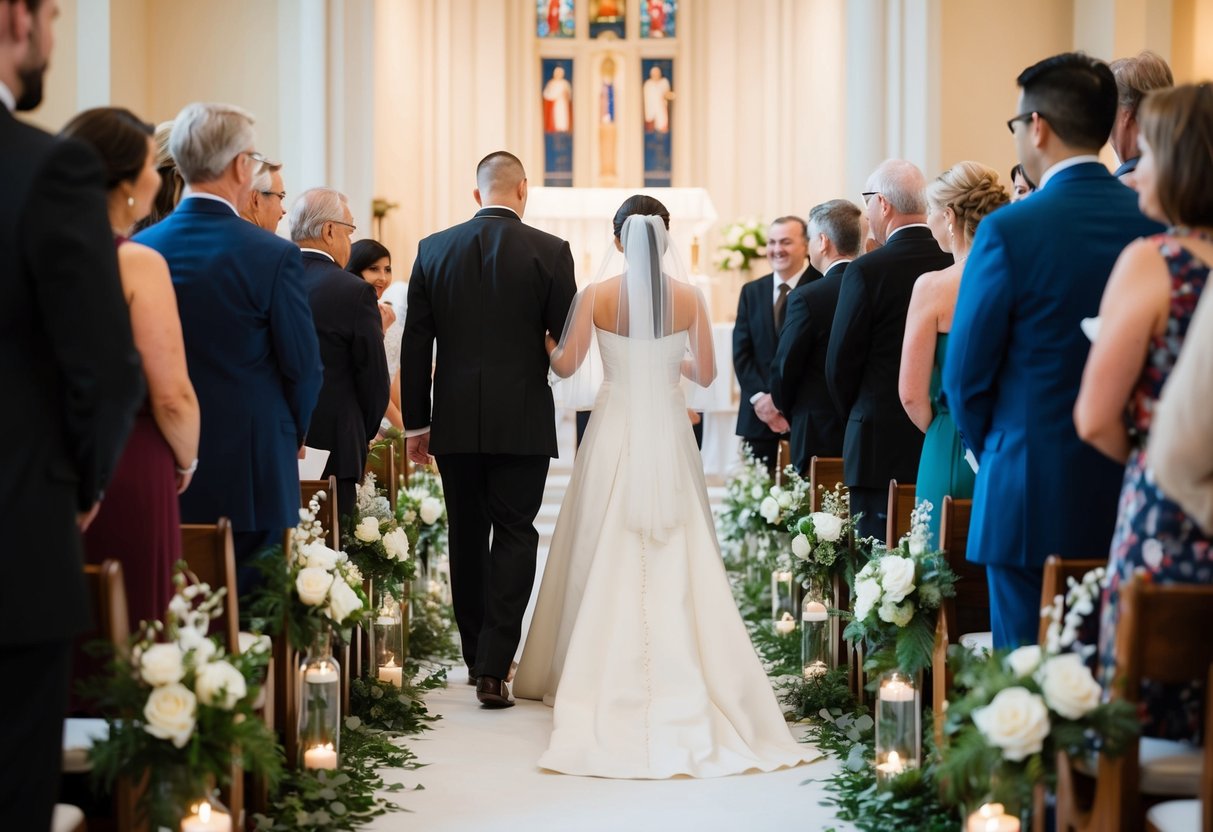
When planning your wedding, selecting the right ceremony venue and arranging the space are crucial. It’s important to consider how these elements will affect the procession, including the roles of the officiant and traditions involved.
Choosing the Right Ceremony Venue
Choosing the right venue sets the tone for your wedding. Think about your style and how the venue reflects it. Popular options include traditional churches, outdoor gardens, and intimate halls.
Considerations:
- Capacity: Ensure the venue fits your guest list.
- Accessibility: Look for easy access for everyone, including elderly guests.
- Ambiance: Decide if you want a casual or formal vibe. Outdoor venues may need a backup plan for inclement weather.
In some traditions, like a Jewish wedding, the officiant may stand under a chuppah, while in Hindu weddings, they might be near a mandap.
Arrangement of Ceremony Space
The arrangement of your ceremony space is essential for flow and comfort. The traditional layout often includes an aisle that leads to the altar.
Here are some common arrangements:
- Traditional Layout: Guests sit facing the altar, allowing for a straightforward procession and grand entrance.
- Circular Layout: This is great for intimacy, where all guests get a close view of the couple.
The officiant normally leads the ceremony. In a Catholic wedding processional order, the officiant, along with the altar servers, typically enter first, followed by the wedding party. Think about sight lines for all guests to ensure everyone can see.
Cultural Venue Considerations
Different cultures have specific traditions that may affect venue choice and layout. For example, a baraat is often part of a Hindu wedding, where the groom arrives in a festive procession. This requires ample space for guests to celebrate.
In Jewish ceremonies, you may want a venue with enough room for the chuppah and the guests to witness the rituals closely. Make sure your venue aligns with these important cultural elements.
Your choice of venue and layout shapes the experience for you, your partner, and your guests.