
Does the Wedding Party Have to Sit Together? Understanding Seating Etiquette
When planning your wedding, many questions come to mind, especially about the wedding party. The wedding party doesn’t have to sit together, but it often makes things easier and more enjoyable for everyone. You might want to consider the dynamics of your group and what will make your guests feel most comfortable during the reception.
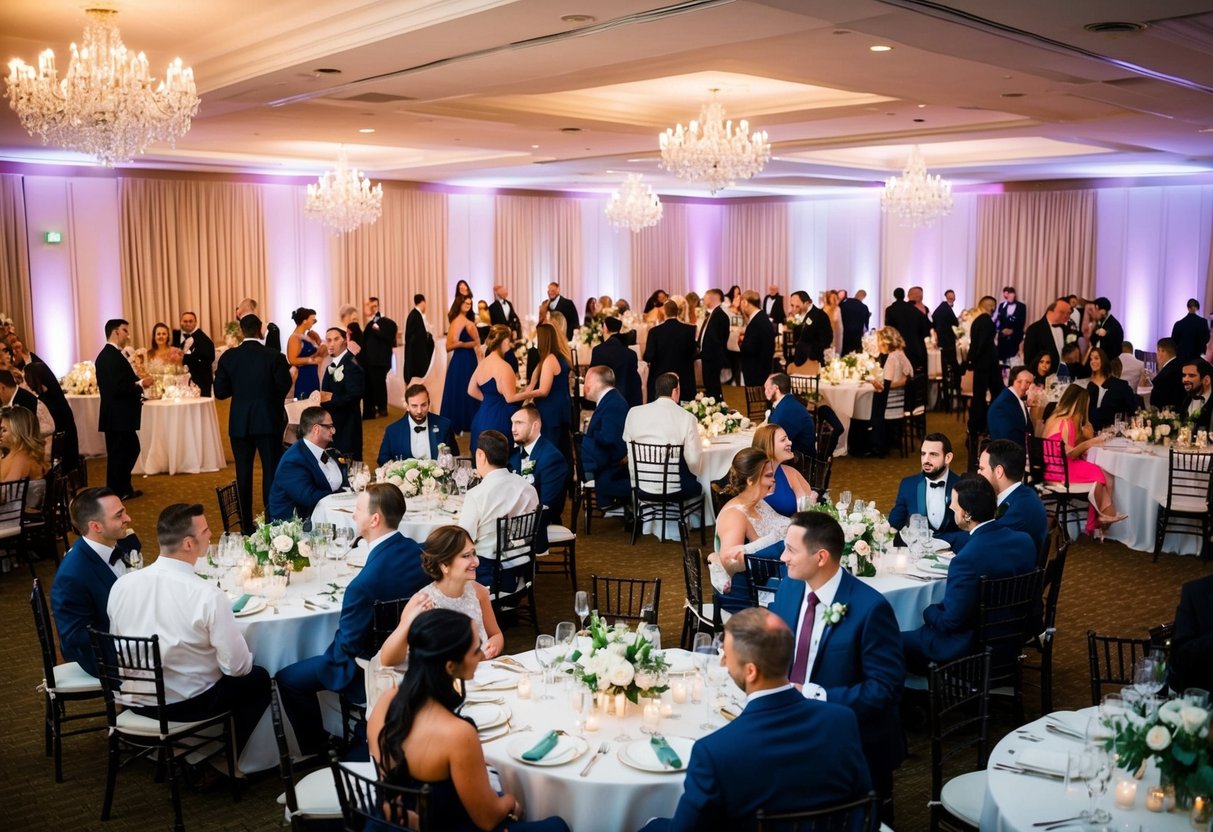
Creating a seating arrangement can be a challenge, but it’s also an opportunity to personalize your event. You might choose to let your wedding party sit at a separate table with their plus-ones, or you could keep them close at the head table. Think about how you want the atmosphere to feel and how your guests will interact with one another.
As you think through your options, remember that there’s no one right way to do it. By keeping your wedding party’s comfort in mind, you can create a seating plan that enhances the celebration for everyone involved.
Seating Arrangement Basics
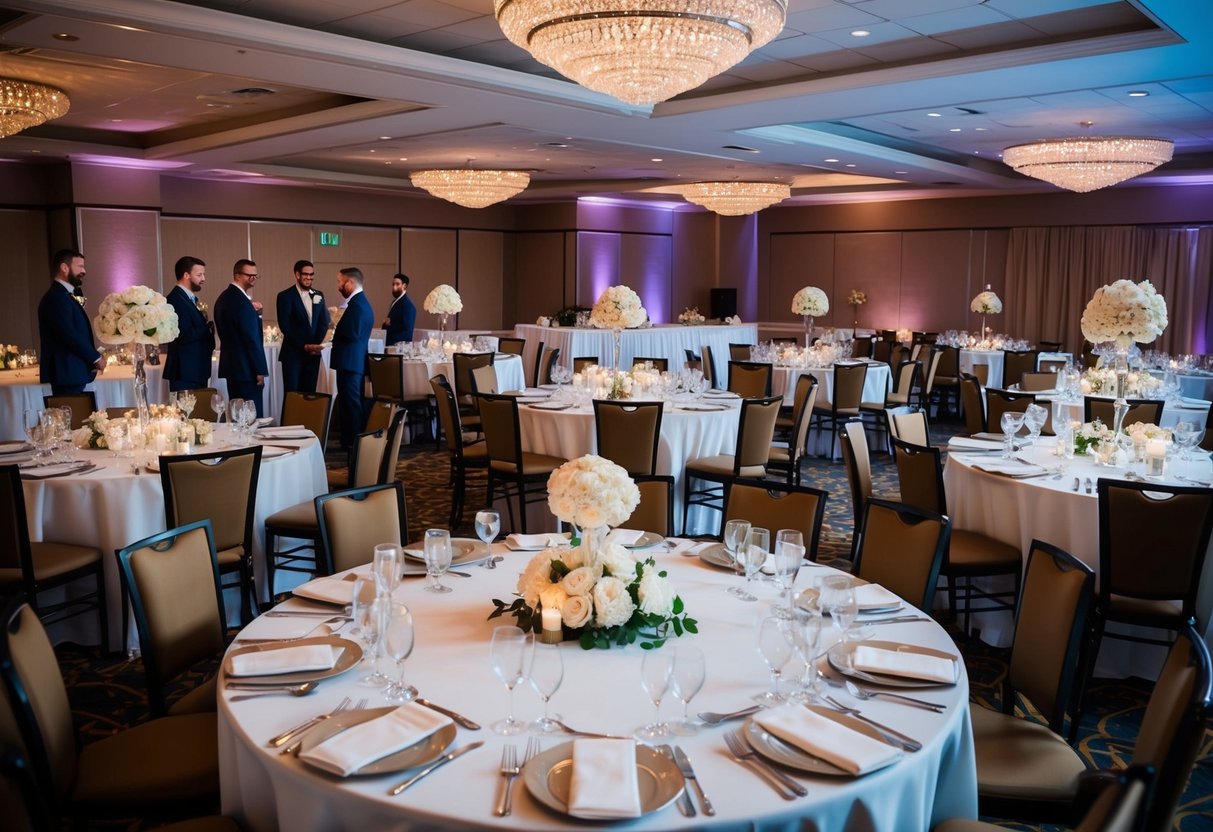
Getting the seating arrangement right is essential to a smooth wedding. It helps ensure that your guests feel comfortable and enjoy the event. Understanding the different types of seating approaches can make it easier to assign seats and create a pleasant atmosphere.
Understanding Seating Arrangements
Seating arrangements can greatly impact the mood of your wedding. You have choices between assigned seating and open seating.
Assigned seating ensures that each guest knows where to sit, which can reduce confusion. This method works well if you have a large guest list or if there are particular dynamics to consider.
Open seating, on the other hand, allows guests to choose their seats. This can create a more relaxed vibe but may lead to some guests feeling isolated. Think about your guest list and what will work best for your wedding style.
Types of Seating Charts
There are several types of seating charts to consider for your wedding. A traditional seating chart lists guest names and their assigned tables. This can be placed at the entrance for easy access.
In a thematic seating chart, you might organize guests by groups, such as family, friends, or work colleagues. This can facilitate conversation among familiar faces.
Table layouts can also vary. You might have rectangular, round, or even a mix of tables. Each option changes how guests interact and may suit the overall theme of your reception.
The Role of the Wedding Planner
A wedding planner can simplify the process of setting up your seating arrangements. They can help create a comprehensive seating chart that considers your vision and any specific seating etiquette.
They often have tools and templates to visualize the layout, making adjustments easier as needed. Your planner can also help address sensitive issues like balancing family dynamics or seating people who might not get along.
Having professional insight can save you time and stress, ensuring that your wedding reception seating plan goes smoothly.
Wedding Party Seating Options
When planning your wedding reception, the way you arrange seating for your wedding party is important. You want to create a comfortable atmosphere while ensuring everyone enjoys the event. Here are some popular seating options for your wedding party.
Head Table Variations
The head table is often where you, as the couple, will sit during the reception. You can choose different variations for this table.
Options include:
-
Just the Couple: A simple and intimate choice.
-
With the Bridal Party: Include your bridesmaids and groomsmen for a festive feel.
-
Family Inclusion: Some couples opt to include immediate family members at the head table for support.
Remember, it’s all about your preferences. Tradition suggests the bride sits on the groom’s left, but feel free to mix it up. Personal touches can make your seating arrangement unique.
Bridesmaids and Groomsmen Seating
Seating your bridesmaids and groomsmen together is a tradition that many couples like.
Consider this setup:
-
Alternating Seats: A mix of bridesmaids and groomsmen promotes interaction.
-
Separate Tables: If space allows, you can set up their own table nearby for a more relaxed vibe.
-
With Partners: You might also decide to have them seated with their partners for comfort.
Choosing how to seat your wedding party can strengthen bonds and spark connections, making your day even more special.
Sweetheart Table Considerations
A sweetheart table is another option that provides intimacy. This table is just for you and your partner.
Benefits of a Sweetheart Table:
-
Focus on Each Other: It allows you to enjoy special moments together during the reception.
-
Closer to Guests: Positioning it at the front lets you engage with guests easily.
-
Personal Decor: You can customize it with decorations that reflect your style.
Keep in mind that while a sweetheart table feels private, you can still keep your wedding party nearby for support and camaraderie.
Family Tables Dynamics
Family tables can play a key role in your seating arrangement.
Things to consider:
-
Immediate Family: Arrange tables for your immediate family to maintain a sense of closeness.
-
Mixing Families: If families are intermingling, consider mixing the seating for better interaction.
-
Children’s Table: If you have young relatives, a dedicated table can keep them entertained.
Creating a welcoming environment at your family tables encourages connections between guests. Thoughtful seating arrangements can enhance the overall atmosphere of your wedding reception.
Seating Etiquette and Logistics
Planning your wedding seating can feel overwhelming, but getting it right makes a difference for you and your guests. By considering RSVPs, personal preferences, and reserved seating, you can create a comfortable and enjoyable environment for everyone.
Navigating RSVPs and Personal Preferences
Start by tracking RSVPs as they come in. This information helps you decide how to organize seating. Knowing who is attending allows you to group friends and family together.
It’s also important to consider personal preferences. Some guests may prefer to sit near certain people, while others may want to avoid someone. Making a note of these preferences helps reduce tension and makes your guests feel more comfortable during the reception.
Place Cards and Escort Cards
Using place cards and escort cards can streamline seating at your wedding. Place cards indicate where each guest should sit. They help prevent confusion on the big day. Escort cards guide guests to their assigned tables.
You can get creative with the design of these cards to match your wedding theme. Consider adding a personal touch by including a small note or a fun fact about each guest. This can spark conversations and create a warm atmosphere.
Handling Plus-Ones and Special Requests
If you allow plus-ones, be clear about your policy when sending out invitations. Make it clear how many guests each invitee can bring. This helps maintain control over your seating plan.
Be open to special requests as well. Some guests may have specific needs, such as dietary restrictions or accessibility requirements. By being accommodating, you ensure that everyone enjoys your special day. Make sure your seating chart reflects these considerations for a smooth and enjoyable reception.