
Does the Woman Buy the Man’s Wedding Ring? Exploring Modern Engagement Traditions
As you plan for your wedding, a common question arises: who buys the man’s wedding ring? Traditionally, the woman often buys the man’s wedding band, reflecting a shift in gender roles and modern values. This change highlights how couples today are redefining traditions to fit their personal beliefs and relationships.
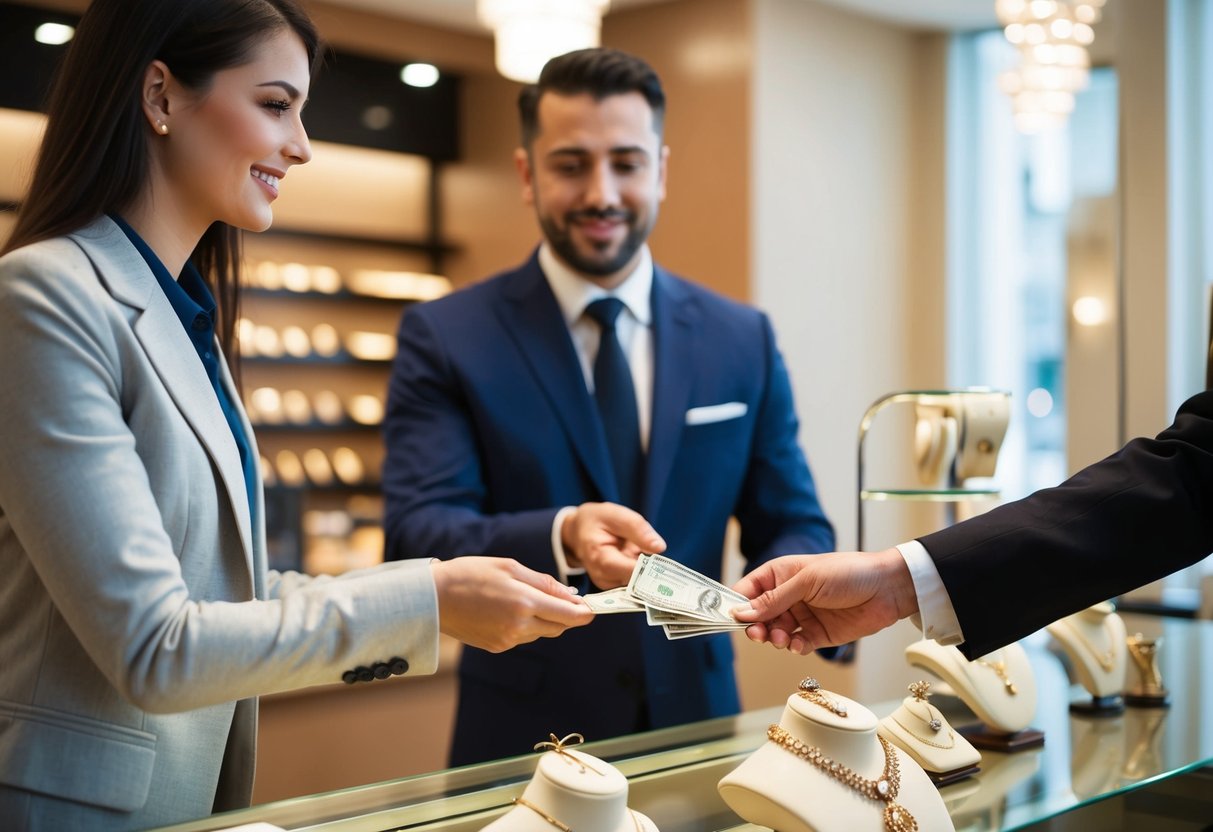
In the past, the man typically bought both the engagement and wedding rings. However, many couples now choose to make the purchase together or have the woman buy the man’s ring as a special gesture. This trend showcases a blending of old customs and new ideals, emphasizing partnership and equality in marriage.
Understanding the nuances behind this question can make your wedding planning more personal and enjoyable. Whether you lean towards traditional paths or embrace modern practices, what matters most is that you and your partner make the choice that feels right for you.
Traditions and Gender Roles in Wedding Ring Purchases
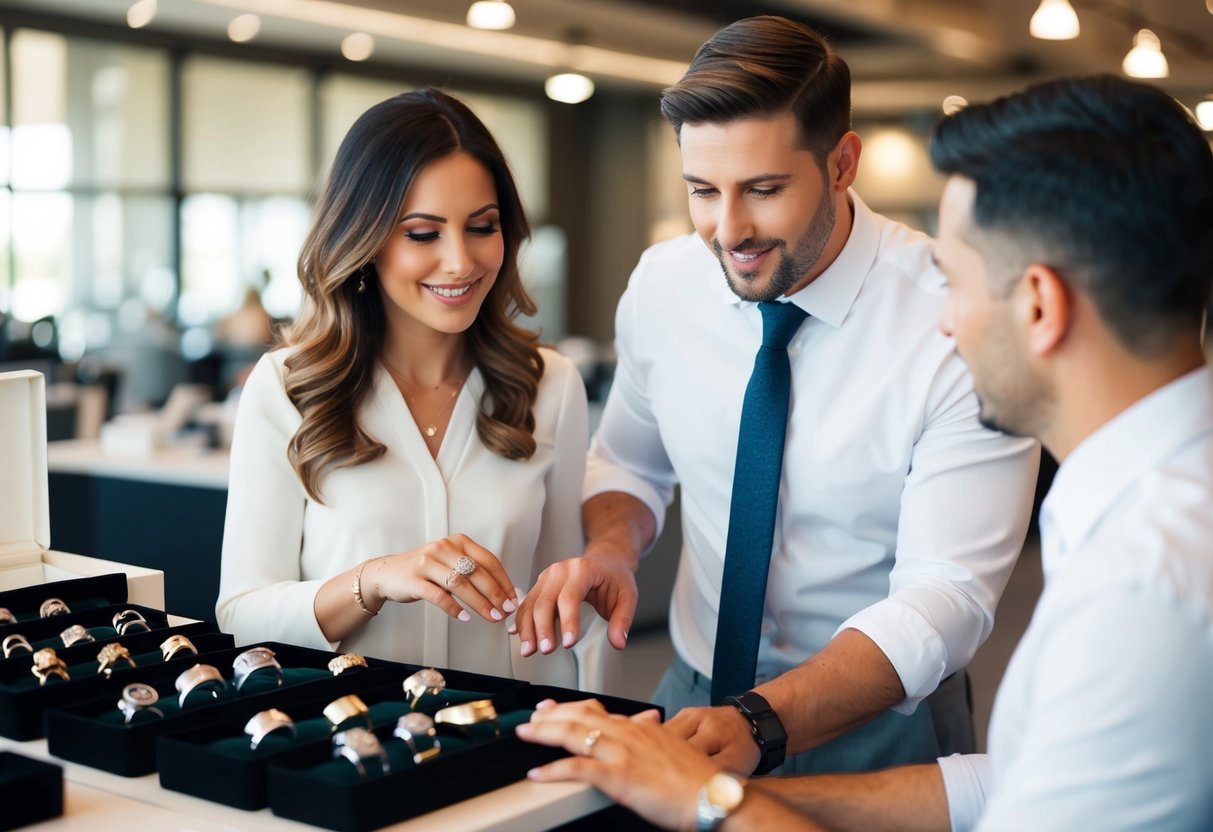
When it comes to who buys a man’s wedding ring, traditions and gender roles play a significant role. These customs have shifted over time, reflecting changing societal norms and expectations in relationships.
Historical Perspectives on Ring Exchanges
In the past, men typically bought both their own wedding rings and their partners’ engagement rings. This custom stemmed from traditional gender roles, where men were seen as the providers. The man’s wedding ring often served as a symbol of commitment and strength, representing his role in the partnership.
Historically, many societies expected women to wait for men to take the lead in buying rings. Purchasing a man’s wedding ring was largely unheard of, creating a strong association between assertive masculinity and the act of buying wedding rings.
Evolving Gender Norms and Responsibilities
Today, societal norms have transformed significantly. Many couples now share the responsibility of buying wedding rings, including the man’s ring. This change reflects a growing belief in equality within relationships.
Statistics show that about 30% of women choose to buy their partner’s wedding ring. This trend indicates a shift towards shared decision-making and financial responsibilities. Open communication between couples about who buys the rings allows for flexibility in your relationship.
Wedding ring etiquette now supports these evolving norms, encouraging couples to be clear about their preferences. By discussing together, you can decide what feels right for your partnership while respecting both traditional and modern practices.
Financial Aspects of Buying Wedding Rings
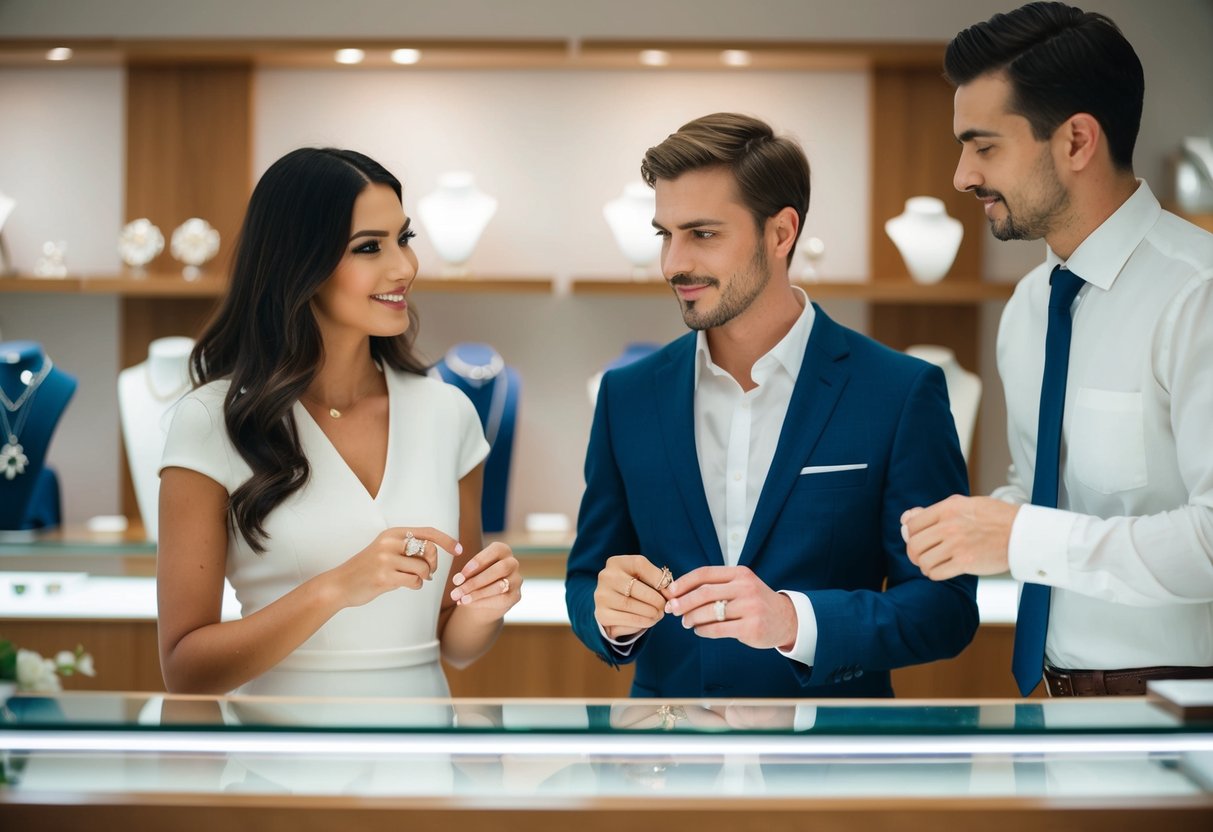
When it comes to buying wedding rings, it’s important to think about your preferences and budget. Understanding who pays for what can help you find a solution that works for both of you without adding stress to your wedding expenses.
Balancing Personal Preferences and Budget
Choosing wedding rings is exciting but can also impact your budget. You might have specific styles in mind, but it’s essential to align them with what you can afford.
Consider setting a budget that includes all wedding expenses, like venue, food, and rings. Communicate openly with your partner about preferences and financial limits. This balance ensures you both feel satisfied with the wedding bands you choose.
Take time to explore different options. Look at metals, styles, and prices before deciding. You might discover alternatives that fit your vision and budget. By doing this, you can create a meaningful experience without overspending.
Who Pays for What? Shared Responsibility in Modern Weddings
Traditionally, one partner may have been expected to buy the other’s ring. Today, many couples share the financial responsibility equally. This approach reflects modern values of equality and partnership.
You can consider splitting the cost of the rings or purchasing them together. Decide what works best for your financial situation and preferences.
Discuss any financial concerns you have to create a comfortable plan. Whether you choose to pay separately or together, make sure it’s a mutual decision. Being on the same page can help strengthen your relationship as you navigate these choices together.
Styles, Materials, and Custom Preferences
When selecting a wedding ring, many factors come into play. You’ll want to consider the material, your personal style, and how your ring matches with your partner’s. Each choice can make your ring special and meaningful.
Choosing the Right Material
The material of your wedding ring is crucial. Here are some popular options:
- Titanium: Lightweight and strong, titanium is perfect for an active lifestyle. It’s also resistant to scratches.
- Tungsten: This metal is incredibly durable and has a modern look. Tungsten rings come in various finishes, from matte to shiny.
- Platinum and Palladium: These precious metals offer a luxurious feel. They are hypoallergenic and have a beautiful shine, but they may come with a higher price tag.
- Stainless Steel: A more affordable option that is still strong and stylish, stainless steel can be a great choice for everyday wear.
Think about how these materials fit your lifestyle and taste.
Personal Style and Matching Rings
Personal style plays a big role in choosing a wedding ring. Consider what reflects your personality. Do you prefer classic designs, or are you drawn to something more modern?
Many couples opt for matching rings. This can create a sense of unity. However, it’s perfectly fine for each person to select a different style that suits them. Including unique elements, like custom engravings, can make your ring feel special.
Choosing the right combination of material and design allows you to express your love in a way that is uniquely yours.
Symbolism and Meaning of Wedding Bands
Wedding bands are more than just decorative pieces of jewelry. They carry deep meaning related to love, commitment, and unity. Understanding their significance can help you appreciate the thought behind this beautiful tradition.
When Rings Become More Than Jewelry
When you wear a wedding band, it symbolizes a lifelong commitment to your partner. This circular shape represents eternity, with no beginning or end. It serves as a constant reminder of the vows you exchanged on your wedding day.
Many couples choose their wedding bands together, making the decision personal and meaningful. The material and design often reflect your unique taste and shared values, symbolizing your journey together.
In some cultures, the man’s ring also represents his commitment, showing that love and loyalty are meant for both partners. Through the act of exchanging rings, you both affirm your dedication to one another, which enhances the beauty of your bond.
Egalitarian Approach to Symbolism in Rings
Today’s society values an egalitarian approach to wedding bands. This perspective ensures that both partners are equally valued in the commitment they make. It is not solely the woman’s job to buy the man’s wedding ring or vice versa.
Instead, the process can be a shared experience, where both partners contribute to choosing the rings. This not only emphasizes fairness but also deepens the bond you share.
With every glance at your wedding band, you can feel the connection and respect you have for one another. This meaningful gesture represents not just your love but also your commitment to support each other throughout your lives together.