
Flower Garden Wedding Venues: 2026 Planning Guide
Flower garden wedding venues give you a romantic setting with flowers, greenery, and built-in beauty for your ceremony and photographs. For most couples, a botanical garden or historic estate with both outdoor ceremony space and an indoor reception option is the strongest choice because it combines seasonal scenery with practical weather protection.
You can find a setting that suits a classic celebration, a small elopement, or a destination wedding. Compare the garden style, guest capacity, reception layout, vendor rules, package details, bloom timing, and travel needs before you reserve your date. Browse these garden wedding ideas for design inspiration, then contact your favorite venues to ask about available 2026 dates and tour times.
What Makes a Garden Setting Right for Your Wedding?
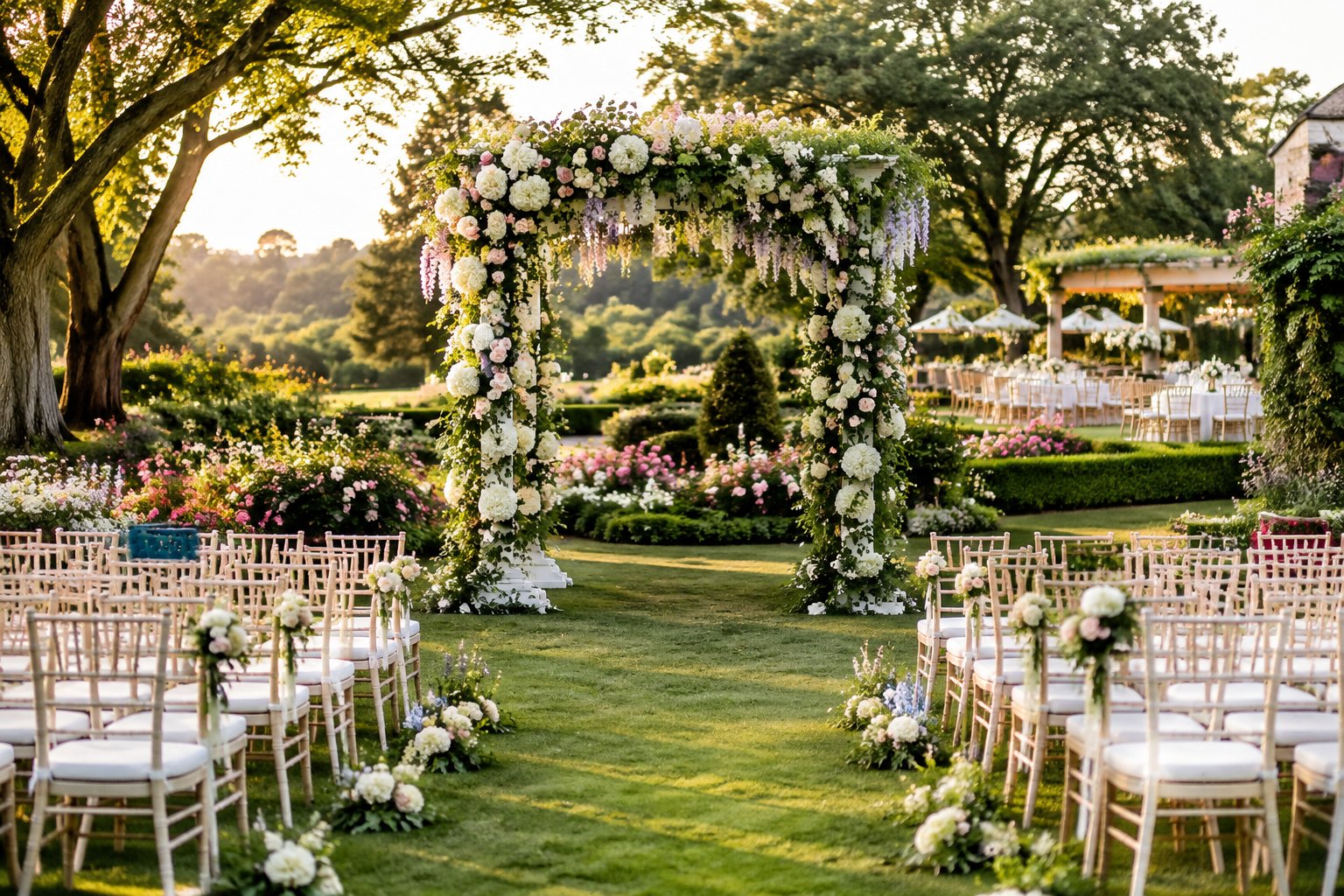
A garden setting fits your wedding when its landscape, guest capacity, reception plan, and weather options support the experience you want. Rose gardens create classic romance, formal gardens bring structure, Japanese gardens offer calm waterside scenery, and tropical gardens provide bold foliage with a distinctive sense of place.
Your choice also affects guest comfort, décor, photography, sound, and travel between spaces. Visit at the time of day you plan to marry so you can check shade, sunlight, walking paths, and nearby noise.
Choosing Between a Rose, Formal, Japanese, or Tropical Garden
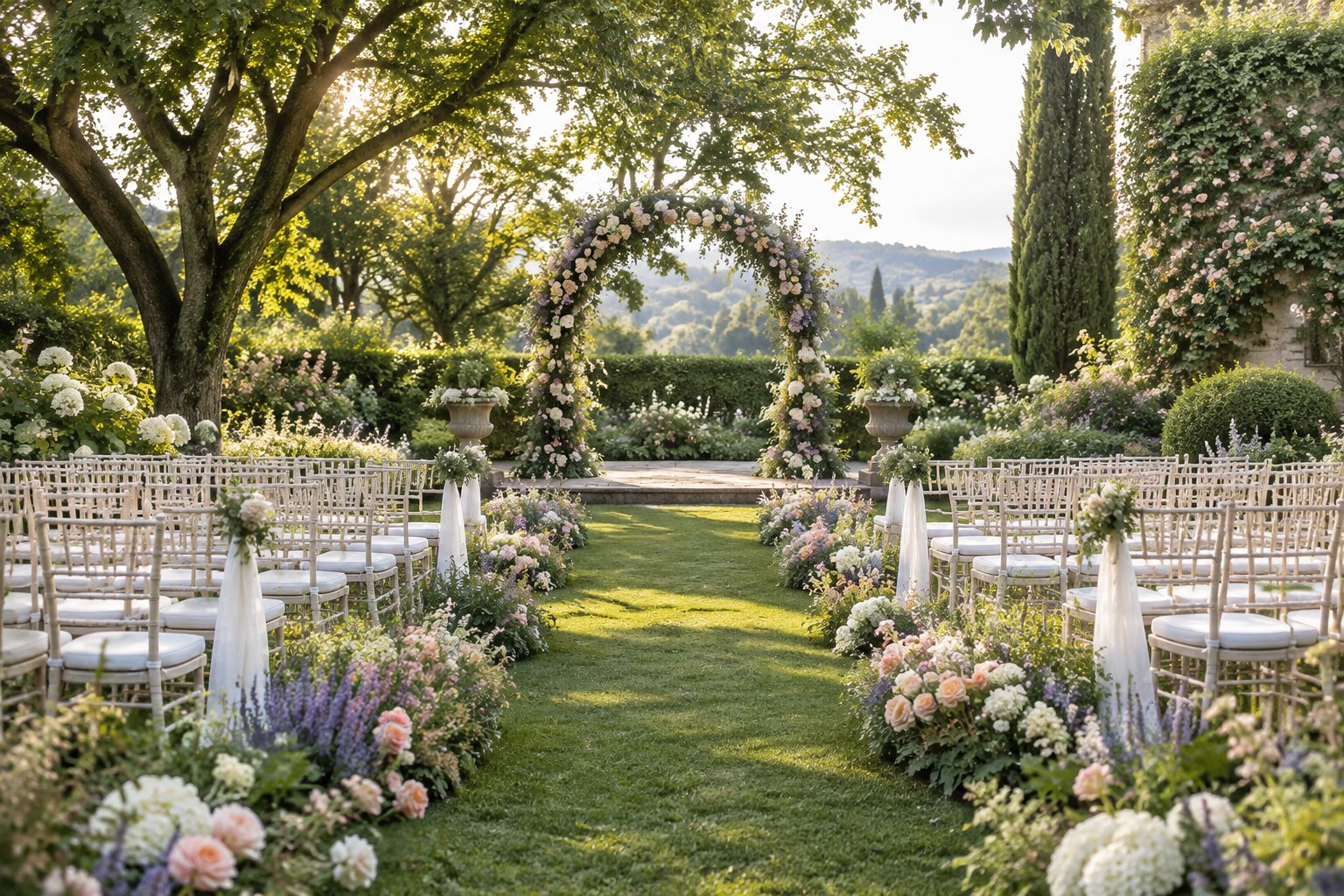
A rose garden suits a soft, romantic palette and classic attire. Ask about peak bloom dates, access near delicate flower beds, and restrictions on décor.
A formal garden gives you clipped hedges, symmetrical lawns, fountains, and broad paths. The structured landscape works well with elegant stationery, polished table settings, and a black-tie dress code.
A Japanese garden creates a quiet atmosphere with bridges, stones, lanterns, maples, and a koi pond. Keep floral designs low so the water, paths, and plantings remain visible. Check sound rules and guest movement near ponds.
A tropical garden surrounds you with palms, orchids, and large leaves. Shade, water stations, fans, sunscreen, and comfortable footwear help guests manage heat and uneven ground.
Matching the Ceremony Area to Your Guest Count
Start with the number of guests seated at the ceremony, then check space for an aisle, musicians, mobility routes, and an officiant. A lawn that looks spacious during a tour can feel tight once chairs, an arbor, and camera positions are added.
Ask for a site map with the ceremony area, restrooms, parking, cocktail space, and reception room marked. Paved paths help guests using wheelchairs, walkers, or dress shoes. Confirm whether chairs sit on grass, gravel, stone, or a temporary floor.
Planning an Intimate Wedding or Elopement Outdoors
Small celebrations work well beside a pond, beneath a wisteria arbor, inside a walled garden, or along a flowering path. With fewer guests, you can choose a secluded ceremony area and spend more time on personal vows, a relaxed meal, or guided garden access.
Ask whether the venue offers a private bridal suite, a short rental window, photographer access, and a rain option for your full group. For an elopement, confirm witness requirements, permits, music limits, and whether guests can join you for a meal afterward.
Standout Flower-Filled Venues Across the U.S.
The best U.S. flower-filled venues pair established landscapes with a clear event layout and reliable guest access. Your regional shortlist can include botanical gardens, historic estates, farms, conservatories, and desert landscapes, each with a different climate and travel profile.
Check ceremony capacity, reception hours, vendor rules, public access, parking, and indoor options before you fall in love with a particular garden.
Northeast Botanical Gardens and Historic Estates
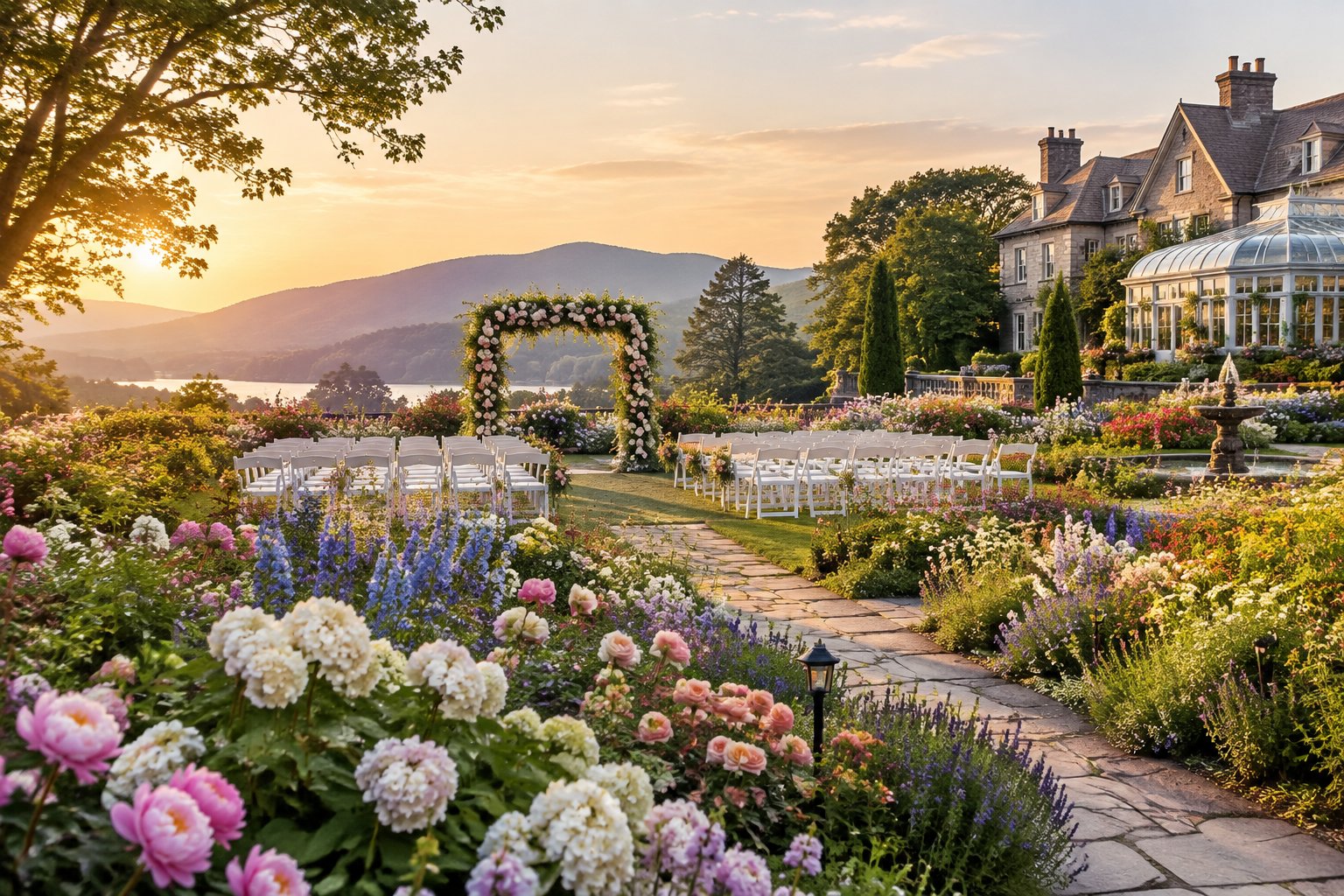
In Brooklyn, New York, Brooklyn Botanic Garden offers a city setting with landscaped garden spaces. The New York Botanical Garden in the Bronx provides expansive plant collections and formal event surroundings.
Massachusetts gives you options such as Tower Hill Botanic Garden, Mayfair House Hotel & Garden, Bella Luna Farms, and Planterra Conservatory. These properties serve different styles, from polished botanical celebrations to farm-inspired gatherings and greenhouse receptions.
Ask about private event hours, seasonal closures, guest access, and the distance between ceremony gardens and the reception room. Northeast weather also makes heating, tenting, and indoor transitions important parts of your venue review.
Southern Gardens, Farms, and Conservatories
Atlanta, Georgia, offers garden and historic options through Atlanta Botanical Garden and the Atlanta History Center. Cheekwood Estate & Gardens in Nashville, Tennessee, combines landscaped grounds with an estate atmosphere.
Southern properties often provide long growing seasons, mature trees, and warm-weather ceremony possibilities. Bella Luna Farms adds a more relaxed flower farm setting, while conservatories provide protection from rain and cooler evenings.
Review heat plans, shade, insect control, noise limits, and sunset timing. Historic properties can also limit candles, hanging décor, amplified music, and delivery access.
West Coast and Desert Landscapes
Japanese Friendship Garden in San Diego, California, suits an intimate celebration with carefully designed paths, water, and serene plantings. Franciscan Gardens brings historic character to a garden setting, while Golden Gate Park in San Francisco, California, offers access to a broad urban landscape.
Desert Botanical Garden in Phoenix, Arizona, creates a sculptural backdrop with cacti, agave, stone, and open desert views. Its climate calls for shaded seating, water stations, breathable attire, and a ceremony time that avoids intense afternoon heat.
Ask about wind exposure, parking, photography access, evening temperatures, and surface conditions for guests wearing formal shoes.
Midwest Conservatories and Formal Grounds
Chicago Botanic Garden in Illinois offers established gardens and varied event spaces. Franklin Park Conservatory and Botanical Gardens in Columbus, Ohio, combines indoor tropical plantings with outdoor gardens, including the Palm House and Celebration Garden.
These venues work well when you want lush surroundings with a protected option for rain or cooler weather. A conservatory also gives you greenery during seasons when outdoor flowers are limited.
Compare glass glare, ventilation, climate control, dance-floor placement, catering access, and the walking distance between spaces. Ask whether the venue supplies tables, chairs, lighting, and setup staff.
How to Compare Ceremony and Reception Spaces
Choose a venue whose ceremony, cocktail hour, and wedding reception connect through a clear, comfortable layout. A beautiful garden loses appeal when guests face long walks, confusing transitions, poor sound, or a reception room that cannot hold dining, dancing, and vendor equipment.
Review the full floor plan, walk each route, and ask how staff handle a room flip when the same space serves more than one purpose.
Outdoor Gardens vs. Greenhouses and Conservatories
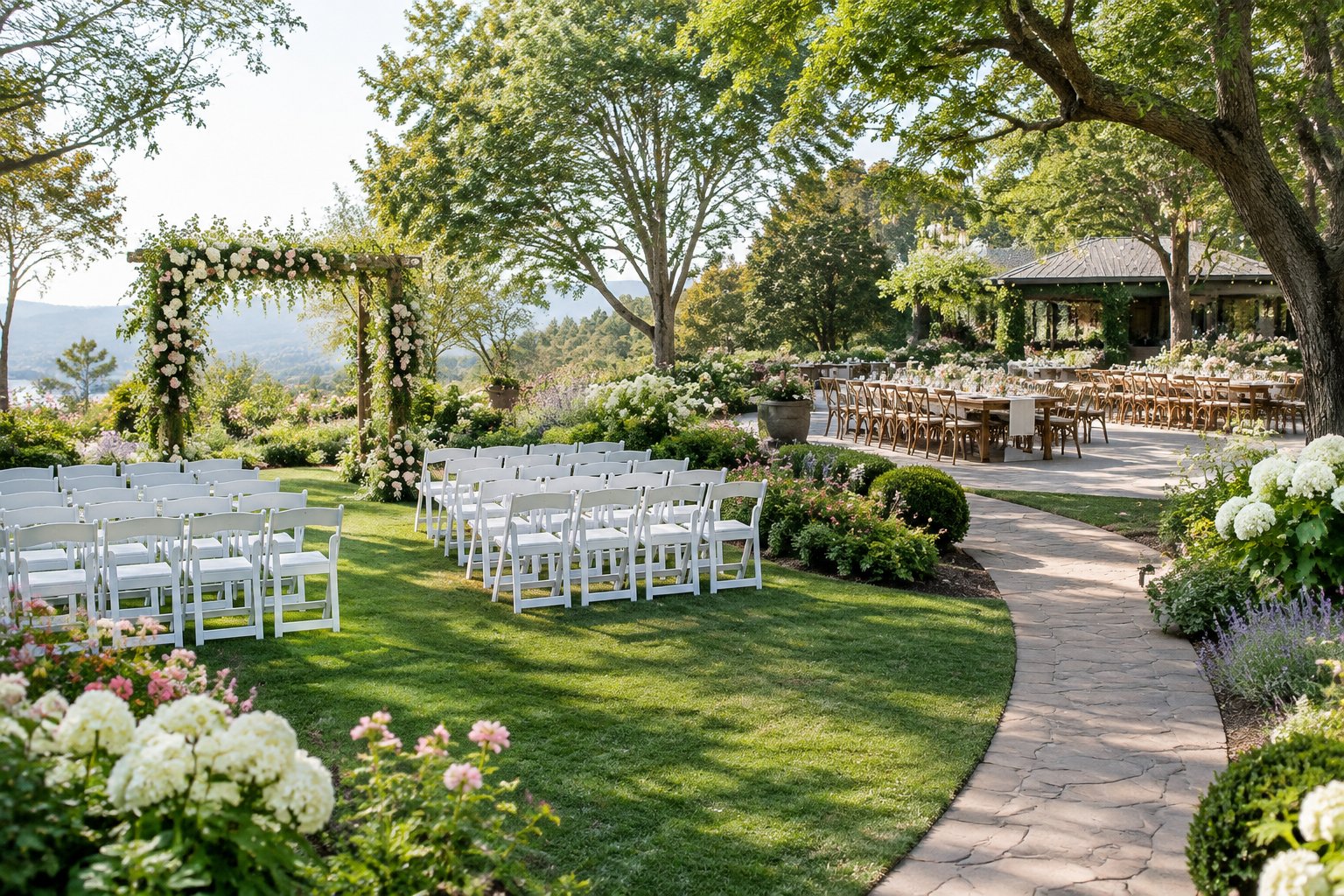
Outdoor gardens give you open air, seasonal flowers, natural light, and broad photo locations. They also require planning for sun, wind, rain, insects, uneven ground, and outdoor sound.
Greenhouses and conservatories provide shelter while keeping plants and daylight around you. Ask about ventilation, temperature control, window glare, power, catering access, and the number of guests allowed inside.
A venue with both choices gives you more flexibility across the year. Confirm whether the indoor room can hold your full ceremony and reception layout, including the dance floor, bar, buffet, band, and accessible seating.
Water Features, Arbors, and Photo Backdrops
Waterfalls, koi ponds, ponds, and reflecting pools add movement and a calm visual anchor. Place seating far enough from water for safe guest flow, and ask about sound limits if your ceremony includes microphones.
A wisteria arbor, stone bridge, or flowering pergola can frame vows without much added décor. Sunken gardens and manicured gardens offer layered backgrounds, while exotic plants create a strong setting for portraits.
A tropical forest or desert garden needs a design that respects the landscape. Keep aisles clear, protect fragile plantings, and ask where photographers can stand.
Rain Plans, Natural Light, and Indoor Reception Options
A written rain plan should identify the backup location, decision time, staffing, furniture transfer, and added costs. If the venue uses a tent, confirm flooring, lighting, heating or cooling, restroom access, and protection for catering equipment.
Walk through the property at your ceremony hour to evaluate natural light and shade. Ask how the space looks after sunset and whether approved lighting vendors are required.
For indoor receptions, check ceiling height, acoustics, air flow, windows, and power. A grand ballroom offers predictable service conditions, while a glass room preserves the garden feel with more weather protection.
What Do Garden Wedding Packages Typically Include?
Wedding packages vary widely, so compare the written list of spaces, hours, rentals, staffing, catering, and fees before you compare prices. A package might include tables, chairs, basic linens, food service, bar staff, setup, or cleanup. Another venue might charge for each item separately.
Request an all-in estimate for your guest count, including service charges, taxes, gratuities, overtime, insurance, and required rentals. You can also compare package structures with these all-inclusive wedding venues in the US.
Vendor Flexibility, Catering, and Rentals
An open vendor policy lets you select your caterer, florist, planner, DJ, photographer, and rental company. Approved vendor lists can streamline coordination, while required vendors limit menu and design choices.
Ask about outside catering, alcohol service, cake-cutting fees, delivery windows, insurance, load-in access, and cleanup. Confirm whether the package includes plates, glassware, flatware, linens, bars, dance floors, and lighting.
Review the food and beverage minimum for your date. Compare the final invoice, since service charges and taxes can add a large amount to the quoted package price.
Getting-Ready Spaces and Guest Comfort
A bridal suite gives you a private place for hair, makeup, attire, personal items, and quiet breaks. Ask when you receive access, how many people fit, whether mirrors and seating are supplied, and whether the suite includes climate control.
Guest comfort also depends on shaded seating, restrooms, water, parking, shuttle access, paved routes, and nearby shelter. Check the plan for older guests, children, and anyone with mobility needs.
Confirm where vendors park and unload. A long route over grass affects catering carts, rental deliveries, and guests in formal shoes.
Floral Arrangements That Enhance Rather Than Compete
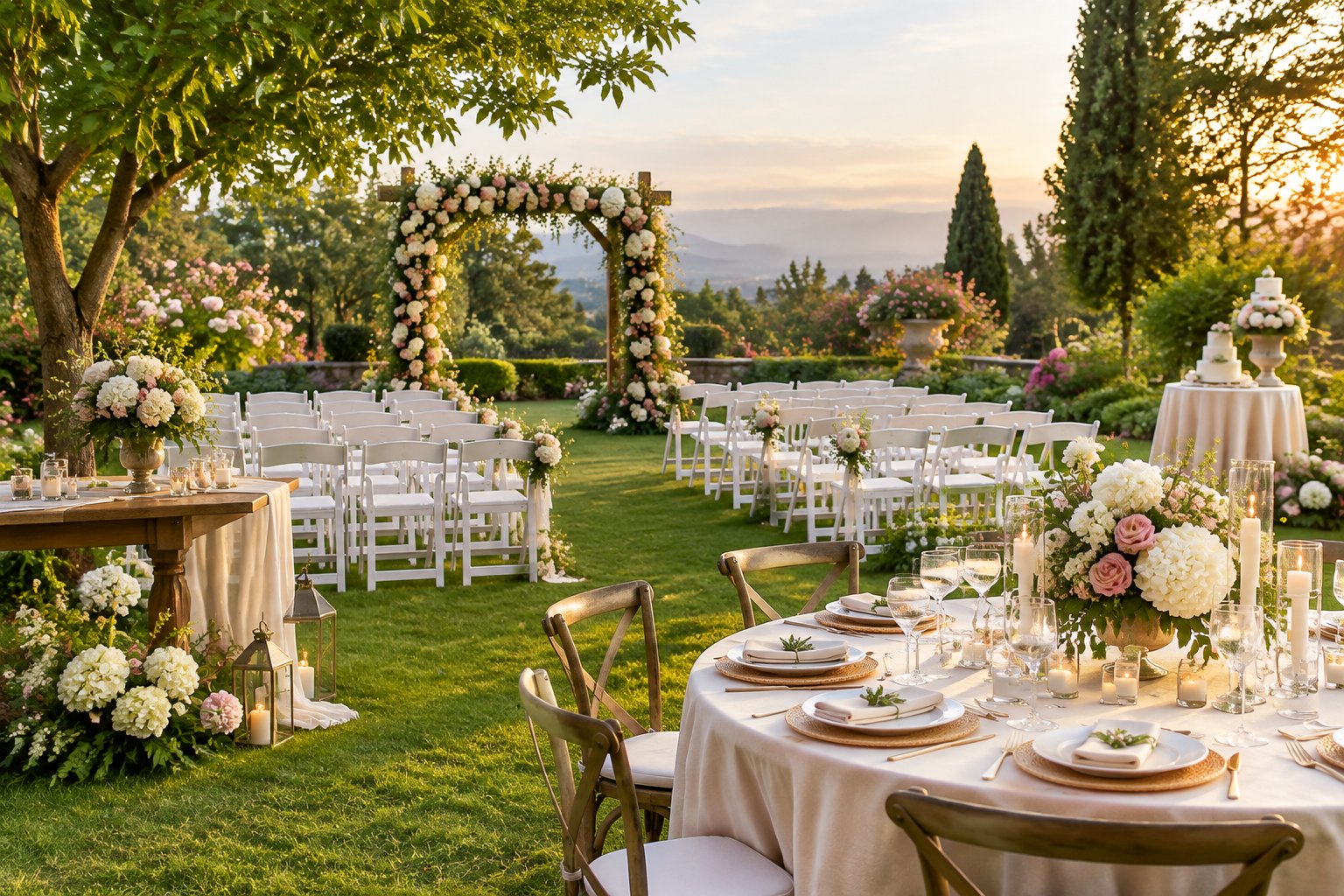
Let the garden establish the visual foundation, then use floral arrangements to guide attention toward the ceremony area, aisle, bar, and dining tables. A rose garden might need restrained arrangements, while an open lawn benefits from a floral arch or stronger aisle markers.
Ask the florist which blooms appear during your date and which flowers require special sourcing. Protect delicate beds with clear boundaries and use weighted designs for windy locations.
For more portable color, explore garden-inspired mini wedding bouquet ideas and greenery wedding bouquet ideas.
How to Plan Around Blooms, Weather, and Travel
Plan your date around the garden’s peak bloom period, local weather pattern, backup space, and guest travel needs. A venue that looks lush in one month can have a different color palette, temperature, and lawn condition in another.
Ask the property for photos from your target month, a bloom calendar, sunset information, and a written weather procedure before you sign.
Picking a Date for Peak Flowers and Comfortable Weather
Rose gardens, spring borders, tropical gardens, and desert landscapes reach their strongest displays at different times. Ask which areas bloom during your preferred date and whether the venue can share photos from past celebrations in that month.
Spring brings fresh color with rain and wind risk. Summer offers long days with heat and humidity. Fall brings foliage and comfortable temperatures in many regions, while winter can offer lower demand and strong indoor comfort.
Schedule the outdoor wedding ceremony when guests have shade and manageable temperatures. Check sunset, pollen, humidity, and evening chill before setting the ceremony time.
Creating a Practical Backup Plan
Choose a venue with an indoor room or tent plan that accommodates your full guest count. Confirm the backup floor plan, flooring, climate control, restrooms, lighting, power, and décor transfer.
Set a weather decision deadline with your venue and planner. Your contracts should explain cancellation, postponement, tent costs, overtime, vendor changes, and who makes the final call.
Prepare guests with useful details such as a weather note, comfortable footwear guidance, sunscreen, fans, wraps, umbrellas, or shuttle instructions. Keep the ceremony and reception routes short when heavy rain or heat is possible.
Making the Most of a Destination Garden Celebration
A destination wedding works best when the garden venue, lodging, transportation, and guest schedule fit together. Check airport access, hotel capacity, local events, seasonal traffic, legal requirements, and vendor travel fees.
Create a guest website or welcome guide with travel times, dress guidance, weather expectations, transportation, and nearby activities. Schedule a welcome gathering so guests can settle in before the ceremony.
Use a local planner for permits, translations, rentals, weather logistics, and regional vendor coordination. A destination wedding checklist helps you track travel documents, room blocks, welcome events, and arrival timing.